
















































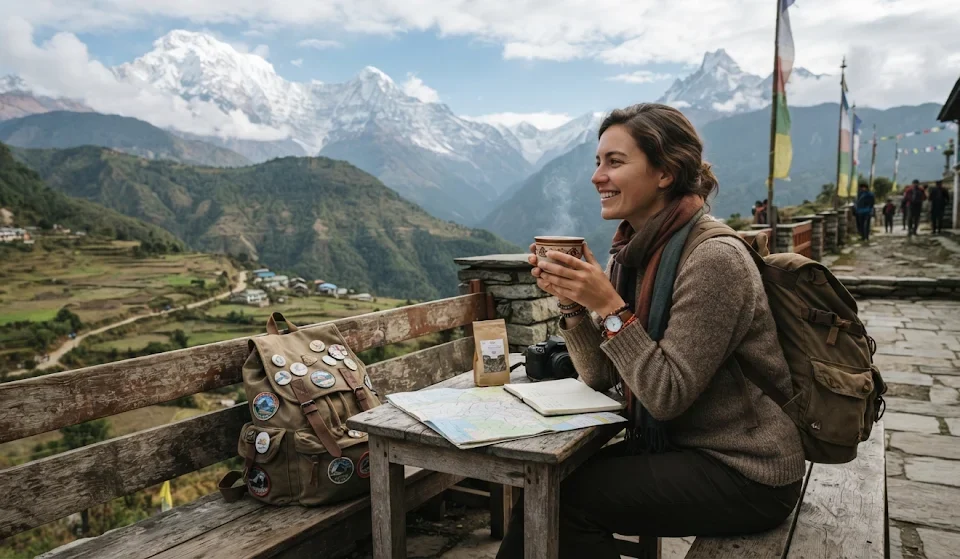

Tea and travel share a special connection that brings together culture, tradition, relaxation, and discovery. For many travelers, enjoying a cup of tea is more than a simple daily habit. It is an opportunity to experience local customs, understand regional traditions, and connect with people in different parts of the world. From traditional tea houses in Japan to peaceful plantations in Sri Lanka, tea offers a unique way to explore destinations beyond their famous landmarks.
Every country has its own relationship with tea. Some cultures enjoy carefully prepared ceremonial drinks, while others prefer strong milk tea served with breakfast or afternoon snacks. Traveling allows visitors to experience these differences firsthand and discover how local ingredients, preparation methods, and social traditions influence the taste of every cup.
Whether you are a passionate tea enthusiast or someone who simply enjoys trying new drinks, combining tea and travel can make your adventures more memorable. Exploring tea gardens, visiting historic tea houses, tasting regional varieties, and learning traditional brewing techniques can add a meaningful experience to almost any trip.
Why Tea and Travel Make a Perfect Combination
Tea can introduce travelers to the cultural identity of a destination. In many communities, tea is connected to hospitality, family gatherings, celebrations, and everyday social activities. Accepting a cup of tea may provide an opportunity to communicate with local people and learn about traditions that visitors might otherwise overlook. These small experiences can become some of the most memorable parts of a journey.
Another reason tea and travel work so well together is the opportunity to discover different flavors. Tea varieties change according to growing conditions, processing methods, and regional preferences. A cup of green tea in Japan can offer a completely different experience from black tea in India or the fragrant teas traditionally enjoyed in China. Sampling local varieties allows travelers to explore a destination through its food and drink culture.
Best Destinations for Tea Lovers
Some destinations are especially attractive to travelers who enjoy tea. Sri Lanka is famous for its beautiful tea-growing regions, particularly the central highlands around Nuwara Eliya, Ella, and Kandy. Visitors can explore green plantations, learn about tea production, and enjoy freshly prepared Ceylon tea while surrounded by mountain scenery. The cool climate and peaceful landscapes make these areas appealing for both tea enthusiasts and nature lovers.
Japan is another excellent destination for tea-related experiences. Traditional Japanese tea culture places importance on preparation, presentation, and appreciation. Visitors can explore tea shops, participate in tea ceremonies, and discover varieties such as matcha and sencha. China also offers a rich tea heritage, with historic tea houses, regional tea varieties, and traditional brewing practices that reflect centuries of cultural development.
India provides another fascinating experience for tea lovers. Regions such as Darjeeling, Assam, and Munnar are known for their distinctive tea-growing environments. Travelers can visit plantations, learn about harvesting and processing, and sample different styles of Indian tea. Each destination offers its own atmosphere, making tea exploration an enjoyable part of a wider travel itinerary.
Exploring Traditional Tea Cultures Around the World
Tea traditions differ significantly from one country to another. In Pakistan, chai is an important part of everyday hospitality and social life. Strong black tea prepared with milk, sugar, and sometimes spices is commonly enjoyed at home, in restaurants, and at roadside tea stalls. Sharing chai with friends and family is a familiar social experience that reflects the country’s welcoming culture.
In the United Kingdom, afternoon tea is associated with a more formal tradition involving brewed tea, sandwiches, pastries, and sweet treats. Visitors can experience this custom in traditional tea rooms and hotels. In Morocco, mint tea is widely recognized as a symbol of hospitality, often prepared with green tea, fresh mint, and sugar. The preparation and serving of tea can become a welcoming ritual for guests.
Chinese tea culture includes a wide range of varieties and preparation methods. Oolong, green, white, and black teas are appreciated for their different flavors and characteristics. Traditional tea gatherings often emphasize careful brewing and the enjoyment of aroma and taste. Learning about these customs helps travelers understand how a simple drink can carry deep cultural meaning.
Visiting Tea Plantations and Tea Gardens
Visiting a tea plantation can be one of the most rewarding experiences for travelers interested in tea. Many plantations are located in scenic regions with rolling hills, misty mountains, and carefully maintained rows of tea bushes. Walking through these landscapes offers opportunities to enjoy nature, take photographs, and learn about the agricultural traditions behind a familiar everyday beverage.
Tea plantation tours often explain how tea leaves are harvested, processed, dried, and prepared for packaging. Depending on the destination, visitors may observe traditional harvesting methods or see modern production facilities. Some locations also offer guided tasting sessions where travelers can compare different tea varieties and understand how processing influences flavor, color, and aroma.
How to Enjoy Tea While Traveling
Enjoying tea during a journey does not always require visiting a famous plantation or traditional tea house. Travelers can discover local cafés, neighborhood markets, small restaurants, and roadside tea stalls. These everyday places often provide a more authentic introduction to regional tea habits than expensive tourist experiences. Trying a locally popular drink can also make ordinary travel stops more interesting.
Carrying a few personal tea essentials can be helpful for people who prefer familiar flavors. Individually packed tea bags, a reusable travel mug, and a small insulated bottle can make it easier to enjoy tea during road trips, train journeys, or hotel stays. Travelers should check accommodation facilities and local rules before using personal heating equipment.
Choosing the Right Tea for Different Travel Experiences
Different types of tea can suit different travel situations. Green tea is often appreciated for its fresh, delicate flavor and can be a pleasant choice during daytime exploration. Black tea offers a stronger taste and is commonly enjoyed with milk or other additions. Herbal infusions, including peppermint and chamomile, provide caffeine-free alternatives for travelers who prefer to avoid caffeinated drinks.
Matcha is another interesting option for tea enthusiasts. This finely powdered Japanese green tea has a distinctive flavor and is traditionally prepared by whisking the powder with water. Oolong tea offers a range of flavors between green and black tea, depending on its processing. Exploring these varieties can help travelers discover new preferences while learning about different tea traditions.
| Tea Variety | Common Characteristics | Popular Travel Experience |
|---|---|---|
| Green tea | Fresh, grassy, and delicate | Japanese tea shops |
| Black tea | Bold and full-bodied | Indian and Sri Lankan tea regions |
| Matcha | Concentrated, earthy flavor | Japanese tea ceremonies |
| Oolong tea | Floral, roasted, or fruity notes | Chinese and Taiwanese tea culture |
| Mint tea | Refreshing herbal flavor | Moroccan hospitality |
| Herbal tea | Naturally caffeine-free varieties | Cafés and relaxing hotel stays |
Conclusion
Tea and travel create an enjoyable combination for people who want to explore destinations through culture, tradition, and local flavors. From the mountain plantations of Sri Lanka to the traditional tea houses of Japan and the welcoming chai culture of Pakistan, every destination offers a different way to experience this popular drink. Visiting tea gardens, tasting regional varieties, and learning local preparation methods can make a journey more meaningful and memorable.
You do not need to be an expert to enjoy tea while traveling. A little curiosity and a willingness to try unfamiliar flavors can introduce you to new traditions and interesting people. Whether you enjoy a quiet cup in a scenic café or share traditional tea with local residents, including tea experiences in your travel plans can add a special touch to your next adventure.
Frequently Asked Questions
What does tea and travel mean?
Tea and travel refer to exploring destinations through their tea traditions, local beverages, tea houses, and plantations. It combines cultural discovery with the enjoyment of different tea varieties.
Which country is best for tea lovers to visit?
Sri Lanka, Japan, China, and India are excellent destinations for tea enthusiasts. Each country offers distinctive tea varieties, traditional preparation methods, and opportunities to explore tea-growing regions.
What are the best places to visit for tea plantations?
Popular tea plantation destinations include Nuwara Eliya and Ella in Sri Lanka, Darjeeling and Assam in India, and Munnar in southern India. These regions are known for their scenic landscapes and tea production.
Can I visit tea plantations while traveling?
Yes, many tea-growing destinations offer plantation tours and visitor experiences. Depending on the location, you may be able to explore tea gardens, observe production processes, and participate in tasting sessions.
What type of tea should I try when traveling?
Try regional specialties whenever possible. Matcha is popular in Japan, Ceylon tea is associated with Sri Lanka, Assam tea is well known in India, and mint tea is an important part of Moroccan hospitality.
Is tea a part of travel culture in Pakistan?
Yes, tea is an important part of Pakistani social life. Traditional chai is commonly served at homes, restaurants, roadside cafés, and gatherings, making it a familiar expression of hospitality.
What tea accessories should I pack for travel?
Useful accessories include individually packed tea bags, a reusable travel mug, a small tea container, and an insulated bottle. These items can help you enjoy your preferred tea during longer journeys.
How can I experience local tea culture respectfully?
Observe local customs, ask before photographing people or private ceremonies, and follow the guidance of hosts or tour guides. Showing interest in traditional preparation methods is a good way to appreciate local culture.
