
















































Wound care is an important part of healthcare because the skin protects the body from bacteria, environmental damage, and other harmful substances. When an injury breaks the skin, the body begins a natural healing process that involves several stages and different types of tissue repair. During this process, healthcare professionals examine not only the wound itself but also the surrounding skin and its edges. “Wondrand” is a Dutch healthcare term associated with the outer edge or margin of a wound. Understanding this area can help explain how wounds heal and why proper assessment is important.
The condition of a wound edge can provide useful information about the progress of healing. Healthy wound margins generally show signs of tissue repair, while certain changes, such as rolled edges, excessive moisture, irritation, or tissue damage, may indicate complications. Medical professionals consider these observations alongside wound size, depth, drainage, pain, and surrounding skin condition. Learning about Wondrand helps patients, caregivers, and healthcare students understand an important part of wound assessment and the factors that can influence recovery.
What Is Wondrand?
Meaning of Wondrand in Healthcare
“Wondrand” is a Dutch medical term that refers to the edge or margin of a wound. It describes the boundary between the injured area and the surrounding healthy skin. In clinical wound documentation, healthcare professionals assess this region to understand its condition and identify changes that may influence the healing process. The term is used in Dutch healthcare terminology and is associated with the clinical concept of wound edge findings.
The wound edge is an important part of the overall wound structure because new skin cells gradually move across the wound surface during healing. When the edges are healthy and able to progress toward one another, the wound may gradually become smaller. However, damaged, thickened, rolled, or excessively moist margins can interfere with normal tissue repair. For this reason, wound rand assessment is considered alongside other wound characteristics rather than as an isolated observation.
Why Wound Edges Matter
Wound edges provide valuable information about whether the healing process is progressing normally. Healthcare professionals observe whether the margins are attached, advancing, irregular, rolled, or separated from the underlying tissue. These characteristics can help identify barriers to recovery and determine whether additional assessment is needed.
The condition of the surrounding skin also matters because moisture, friction, pressure, and wound drainage can affect the tissue around an injury. Excessive moisture may soften the skin, while dryness and irritation can contribute to discomfort and tissue damage. Understanding these changes helps healthcare professionals make appropriate decisions about wound protection, dressing selection, and follow-up care.
Understanding Healthy and Unhealthy Wound Edges
Characteristics of Healthy Wound Edges
Healthy wound edges generally appear attached and show gradual movement toward the center of the wound as healing progresses. New epithelial tissue may appear pink and delicate, indicating that skin cells are covering the injured surface. The surrounding area should be monitored for unusual swelling, excessive redness, irritation, or other changes that could interfere with recovery.
Healthy margins are important because they support the formation of new skin and help restore the protective function of the skin barrier. A wound that is healing normally may gradually decrease in size as new tissue develops. However, appearance alone cannot confirm that a wound is healthy. Medical professionals also consider the patient’s symptoms, wound history, drainage, and other clinical findings.
Signs of Unhealthy or Problematic Wound Edges
Unhealthy wound margins can show several different changes depending on the cause and type of injury. Rolled edges, also called epibole, occur when the wound margin turns inward or curls over itself. This condition can interfere with the movement of new skin cells across the wound surface and may contribute to delayed healing. Maceration is another common problem in which prolonged exposure to excess moisture makes surrounding skin soft, pale, and vulnerable to damage.
Other concerning findings include thickened tissue, persistent inflammation, undermining, separation of wound margins, and increasing irritation. These findings do not automatically mean that an infection is present. They require assessment in the context of the complete wound condition, including pain, temperature, drainage, odor, and changes in surrounding skin. A qualified healthcare professional should evaluate wounds that are deteriorating or failing to improve.
Wondrand Assessment and Clinical Importance
How Healthcare Professionals Assess Wound Edges
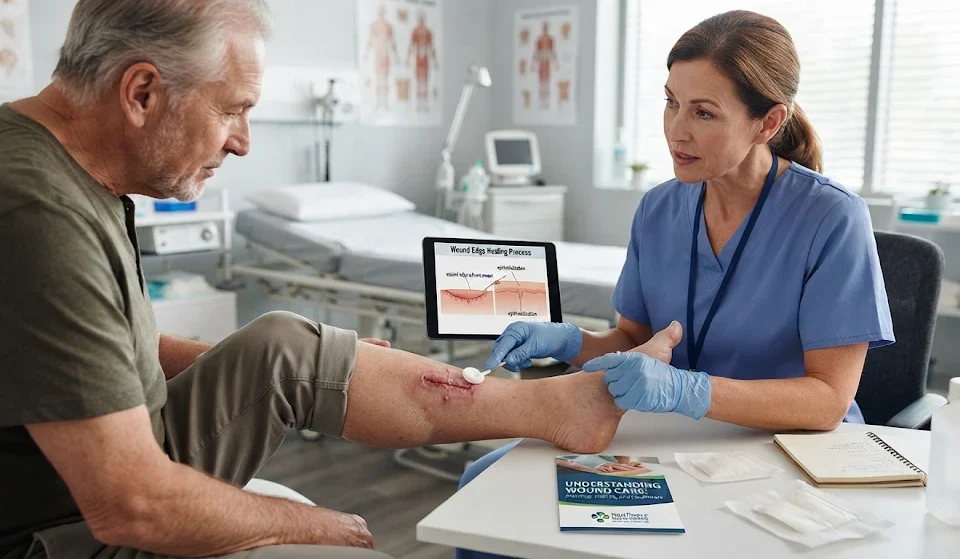
Wound assessment involves a systematic examination of the injured area and the surrounding tissue. Healthcare professionals observe the shape and condition of the margins, check whether the edges are attached, and look for signs of advancing skin growth. They may also examine the wound for rolled edges, maceration, thickened tissue, undermining, or other changes that could affect recovery.
Accurate documentation is equally important. Medical professionals record the wound’s location, length, width, depth, tissue appearance, drainage, pain, and surrounding skin condition. Comparing these observations during follow-up appointments helps identify whether the wound is improving, remaining unchanged, or becoming worse. Consistent documentation also supports communication between healthcare team members.
The Role of Wound Edges in Healing Decisions
The condition of wound margins can influence clinical decisions about wound management. For example, excessive moisture around the edges may indicate that drainage needs better management, while dry or thickened tissue may require professional evaluation. Rolled margins may also suggest that the wound needs a more detailed assessment to identify barriers to epithelialization.
Healthcare professionals consider these findings when selecting appropriate dressings, protecting surrounding skin, and planning follow-up care. Treatment decisions depend on the type of wound, its cause, the patient’s health, and the stage of healing. Wound edge assessment is therefore an important part of comprehensive wound management rather than a separate treatment method.
Common Problems Affecting Wound Edges
Maceration and Excessive Moisture
Maceration occurs when the skin remains exposed to excessive moisture for an extended period. The affected tissue may appear white, pale, softened, or wrinkled. In wound care, this condition can develop when drainage accumulates around the wound or when dressings do not manage moisture appropriately.
Excessive moisture can weaken the skin barrier and make the surrounding tissue more vulnerable to irritation and breakdown. Healthcare professionals evaluate the amount of wound drainage and select suitable dressings to help maintain an appropriate moisture balance. Patients should avoid repeatedly applying unapproved products or changing complex wound dressings without professional guidance.
Rolled Edges and Delayed Healing
Rolled wound edges develop when the margin curls inward rather than allowing new epithelial cells to advance across the wound surface. This condition is commonly called epibole and may occur in some chronic or non-healing wounds. It can create a physical barrier to normal wound closure.
Rolled margins require professional assessment because the underlying reasons for delayed healing may include pressure, poor circulation, infection, or other health-related factors. Treatment depends on the wound’s cause and clinical condition. Patients should not attempt to cut, scrape, or remove rolled tissue themselves because this can cause further injury.
Factors That Influence Wound and Wound Healing
Nutrition, Hydration, and Overall Health
The body’s ability to repair injured tissue depends partly on adequate nutrition and general health. Protein supports tissue maintenance and repair, while vitamins and minerals contribute to different biological processes involved in recovery. Insufficient food intake or nutritional deficiencies may interfere with normal healing, particularly in people with chronic wounds.
Hydration also supports normal body functions and helps maintain healthy tissues. People recovering from injuries should follow balanced dietary habits and seek professional nutritional advice when needed. Individuals with diabetes, circulation problems, or other chronic conditions may require additional monitoring because these factors can influence wound recovery.
Blood Circulation, Diabetes, and Pressure
Good blood circulation is necessary for delivering oxygen and nutrients to injured tissue. Reduced circulation can slow the healing process and increase the risk of complications. People with vascular conditions may experience wounds that take longer to close because the affected area does not receive an adequate blood supply.
Diabetes can also affect wound healing, particularly when blood glucose levels are poorly controlled or when nerve damage reduces sensation. Pressure and repeated friction may further damage vulnerable tissue. Appropriate pressure relief, diabetes management, circulation assessment, and professional wound care can help address these risks.
Proper Wound Care Practices for Healthy Healing
Cleaning and Protecting the Wound
Proper wound care begins with appropriate cleaning and protection. For many minor wounds, gentle rinsing with clean running water and protecting the area with a suitable dressing can help reduce contamination. Healthcare professionals may recommend different cleaning methods and dressings depending on the wound type, location, and severity.
Patients should follow the instructions provided by their healthcare team and avoid applying harsh chemicals or unapproved substances to an injury. The surrounding skin should also be protected from excessive moisture and friction. For surgical wounds, diabetic foot wounds, pressure injuries, and chronic ulcers, professional instructions are particularly important.
Monitoring Changes and Seeking Medical Advice
Regular monitoring helps identify changes that may indicate healing problems. Patients and caregivers should pay attention to increasing pain, spreading redness, warmth, swelling, unusual drainage, unpleasant odor, and changes in the appearance of the wound. Fever or feeling generally unwell alongside wound changes may indicate a more serious infection.
Medical attention should be sought promptly when signs of infection or deterioration appear. Rapidly spreading redness, severe pain, fever, confusion, or other signs of serious illness require urgent medical evaluation. People with diabetes, poor circulation, or weakened immune systems should be especially cautious about new or non-healing wounds.
Wondrand in Modern Wound Management
The Importance of Accurate Medical Documentation
Modern wound management depends on clear and consistent documentation. Recording wound edge characteristics helps healthcare professionals understand changes over time and communicate findings accurately. Documentation may include whether margins are attached, advancing, rolled, macerated, or undermined.
Standardized wound assessment also makes it easier to compare observations between different appointments. Measurements, photographs when appropriate, and descriptions of the surrounding skin can provide a clearer picture of healing progress. Accurate records support clinical decisions and help healthcare teams identify problems that require further investigation.
The Role of Professional Wound Care
Professional wound care combines clinical assessment, appropriate treatment, patient education, and ongoing monitoring. Nurses, physicians, and wound care specialists consider the entire wound environment rather than focusing on the margins alone. They assess the wound bed, drainage, surrounding skin, pain, circulation, and the patient’s overall health.
Patients also play an important role by following care instructions, attending recommended appointments, and reporting unexpected changes. Understanding the meaning of Wondrand can improve awareness of wound edges, but it does not replace professional examination or medical treatment. A complete and individualized approach remains essential for managing complex or non-healing wounds.
Conclusion
Wondrand is a Dutch healthcare term that refers to the outer edge or margin of a wound. It is an important part of clinical wound assessment because the condition of the margins can provide useful information about tissue repair, skin health, and possible healing complications. Healthy, advancing edges generally support wound closure, while rolled margins, maceration, irritation, and undermining may indicate barriers that require further evaluation. Understanding these characteristics helps patients, caregivers, and healthcare students recognize why wound edges deserve attention during the healing process.
Proper wound management requires more than observing the wound’s outer boundary. Healthcare professionals also evaluate the wound bed, drainage, surrounding skin, pain, circulation, and the patient’s general health. Appropriate cleaning, suitable dressings, nutrition, pressure management, and timely medical assessment can all contribute to better wound care. By understanding Wondrand and its role in healthcare, readers can develop a clearer awareness of wound healing and the importance of professional guidance when complications occur.
FAQs
What does Wondrand mean?
Wondrand is a Dutch healthcare term meaning wound edge or wound margin. It describes the outer boundary of an injury where damaged tissue meets the surrounding skin.
Why is Wondrand important in wound care?
Wondrand is important because wound edges provide information about healing progress and possible complications. Healthcare professionals examine the margins to identify changes such as maceration, rolled edges, and delayed tissue repair.
What do healthy wound edges look like?
Healthy wound edges are generally attached and may show advancing pink epithelial tissue as the wound closes. Their appearance should be evaluated alongside other signs of healing.
What are unhealthy wound edges?
Problematic wound edges may show maceration, rolled margins, thickening, undermining, irritation, or separation. These findings may indicate delayed healing or other wound complications.
What is wound edge maceration?
Maceration occurs when surrounding skin is exposed to excessive moisture for too long. The affected area may appear pale, soft, wrinkled, and more vulnerable to damage.
What are rolled wound edges?
Rolled wound edges, also known as epibole, occur when the wound margins curl inward. This can interfere with the movement of new skin cells and contribute to delayed wound closure.
How do healthcare professionals assess Wondrand?
Healthcare professionals examine whether the wound margins are attached, advancing, rolled, macerated, or undermined. They also assess wound size, depth, drainage, surrounding skin, pain, and possible infection.
Can poor circulation affect wound edges?
Yes. Poor circulation can reduce the delivery of oxygen and nutrients to injured tissue. This may slow tissue repair and increase the risk of wounds becoming chronic or difficult to heal.
When should someone seek medical help for a wound?
Medical attention is important when a wound develops increasing pain, spreading redness, swelling, warmth, pus, unpleasant odor, or delayed healing. Fever or signs of serious illness require urgent evaluation.
Is Wondrand a wound treatment or medical product?
No. Wondrand is a clinical term describing the edge of a wound. It is not the name of a specific medicine, dressing, or wound treatment.
