






































Best Hiking Accessories for Long Trails: Essential Gear for Comfortable and Safe Adventures

Choosing the best hiking accessories for long trails can make a significant difference in your outdoor experience. Whether you are planning a weekend hiking trip, exploring mountain paths, or preparing for a multi-day backpacking adventure, the right accessories help you stay comfortable, organized, and prepared. Long-distance hiking requires more than suitable footwear and clothing. You also need practical equipment that supports hydration, navigation, protection, and personal safety throughout the journey.
Spending several hours or days on a trail can create different challenges. Weather conditions may change, walking surfaces can become uneven, and access to food, water, and basic facilities may be limited. Reliable hiking accessories help you manage these situations while reducing unnecessary discomfort. They can also make it easier to carry essential supplies without adding too much weight to your backpack.
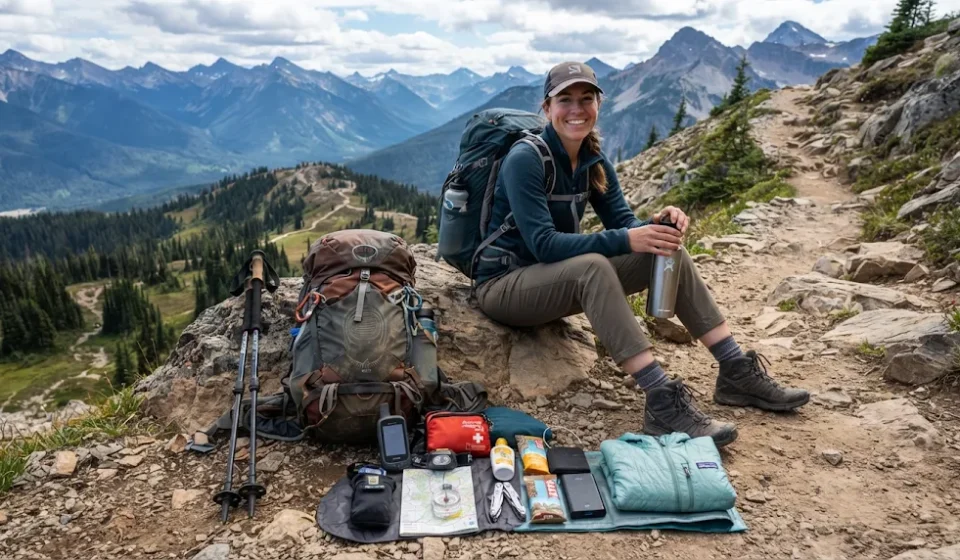
The best hiking accessories for long trails should be lightweight, durable, easy to use, and suitable for your destination. From trekking poles and water filtration systems to headlamps and compact first-aid kits, every item should serve a useful purpose. Understanding which accessories matter most will help you prepare a practical hiking setup for your next adventure.
Why the Right Hiking Accessories Matter on Long Trails
Long-distance hiking places continuous demands on your body and equipment. Walking for extended periods over rocky paths, steep climbs, and uneven terrain can create fatigue and discomfort. Accessories such as trekking poles, supportive backpacks, and comfortable hydration systems can make these journeys more manageable. Choosing suitable equipment also helps you organize essential belongings so they remain accessible throughout the hike.
Preparation becomes especially important when exploring remote trails. You may encounter limited mobile coverage, changing weather, or unexpected delays. A reliable navigation device, emergency whistle, and first-aid supplies can help you respond to common outdoor challenges. These accessories do not eliminate every risk, but they provide useful support when conditions become difficult.
Another important consideration is weight. Carrying too many unnecessary items can make a long hike more tiring. Instead of purchasing every available hiking gadget, focus on accessories that match your route, expected weather, trip duration, and personal needs. A carefully selected collection of essentials is often more useful than a heavy backpack filled with equipment you rarely use.
Best Hydration Accessories for Long Hiking Trails
Staying hydrated is one of the most important parts of long-distance hiking. Walking for several hours, especially in warm weather or at higher elevations, can increase fluid loss. A reliable hydration system makes it easier to carry water and drink regularly without interrupting your progress. Depending on your preferences, you can choose a reusable water bottle, hydration bladder, or insulated water container.
Hydration bladders are popular among backpackers because they fit inside compatible backpacks and connect to a drinking tube. This design allows hikers to take small drinks while walking. Reusable water bottles are another practical option because they are easy to refill, clean, and monitor. Some hikers prefer carrying both a bottle and a hydration bladder to make water access more flexible.
Water filtration accessories are especially useful for multi-day hikes and routes with natural water sources. Portable filters and purification systems can help make water from suitable sources safer to drink when used correctly. However, different products remove different contaminants, so always check the manufacturer’s specifications and follow local water safety guidance.
Before leaving, research the availability of drinking water along your route. Do not assume that streams, lakes, or springs are safe sources. Carry enough water for the expected distance and conditions, and bring an appropriate treatment method when natural water sources may be necessary.
Best Trekking Poles for Long-Distance Hiking
Trekking poles are valuable accessories for hikers who regularly travel over uneven terrain. They provide additional points of contact with the ground and can help improve balance on rocky paths, steep climbs, and descents. Many hikers also find them useful for maintaining a steady walking rhythm during long journeys.
Adjustable trekking poles are particularly practical because their length can be changed according to terrain and personal height. Shorter settings may be useful when climbing uphill, while slightly longer settings can provide comfortable support during descents. Lightweight aluminum and carbon-fiber models are common choices, although each material has different strengths and limitations.
Grip comfort is another important feature. Cork, foam, and rubber handles offer different levels of feel and moisture management. Some trekking poles also include wrist straps, replaceable tips, and baskets designed for different surfaces. Choosing poles with a comfortable grip and reliable locking mechanism can improve their usability during extended hikes.
Best Navigation and GPS Accessories for Hiking
Navigation equipment is essential when exploring unfamiliar or remote trails. Although smartphones provide convenient maps and GPS features, they may become less reliable when batteries run low, weather conditions worsen, or mobile signals disappear. Carrying an additional navigation option can provide greater confidence during long-distance hiking.
A dedicated handheld GPS device can help hikers track their position, follow routes, and record distance. Some models include topographic maps, electronic compasses, and emergency communication features. However, the functions available vary between devices, so choose one that matches your route and experience level.
A traditional compass and physical trail map are also valuable accessories. They do not depend on batteries or mobile networks, making them useful backups when electronic devices fail. Learning basic map-reading and compass skills before heading into remote areas is important because simply carrying navigation equipment does not guarantee that you can use it effectively.
For longer adventures, download offline maps before departure and carry a power bank for electronic equipment. Check your planned route carefully, understand important trail junctions, and share your itinerary with someone you trust. In remote locations, a satellite messenger or personal locator beacon may provide an additional emergency communication option where ordinary mobile coverage is unavailable.
Best Hiking Backpacks and Organization Accessories
A comfortable backpack is one of the most important pieces of equipment for long trails. It should provide enough storage for water, food, clothing, safety equipment, and other essentials without creating unnecessary pressure on your shoulders. The ideal capacity depends on whether you are planning a day hike, overnight trip, or multi-day backpacking journey.
Look for adjustable shoulder straps, a supportive hip belt, breathable back panels, and practical storage compartments. A well-fitted hip belt helps transfer some of the backpack’s load to your hips, while padded shoulder straps improve comfort. Adjustable suspension systems can also help you achieve a more balanced fit.
Packing accessories can make your backpack easier to organize. Waterproof dry bags protect clothing and electronics from rain or accidental spills, while packing cubes help separate different categories of gear. Small pouches are useful for keeping items such as sunscreen, snacks, maps, and first-aid supplies accessible.
A rain cover is another useful accessory, particularly when hiking in areas with unpredictable weather. Some backpacks include built-in covers, while others require a separate purchase. Remember that a rain cover may not provide complete protection in heavy rain, so sensitive equipment should also be stored in waterproof bags.
Best Lighting Accessories for Long Trails
Lighting equipment is essential when hiking early in the morning, returning after sunset, or setting up camp in low-light conditions. A headlamp is one of the most practical accessories because it provides hands-free illumination. This allows you to walk, organize your backpack, prepare food, or handle equipment without holding a flashlight.
When choosing a headlamp, consider brightness, battery life, weight, comfort, and water resistance. Adjustable brightness settings can help conserve battery power when maximum illumination is unnecessary. A comfortable headband is also important because an uncomfortable headlamp can become distracting during extended use.
A compact flashlight can serve as an additional lighting option. Some hikers prefer carrying one as a backup in case their headlamp stops working. Extra batteries or a fully charged rechargeable power source should also be included, depending on the lighting system you choose.
Avoid depending entirely on your smartphone flashlight. Phone batteries are important for navigation and emergency communication, so using a separate lighting accessory can help preserve power. Before starting a long hike, test your equipment and make sure you know how to operate its different settings.
Best First Aid and Emergency Accessories for Hiking
Safety accessories deserve careful attention when preparing for long trails. A compact first-aid kit allows hikers to manage minor problems such as blisters, small cuts, and scrapes. A useful kit may include adhesive bandages, sterile gauze, medical tape, antiseptic supplies, blister dressings, and any personal items appropriate for your needs.
An emergency whistle is another lightweight accessory worth carrying. It can help attract attention if you become separated from your group or need assistance. Some backpacks include an emergency whistle in the chest strap buckle, but you should check before relying on this feature.
A small emergency blanket can provide additional protection in unexpected situations. It is lightweight and compact, making it suitable for many hiking and backpacking kits. Depending on the destination, other useful equipment may include a personal locator beacon, satellite messenger, emergency shelter, or a reliable multi-tool.
The best emergency accessories depend on the difficulty and remoteness of your route. Learn basic first-aid skills, understand local emergency procedures, and check weather forecasts before leaving. For challenging hikes, consider carrying equipment recommended by local outdoor authorities or experienced trail organizations.
Best Comfort and Protection Accessories for Long Hikes
Long-distance hiking can expose you to sunlight, wind, rain, insects, and changing temperatures. Accessories designed for comfort and protection help you manage these conditions while spending extended periods outdoors. A lightweight hiking hat is useful for protecting your head and face from direct sunlight, while sunglasses can reduce glare and improve visual comfort in bright environments.
Sunscreen is another important item for outdoor adventures. Choose a suitable broad-spectrum product and reapply it according to its instructions, especially after sweating or exposure to water. Lip balm with sun protection can also be helpful during hikes in exposed or windy environments.
Insect protection may be necessary when traveling through forests, wetlands, or areas with high insect activity. Choose an appropriate insect repellent and follow its label instructions. A lightweight buff or neck gaiter can also provide additional protection against sun, dust, and cool wind.
Comfort accessories should also include blister prevention supplies and suitable hiking socks. Even well-fitting hiking boots can create friction during long journeys, particularly when feet become warm or damp. Carrying blister pads, spare socks, and a small foot-care kit can help you address discomfort before it becomes more serious.
How to Choose the Best Hiking Accessories for Long Trails
Choosing the best hiking accessories for long trails begins with understanding the route. A short, well-maintained walking path requires different equipment from a remote mountain trail or a multi-day wilderness journey. Research the distance, elevation changes, terrain, weather conditions, water availability, and expected duration before deciding what to carry.
Weight should be one of your main considerations. Every additional item contributes to the total load on your back, and unnecessary equipment can make long hikes more difficult. Prioritize accessories that provide clear value, such as hydration systems, navigation tools, lighting, and first-aid supplies. Compact and multi-purpose products can help reduce the amount of equipment you need.
Durability is equally important. Hiking accessories may be exposed to dust, moisture, temperature changes, and repeated handling. Look for dependable materials, secure closures, comfortable designs, and products that are easy to maintain. Reading product specifications and customer reviews can help you compare different options.
| Hiking Accessory | Important Features | Main Purpose |
|---|---|---|
| Hydration bladder | Leak-resistant construction and comfortable drinking tube | Convenient water access |
| Water filter | Suitable filtration capability and easy maintenance | Treating water from appropriate sources |
| Trekking poles | Adjustable length and secure locking system | Balance and walking support |
| GPS device | Reliable navigation and useful battery life | Route tracking |
| Headlamp | Comfortable fit and suitable brightness | Hands-free lighting |
| First-aid kit | Essential supplies and compact storage | Managing minor injuries |
| Dry bags | Waterproof construction and secure closure | Protecting important belongings |
| Emergency whistle | Lightweight and easy to access | Attracting attention |
| Power bank | Suitable capacity and durable design | Charging electronic devices |
Your personal experience level should also influence your choices. Beginners may benefit from simple accessories that are easy to operate, while experienced hikers may require specialized navigation and emergency equipment for remote routes. The goal is to build a setup that supports your needs without making your backpack unnecessarily heavy.
Conclusion
The best hiking accessories for long trails help make outdoor adventures more comfortable, organized, and prepared. Hydration systems, trekking poles, navigation devices, headlamps, first-aid kits, and backpack organization tools all serve important purposes during extended journeys. Choosing reliable accessories can help you manage changing conditions and enjoy your time outdoors with greater confidence.
Before purchasing hiking equipment, consider your destination, trip length, weather, terrain, and personal experience. Focus on lightweight products that offer practical value, and avoid carrying unnecessary accessories. A well-planned hiking setup should balance comfort, safety, durability, and portability so you can focus on enjoying the trail.
Frequently Asked Questions
What are the best hiking accessories for long trails?
Useful accessories include hydration bladders, water filters, trekking poles, GPS devices, headlamps, first-aid kits, dry bags, and emergency whistles. The right selection depends on the trail and trip duration.
Are trekking poles necessary for long-distance hiking?
Trekking poles are not essential for every hiker, but they can provide additional balance and support on uneven terrain. Many hikers find them useful on steep climbs and descents.
What is the best way to carry water on long hiking trails?
Hydration bladders and reusable water bottles are both practical options. Some hikers carry both to improve convenience and provide an additional water container.
Should I carry a GPS device when hiking?
A GPS device can be useful on unfamiliar or remote trails. Downloaded offline maps and a physical map with a compass provide additional navigation options if electronic equipment stops working.
What safety accessories should every long-distance hiker carry?
A basic first-aid kit, emergency whistle, suitable lighting, navigation tools, and emergency communication equipment are valuable choices. More remote or difficult routes may require additional safety supplies.
Are waterproof dry bags useful for hiking?
Yes, dry bags can help protect clothing, electronics, documents, and other important belongings from rain and moisture. They are particularly useful during multi-day hikes.
How do I reduce the weight of my hiking accessories?
Choose lightweight and multi-purpose products, pack only necessary equipment, and compare the weight of different options before purchasing. Avoid carrying accessories that do not serve a practical purpose on your route.
Is a headlamp better than a flashlight for hiking?
A headlamp is convenient because it provides hands-free lighting. A compact flashlight can be useful as a backup, so some hikers choose to carry both on longer adventures.
What accessories help prevent blisters during long hikes?
Well-fitting hiking socks, blister pads, foot-care supplies, and comfortable footwear can help reduce friction. Carrying spare socks is also useful when feet become wet or sweaty.
How should I prepare my hiking accessories before a long trail?
Inspect your equipment, test electronic devices, charge batteries, refill water containers, and check first-aid supplies. Review your route and weather forecast before departure to make sure your accessories are suitable.
