

























Best Camping Gear for Hot Weather: Essential Equipment for a Cool and Comfortable Outdoor Adventure

Camping during summer can be an exciting way to explore nature, enjoy beautiful landscapes, and spend quality time outdoors. However, high temperatures, intense sunlight, humidity, and warm nights can make outdoor adventures uncomfortable without the right equipment. Choosing the best camping gear for hot weather helps campers stay cool, hydrated, protected, and comfortable throughout their trips. Whether you are planning a weekend getaway, a family camping holiday, or an extended outdoor adventure, having suitable summer camping equipment can make a significant difference.
The right camping setup should provide proper ventilation, reliable sun protection, comfortable sleeping arrangements, and easy access to drinking water. Lightweight materials and practical designs are especially important because heavy equipment can make traveling and setting up camp more difficult in hot conditions. From breathable camping tents to portable fans and insulated water bottles, selecting appropriate gear allows you to enjoy the outdoors while managing the challenges of summer weather.
1. Breathable Camping Tents for Hot Weather
A breathable camping tent is one of the most important investments for anyone planning to camp during warm weather. Traditional tents can trap heat, especially when they have limited ventilation or dark materials that absorb sunlight. A well-designed summer camping tent should include multiple mesh panels, adjustable windows, and large ventilation openings that allow fresh air to circulate. These features help reduce indoor temperatures and prevent excessive condensation during humid nights.
When choosing a tent, consider lightweight materials, reflective rainfly options, and a spacious interior. Mesh-heavy designs are particularly useful in dry weather because they allow airflow while keeping insects outside. However, campers should also consider sudden rain and strong winds when selecting their shelter. A tent with removable rain protection provides greater flexibility because it can be adjusted according to changing weather conditions.
Important Features to Consider in Summer Camping Tents
The best tents for hot weather combine ventilation, shade, and convenient setup. Two-door designs can improve cross-ventilation, while large mesh ceilings help warm air escape. Light-colored fabrics may also reflect more sunlight than darker materials, helping reduce heat absorption.
Campers should select a tent with enough interior space for sleeping bags, personal belongings, and comfortable movement. A slightly larger tent can improve comfort, particularly during extended summer trips. Before purchasing, check the tent’s weather resistance, ventilation design, packed weight, and setup requirements.
2. Lightweight Sleeping Bags for Warm Nights
Choosing the right sleeping bag is essential for comfortable summer camping. Heavy winter sleeping bags can make sleeping difficult when nighttime temperatures remain high. Instead, lightweight sleeping bags designed for warm weather provide enough coverage without creating unnecessary insulation. Summer sleeping bags generally feature thinner materials, breathable fabrics, and compact designs that are easier to carry.
A sleeping bag with a suitable temperature rating allows campers to stay comfortable when outdoor temperatures change overnight. Look for products with lightweight synthetic insulation or breathable fabrics that support airflow. Some campers may prefer rectangular sleeping bags because they provide additional legroom and allow greater movement while sleeping.
Choosing Comfortable Sleeping Equipment
A breathable sleeping pad can improve comfort by creating a barrier between your body and the ground. Inflatable camping pads and lightweight foam mats are popular options because they provide cushioning without adding excessive weight. Some sleeping pads also include ventilation-friendly designs that work well during warm nights.
Consider carrying a lightweight camping blanket instead of a thick sleeping bag when temperatures are consistently warm. This option provides flexibility because you can adjust your coverage according to nighttime conditions. Always check the expected overnight temperature before selecting your sleeping equipment.
3. Portable Camping Fans and Cooling Accessories
Portable fans are useful accessories for campers who want additional airflow during hot weather. Battery-powered camping fans can circulate air inside tents, around cooking areas, or near outdoor seating arrangements. Rechargeable models are particularly convenient because they reduce the need to carry disposable batteries. Some designs include adjustable speed settings, hanging hooks, and built-in LED lights.
Cooling towels, compact misting bottles, and lightweight neck fans can also improve outdoor comfort. Cooling towels work by absorbing water and providing an evaporative cooling effect when placed around the neck or shoulders. These accessories are easy to pack and can be helpful during hiking, campsite preparation, and other outdoor activities.
How to Select Practical Cooling Gear
When purchasing a portable camping fan, consider battery capacity, operating time, charging options, and overall weight. A fan with adjustable airflow settings gives you more control over energy consumption. USB-rechargeable models can also work with compatible portable power stations and solar charging equipment.
Keep in mind that fans do not lower the actual air temperature. In extremely hot or humid conditions, they may provide limited cooling, so they should not replace proper hydration, shade, and other heat-safety measures. Use cooling accessories alongside a well-ventilated camping setup.
4. Insulated Water Bottles and Hydration Equipment
Staying hydrated is essential during summer camping because physical activity and high temperatures increase water loss through sweating. Reliable hydration equipment helps campers carry enough drinking water and maintain access to fluids throughout the day. Insulated stainless steel bottles are popular because they can keep water cool for extended periods when properly pre-chilled and filled with ice.
Large reusable water containers are also useful for group camping trips. They provide a convenient supply for drinking, cooking, and basic campsite activities. Hydration reservoirs and backpack-compatible water bladders can be particularly helpful for hikers who need convenient access to water while moving along trails.
Essential Hydration Accessories for Summer Camping
A practical hydration system should include reusable water bottles, a larger storage container, and a reliable water purification method when needed. Water filters and purification tablets can be useful when camping in areas where treated drinking water is unavailable. Always follow the manufacturer’s instructions and check whether the purification method addresses the contaminants relevant to your water source.
Carry more drinking water than you expect to need, especially when traveling through remote areas. The amount required depends on temperature, activity level, individual needs, and access to refill stations. Avoid waiting until you feel extremely thirsty before drinking.
5. Sun Protection Gear for Outdoor Adventures
Direct sunlight can make camping uncomfortable and increase the risk of sunburn and heat-related illness. Effective sun protection should therefore be an essential part of every summer camping checklist. Wide-brimmed hats, UV-protective sunglasses, lightweight long-sleeved shirts, and broad-spectrum sunscreen help protect exposed skin during outdoor activities.
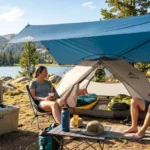
Portable shade canopies and camping tarps provide additional protection around the campsite. They create shaded areas for eating, relaxing, and organizing equipment. A tarp can also be attached between trees or supported with lightweight poles to create a flexible shelter. Choose materials designed for outdoor use and secure them properly against changing weather conditions.
Selecting Reliable Sun Protection Accessories
Look for clothing with a UPF rating, which indicates how effectively fabric blocks ultraviolet radiation. Lightweight and moisture-wicking materials are useful because they help manage sweat while providing coverage. Sunglasses should offer 100% UVA and UVB protection to help protect your eyes from harmful sunlight.
Apply broad-spectrum SPF 30 or higher sunscreen to exposed skin and reapply according to the product instructions, especially after sweating or swimming. Remember that shade alone does not completely eliminate UV exposure because sunlight can reflect from surrounding surfaces.
6. Lightweight Camping Chairs and Outdoor Furniture
Comfortable outdoor furniture can make a summer camping trip more enjoyable. Lightweight folding chairs provide a convenient place to relax, eat meals, and enjoy the surroundings after a long day of hiking. Breathable mesh seating is especially useful during warm weather because it allows air to circulate around the body.
When selecting camping chairs, consider portability, weight capacity, durability, and setup convenience. Some models include cup holders, adjustable reclining positions, and compact carrying bags. Folding tables can also help organize cooking supplies, drinks, and other campsite essentials.
Features That Improve Outdoor Comfort
Mesh-backed chairs are often more comfortable than solid fabric designs during hot weather. They allow better ventilation and can dry more quickly when exposed to moisture. Aluminum frames are another useful feature because they are generally lightweight and convenient to transport.
Choose furniture according to your camping style. Backpackers may prefer compact stools or ultralight chairs, while families traveling by car can carry larger folding furniture. Keeping seating arrangements under a shaded area can further improve comfort during the hottest hours.
7. Portable Solar Chargers and Power Banks
Portable power equipment can make summer camping more convenient, especially when traveling away from established campsites. Smartphones, rechargeable fans, GPS devices, flashlights, and other electronic accessories may require regular charging. A high-capacity power bank provides backup electricity without requiring access to a traditional power outlet.
Solar chargers are another practical option for extended outdoor adventures. Portable solar panels can convert sunlight into electricity for compatible power banks and charging stations. Their usefulness depends on sunlight availability, panel efficiency, orientation, and weather conditions. Campers should check charging specifications before purchasing a solar-powered system.
Choosing the Right Portable Power Equipment
Select a power bank with sufficient capacity for your essential devices. Consider its charging speed, available ports, durability, and compatibility with your electronics. Waterproof or weather-resistant designs can offer additional protection during outdoor use.
For longer trips, a portable solar panel can provide supplementary charging when properly positioned in direct sunlight. Keep electronic equipment protected from excessive heat because high temperatures can damage batteries and reduce their performance. Store power banks according to manufacturer recommendations rather than leaving them inside a hot tent or vehicle.
8. Quick-Drying Camping Clothing and Footwear
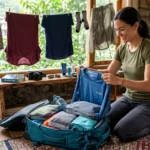
The clothing you pack can significantly influence your comfort during hot-weather camping. Heavy cotton garments may remain damp after sweating, making them uncomfortable during humid conditions. Lightweight synthetic fabrics and moisture-wicking materials are often better choices because they help move sweat away from the skin and dry relatively quickly.
Breathable shirts, lightweight hiking pants, moisture-wicking socks, and comfortable outdoor footwear are useful additions to a summer camping wardrobe. Sandals may be suitable around the campsite, while supportive hiking shoes offer better protection on rocky or uneven trails. Packing an extra set of dry clothing can also make unexpected rain or excessive sweating easier to manage.
What to Wear During Hot-Weather Camping
Choose loose-fitting clothing that provides ventilation without restricting movement. Light-colored garments can help reflect sunlight, while long sleeves and trousers offer additional protection against insects and UV exposure. A breathable hat is another useful accessory for outdoor activities.
Avoid wearing wet clothing for extended periods, particularly when temperatures drop after sunset. Comfortable footwear should provide sufficient grip, cushioning, and support for the terrain you plan to explore. Choosing versatile clothing also helps reduce the amount of luggage you need to carry.
9. Compact Camping Cooking Equipment
Cooking outdoors during hot weather requires equipment that is practical, lightweight, and easy to clean. Portable camping stoves allow campers to prepare meals without building a traditional fire. Compact gas stoves are popular for their simple operation and convenient transportation, while larger camping cooking systems may be suitable for family trips.
A basic summer cooking setup can include a portable stove, lightweight cookware, reusable utensils, and a compact food-storage system. Insulated coolers are particularly useful for keeping perishable foods at safe temperatures. Choose a cooler with suitable insulation and enough storage capacity for your trip.
Keeping Food Fresh in Warm Weather
High temperatures can cause perishable foods to spoil more quickly, making proper food storage especially important. Use a well-insulated cooler with sufficient ice or frozen cooling packs. Keep raw meat separate from ready-to-eat foods and maintain safe food temperatures.
Plan simple meals that require minimal preparation and cooking time. Fresh fruit, vegetables, packaged meals, and other easy-to-store options can help reduce cooking effort. Always follow local fire regulations and use camping stoves outdoors in well-ventilated areas, away from tents and flammable materials.
10. Essential Summer Camping Gear Comparison
Choosing camping equipment becomes easier when you understand the purpose of each item and the features that matter most. The following table highlights useful equipment for warm-weather adventures and explains what to consider before making a purchase.
| Camping Gear | Main Purpose | Important Features |
|---|---|---|
| Breathable tent | Provides comfortable shelter | Mesh panels, ventilation, lightweight design |
| Summer sleeping bag | Supports comfortable sleep | Low insulation, breathable fabric |
| Portable fan | Improves airflow | Rechargeable battery, adjustable speeds |
| Insulated water bottle | Keeps drinking water cool | Insulation, durable construction |
| Shade canopy | Blocks direct sunlight | UV-resistant fabric, stable frame |
| Cooling towel | Provides evaporative cooling | Quick-drying, lightweight material |
| Solar charger | Supplies portable power | Efficient panels, compatible charging |
| Camping chair | Improves seating comfort | Mesh fabric, folding frame |
| Quick-drying clothing | Manages sweat and moisture | Breathable, moisture-wicking material |
| Portable stove | Supports outdoor cooking | Compact size, reliable operation |
The best combination depends on the destination, expected temperatures, trip duration, and available transportation. Backpackers generally benefit from compact and lightweight equipment, while car campers can prioritize larger comfort-focused accessories.
11. How to Prepare for a Safe and Comfortable Summer Camping Trip
Preparing for a summer camping trip involves more than purchasing suitable equipment. Campers should research the destination, check weather forecasts, understand local restrictions, and select a campsite with appropriate shade and access to drinking water. Locations with natural shade and good airflow can make a noticeable difference during hot afternoons.
Plan outdoor activities during cooler periods, such as early mornings and evenings. Take regular breaks, wear appropriate clothing, and avoid unnecessary physical exertion during peak heat. If possible, choose a campsite with access to reliable drinking water and nearby facilities. Always let someone know your travel plans when visiting remote areas.
Heat safety should remain a priority throughout the trip. Watch for warning signs such as dizziness, headache, nausea, unusual weakness, and heavy sweating. Move to a cooler place, stop physical activity, and begin cooling down if symptoms develop. Confusion, fainting, or altered consciousness can indicate a medical emergency and require immediate emergency assistance. Do not rely on portable fans alone to prevent heat-related illness.
Conclusion
Choosing the best camping gear for hot weather can transform a challenging summer outing into a comfortable and enjoyable outdoor experience. Breathable tents, lightweight sleeping bags, portable fans, insulated water bottles, and effective sun protection are among the most useful essentials for warm-weather adventures. These products help campers manage heat, improve sleeping conditions, and make everyday campsite activities more convenient. Selecting equipment based on your destination, travel style, and expected weather conditions is the best way to prepare for a successful trip.
A well-planned camping setup should also include appropriate clothing, reliable hydration equipment, portable cooking supplies, and backup power options. Investing in lightweight and practical accessories can reduce packing difficulties while improving overall comfort. Whether you are exploring a national park, camping beside a lake, or enjoying a weekend in the mountains, the right summer camping equipment helps you spend more time enjoying nature and less time dealing with uncomfortable conditions.
FAQs
1. What Is the Most Important Camping Gear for Hot Weather?
A breathable camping tent, insulated water bottle, sun protection accessories, lightweight sleeping equipment, and portable shade are among the most important essentials. These items help improve comfort and support safer outdoor activities during high temperatures.
2. What Type of Tent Is Best for Summer Camping?
A lightweight tent with large mesh panels, multiple ventilation openings, and breathable construction is generally a good choice. A removable rainfly can provide flexibility when weather conditions change.
3. Do I Need a Sleeping Bag for Summer Camping?
A lightweight summer sleeping bag can be useful when nighttime temperatures become cool. In consistently warm conditions, a breathable camping blanket may provide sufficient coverage.
4. Are Portable Camping Fans Worth Buying?
Portable camping fans can improve airflow inside tents and around seating areas. Rechargeable models are convenient, but fans should not replace shade, hydration, and other heat-safety precautions.
5. How Much Water Should I Bring Camping in Hot Weather?
Water requirements depend on temperature, physical activity, personal needs, and available refill points. Carry sufficient drinking water for the entire journey or confirm that safe refill sources are available.
6. What Clothes Are Best for Hot-Weather Camping?
Lightweight, loose-fitting, moisture-wicking clothing is generally suitable for summer camping. Breathable shirts, quick-drying pants, comfortable hiking shoes, and wide-brimmed hats are useful choices.
7. How Can I Keep My Tent Cool During Summer?
Choose a shaded campsite, use a breathable tent, open ventilation panels when conditions allow, and position the shelter away from direct afternoon sunlight. A reflective rainfly or separate shade tarp can also help reduce direct solar heating.
8. What Is the Best Way to Keep Food Cold While Camping?
Use an insulated cooler with sufficient ice or frozen cooling packs. Keep it closed whenever possible, store it in the shade, and separate raw foods from ready-to-eat items.
9. Is Solar Camping Gear Useful During Summer?
Yes. Portable solar panels can help recharge compatible power banks and electronic devices when adequate sunlight is available. Their performance depends on panel quality, sunlight exposure, and charging requirements.
10. How Can Beginners Prepare for Summer Camping?
Beginners should start with a short camping trip and pack essential shelter, sleeping equipment, water, food, sun protection, suitable clothing, and a first-aid kit. Checking the weather and campsite facilities before departure also helps prevent common problems.
