




























Best Travel Clothes for Walking Tours: A Complete Guide to Comfortable Sightseeing Outfits

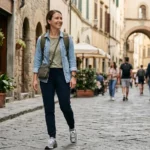
Exploring a new destination on foot is one of the best ways to experience its culture, architecture, local neighborhoods, and everyday atmosphere. Whether you are walking through historic European streets, discovering charming coastal towns, visiting famous landmarks, or exploring busy city centers, walking tours allow you to experience places at your own pace. However, spending several hours outdoors requires clothing that provides comfort, flexibility, and protection. Choosing the best travel clothes for walking tours can make a significant difference in how enjoyable your sightseeing experience becomes.
Unlike ordinary travel outfits, walking tour clothing needs to handle extended movement, changing temperatures, unexpected weather, and different types of terrain. Breathable shirts, lightweight pants, comfortable layers, supportive shoes, and practical accessories can help travelers stay comfortable throughout the day. The ideal clothing combination also depends on the destination, season, and length of the walking tour. By selecting versatile pieces that are easy to pack and comfortable to wear, travelers can enjoy sightseeing without worrying about uncomfortable outfits or unnecessary luggage.
Why Choosing the Right Travel Clothes for Walking Tours Matters
Walking tours often involve several hours of continuous movement, making clothing comfort an important part of travel planning. Travelers may walk across cobblestone streets, climb stairs, explore museums, visit outdoor attractions, and stop at restaurants throughout the same day. Clothing that feels comfortable during a short outing may become restrictive or uncomfortable after several hours. Choosing lightweight materials and flexible designs helps make long sightseeing days easier.
Another important factor is adaptability. Weather conditions can change during a walking tour, particularly when travelers explore destinations with cooler mornings, warm afternoons, or unexpected rainfall. Wearing versatile clothing that works in different conditions allows visitors to adjust without carrying too many additional items. Practical travel outfits should also look appropriate for different activities, from casual sightseeing to visiting restaurants and cultural attractions. A well-planned wardrobe combines comfort, convenience, and personal style while making the most of limited packing space.
Best Breathable Shirts for Walking Tours
Breathable shirts are among the most important clothing items for travelers who spend long hours exploring destinations on foot. Walking increases body temperature, especially during warm weather or when sightseeing involves hills and stairs. Shirts made from lightweight and moisture-wicking fabrics can help manage perspiration and improve comfort throughout the day. Polyester blends, lightweight nylon fabrics, and merino wool are popular choices for travelers who want practical clothing that dries relatively quickly.
Short-sleeve shirts are suitable for warm-weather city tours, while long-sleeve options provide additional coverage when visiting sunny destinations. Travelers can also choose lightweight button-down shirts that look slightly more polished while remaining comfortable. Neutral colors such as navy, beige, gray, and white are easy to coordinate with different pants and jackets. Choosing shirts with comfortable seams, relaxed fits, and breathable construction helps prevent unnecessary discomfort during extended walking activities.
Best Lightweight Pants for Travel and Walking Tours
Lightweight travel pants are a practical choice for walking tours because they provide flexibility without adding unnecessary weight to a travel wardrobe. Travelers often spend hours moving between attractions, sitting in cafés, and using public transportation. Pants made from stretch fabrics can support these different activities while offering a comfortable fit. Nylon and polyester blends are useful options because they are often lightweight, durable, and relatively quick-drying.
Wrinkle-resistant travel pants are particularly convenient for people who pack light or travel between multiple destinations. They can be worn repeatedly with different shirts and outerwear, helping reduce the number of clothing items needed. Some travelers also prefer lightweight joggers or relaxed-fit trousers for casual sightseeing. The most suitable style depends on the destination and personal preferences, but comfort around the waist, knees, and hips should always be a priority. Full-length pants can also provide useful protection against sunlight and insects during outdoor walking tours.
Best Comfortable Walking Shoes for Travel
Footwear is one of the most important parts of a walking tour outfit because uncomfortable shoes can quickly affect the entire sightseeing experience. Travelers may walk several miles in a single day while exploring historic neighborhoods, shopping streets, parks, and popular attractions. Comfortable walking shoes with supportive cushioning, a secure fit, and reliable traction can make these activities much easier. Lightweight sneakers are a popular choice because they combine everyday style with practical comfort.
When selecting travel footwear, travelers should consider the walking surface and expected weather conditions. Breathable shoes are useful in warm destinations, while water-resistant options can be more practical in rainy environments. Shoes with flexible soles and adequate support are particularly valuable for walking on uneven streets and hard surfaces. It is also important to wear new shoes before departure rather than introducing unfamiliar footwear during a long sightseeing day. Properly fitted shoes and comfortable socks can help reduce friction and make extended walking more enjoyable.
Best Lightweight Jackets and Layers for Walking Tours
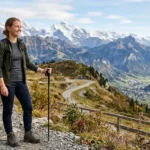
Layering is a useful strategy for travelers who explore destinations with changing temperatures throughout the day. Early mornings may feel cool, while afternoons can become warmer, especially when walking through sunny streets. A lightweight jacket, cardigan, or packable windbreaker provides an additional layer without making luggage unnecessarily heavy. These clothing items can also be removed easily when temperatures rise.
Travelers should choose outerwear according to the season and destination. A lightweight windbreaker can provide protection from breezy conditions, while a water-resistant jacket is useful when rain is possible. During colder months, a fleece layer or insulated jacket may be more suitable. Neutral-colored outerwear is especially practical because it can coordinate with different travel outfits. Choosing jackets with comfortable sleeves, functional pockets, and easy-to-pack construction can improve convenience during sightseeing.
Best Travel Dresses and Skirts for Walking Tours
Dresses and skirts can be excellent clothing options for travelers who want comfortable sightseeing outfits with a more stylish appearance. Lightweight dresses made from breathable fabrics are especially useful in warm destinations because they allow comfortable movement and can be worn with supportive walking shoes. Casual midi dresses, relaxed shirt dresses, and simple travel dresses are versatile options that work for sightseeing, restaurant visits, and casual evening activities.
Travel skirts also provide flexibility when chosen carefully. Stretch waistbands, lightweight materials, and comfortable lengths can make them suitable for extended walking. However, travelers should consider the amount of movement required during their planned activities. Skirts that are too tight or dresses that require constant adjustment may become inconvenient during long tours. Choosing comfortable designs that provide adequate coverage and pair well with sneakers or walking sandals helps create practical sightseeing outfits.
Best Fabrics for Travel Clothes During Walking Tours
Fabric selection plays an important role in determining how comfortable travel clothes feel during extended sightseeing. Lightweight materials that allow airflow and manage moisture are particularly useful when travelers spend several hours walking outdoors. Polyester and nylon blends are common in travel clothing because they are generally durable, lightweight, and quick-drying. These materials can be helpful for travelers who want practical outfits that remain comfortable during active days.
Merino wool is another popular material because it offers temperature regulation, moisture management, and natural odor resistance. It can be a useful option for travel shirts, socks, and lightweight base layers. Linen is particularly attractive for warm-weather destinations because of its breathable construction and relaxed appearance. Cotton also feels comfortable in many everyday situations, although it generally holds moisture longer than technical fabrics. Travelers should select materials according to the destination’s climate, planned activities, and personal comfort preferences.
Best Travel Clothes for Walking Tours in Different Seasons
Seasonal conditions can significantly influence the type of clothing travelers should pack for walking tours. Summer sightseeing often involves warm temperatures, direct sunlight, and increased perspiration. Lightweight shirts, breathable pants, comfortable shorts, and sun-protective clothing are practical choices. Travelers should also consider sunglasses and hats to help protect themselves from direct sunlight during extended outdoor activities.
Spring and autumn require more flexible clothing because temperatures can change throughout the day. A breathable shirt combined with lightweight pants and a packable jacket provides a useful combination for these seasons. Travelers can add or remove layers depending on the weather without changing their entire outfit. Comfortable sneakers and lightweight accessories also help maintain flexibility when exploring different neighborhoods and attractions.
Winter walking tours require additional attention to insulation and weather protection. Thermal base layers, warm trousers, insulated jackets, scarves, gloves, and suitable socks can help maintain comfort in colder conditions. Water-resistant footwear may also be useful in destinations that experience rain, snow, or wet streets. Rather than wearing one extremely heavy outfit, travelers can use multiple layers to adjust their clothing as temperatures change during the day.
Essential Accessories to Wear During Walking Tours
Accessories can improve both the convenience and comfort of a walking tour. A lightweight backpack or crossbody bag provides space for essential items such as a water bottle, phone, wallet, sunscreen, and travel documents. Travelers should choose bags with comfortable straps and secure compartments to keep personal belongings organized while exploring crowded destinations.
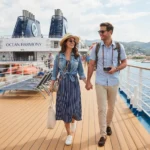
Sunglasses and a comfortable hat are useful accessories for sunny weather. A wide-brimmed hat or lightweight cap can provide additional shade during outdoor sightseeing, while quality sunglasses help reduce glare. A lightweight scarf can also be practical because it offers extra warmth in cooler weather and can complement different travel outfits. In destinations with unpredictable rainfall, a compact umbrella or packable rain jacket may be worth carrying.
Comfortable socks are another important accessory that travelers should not overlook. Moisture-wicking socks can help manage perspiration, while cushioned designs may improve comfort during longer walks. Travelers should also consider carrying a small amount of blister protection if they expect to spend several hours exploring on foot. Practical accessories make sightseeing easier without requiring excessive luggage.
How to Pack Travel Clothes for a Walking Tour
Packing efficiently helps travelers prepare for walking tours without carrying unnecessary clothing. The first step is checking the destination’s weather forecast and identifying the activities planned for each day. A traveler visiting a warm European city will need a different clothing combination from someone exploring a cold mountain town. Considering the climate, walking distance, and expected dress requirements helps create a more useful packing list.
Versatile clothing is particularly valuable for travelers with limited luggage space. Neutral-colored shirts, comfortable pants, and lightweight jackets can be combined in several ways to create different outfits. Wrinkle-resistant fabrics and quick-drying materials are also practical because they can simplify clothing care during longer trips. Instead of packing a separate outfit for every sightseeing activity, travelers can choose pieces that work for multiple occasions.
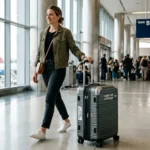
A practical packing strategy also includes selecting suitable footwear and accessories. Shoes should be comfortable enough for the expected walking distance, and travelers should avoid bringing several pairs that serve exactly the same purpose. Packing clothing in lightweight organizers can make it easier to separate clean outfits from worn items. Keeping essential accessories in an easily accessible bag also saves time during busy sightseeing days.
Common Mistakes to Avoid When Choosing Walking Tour Outfits
One common mistake is prioritizing appearance over comfort. Stylish clothing may look attractive in travel photographs, but tight pants, restrictive shirts, and uncomfortable footwear can make long sightseeing days difficult. Travelers should choose outfits that allow natural movement and feel comfortable throughout the day. Testing clothing and footwear before departure can help identify potential problems before they affect the trip.
Another mistake is packing clothing that does not match the destination’s weather. Heavy fabrics can become uncomfortable in warm climates, while lightweight summer clothing may not provide enough protection during colder months. Checking seasonal temperatures and preparing suitable layers helps travelers avoid unnecessary discomfort. It is also important to consider rain, humidity, sunlight, and wind when selecting outerwear and footwear.
Ignoring practical details can also create problems during walking tours. Clothing without secure pockets may make it difficult to carry small essentials, while poorly fitted shoes can cause friction and discomfort. Travelers should also avoid overpacking accessories and clothing items that serve the same purpose. A balanced wardrobe that combines comfort, practicality, and versatility is usually the most effective choice for extended sightseeing.
Conclusion
Choosing the best travel clothes for walking tours can make sightseeing more comfortable, enjoyable, and convenient. Breathable shirts, lightweight pants, supportive walking shoes, versatile jackets, and suitable accessories are important parts of a practical travel wardrobe. The right fabrics and clothing designs help travelers stay comfortable while exploring different destinations, walking across uneven streets, visiting attractions, and enjoying outdoor experiences. Seasonal conditions should also influence clothing choices, as warm-weather sightseeing requires different outfits from winter city tours.
A successful walking tour wardrobe does not need to be complicated or expensive. Travelers can create practical outfits by selecting versatile clothing, choosing comfortable footwear, and packing lightweight layers that work together. Checking the weather, considering planned activities, and avoiding unnecessary luggage can make travel preparation easier. Whether exploring historic cities, coastal destinations, or busy urban neighborhoods, comfortable clothing allows travelers to focus on discovering new places and creating unforgettable travel memories.
FAQs
1. What Are the Best Travel Clothes for Walking Tours?
The best travel clothes for walking tours include breathable shirts, lightweight pants, comfortable walking shoes, and versatile jackets. Moisture-wicking fabrics and flexible designs help travelers stay comfortable during extended sightseeing.
2. What Shoes Should I Wear for a Walking Tour?
Supportive walking sneakers or comfortable trail shoes are excellent choices for most walking tours. Look for cushioned soles, breathable materials, a secure fit, and reliable traction.
3. Are Leggings Good for Walking Tours?
Yes, comfortable leggings can be suitable for walking tours because they offer flexibility and freedom of movement. Choose breathable, supportive materials that remain comfortable throughout the day.
4. What Should I Wear for a Walking Tour in Summer?
Summer walking tour outfits should include breathable shirts, lightweight pants or shorts, comfortable sneakers, and sun-protective accessories. A lightweight hat and sunglasses can provide additional protection.
5. Are Jeans Suitable for Travel Walking Tours?
Lightweight stretch jeans can work for shorter walking tours and mild weather. However, flexible travel pants are often more comfortable for extended sightseeing because they can offer better breathability and freedom of movement.
6. What Is the Best Fabric for Walking Tour Clothing?
Polyester, nylon, merino wool, and linen are useful fabric choices depending on the climate. Quick-drying synthetic materials work well for active sightseeing, while linen is particularly suitable for warm destinations.
7. How Many Outfits Should I Pack for a Weekend Walking Tour?
For a weekend trip, two or three shirts, two bottoms, one lightweight jacket, comfortable footwear, and suitable accessories are generally sufficient. Choosing versatile pieces makes it easier to create different combinations.
8. How Can I Stay Comfortable During Long Walking Tours?
Wear properly fitted shoes, breathable clothing, and moisture-wicking socks. Carry water, take regular breaks, and dress according to the weather to maintain comfort throughout the day.
9. Should I Wear a Backpack During a Walking Tour?
A lightweight backpack or comfortable crossbody bag can be useful for carrying water, sunscreen, personal belongings, and travel essentials. Choose a secure design that does not create unnecessary strain.
10. What Should I Wear for Walking Tours in Cold Weather?
Cold-weather walking outfits should include thermal base layers, comfortable pants, an insulated jacket, warm socks, and supportive shoes. Gloves, scarves, and hats can provide additional warmth.
