




























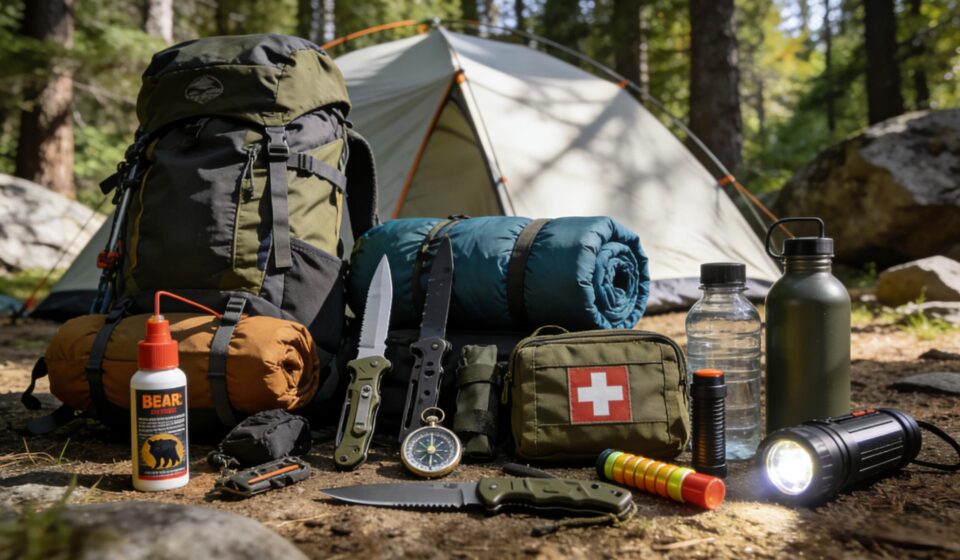
Best Camping Gear for Car Camping: Essential Equipment for a Comfortable Outdoor Adventure

Choosing the best camping gear for car camping can make a significant difference in how comfortable, convenient, and enjoyable your outdoor adventure becomes. Unlike backpacking, where every item must fit inside a lightweight pack, car camping allows you to bring larger equipment, extra supplies, and useful accessories. This additional storage space gives you the freedom to create a comfortable campsite without sacrificing the excitement of spending time in nature.
Whether you are planning a weekend getaway, a family camping holiday, or a peaceful escape with friends, having the right equipment helps you prepare for different outdoor conditions. From spacious tents and comfortable sleeping bags to portable cooking equipment and reliable lighting, every item serves an important purpose. Understanding which essentials deserve space in your vehicle can help you avoid unnecessary purchases while making your camping experience more relaxing.
1. Choosing the Best Tent for Car Camping
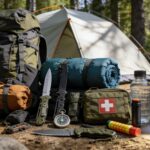
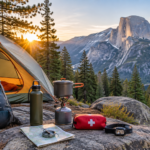
A reliable tent is one of the most important investments when selecting the best camping gear for car camping. Since you do not need to carry your shelter over long distances, you can choose a larger tent that provides additional sleeping space, headroom, and storage. Family-sized tents, cabin tents, and traditional dome tents are popular options because they offer different combinations of comfort, weather protection, and convenience. Before purchasing, consider the number of people who will sleep inside and allow extra room for personal belongings.
Weather resistance is another important factor when comparing camping tents. Look for durable materials, strong poles, quality zippers, sealed seams, and a waterproof rainfly. A tent with adequate ventilation can reduce condensation and make sleeping more comfortable during warm weather. If you regularly camp in changing conditions, choose a design with a sturdy frame and reliable rain protection. Practicing the setup process at home can also save time and frustration when you arrive at your campsite.
Features to Consider Before Buying a Camping Tent
The ideal tent should balance sleeping capacity, durability, ventilation, and setup convenience. A larger tent may provide more comfort, but it also requires additional campsite space and storage room in your vehicle. Cabin-style designs often provide vertical walls and generous interior space, while dome tents are generally easier to manage and can offer good stability. Consider the conditions in which you expect to camp rather than choosing a tent based only on its advertised capacity.
2. Comfortable Sleeping Gear for Better Rest
A comfortable sleeping arrangement can transform an ordinary camping trip into a relaxing outdoor experience. Sleeping bags, inflatable mattresses, sleeping pads, and camping cots are among the most useful items to include in your equipment collection. Since car camping provides additional storage flexibility, you can prioritize comfort instead of selecting the smallest possible sleeping system. A thick sleeping pad or inflatable mattress can provide better cushioning against uneven ground and help you enjoy a more restful night.
Choosing the right sleeping bag depends on expected nighttime temperatures and seasonal conditions. Temperature ratings can help you compare different models, but remember that individual comfort levels vary. For warmer destinations, a lightweight sleeping bag with breathable fabric may be sufficient. Colder environments require better insulation and appropriate temperature protection. Consider bringing pillows, blankets, and extra layers to create a sleeping arrangement that feels more like home.
How to Create a Comfortable Camping Bed
Start by selecting a flat campsite without rocks, roots, or sharp objects underneath your sleeping area. Place a groundsheet or suitable protective layer beneath your sleeping system when appropriate. An insulated sleeping pad can improve comfort while helping reduce heat loss to the ground. If your vehicle has enough room, a camping cot may also provide an elevated sleeping surface that makes getting in and out of bed easier.
3. Portable Camping Kitchen and Cooking Equipment
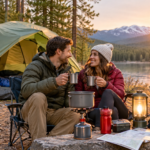
Preparing meals outdoors is one of the most enjoyable parts of car camping. A portable camping stove allows you to prepare breakfast, lunch, and dinner without relying on campfires. Compact two-burner stoves are particularly useful for families and groups because they allow multiple dishes to cook simultaneously. You should also pack suitable fuel, cookware, cooking utensils, plates, cups, and basic cleaning supplies to create a practical outdoor kitchen.
A cooler or portable refrigerator can help keep perishable food and drinks at appropriate temperatures. Choose a cooler with sufficient capacity for your trip length and group size. Reusable food containers, airtight bags, and storage boxes can make meal organization easier while protecting ingredients from dirt and insects. Remember to follow local food-storage rules, especially in areas where wildlife may be attracted to food smells.
Essential Cooking Accessories for Outdoor Meals
Your cooking setup does not need to be complicated to be effective. A small collection of versatile equipment can handle most camping meals while keeping your packing organized. Consider bringing a cutting board, a sharp kitchen knife with a protective cover, a spatula, a cooking pot, reusable utensils, dish soap, a sponge, and trash bags. Always use camping stoves according to manufacturer instructions and keep cooking equipment away from tent entrances and enclosed sleeping spaces.
4. Reliable Lighting and Portable Power Solutions
Good lighting is essential for preparing meals, organizing equipment, finding belongings, and moving safely around your campsite after sunset. LED camping lanterns provide convenient general lighting, while headlamps offer hands-free illumination for nighttime activities. Rechargeable lanterns are useful because they reduce the need for disposable batteries, although carrying spare power or batteries is still a sensible precaution. Consider choosing lights with adjustable brightness to conserve energy when full illumination is unnecessary.
Portable power stations and power banks can make car camping more convenient, especially during longer trips. They can recharge phones, cameras, GPS devices, and other compatible electronics. When comparing power stations, consider battery capacity, output ports, charging methods, and the energy requirements of your equipment. Solar panels may provide an additional charging option in sunny conditions, but their performance depends on weather, sunlight, and panel placement.
Keeping Electronics Powered During Camping Trips
Before leaving home, charge your electronic devices and check the condition of charging cables and batteries. Download offline maps and important travel information in case mobile coverage is unavailable. Keep power banks in a suitable storage location and protect electronic equipment from rain, dust, and excessive heat. Avoid depending entirely on electronic devices for navigation or emergencies; a traditional flashlight, paper map, and basic emergency supplies remain valuable backups.
5. Camping Furniture and Outdoor Comfort Accessories
Camping furniture is one of the biggest advantages of car camping because you have room to transport larger and more comfortable equipment. Folding chairs provide convenient seating around the campsite, while portable tables create a useful surface for preparing food, playing games, and organizing supplies. Some chairs include cup holders, adjustable backrests, and storage pockets, making them particularly practical for longer outdoor stays.
Additional comfort accessories can improve your campsite without requiring complicated arrangements. A portable shade canopy can protect you from direct sunlight, while outdoor rugs help reduce dirt around your tent entrance. Compact hammocks are useful for relaxing between activities, provided suitable trees and safe hanging conditions are available. When choosing furniture, pay attention to weight capacity, folded dimensions, material quality, and setup requirements.
Creating a Functional Outdoor Living Space
Organizing your campsite into separate areas can make daily activities easier. Keep sleeping equipment inside the tent, cooking supplies near the designated food preparation area, and chairs around a comfortable seating space. Store frequently used accessories where they are easy to reach. This simple arrangement reduces unnecessary movement and helps everyone in your camping group understand where important supplies belong.
6. Safety, Navigation, and Emergency Camping Supplies
Safety equipment should always be part of your car camping checklist, regardless of whether you are visiting an established campground or a more remote destination. A well-stocked first aid kit can help you handle minor cuts, blisters, and common outdoor injuries. Include personal medications, bandages, antiseptic supplies, medical tape, tweezers, and other appropriate essentials. Check expiration dates before departure and make sure someone in your group knows where the kit is stored.
Navigation and communication equipment are equally important. A GPS device or smartphone with offline maps can help you identify routes and locate nearby facilities, but network coverage is not guaranteed everywhere. A physical map and compass provide useful alternatives. Pack drinking water, a water treatment method when appropriate, insect repellent, sunscreen, weather-appropriate clothing, and emergency blankets. Check local camping regulations and weather forecasts before beginning your journey.
Important Safety Habits for Car Campers
Always inform someone about your destination and expected return time when visiting remote areas. Follow campground fire regulations and never leave an active campfire unattended. Store food and scented products according to local wildlife guidance, and keep emergency equipment accessible rather than buried beneath luggage. A little preparation can reduce avoidable risks and help you enjoy your outdoor adventure with greater confidence.
Essential Car Camping Gear Comparison Table
The following table provides an overview of useful equipment, its main purpose, and the situations in which it becomes particularly valuable.
| Camping gear | Main purpose | Best for |
|---|---|---|
| Spacious camping tent | Shelter and protection | Families and groups |
| Sleeping bag | Warmth and comfort | Overnight stays |
| Inflatable mattress | Sleeping support | Comfortable camping |
| Portable camping stove | Outdoor cooking | Meal preparation |
| Camping cooler | Food storage | Weekend trips |
| LED lantern | Campsite illumination | Nighttime activities |
| Headlamp | Hands-free lighting | Walking after dark |
| Portable power station | Charging electronics | Extended trips |
| Folding camping chairs | Comfortable seating | Relaxation |
| First aid kit | Basic emergency care | Every camping trip |
| Water containers | Drinking water storage | Remote campsites |
| Weatherproof storage boxes | Equipment organization | Family car camping |
7. Smart Packing and Storage Solutions for Car Camping
Organized packing makes it easier to find equipment and use your vehicle’s available space efficiently. Storage bins, waterproof bags, and compartmentalized organizers can keep camping supplies separated according to their purpose. For example, one container can hold cooking equipment, another can store lighting and electronics, and a separate bag can contain sleeping accessories. Clear storage containers are particularly useful because they allow you to identify supplies without opening every box.
Before loading your vehicle, create a checklist based on your destination, expected weather, group size, and trip duration. Place heavier equipment securely toward the bottom and distribute weight appropriately according to your vehicle manufacturer’s guidance. Keep emergency supplies, drinking water, and frequently used items accessible. Avoid blocking your view through windows or interfering with vehicle safety equipment. A well-organized vehicle makes campsite setup quicker and helps prevent forgotten essentials.
How to Avoid Overpacking
Car camping provides extra storage, but bringing too much equipment can still make your trip unnecessarily complicated. Choose multipurpose items whenever possible, such as cookware that can prepare several types of meals or a lantern that also functions as a power bank. Check what facilities your campground already provides before packing duplicate equipment. Prioritize items that improve safety, shelter, sleeping comfort, and food preparation, then add optional accessories according to your available space.
Conclusion
Finding the best camping gear for car camping starts with understanding your personal needs, destination, weather conditions, and available vehicle storage. A reliable tent, comfortable sleeping system, portable cooking equipment, dependable lighting, and suitable safety supplies form the foundation of a successful outdoor adventure. Additional items such as folding chairs, camping tables, portable power stations, and organized storage containers can make your experience even more enjoyable. Investing in durable, practical equipment can also help you prepare for many future camping trips.
The most effective approach is to build your camping collection gradually rather than purchasing everything at once. Start with essential equipment that protects you from weather, provides comfortable sleep, and supports safe meal preparation. As you gain experience, you can identify which accessories genuinely improve your outdoor lifestyle. With thoughtful preparation and the right equipment, car camping can become an affordable, comfortable, and memorable way to explore natural destinations with family and friends.
FAQs About the Best Camping Gear for Car Camping
1. What camping gear is essential for car camping?
The most important essentials include a reliable tent, sleeping bags, sleeping pads, a portable stove, cooking utensils, drinking water, lighting, and a first aid kit. You should also bring suitable clothing, food storage containers, and weather protection equipment.
2. What size tent is best for car camping?
The best tent size depends on the number of campers and the amount of interior storage space you need. A tent advertised for four people may feel more comfortable for two or three people with luggage. Families should consider larger models with separate sleeping areas.
3. Is car camping more comfortable than backpacking?
Car camping generally offers more opportunities for comfort because you can transport larger tents, thicker mattresses, portable furniture, and additional cooking equipment. Backpacking requires lighter and more compact supplies because campers carry everything themselves.
4. What should I use for sleeping during car camping?
An inflatable camping mattress, sleeping pad, or camping cot can provide a comfortable sleeping surface. Combine your sleeping arrangement with a suitable sleeping bag, pillow, and blankets according to the expected nighttime temperature.
5. Do I need a portable power station for car camping?
A portable power station is not essential for every trip, but it can be helpful for charging phones, cameras, lights, and compatible electronic devices. It is particularly useful when visiting campgrounds without electrical connections.
6. How do I keep food fresh while car camping?
Use an appropriately sized cooler with sufficient ice or a powered portable refrigerator. Store food in sealed containers, separate raw ingredients from ready-to-eat meals, and follow safe food-storage temperatures. Always follow local wildlife food-storage requirements.
7. What cooking equipment should I bring for car camping?
A portable camping stove, compatible fuel, cookware, cooking utensils, plates, cups, a cutting board, and cleaning supplies are useful essentials. Choose equipment according to the meals you intend to prepare and the campground’s cooking regulations.
8. How can I organize camping gear inside my car?
Use storage bins, labeled bags, and separate containers for cooking equipment, sleeping accessories, clothing, and emergency supplies. Secure heavy items properly and keep essential safety equipment easily accessible during the journey.
9. What additional accessories make car camping more enjoyable?
Folding chairs, portable tables, outdoor rugs, hammocks, shade canopies, rechargeable lanterns, and compact fans can improve campsite comfort. Select accessories based on your destination, weather, and available vehicle space.
10. How much camping gear should beginners purchase?
Beginners should start with essential shelter, sleeping, cooking, lighting, water, and safety equipment. Additional accessories can be purchased gradually after gaining experience and identifying which products are genuinely useful for their camping style.
