































Best Camping Gear for Family Vacations: A Complete Guide to Comfortable Outdoor Adventures

Choosing the best camping gear for family vacations can make the difference between a stressful outdoor experience and a memorable adventure. Whether you are planning a weekend at a nearby campground or an extended camping trip through the mountains, having the right equipment helps your family stay comfortable, organized, and prepared for changing weather conditions. From spacious tents to reliable cooking supplies, every essential item contributes to a more enjoyable experience in nature.
Family camping offers an opportunity to disconnect from everyday routines, explore beautiful landscapes, and spend meaningful time together. However, traveling with children requires additional planning because their comfort, safety, and entertainment become important priorities. Investing in practical camping equipment allows parents to focus on enjoying the trip rather than worrying about missing supplies or uncomfortable sleeping arrangements.
1. Choosing the Best Camping Tent for Family Vacations
A spacious and weather-resistant tent is one of the most important investments for a successful family camping trip. Unlike solo camping equipment, family tents must provide enough room for everyone to sleep comfortably while accommodating clothing, backpacks, and other essential supplies. A tent advertised for six people may comfortably accommodate only four family members when additional storage space is needed.
When choosing a family tent, consider its sleeping capacity, waterproof construction, ventilation, and ease of setup. A tent with multiple doors, interior pockets, and a covered entrance can make everyday camping activities more convenient. Families camping in areas with unpredictable weather should prioritize sturdy poles, reliable rain protection, and a secure design that can withstand moderate wind.
Selecting a Tent for Different Family Sizes
The ideal tent depends on the number of travelers, the ages of the children, and the length of the vacation. A family of four may prefer a six-person tent for additional space, while larger families might need an eight-person model or two connected tents. Families with young children may benefit from a tent with separate sleeping areas that provide privacy and help everyone maintain a comfortable bedtime routine.
For road trips, a larger cabin-style tent can offer excellent comfort because storage space is less restricted. Families who frequently change campsites may prefer a lightweight tent with a straightforward setup process. Practicing assembly at home before departure can save valuable time and prevent unnecessary frustration when arriving at a campground after sunset.
2. Comfortable Sleeping Gear for Every Family Member
Quality sleeping equipment is essential for getting enough rest during a camping vacation. After a day of hiking, swimming, or exploring nature, family members need a comfortable place to sleep and recover. Sleeping bags, insulated sleeping pads, and supportive pillows can help create a more restful environment, especially when nighttime temperatures drop.
The best sleeping gear should match the expected weather conditions and the sleeping preferences of each family member. Children may require smaller sleeping bags that retain warmth effectively, while adults may prefer wider designs with additional room to move. Selecting appropriate equipment helps prevent discomfort and makes it easier for everyone to enjoy the following day’s activities.
Understanding Sleeping Bags and Sleeping Pads
Sleeping bags are available in different temperature ratings, shapes, and insulation materials. Families should choose bags according to the lowest temperatures they reasonably expect during their trip rather than relying only on daytime weather forecasts. A sleeping bag that is too warm can become uncomfortable, while one that provides insufficient insulation may lead to restless nights.
Sleeping pads provide cushioning and help reduce heat loss through the ground. Inflatable pads are often convenient for families because they can be packed into compact storage spaces, while foam pads offer a simple alternative that does not require inflation. Pairing suitable sleeping bags with insulated pads and comfortable pillows creates a practical sleeping arrangement for children and adults.
3. Family Camping Cooking Equipment and Food Storage
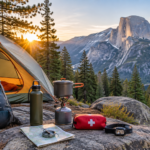
Preparing meals at a campsite can become one of the most enjoyable parts of a family vacation. A reliable camping stove, reusable cookware, and practical food storage supplies make it easier to prepare breakfast, lunch, and dinner without depending on restaurants. Families can also involve children in simple meal preparation, creating opportunities to develop useful outdoor skills.
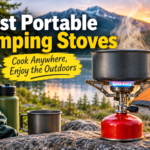
The right cooking equipment depends on the campsite’s facilities and the types of meals your family plans to prepare. A portable stove may be sufficient for basic cooking, while larger families might prefer a two-burner model that allows multiple dishes to be prepared simultaneously. Always check campground fire regulations before choosing equipment that uses an open flame.
Organizing a Practical Campsite Kitchen
A well-organized camping kitchen should include appropriate cookware, eating utensils, reusable plates, drinking containers, and cleaning supplies. Lightweight materials are useful for families who need to transport equipment between campsites. A designated cooking area also helps keep food preparation separate from sleeping arrangements and reduces unnecessary clutter around the tent.
Food storage is equally important, particularly during warm weather or in areas where wildlife may be present. Insulated coolers can help preserve perishable foods when used with sufficient ice or suitable cooling packs. Families should follow local food-storage requirements and keep food, rubbish, and scented products secured according to campground wildlife guidance.
4. Essential Camping Furniture for Family Comfort
Camping furniture can significantly improve the comfort of a family campsite. Although some travelers prefer minimalist camping, families often appreciate having folding chairs, a portable table, and a sheltered area where everyone can eat, play, or relax. These items create a more organized environment and help make longer camping vacations feel less tiring.
When selecting camping furniture, prioritize stability, durability, and ease of transportation. Folding chairs should support the intended user’s weight and provide comfortable seating for extended periods. A portable table with adjustable legs can be particularly useful when the ground is uneven or when children need a convenient place for meals and activities.
Creating a Comfortable Outdoor Living Space
A camping shelter or tarp can provide additional shade during sunny afternoons and protection from light rain. Families spending several days outdoors may appreciate having a separate area for cooking, eating, or relaxing outside the tent. Properly securing the shelter and positioning it away from potential hazards can help create a safer and more comfortable campsite.
Portable lighting also contributes to a convenient outdoor living space. Battery-powered lanterns can illuminate the dining area, while individual headlamps allow family members to move around after dark without carrying a flashlight. Choosing equipment with adjustable brightness and dependable battery life helps families manage nighttime activities more easily.
5. Safety Equipment and First-Aid Supplies for Family Camping
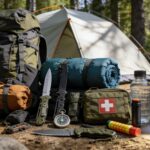
Safety should remain a priority throughout every family camping vacation. A well-prepared first-aid kit, dependable navigation tools, and suitable clothing help families respond to minor injuries and unexpected weather changes. Parents should also consider the specific needs of their children, including any personal medications or other essential supplies required during the trip.
Before leaving home, review the campground’s facilities, emergency procedures, and local environmental conditions. Families camping in remote areas should understand how to contact emergency services and identify the nearest appropriate medical assistance. Sharing the itinerary with a trusted person and carrying a charged phone or suitable emergency communication device can provide additional reassurance.
Building a Family-Friendly Camping Safety Kit
A practical first-aid kit should contain basic wound-care supplies, antiseptic products, disposable gloves, and any other appropriate items for the family’s needs. Parents should check expiration dates before departure and ensure that essential medications remain accessible throughout the trip. Children should also learn simple safety rules, such as staying within designated campsite boundaries and informing an adult before exploring.
Weather preparation is another important part of camping safety. Rain jackets, warm layers, sun protection, and appropriate footwear help family members remain comfortable when conditions change. Families should monitor local forecasts, recognize signs of severe weather, and follow campground instructions if they need to move to a safer location.
6. Choosing Camping Gear According to Your Family’s Needs
The best camping equipment is not necessarily the most expensive or the most advanced. Families should focus on products that solve practical problems, match their camping environment, and provide reliable performance over multiple trips. A simple, well-organized collection of essential equipment can be more useful than a large assortment of accessories that rarely leave the storage area.
Before purchasing new gear, review the equipment your family already owns. Sleeping bags, backpacks, cooking supplies, and suitable outdoor clothing may be reusable for several seasons. Buying only the missing essentials helps control expenses and prevents unnecessary duplication, particularly for families who are trying camping for the first time.
Essential Camping Gear Comparison
| Camping equipment | Main purpose | Important feature |
|---|---|---|
| Family tent | Shelter and sleeping space | Weather resistance and suitable capacity |
| Sleeping bags | Warmth during the night | Appropriate temperature rating |
| Sleeping pads | Comfort and insulation | Adequate cushioning |
| Camping stove | Preparing meals | Reliable operation and suitable fuel |
| Cooler | Keeping food chilled | Effective insulation |
| Folding chairs | Comfortable outdoor seating | Stability and portability |
| Lanterns and headlamps | Nighttime visibility | Dependable battery life |
| First-aid kit | Basic injury care | Supplies suited to family needs |
This comparison can help families identify the most important purchases before their trip. Equipment priorities may change according to the season, campsite facilities, and transportation arrangements. For example, families traveling by car may have room for larger furniture, while those carrying equipment on foot should prioritize compact and lightweight supplies.
7. Packing and Organizing Camping Gear for Family Vacations
Packing efficiently helps families avoid unnecessary stress when arriving at a campground. Instead of placing every item into one large bag, organize equipment according to its purpose. Separate containers for sleeping supplies, cooking equipment, clothing, and personal essentials make it easier to locate items without unpacking everything.
Families with children may find it helpful to prepare individual clothing bags and personal gear containers. Keeping frequently used items, such as water bottles, rain jackets, and snacks, within easy reach can also make daily activities more convenient. Before departure, confirm that essential supplies are packed and that heavier equipment is secured safely during transportation.
Preparing for Different Camping Environments
Camping gear requirements can vary considerably between established campgrounds, forest campsites, and remote outdoor locations. Developed campgrounds may provide drinking water, toilets, picnic tables, and electrical connections, reducing the amount of equipment families need to bring. Remote camping locations may require additional water storage, navigation supplies, and emergency equipment.
Seasonal conditions should also influence packing decisions. Summer camping may require additional shade, sun protection, and effective food cooling, while colder trips demand better insulation and weather-resistant clothing. Families should research their destination carefully and adapt their equipment to the expected conditions rather than relying on a single packing list for every vacation.
Conclusion
The best camping gear for family vacations combines comfort, safety, convenience, and practical value. A suitable tent, comfortable sleeping arrangements, reliable cooking equipment, and essential safety supplies provide a strong foundation for an enjoyable outdoor adventure. Families should also consider their campsite, the season, the ages of their children, and the activities they plan to enjoy when choosing equipment.
Successful family camping does not require purchasing every available outdoor accessory. By prioritizing essential supplies, organizing equipment carefully, and preparing for local conditions, families can enjoy a more relaxed and rewarding experience in nature. With thoughtful planning and dependable camping gear, even a simple weekend getaway can become a memorable family adventure.
FAQs
What Is the Most Important Camping Gear for a Family Vacation?
A suitable family tent, comfortable sleeping bags, sleeping pads, and dependable lighting are among the most important essentials. Families should also bring appropriate cooking supplies, food storage equipment, and a first-aid kit. The exact requirements depend on the campsite, weather conditions, and the family’s planned activities.
What Size Tent Is Best for a Family of Four?
A six-person tent is often a practical choice for a family of four because it provides additional room for luggage and movement. A four-person tent may work for families who prefer compact arrangements, but it can feel crowded during longer trips or rainy weather. Families should consider both sleeping capacity and usable interior space.
How Can Families Make Camping Comfortable for Children?
Parents can improve children’s comfort by providing suitable sleeping bags, familiar bedtime items, weather-appropriate clothing, and convenient access to drinking water. Planning simple outdoor activities and maintaining a consistent bedtime routine can also help children adjust to camping. Choosing a campsite with suitable facilities may make the first trip easier.
What Camping Gear Is Necessary for Beginners?
Beginners should start with essential equipment, including a dependable tent, sleeping bags, sleeping pads, lighting, basic cooking supplies, and a first-aid kit. They should also bring suitable clothing, food, drinking water, and personal necessities. Renting or borrowing larger equipment can be a practical way to test camping before making significant purchases.
How Can Families Save Money on Camping Equipment?
Families can save money by borrowing or renting equipment, purchasing durable essentials, and checking their existing supplies before shopping. Buying versatile products that work for different seasons and activities can also reduce long-term expenses. It is generally more useful to invest in reliable essentials than to purchase numerous unnecessary accessories.
What Food Storage Equipment Should Families Bring Camping?
A suitable cooler, reusable food containers, and secure storage for dry goods are useful for most family camping trips. Families should bring enough cooling supplies for the planned duration and follow local rules for storing food. In areas with wildlife, food and rubbish should be secured according to campground guidance.
How Should Families Prepare for Rainy Camping Weather?
Families should choose a weather-resistant tent, pack waterproof clothing, and bring suitable footwear for wet conditions. A properly secured tarp or camping shelter can provide additional protection around the campsite. Checking the forecast before departure and understanding the campground’s severe-weather procedures are also important.
Is Expensive Camping Gear Always Better?
Expensive camping gear is not necessarily better for every family. The most suitable equipment is durable, comfortable, and appropriate for the intended camping environment. Beginners can often enjoy excellent camping experiences with reasonably priced essentials, provided the equipment meets their safety and performance requirements.
What Should Families Pack for a Weekend Camping Trip?
A weekend camping trip generally requires shelter, sleeping equipment, food, cooking supplies, drinking water, clothing, lighting, and basic safety items. Families should also pack personal necessities, entertainment for children, and any equipment needed for planned activities. Reviewing a checklist before departure helps prevent forgotten essentials.
How Can Families Keep Their Camping Gear Organized?
Families can organize camping gear using labeled storage containers and separate bags for sleeping supplies, cooking equipment, and personal belongings. Keeping frequently used items accessible reduces unnecessary unpacking. After returning home, cleaning and drying equipment before storage helps maintain its condition and prepares it for future vacations.


[…] 2026 Best Backpacks for Weekend Trips: A Complete Guide to Choosing the Right Travel Backpack November 3, 2026 Best Camping Gear for Family Vacations: A Complete Guide to Comfortable Outdoor […]
[…] 2026 Best Backpacks for Weekend Trips: A Complete Guide to Choosing the Right Travel Backpack November 3, 2026 Best Camping Gear for Family Vacations: A Complete Guide to Comfortable Outdoor […]