


























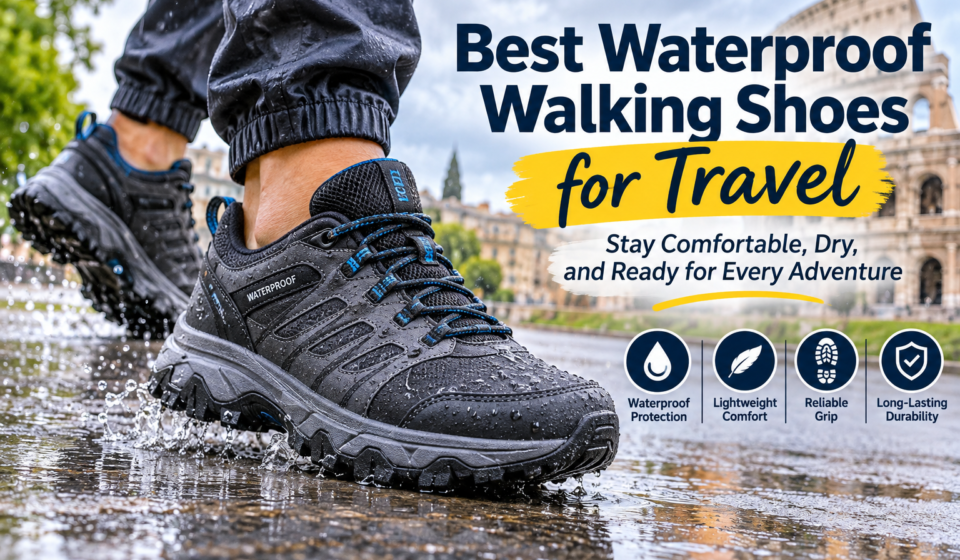
Best Waterproof Walking Shoes for Travel: Stay Comfortable, Dry, and Ready for Every Adventure

Choosing the best waterproof walking shoes for travel can make a significant difference in how comfortable and enjoyable your vacation becomes. Whether you are exploring historic European streets, hiking scenic mountain trails, visiting coastal towns, or walking through busy city centers, the right footwear helps protect your feet from unexpected weather and uncomfortable surfaces. Rain, puddles, muddy paths, and wet sidewalks can quickly turn an enjoyable sightseeing experience into an exhausting one without suitable shoes.
Waterproof walking shoes combine weather protection, cushioning, stability, and practical design to support travelers throughout the day. Unlike ordinary sneakers, they are designed to help keep moisture out while providing reliable traction and comfortable movement. Finding the right pair involves considering several important features, including waterproof construction, breathability, lightweight materials, arch support, and overall durability. This guide explains what to look for when choosing travel-friendly waterproof walking shoes and how to find a pair that suits your destination and travel style.
Why Choose Waterproof Walking Shoes for Travel?
Travel often involves unpredictable weather and different walking environments. You might begin your morning exploring a sunny city and encounter heavy rain by lunchtime. Waterproof walking shoes provide an additional layer of protection that helps keep your feet dry when conditions become challenging. This protection is particularly useful for travelers visiting destinations where rainfall, damp sidewalks, and changing temperatures are common.
Another important advantage is versatility. A good pair of waterproof walking shoes can work for sightseeing, casual outdoor activities, airport transfers, and light nature walks. Instead of packing several pairs of footwear for different weather conditions, travelers can rely on one practical option for many situations. This makes waterproof shoes especially valuable for people who prefer lightweight luggage and minimalist travel wardrobes.
Important Features of the Best Waterproof Walking Shoes for Travel
Reliable Waterproof Technology
Waterproof construction is one of the most important features to consider when shopping for travel footwear. Many walking shoes use waterproof membranes that help prevent external moisture from entering while allowing some internal moisture to escape. Technologies such as GORE-TEX are commonly used in outdoor footwear because they provide a protective barrier against rain and wet conditions.
However, waterproof materials do not automatically guarantee complete protection in every situation. Water can still enter through the opening around the ankle, particularly when walking through deep puddles or heavy rainfall. Travelers should look for securely sealed construction, protective uppers, and a design suitable for their expected weather conditions.
Comfortable Cushioning and Support
Comfort should remain a priority when selecting waterproof walking shoes for travel. Vacation activities often involve several hours of continuous walking, standing in queues, and exploring unfamiliar neighborhoods. Shoes with cushioned midsoles help absorb some impact and reduce pressure on the feet during extended use.
Arch support is another important consideration, especially for people who experience discomfort when wearing flat or poorly structured footwear. A supportive footbed can improve comfort and help maintain a more natural walking position. Travelers should also pay attention to heel stability and toe-box space to avoid unnecessary pressure during long sightseeing days.
Lightweight and Breathable Materials
Waterproof shoes sometimes feel heavier than traditional sneakers because of their protective construction. However, modern footwear designs increasingly combine weather-resistant materials with lightweight midsoles and flexible uppers. Choosing a lighter pair can make walking more enjoyable and reduce fatigue during long travel days.
Breathability is equally important because moisture can develop inside shoes even when rain cannot enter. Waterproof membranes vary in how effectively they release water vapor, and performance depends on temperature, activity level, socks, and shoe construction. Travelers visiting warm destinations should consider lightweight waterproof models rather than heavily insulated outdoor footwear.
Strong Grip and Durable Outsoles
Different travel destinations present different walking challenges. Smooth airport floors, wet stone streets, wooden walkways, and uneven hiking paths all require dependable traction. Waterproof walking shoes with rubber outsoles and carefully designed tread patterns can provide better grip on many everyday surfaces.
Durability also matters because travel footwear often experiences more use than ordinary everyday sneakers. Reinforced toe areas, quality stitching, strong outsole materials, and secure construction can help shoes withstand repeated walking. Investing in a durable pair can provide better long-term value for frequent travelers.
Popular Types of Waterproof Walking Shoes for Travel
Not every traveler needs the same style of footwear. Some people prioritize lightweight comfort for city sightseeing, while others need additional stability for outdoor adventures. Understanding the main shoe categories can help narrow down the available choices.
Waterproof Walking Sneakers
Waterproof walking sneakers are suitable for travelers who want the appearance and flexibility of everyday athletic footwear. They typically feature cushioned midsoles, comfortable uppers, and weather-resistant construction. Their versatile appearance makes them suitable for casual outfits, airport travel, and everyday sightseeing.
These shoes are particularly useful for urban vacations where most walking takes place on sidewalks, paved streets, and shopping areas. Many models also provide enough traction for light outdoor activities without looking like traditional hiking boots.
Waterproof Hiking Shoes
Waterproof hiking shoes offer additional structure and protection for travelers who expect to explore trails, hills, and uneven outdoor environments. They often feature stronger outsoles, reinforced toe protection, and more supportive construction than ordinary walking sneakers.
Although they may feel slightly heavier, hiking-inspired walking shoes can be a practical option for adventure-focused vacations. They are especially helpful when an itinerary includes nature parks, countryside paths, and destinations with unpredictable weather.
Waterproof Slip-On Walking Shoes
Slip-on waterproof walking shoes provide convenience for travelers who frequently move through airports, train stations, and hotels. Their easy-to-wear construction makes them attractive for people who prefer not to deal with traditional laces.
However, travelers should check that the shoes offer a secure fit around the heel and enough support for extended walking. Convenience should never replace stability and proper foot support.
Best Waterproof Walking Shoes for Travel: What to Consider Before Buying
Selecting the right pair requires more than simply choosing a shoe labeled waterproof. Different brands offer different combinations of comfort, fit, materials, and outdoor performance. The following comparison highlights popular footwear brands and technologies worth exploring.
| Brand or footwear technology | Notable features | Suitable travel use |
|---|---|---|
| Merrell | Trail-oriented designs and supportive construction | Outdoor sightseeing and nature trails |
| Salomon | Technical grip and weather-resistant models | Adventure travel and uneven terrain |
| KEEN | Protective toe designs and practical outdoor footwear | Long outdoor walking days |
| ECCO | Comfort-focused designs and everyday styling | City sightseeing and casual travel |
| HOKA | Cushioned midsoles and supportive walking options | Travelers prioritizing cushioning |
When comparing individual models, check whether the specific version includes a waterproof membrane. Not every shoe from these brands is waterproof, and similar-looking models may have different materials and performance characteristics.
How to Choose Waterproof Walking Shoes for Different Travel Destinations
European City Vacations
European vacations often involve extensive walking through historic neighborhoods, cobblestone streets, museums, and public transportation stations. Travelers need footwear that combines comfortable cushioning with a flexible design and dependable grip.
For these trips, waterproof walking sneakers are often a practical choice. Look for a model with a supportive footbed, a comfortable toe box, and a relatively lightweight construction. Neutral colors such as black, gray, and brown can also make footwear easier to coordinate with different travel outfits.
Rainy and Cold Destinations
Destinations with frequent rainfall require shoes that provide dependable moisture protection. A waterproof membrane, protective upper, and durable outsole can help maintain comfort when walking through wet streets and damp outdoor areas.
For colder destinations, consider whether additional insulation is necessary. Waterproof shoes are not automatically warm, so travelers visiting winter destinations may need insulated footwear or suitable thermal socks. A well-fitting shoe should leave enough room for comfortable socks without allowing excessive movement inside.
Nature and Adventure Vacations
Travelers planning outdoor adventures should prioritize traction, stability, and protective construction. Uneven surfaces, muddy paths, and rocky trails can place additional demands on footwear.
Waterproof hiking shoes are often more suitable for these conditions than lightweight urban sneakers. Their stronger outsoles and supportive construction can improve comfort on moderate trails. For demanding mountain hikes, however, dedicated hiking footwear may be more appropriate than ordinary travel walking shoes.
Tips for Getting the Best Fit and Comfort
Even the most expensive waterproof walking shoes may become uncomfortable if they do not fit correctly. Travelers should try shoes later in the day when their feet may be slightly swollen from normal activity. This helps provide a more realistic idea of how the footwear will feel after several hours of sightseeing.
The toe box should allow enough space for natural toe movement without letting the foot slide forward. The heel should feel secure without rubbing or creating pressure. It is also important to test the shoes with the socks you intend to wear during your vacation because thicker socks can change the overall fit.
Breaking in new shoes before departure is another essential step. Wear them around the house, during short walks, and eventually on longer outings. This allows you to identify uncomfortable pressure points before your trip begins. Travelers should never assume that brand-new shoes will feel comfortable during a full day of sightseeing.
How to Maintain Waterproof Walking Shoes
Proper maintenance helps preserve the performance and appearance of travel footwear. After walking through rain or muddy conditions, remove loose dirt using a soft brush or damp cloth. Allow the shoes to dry naturally in a well-ventilated area instead of placing them directly beside a heater or using excessive heat.
Cleaning instructions depend on the materials used in the shoe. Some waterproof membranes require specialized cleaning products to maintain their performance. Avoid applying ordinary waterproof sprays without checking manufacturer recommendations because certain treatments may damage or interfere with specific materials.
It is also important to inspect the outsole and upper regularly. Worn tread patterns can reduce traction, while damaged seams or worn waterproof membranes may allow moisture to enter. Replacing heavily worn shoes before a major vacation can help prevent unnecessary discomfort.
Common Mistakes to Avoid When Buying Waterproof Travel Shoes
One common mistake is choosing waterproof shoes without considering breathability. Although keeping rain outside is important, excessive internal moisture can also make walking uncomfortable. Travelers should consider the climate, activity level, and expected temperatures before selecting a particular model.
Another mistake is prioritizing appearance over comfort. Stylish footwear may look excellent in travel photographs, but uncomfortable soles and poor support can make long sightseeing days difficult. It is better to choose a shoe that combines attractive styling with practical construction.
Travelers should also avoid purchasing shoes that are too tight. Feet can naturally swell after extended walking, especially during warm weather. A slightly more accommodating fit can improve comfort, provided the heel remains secure and the foot does not slide around.
Finally, do not assume that every waterproof shoe is suitable for every outdoor activity. Lightweight walking sneakers may perform well on city streets but lack the stability needed for challenging hiking trails. Match the footwear to the actual conditions you expect to encounter.
Conclusion
Finding the best waterproof walking shoes for travel is an important part of preparing for a comfortable and enjoyable vacation. The right pair should offer dependable water protection, comfortable cushioning, breathable construction, and reliable traction. Whether you are exploring rainy city streets, visiting historic destinations, or enjoying outdoor adventures, choosing footwear that matches your travel plans can make a noticeable difference.
Before purchasing, compare different brands, examine the waterproof technology, and pay attention to fit and support. Remember to test your shoes before departure and maintain them properly throughout your travels. With the right waterproof walking shoes, you can explore more confidently, handle unexpected weather, and spend less time worrying about uncomfortable feet.
FAQs
1. Are waterproof walking shoes good for travel?
Yes. Waterproof walking shoes are useful for travel because they help protect your feet from rain, puddles, and wet walking surfaces. They can also provide cushioning and traction for extended sightseeing.
2. Which brands make good waterproof walking shoes?
Merrell, Salomon, KEEN, ECCO, and HOKA are brands worth exploring. However, waterproof features vary between models, so always check the individual product specifications.
3. Are waterproof walking shoes comfortable for all-day walking?
Many waterproof walking shoes are designed for extended use. Look for adequate cushioning, arch support, a secure heel, and sufficient toe-box space to improve all-day comfort.
4. Are GORE-TEX walking shoes completely waterproof?
GORE-TEX footwear is designed to provide waterproof protection when properly constructed. However, water may enter through the shoe opening if it becomes submerged or exposed to deep water.
5. Can I wear waterproof walking shoes in summer?
Yes, but choose lightweight models with breathable construction. Waterproof shoes may feel warmer than ordinary sneakers, especially in humid climates.
6. Should waterproof travel shoes be lightweight?
Lightweight shoes are generally preferable for long sightseeing days because they can reduce the feeling of fatigue. However, weight should be balanced with cushioning, stability, and protection.
7. Are waterproof walking shoes suitable for hiking?
Some models are suitable for light hiking and moderate trails. For difficult terrain, steep climbs, or demanding outdoor adventures, dedicated hiking shoes may provide better protection and support.
8. How should I dry waterproof walking shoes after rain?
Remove excess dirt and moisture, take out the insoles if possible, and allow the shoes to air-dry naturally. Avoid direct heat because it may damage adhesives and footwear materials.
9. How long do waterproof walking shoes last?
Their lifespan depends on construction quality, walking frequency, terrain, and maintenance. Regularly inspect the outsole, seams, and waterproof membrane to determine when replacement is necessary.
10. Should I break in waterproof shoes before traveling?
Yes. Wear them for several short walks before your vacation. This helps identify fitting problems and reduces the risk of blisters during long sightseeing days.
