











































Best Underseat Luggage for Airplanes: A Complete Guide to Choosing the Right Carry-On

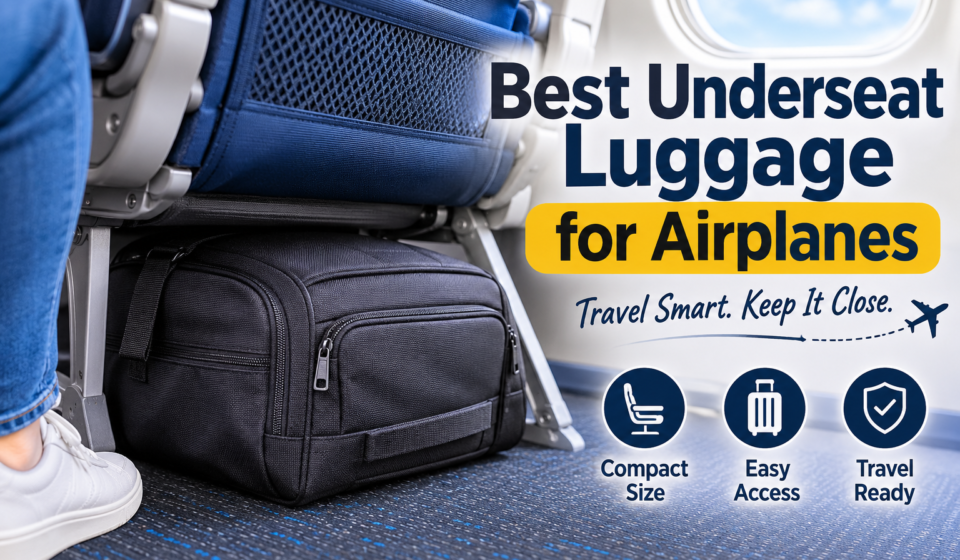
Finding the best underseat luggage for airplanes can make traveling more comfortable, especially when you want to keep your essentials close during a flight. Unlike traditional carry-on suitcases that are usually stored in overhead compartments, underseat luggage is designed to fit beneath the seat in front of you. This convenient storage option makes it easier to access your travel documents, electronics, snacks, medications, and other necessities without standing up during the flight.
Whether you are planning a short business trip, a weekend getaway, or a longer vacation, choosing the right underseat bag can help you travel more efficiently. However, not every compact suitcase or travel backpack will fit beneath an airplane seat. Airlines have different baggage restrictions, and the available space can vary depending on the aircraft and seat configuration. Understanding these differences is essential when selecting luggage that meets your travel needs.
What Is Underseat Luggage?
Underseat luggage refers to compact travel bags designed to fit beneath the seat in front of a passenger on an airplane. These bags are often smaller than standard carry-on suitcases and provide convenient storage for personal belongings during a flight. Common options include rolling bags, soft-sided carry-ons, travel backpacks, and compact duffel bags.
The primary advantage of underseat luggage is accessibility. Instead of opening an overhead compartment, travelers can retrieve their belongings while remaining seated. This makes underseat bags particularly useful for carrying items such as headphones, books, chargers, travel documents, and personal care products.
How Underseat Luggage Differs From Standard Carry-On Bags
Standard carry-on luggage is generally designed for overhead storage, while underseat luggage prioritizes a smaller footprint and easy access. Traditional carry-on suitcases often provide more packing capacity, but they may not fit beneath the seat in front of you.
Underseat bags are typically more compact and easier to maneuver through crowded airports. Some models include wheels and telescoping handles, while others feature shoulder straps or backpack-style designs. The best choice depends on your packing requirements, preferred carrying method, and the amount of space available on your flight.
Best Types of Underseat Luggage for Airplanes
Choosing the right luggage style is an important part of preparing for air travel. Different bag designs offer different advantages, and understanding these differences can help you find a suitable option for your next trip.
Rolling Underseat Suitcases
Rolling underseat suitcases are a practical choice for travelers who prefer not to carry their belongings on their shoulders. These bags typically feature two or four wheels, a retractable handle, and a compact interior designed for short trips.
Soft-sided rolling luggage can be particularly useful because its flexible exterior may allow it to fit into tighter spaces when it is not completely packed. Travelers should still check the manufacturer’s dimensions and their airline’s personal-item restrictions before purchasing a rolling suitcase.
Underseat Travel Backpacks
Travel backpacks are another excellent option for airplane passengers. They distribute weight across the shoulders and leave both hands available for handling tickets, boarding passes, and other travel essentials.
Many underseat backpacks include padded laptop compartments, multiple organizational pockets, and luggage sleeves that allow them to attach to the handle of a larger suitcase. Their flexible construction can also make them easier to store beneath a seat than rigid luggage.
Compact Duffel Bags
Compact duffel bags offer a simple and flexible solution for travelers who need a lightweight personal item. They usually have spacious main compartments and can accommodate clothing, toiletries, and other essentials for short trips.
A duffel bag with reinforced handles and a detachable shoulder strap can be especially convenient for airport transfers. However, travelers should avoid overpacking because a fully expanded duffel may exceed the available underseat space.
Features to Look for in the Best Underseat Luggage for Airplanes
Selecting the best underseat luggage for airplanes involves more than choosing a compact bag. A well-designed travel bag should provide adequate storage, convenient organization, and comfortable handling while meeting the requirements of your airline.
Size and Airline Compatibility
Size is one of the most important factors when purchasing underseat luggage. Airlines establish their own personal-item dimensions, and these requirements may differ depending on the carrier, aircraft, or ticket type.
Before buying a bag, check the airline’s official baggage policy for the exact dimensions of permitted personal items. Measure the bag with its wheels, handles, and exterior pockets included. If the bag is expandable, consider its dimensions when fully packed rather than relying only on its unexpanded measurements.
Storage Capacity and Organization
A useful underseat bag should provide enough room for your travel essentials without becoming difficult to store. Multiple compartments can help separate clothing, electronics, toiletries, and important documents.
Interior pockets are especially helpful for keeping smaller belongings organized. A padded laptop sleeve may be valuable for business travelers, while mesh pockets can provide convenient storage for chargers, cables, and personal accessories.
Weight and Durability
Lightweight luggage is easier to carry through airports and may help you stay within airline weight restrictions. However, a lightweight design should still provide sufficient durability for frequent travel.
Look for sturdy zippers, reinforced seams, durable wheels, and quality handles. Water-resistant materials can also help protect belongings from light rain and accidental spills during airport transfers.
Comparing Underseat Luggage Styles
The following comparison highlights the main differences between common underseat luggage options.
| Luggage style | Main advantage | Best suited for |
|---|---|---|
| Rolling underseat suitcase | Easy movement through airports | Travelers carrying heavier belongings |
| Travel backpack | Hands-free carrying and flexible storage | Weekend trips and active travelers |
| Compact duffel bag | Lightweight design and spacious interior | Short trips and minimal packing |
| Soft-sided carry-on | Flexible construction and organized compartments | Travelers needing additional storage |
The most suitable option depends on your personal travel habits. A rolling suitcase may be ideal for someone who frequently travels through large airports, while a backpack may be more practical for passengers who need to move quickly between transportation connections.
How to Choose Underseat Luggage for Different Trips
The best underseat bag depends on the length and purpose of your journey. A bag that works well for a short business trip may not provide enough space for a longer vacation.
Underseat Luggage for Business Travel
Business travelers often need to carry a laptop, chargers, documents, and a change of clothing. A compact rolling bag or structured backpack with a dedicated laptop compartment can help keep these items organized.
Look for luggage with easy-access pockets for boarding passes and identification. A professional exterior design and a luggage sleeve can also make airport transfers more convenient when traveling with a larger suitcase.
Underseat Luggage for Weekend Getaways
Weekend travelers may prefer a soft-sided bag or travel backpack with enough room for clothing, toiletries, and personal accessories. Expandable compartments can provide additional flexibility, although the bag must still fit the airline’s personal-item requirements when packed.
Packing versatile clothing and limiting unnecessary accessories can help maximize the available space. A bag with separate compartments for clean clothing and toiletries can also make unpacking easier after arrival.
Underseat Luggage for International Flights
International travel often involves longer flights, multiple connections, and varying baggage restrictions. A compact personal item can provide convenient access to important belongings while keeping larger luggage in the overhead compartment.
Travelers should confirm the personal-item allowance for every airline on their itinerary, particularly when flying with different carriers. It is also useful to keep passports, travel documents, medications, and essential electronics in an easily accessible compartment.
Tips for Packing Underseat Luggage Efficiently
Efficient packing helps travelers make the most of limited underseat storage. Start by identifying the items you will need during the flight and place them in easily accessible compartments.
Use packing cubes or small organizers to separate clothing and accessories. Rolling lightweight garments can also help reduce wasted space, while placing heavier items near the bottom of a backpack can improve carrying comfort.
Avoid filling every pocket with unnecessary belongings. A bag that is packed too tightly may become difficult to fit beneath the seat, even when its empty dimensions meet the airline’s requirements. Leave enough room for the luggage to retain its intended shape.
Common Mistakes to Avoid When Buying Underseat Luggage
One of the most common mistakes is assuming that every compact suitcase qualifies as an airline personal item. Some bags are marketed as underseat luggage but may exceed the permitted dimensions of certain airlines.
Another mistake is choosing a bag based entirely on its advertised storage capacity. A large interior may seem appealing, but a bulky exterior can make the luggage difficult to store beneath the seat.
Travelers should also avoid overlooking the weight of the empty bag. A heavy suitcase can reduce the amount of belongings you can comfortably carry and may be less convenient during long airport walks.
Conclusion
The best underseat luggage for airplanes combines compact dimensions, practical organization, and convenient handling. Rolling suitcases are suitable for travelers who want easy movement through airports, while backpacks provide flexibility and hands-free carrying. Compact duffel bags are another useful option for passengers who prefer lightweight luggage for short trips.
Before making a purchase, compare the bag’s dimensions, storage compartments, weight, and construction quality. Most importantly, check your airline’s personal-item policy to confirm that the luggage can fit beneath the seat on your particular flight. Choosing a suitable underseat bag can help make air travel more organized and comfortable.
A well-designed personal item is a useful investment for frequent flyers and occasional travelers alike. With the right luggage, you can keep your essential belongings within reach, avoid unnecessary overhead-bin searches, and enjoy a more convenient journey.
FAQs
What Is the Best Size for Underseat Luggage on Airplanes?
The ideal size depends on your airline’s personal-item allowance. Many airlines permit compact bags around 18 x 14 x 8 inches, but requirements vary. Always check the exact dimensions before purchasing luggage.
Can Underseat Luggage Fit Beneath Every Airplane Seat?
Not necessarily. Underseat space varies depending on the aircraft, seat design, and location of structural components. Some seats provide less storage space than others, so checking your airline’s requirements is important.
Is a Backpack Better Than a Rolling Underseat Suitcase?
A backpack is generally more flexible and convenient for hands-free travel, while a rolling suitcase reduces the need to carry weight on your shoulders. The better option depends on your packing needs and preferred carrying style.
Can Underseat Luggage Be Used as a Personal Item?
Yes, underseat luggage can qualify as a personal item if it meets the airline’s size and weight requirements. Some airlines may have additional restrictions, so travelers should confirm the applicable policy before boarding.
Is Underseat Luggage Suitable for a Weekend Trip?
Yes, a compact underseat bag can work well for a weekend getaway when packed efficiently. A travel backpack, soft-sided suitcase, or duffel bag may provide enough room for clothing, toiletries, and essential accessories.
Should I Choose Hard-Sided or Soft-Sided Underseat Luggage?
Soft-sided luggage is often more flexible and may fit more easily into limited spaces. Hard-sided luggage can provide additional protection for fragile belongings, but its rigid exterior may make it less adaptable to tight underseat areas.
What Should I Keep in My Underseat Bag During a Flight?
Useful items include travel documents, medications, headphones, a phone charger, snacks, a book, and personal care essentials. Keeping frequently needed belongings in an accessible compartment can make the flight more comfortable.
Can I Bring Underseat Luggage and a Carry-On Suitcase?
Many airlines allow passengers to bring a personal item and a separate carry-on suitcase, but allowances vary by airline, ticket type, and route. Check your booking details and the airline’s baggage policy before traveling.
