


























Best Camping Gear for National Parks: Essential Equipment for a Safe and Comfortable Outdoor Adventure

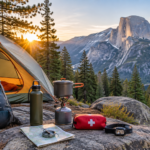
Exploring national parks is one of the most rewarding ways to experience nature. From breathtaking mountain landscapes and peaceful lakes to dense forests and scenic hiking trails, national parks offer unforgettable outdoor experiences. Whether you are planning a weekend camping trip or a longer wilderness adventure, having the right equipment can make your journey safer, easier, and more enjoyable. Choosing the best camping gear for national parks is especially important because outdoor conditions can change quickly, and campers need reliable equipment that performs well in different environments.
The right camping equipment helps you stay comfortable while protecting yourself from unexpected weather, insects, rough terrain, and other outdoor challenges. A quality tent, warm sleeping bag, dependable backpack, portable cooking system, and appropriate safety supplies can make a significant difference during your trip. Understanding which items deserve a place in your camping setup allows you to pack efficiently without carrying unnecessary weight. With thoughtful preparation and dependable gear, you can focus on enjoying beautiful landscapes, discovering wildlife, and making lasting memories.
1. Choosing the Best Camping Tents for National Parks
A dependable tent is one of the most important pieces of camping equipment for any national park adventure. It provides shelter from rain, wind, insects, and changing temperatures while creating a comfortable place to rest after a long day outdoors. When choosing a tent, consider the number of campers, expected weather conditions, available campsite space, and the length of your trip. A lightweight backpacking tent is useful for hikers who need to carry their shelter over long distances, while a larger camping tent offers additional room for families and groups.
Weather resistance should be a major consideration when selecting a camping tent. Look for durable materials, sealed seams, a reliable rainfly, and a strong frame that can handle moderate wind. Good ventilation is equally important because it reduces condensation and helps maintain comfortable sleeping conditions. Before purchasing a tent, check its packed weight, setup instructions, and interior dimensions. Practicing how to assemble it at home can prevent unnecessary frustration when arriving at a campsite after sunset or during unfavorable weather.
Important Tent Features to Consider
The best tent for national park camping should balance durability, weight, comfort, and weather protection. A tent designed for three-season camping works well for many spring, summer, and fall adventures, although colder destinations may require specialized equipment. Consider vestibule space for storing muddy boots and outdoor equipment without bringing dirt inside your sleeping area. Always follow campground regulations and use established campsites rather than creating new camping areas.
2. Comfortable Sleeping Bags and Sleeping Pads
Quality sleeping equipment is essential for getting enough rest during outdoor adventures. Even beautiful national park destinations can become uncomfortable when nighttime temperatures drop unexpectedly. A sleeping bag should match the lowest temperatures you realistically expect during your trip. Temperature ratings provide useful guidance, but individual comfort preferences, clothing layers, humidity, and wind conditions also influence how warm you feel while sleeping. Choosing an appropriate sleeping bag helps prevent cold nights from affecting your energy and enjoyment the following day.
A sleeping pad is another important item that many beginners underestimate. It creates a protective layer between your body and the ground, improving insulation and reducing discomfort on uneven surfaces. Inflatable sleeping pads are popular because they offer excellent comfort while remaining relatively compact when packed. Foam sleeping pads are another option for campers who prefer simple equipment that does not require inflation. When comparing sleeping pads, consider thickness, insulation performance, durability, and packed size. Combining a suitable sleeping bag with a supportive sleeping pad creates a more comfortable camping environment.
Selecting Sleeping Equipment for Different Seasons
Different national parks experience different temperature patterns depending on elevation, geography, and season. Mountain destinations may become surprisingly cold even during summer, while desert parks can experience significant temperature changes between daytime and nighttime. Always research local conditions before choosing your sleeping equipment. A sleeping bag liner can provide additional warmth and help keep your main sleeping bag clean during extended trips.
3. Reliable Backpacks for Carrying Camping Essentials
A reliable backpack makes transporting camping equipment much easier, particularly when visiting national parks with hiking trails and remote campsites. The right backpack distributes weight across your shoulders and hips, reducing unnecessary pressure during long walks. Daypacks are suitable for short hikes and carrying water, snacks, maps, and emergency supplies. For overnight backpacking adventures, a larger backpack provides enough space for shelter, sleeping equipment, clothing, food, and other essentials.
When selecting a backpack, consider capacity, adjustment options, material quality, and weather protection. Padded shoulder straps and a supportive hip belt improve comfort, especially when carrying heavier equipment. Multiple compartments make organizing supplies easier, while external attachment points provide convenient storage for items such as trekking poles and sleeping pads. Water-resistant materials are useful, but a dedicated rain cover or waterproof packing bags offer additional protection during wet conditions.
Backpack Capacity and Organization
The ideal backpack capacity depends on your trip duration and equipment requirements. A compact daypack may be enough for a short outing, while multi-day backpacking trips generally require considerably more storage. Avoid filling every available compartment with unnecessary items because excessive weight can make hiking exhausting. Organize heavier equipment close to your back and keep frequently used supplies in accessible pockets. Proper packing improves balance and makes it easier to find essential items without unpacking everything.
4. Portable Camping Cooking Equipment
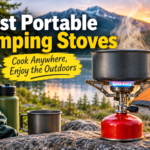
Preparing meals outdoors can be an enjoyable part of a national park camping experience. Portable cooking equipment allows campers to prepare simple breakfasts, warm meals, and hot drinks without relying entirely on packaged food. A compact camping stove, lightweight cookware, reusable utensils, and suitable food containers are useful additions to most camping setups. Choose equipment based on your cooking preferences, group size, and the rules of your destination.
A portable camping stove should be easy to operate, stable on suitable surfaces, and compatible with the fuel permitted at your campsite. Lightweight cookware made from durable materials helps reduce packing weight without sacrificing functionality. Consider carrying a small cleaning kit, biodegradable soap where permitted, and reusable containers for organizing ingredients. Always check fire restrictions before traveling because some national parks prohibit open flames or restrict certain types of fuel-burning equipment during dry conditions.
Food Storage and Safe Outdoor Cooking
Food storage is particularly important in national parks where wildlife may be attracted to improperly stored meals. Use approved bear-resistant food containers or designated food lockers wherever required. Keep cooking areas clean, dispose of food waste according to park regulations, and never leave food unattended. Proper storage protects wildlife and reduces potentially dangerous encounters between animals and visitors.
5. Water Filtration Systems and Hydration Accessories
Staying hydrated is essential when hiking, camping, and exploring large national parks. Physical activity, direct sunlight, dry weather, and high elevations can increase your water requirements. Carrying reusable water bottles or a hydration reservoir makes it easier to drink regularly throughout the day. For longer hikes, a hydration system with a drinking tube provides convenient access to water without requiring you to stop and remove your backpack.
Water filtration equipment can also be useful when camping in areas where approved natural water sources are available. Portable filters, purification tablets, and compatible treatment systems provide different methods of reducing waterborne risks. However, not every filter removes viruses or chemical contaminants, so choose a treatment method appropriate for the specific water conditions. Always check park guidance before collecting water, and never assume that clear-looking streams or lakes are safe to drink without proper treatment.
Hydration Planning for Outdoor Adventures
Plan your water supply according to hiking distance, temperature, physical activity, and available refill locations. Carry enough drinking water for the route and an appropriate emergency reserve. A reusable water bottle with measurement markings can help monitor consumption throughout the day. Avoid relying entirely on natural water sources, particularly in remote areas where access and water quality may be uncertain.
6. Essential Navigation and Safety Equipment
Navigation and safety equipment should always be part of your national park camping checklist. Although many popular parks have marked trails, visitors can still become disoriented when exploring unfamiliar locations or traveling in changing weather. A physical map and compass provide useful backup navigation tools when mobile phone batteries run out or cellular service becomes unavailable. A GPS device can offer additional assistance, especially when hiking in remote areas with complicated trail systems.
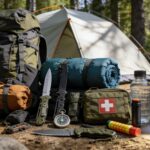
A first aid kit is equally important because minor injuries can happen during hiking and camping activities. Include basic wound dressings, adhesive bandages, antiseptic supplies, blister protection, and any personal emergency essentials. A headlamp or reliable flashlight helps you move around safely after dark, while an emergency whistle can attract attention if you need assistance. A portable power bank also helps keep essential electronic devices charged throughout your journey.
Building a Practical Camping Safety Kit
Your safety kit should match the activities and environmental conditions expected during your trip. Consider including a multi-tool, emergency blanket, spare batteries, sun protection, insect repellent, and a waterproof way to carry important documents. Learn basic first aid and understand how to contact park emergency services before setting out. Share your hiking route and expected return time with someone you trust, particularly when traveling through remote areas.
7. Weather-Resistant Clothing and Outdoor Accessories
Weather-resistant clothing is another essential part of preparing for a comfortable national park adventure. Outdoor conditions can change quickly, particularly in mountainous regions where rain, strong winds, and cooler temperatures may appear without much warning. A lightweight waterproof jacket provides protection from rain, while breathable base layers help regulate body temperature during physical activities. Quick-drying hiking pants and moisture-wicking shirts are practical choices because they remain comfortable during long walks.
Footwear deserves special attention because uncomfortable shoes can turn an enjoyable hiking trip into a difficult experience. Choose hiking boots or trail shoes that match the terrain, weather, and length of your planned routes. Waterproof footwear can be helpful in wet environments, while breathable shoes may feel more comfortable in warmer conditions. Break in new footwear before your trip to reduce the risk of blisters. Moisture-wicking socks, a warm hat, sunglasses, and suitable gloves can provide additional comfort in different environments.
Dressing for Changing Outdoor Conditions
Layering is one of the most effective ways to stay comfortable while camping. Start with a breathable base layer, add an insulating middle layer when temperatures drop, and finish with a weather-resistant outer layer when necessary. This approach allows you to adjust your clothing as conditions change throughout the day. Pack extra socks and a dry clothing set to remain comfortable if unexpected rain or water exposure occurs.
8. Camping Furniture and Useful Comfort Accessories
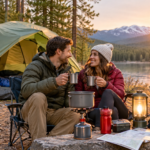
Camping furniture can make longer stays at established national park campgrounds more relaxing. A lightweight folding chair provides a comfortable place to sit after hiking, while a compact camping table creates a convenient surface for preparing meals and organizing supplies. These accessories are particularly useful for families, couples, and campers who prefer a comfortable base camp rather than carrying everything on extended backpacking routes.
Other practical accessories include a rechargeable camping lantern, lightweight storage bags, microfiber towels, and a small repair kit. A lantern provides useful lighting around the campsite, while storage bags help keep clothing and equipment organized. Microfiber towels dry quickly and take up less space than many traditional towels. When selecting comfort accessories, prioritize useful items that genuinely improve your experience rather than packing unnecessary equipment.
Keeping Your Campsite Organized
An organized campsite is easier to maintain and more comfortable to use. Keep cooking supplies separate from sleeping equipment and store personal belongings in suitable waterproof bags. Follow campground instructions for waste disposal, equipment placement, and campsite cleanliness. Before leaving, inspect the entire area and make sure you have removed all personal belongings and rubbish.
Essential Camping Gear Comparison Table
The following table highlights important camping equipment and its main purpose when preparing for a national park adventure.
| Camping gear | Main purpose | Important feature |
|---|---|---|
| Camping tent | Provides outdoor shelter | Weather resistance |
| Sleeping bag | Maintains sleeping comfort | Suitable temperature rating |
| Sleeping pad | Insulates and cushions | Comfort and insulation |
| Hiking backpack | Carries essential supplies | Support and capacity |
| Camping stove | Prepares outdoor meals | Safe, reliable operation |
| Water filter | Treats suitable water sources | Appropriate filtration |
| First aid kit | Supports basic emergency care | Essential medical supplies |
| Headlamp | Provides hands-free lighting | Long battery life |
| Hiking boots | Protects feet on trails | Comfort and traction |
| Rain jacket | Provides weather protection | Waterproof construction |
| Camping lantern | Illuminates the campsite | Rechargeable battery |
| Navigation tools | Supports route finding | Reliable offline use |
9. How to Choose the Best Camping Gear for National Parks
Selecting the best camping gear for national parks requires understanding your destination, travel style, and outdoor activities. Someone planning a weekend at an established campground will have different equipment needs from a backpacker preparing for several days in the wilderness. Start by researching the park’s climate, elevation, campsite facilities, hiking routes, and seasonal restrictions. This information helps you identify which equipment is essential and which accessories you can leave at home.
Quality should also be a major consideration when purchasing outdoor equipment. Durable tents, reliable backpacks, comfortable footwear, and dependable sleeping systems may cost more initially, but they can provide better performance over repeated trips. Compare product specifications, material quality, weight, warranty coverage, and user feedback before making purchasing decisions. Avoid choosing equipment based only on appearance or price because unsuitable products can create problems when outdoor conditions become challenging.
Balancing Weight, Budget, and Durability
A practical camping setup does not need to include every available outdoor accessory. Focus first on essential equipment that supports shelter, sleep, hydration, food preparation, navigation, and safety. If you are new to camping, consider borrowing or renting expensive equipment before purchasing it. As you gain experience, you can gradually upgrade items based on the activities and conditions you encounter most frequently.
10. Responsible Camping Practices in National Parks
Responsible camping helps protect the natural environments that make national parks special. Many protected areas contain sensitive ecosystems, rare plants, and wildlife that can be affected by careless visitor behavior. Following Leave No Trace principles is an effective way to reduce your environmental impact. Stay on designated trails, camp only in permitted areas, avoid disturbing wildlife, and carry out all rubbish rather than leaving it behind.
It is equally important to follow park-specific camping regulations. Some national parks require advance reservations, wilderness permits, approved food-storage containers, or restrictions on campfires. Seasonal closures and weather-related warnings may also affect where visitors can camp. Check official park information before departure and follow instructions from park staff. Responsible decisions help preserve natural spaces and ensure that future visitors can enjoy the same beautiful landscapes.
Protecting Wildlife and Natural Resources
Never feed wild animals, approach them for photographs, or leave food scraps around your campsite. Store food and scented products according to local wildlife safety requirements. Use established bathroom facilities where available and follow official sanitation instructions in backcountry areas. Small responsible actions can make a meaningful difference in protecting national park environments.
Conclusion
Choosing the best camping gear for national parks is an important step toward creating a safe, comfortable, and memorable outdoor experience. A dependable tent, suitable sleeping bag, supportive backpack, portable cooking equipment, water filtration system, and essential safety supplies form the foundation of a practical camping setup. Weather-resistant clothing, navigation tools, and useful campsite accessories provide additional comfort and convenience during different outdoor activities. By understanding your destination and selecting equipment that matches its environmental conditions, you can prepare for unexpected challenges and enjoy your adventure with greater confidence.
Successful camping is not simply about owning expensive outdoor equipment. It is about choosing reliable products, packing thoughtfully, understanding safety requirements, and respecting the natural environment. Whether you are exploring mountain trails, relaxing beside a peaceful lake, or spending a weekend under the stars, proper preparation makes every experience more enjoyable. Research park regulations, check weather conditions, and practice responsible camping habits before departure. With the right equipment and a thoughtful approach, your next national park camping trip can become an unforgettable adventure.
FAQs
1. What is the most important camping gear for national parks?
The most important camping gear includes a reliable tent, sleeping bag, sleeping pad, backpack, drinking water, suitable clothing, and first aid supplies. Navigation tools and lighting equipment are also essential for maintaining safety during outdoor activities.
2. What type of tent is best for national park camping?
A durable three-season tent is suitable for many national park camping trips during spring, summer, and fall. Choose a model with reliable weather protection, good ventilation, and enough interior space for your camping group.
3. Do I need a water filter when camping in national parks?
A water filter can be useful when park regulations allow visitors to collect water from approved natural sources. However, filtration requirements vary depending on water quality and possible contaminants. Always follow official water safety recommendations.
4. What should beginners pack for national park camping?
Beginners should prioritize basic shelter, sleeping equipment, food, water, weather-appropriate clothing, navigation tools, lighting, and first aid supplies. A simple checklist helps prevent forgotten essentials and unnecessary packing.
5. Is lightweight camping gear better for national parks?
Lightweight gear is especially useful for backpackers who carry their equipment over long distances. However, car campers may prefer larger and more comfortable equipment because they do not need to transport everything on their backs.
6. How do I keep food safe while camping in national parks?
Use approved bear-resistant containers or designated food-storage lockers when required. Keep cooking areas clean, follow wildlife safety instructions, and never leave food unattended around your campsite.
7. What clothing should I bring for national park camping?
Pack moisture-wicking base layers, comfortable hiking pants, suitable footwear, a waterproof jacket, and insulating layers. Include extra socks and clothing appropriate for unexpected temperature changes.
8. Do national parks allow camping stoves and campfires?
Rules vary between national parks and can change according to weather and wildfire risk. Some locations allow approved camping stoves but restrict open fires. Always check current park regulations before using cooking equipment.
9. How can I make my camping trip more comfortable?
Choose suitable sleeping equipment, pack comfortable clothing, organize your supplies, carry enough drinking water, and bring useful accessories such as a camping chair or lantern when permitted. Proper preparation improves overall comfort.
10. How can I practice responsible camping in national parks?
Follow Leave No Trace principles, stay on designated trails, respect wildlife, use approved campsites, store food safely, and remove all rubbish. Always follow the specific rules established by the national park.

[…] 11, 2026 Best Luggage for Family Road Trips: A Complete Guide to Stress-Free Family Travel November 11, 2026 Best Camping Gear for National Parks: Essential Equipment for a Safe and […]
[…] 11, 2026 Best Luggage for Family Road Trips: A Complete Guide to Stress-Free Family Travel November 11, 2026 Best Camping Gear for National Parks: Essential Equipment for a Safe and […]