








































Traveling becomes much easier when you know how to keep luggage lightweight without leaving behind the essentials. Whether you are planning a weekend getaway, an international vacation, a business trip, or a long adventure, packing efficiently can make a significant difference in your overall travel experience. Heavy suitcases can create unnecessary stress, increase transportation difficulties, and make moving through airports, train stations, and hotels more challenging.
Learning how to pack light is not simply about carrying fewer belongings. It involves making thoughtful decisions about clothing, toiletries, footwear, accessories, and other travel necessities. With the right approach, you can organize everything you need while keeping your suitcase compact and manageable. A lightweight suitcase also gives you more flexibility during your journey and helps you avoid unnecessary baggage fees.
1. Choose the Right Lightweight Luggage
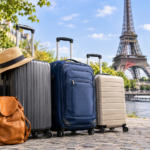
The first step toward traveling with less weight is selecting a suitcase that is lightweight even before you start packing. Some traditional suitcases have heavy frames, thick materials, and unnecessary structural components that consume a significant portion of your baggage allowance. Choosing luggage with a lightweight design gives you more room for the belongings you actually need.
Softside luggage and modern lightweight hardshell suitcases are both useful options, depending on your travel requirements. Look for durable materials, smooth-rolling wheels, comfortable handles, and practical compartments. A suitcase that weighs less when empty can make a noticeable difference, especially when traveling by airplane with strict baggage restrictions.
Compare Luggage Weight Before Purchasing
Always check the empty weight of a suitcase before buying it. Two suitcases with similar dimensions can have considerably different weights because of their construction and materials. Lightweight polycarbonate, nylon, and polyester are commonly used in travel luggage because they offer useful combinations of durability and manageable weight.
You should also consider the suitcase’s size in relation to your travel duration. A large suitcase often encourages unnecessary packing, while a smaller carry-on naturally encourages better organization. Selecting an appropriate size helps prevent overpacking and makes transportation more convenient.
2. Pack Versatile Clothing Instead of Extra Outfits
Clothing is one of the biggest contributors to heavy luggage. Many travelers pack separate outfits for every possible occasion, even when they can create multiple combinations using fewer garments. Choosing versatile clothing is a practical way to reduce suitcase weight without sacrificing comfort or personal style.
Start by selecting clothes that coordinate with one another. Neutral colors such as black, white, gray, navy, and beige are easy to combine. A few shirts, comfortable pants, and lightweight layers can create several different outfits. Instead of packing clothes that serve only one purpose, prioritize garments that work for sightseeing, casual dining, and everyday activities.
Build a Small Travel Capsule Wardrobe
A capsule wardrobe is a collection of clothing pieces that can be mixed and matched to create different outfits. It helps eliminate unnecessary items while maintaining variety throughout your trip. For example, two pairs of pants, three shirts, one versatile jacket, and a few basic accessories may be enough for a short vacation.
Consider the weather and activities at your destination before choosing your wardrobe. Lightweight fabrics are useful in warm climates, while thin thermal layers can provide warmth in colder conditions without taking up too much space. Planning outfits in advance prevents you from bringing clothes that you are unlikely to wear.
3. Use Packing Cubes and Space-Saving Techniques
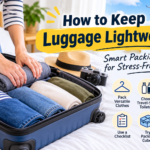
Organizing your belongings properly can help you make better use of available suitcase space. Packing cubes are useful accessories because they separate clothing into manageable sections and make it easier to locate specific items. They also encourage travelers to organize their belongings instead of filling empty spaces with unnecessary things.
Rolling clothing is another popular packing technique. Instead of folding every garment into traditional flat layers, roll suitable items into compact bundles. This method can help reduce wrinkles in certain fabrics and make smaller clothing items easier to arrange. However, structured garments and delicate materials may benefit from careful folding.
Organize Items by Category
Separate your belongings into categories such as clothing, toiletries, electronics, and accessories. Place frequently used items where they are easy to reach, especially if you are traveling with carry-on luggage. Small pouches can hold chargers, travel documents, and personal accessories without allowing them to become scattered throughout the suitcase.
Avoid filling every available gap simply because space remains. Empty space is not a problem when your suitcase is already organized. Leaving some room can make unpacking easier and provide flexibility if you purchase small souvenirs during your trip.
4. Reduce Toiletries and Personal Care Products
Toiletries can add considerable weight to luggage, particularly when travelers bring full-sized bottles of shampoo, conditioner, body wash, and skincare products. Many of these items are available in smaller travel-friendly containers that provide enough product for a short vacation.
Transfer suitable personal care products into reusable travel bottles. Choose compact toothbrushes, lightweight combs, and multipurpose skincare products whenever practical. You can also check whether your accommodation provides basic toiletries before deciding what to bring.
Choose Multipurpose Travel Essentials
Multipurpose products help reduce the number of individual items in your toiletry bag. For example, a moisturizer with sun protection may replace two separate products when appropriate for your skincare needs. A gentle cleanser that works for both your face and body may also simplify your packing routine.
Remember to consider airline liquid restrictions when packing toiletries in carry-on baggage. Requirements vary by country and airport, so check the applicable rules before departure. Keep essential personal care products accessible and place liquids in suitable leak-resistant containers.
5. Limit Shoes and Heavy Accessories
Shoes are often among the heaviest items in a suitcase. Packing several pairs for different outfits can quickly increase your total baggage weight. Most trips do not require an extensive footwear collection, especially when you choose comfortable shoes that work for multiple activities.
For many vacations, one comfortable walking pair and one additional pair for a specific occasion are sufficient. Your choices should depend on the destination, weather, planned activities, and expected walking distance. Wear your heaviest shoes during travel rather than placing them inside your suitcase.
Choose Lightweight and Functional Accessories
Accessories such as belts, handbags, hats, and jewelry can also contribute to unnecessary baggage weight. Select only the items that serve a clear purpose during your journey. A lightweight crossbody bag, compact wallet, and versatile hat may cover several everyday travel needs.
Avoid carrying duplicate accessories simply because they match different outfits. A smaller selection of practical items can make your luggage easier to manage while still allowing you to look presentable throughout your vacation.
6. Create a Packing Checklist Before Traveling
A packing checklist is one of the simplest ways to prevent overpacking. When travelers pack without a plan, they often include duplicate clothing, unnecessary accessories, and items they never use. Writing down essential belongings before packing helps you evaluate what you genuinely need.
Begin with travel documents, medications, necessary electronics, clothing, toiletries, and destination-specific equipment. Then review every item and consider whether it is essential, useful, or unnecessary. If something has no clear purpose during your trip, it may not deserve space in your suitcase.
Review Your Packing List Before Departure
After completing your initial packing, review the entire list again. Remove duplicate products, extra outfits, and unnecessary backup items. Consider whether certain belongings can be purchased at your destination or whether your hotel already provides them.
The following table provides a simple example of how to organize a lightweight packing plan for a five-day vacation.
| Packing category | Suggested quantity |
|---|---|
| Everyday shirts | 3–4 |
| Pants or travel trousers | 2 |
| Lightweight jacket | 1 |
| Comfortable walking shoes | 1 pair |
| Additional footwear | 1 pair |
| Underwear | 5 pairs |
| Socks | 4–5 pairs |
| Toiletry kit | 1 compact kit |
| Electronics pouch | 1 |
| Travel accessories | 2–3 essential items |
These quantities are flexible recommendations rather than strict requirements. Your destination, activities, laundry access, and personal preferences should determine the final packing list.
7. Use Lightweight Travel Accessories
Travel accessories can improve convenience, but choosing too many products can defeat the purpose of packing light. Instead of purchasing every travel gadget available, focus on compact accessories that solve practical problems during your journey.
Lightweight microfiber towels, foldable shopping bags, compact travel organizers, and small reusable water bottles can be useful additions. These products generally take up less space than their traditional alternatives and can support different travel situations.
Prioritize Practicality Over Quantity
Before adding an accessory to your suitcase, consider how frequently you will use it. A portable charger may be valuable during a long sightseeing day, while an extra electronic device may only add weight. Similarly, a compact laundry bag can be more useful than carrying additional bags for organizing clothing.
Choose accessories that are durable, lightweight, and easy to store. Avoid bringing multiple products that perform nearly identical functions. A smaller collection of useful accessories makes it easier to maintain an organized travel setup.
8. Wear Your Heaviest Items During Travel
One effective way to reduce packed luggage weight is to wear some of your heavier belongings while traveling. Jackets, boots, sweaters, and bulky clothing can take up considerable suitcase space. Wearing these items during your journey can help keep your baggage lighter.
This approach is particularly useful when traveling with limited carry-on allowances. However, comfort should remain your priority. Avoid wearing too many layers simply to avoid placing them in your suitcase, especially when traveling through airports with changing temperatures.
Dress Comfortably for the Journey
Choose comfortable travel clothing that works for airport security, long flights, and transportation between destinations. A lightweight jacket with useful pockets can provide warmth and convenient storage for small essentials. Comfortable shoes can also reduce the need to pack multiple pairs.
If you become too warm during the journey, you can remove an outer layer and carry it separately. The goal is to distribute your belongings sensibly rather than making your travel experience uncomfortable.
9. Avoid Packing Items You Can Easily Access at Your Destination
Many travelers pack unnecessary products because they assume everything must be carried from home. However, basic items such as inexpensive toiletries, snacks, and certain everyday necessities may be readily available at their destination.
Before packing, research your accommodation and the facilities available nearby. Some hotels provide towels, hairdryers, basic toiletries, and other useful amenities. Knowing what is already available can help you avoid bringing duplicate items.
Plan for Your Destination’s Facilities
Consider whether you will have access to laundry facilities during your vacation. If you can wash and reuse clothing, you may not need a separate outfit for every day. This can significantly reduce the amount of clothing you need for longer trips.
However, avoid assuming that every essential item will be available when you arrive. Prescription medications, important travel documents, and specialized personal necessities should be planned for carefully rather than left behind.
10. Weigh Your Luggage Before Leaving Home
Even after organizing your belongings, checking the final suitcase weight is important. Airlines have different baggage allowances depending on the route, ticket type, cabin class, and fare conditions. A suitcase that seems lightweight at home may exceed your airline’s limit once everything is packed.
Use a digital luggage scale to check your suitcase before leaving. Compare the measurement with your airline’s current baggage policy, including separate restrictions for checked baggage and cabin luggage. Remember that some airlines also apply size limits.
Leave Room for Unexpected Items
Avoid packing right up to the maximum baggage allowance if you expect to purchase souvenirs or other belongings during your vacation. Leaving a small weight margin provides flexibility and reduces the risk of exceeding the limit on your return journey.
Keep heavier items organized and distribute your belongings evenly. A well-balanced suitcase is easier to lift, roll, and handle during transportation.
Conclusion
Learning how to keep luggage lightweight is an important part of making travel more comfortable and convenient. By selecting lightweight luggage, choosing versatile clothing, reducing toiletries, limiting footwear, and organizing belongings carefully, you can significantly reduce unnecessary baggage weight. Packing cubes, multipurpose accessories, and a practical checklist can also help you make better use of available suitcase space.
The key to successful lightweight packing is understanding the difference between essential belongings and unnecessary extras. You do not need to sacrifice comfort or preparation to travel with a smaller suitcase. With a little planning and thoughtful decision-making, you can enjoy a more organized journey, move between destinations more easily, and spend less time worrying about heavy luggage.
FAQs
1. How Can I Keep My Luggage Lightweight When Traveling?
Choose versatile clothing, pack only essential toiletries, limit footwear, and use compact travel accessories. A packing checklist can help you avoid unnecessary belongings and keep your suitcase manageable.
2. What Is the Best Way to Pack Clothes to Save Space?
Rolling suitable clothing items and organizing them with packing cubes can help maximize suitcase space. Folding delicate or structured garments may be better for preventing wrinkles.
3. How Many Outfits Should I Pack for a Week?
For a seven-day trip, you might need four or five versatile tops, two or three bottoms, and enough underwear and socks for your schedule. Laundry access and destination weather can change these requirements.
4. Are Packing Cubes Useful for Lightweight Travel?
Yes, packing cubes help organize clothing and separate different categories of belongings. They do not automatically reduce weight, but they make it easier to control how much you pack.
5. How Can I Reduce the Weight of My Toiletry Bag?
Use reusable travel bottles, compact personal care products, and multipurpose essentials. Avoid carrying full-sized products when smaller quantities are sufficient.
6. Should I Choose Hard-Shell or Softside Luggage?
Both options can work well. Lightweight hard-shell luggage offers structured protection, while softside luggage may provide flexibility and convenient external pockets. Compare empty weight, durability, and functionality before purchasing.
7. Does Wearing Heavy Clothes Help Reduce Luggage Weight?
Yes, wearing heavier items such as jackets, boots, and sweaters can reduce the weight of your packed suitcase. However, choose comfortable clothing rather than wearing excessive layers.
8. How Can I Avoid Paying Extra Baggage Fees?
Check your airline’s baggage allowance before departure, weigh your suitcase at home, and remove unnecessary items. Remember that baggage limits can differ between airlines and ticket types.
9. What Are the Most Important Items to Pack for a Lightweight Trip?
Prioritize travel documents, necessary medications, suitable clothing, essential toiletries, chargers, and destination-specific equipment. Avoid packing duplicate products or items that are easily available at your destination.
10. Is Lightweight Packing Better for International Travel?
Yes, lightweight packing can make international travel easier by simplifying airport transfers, public transportation, hotel check-ins, and movement between destinations. It also provides more flexibility when managing baggage restrictions.

[…] 9, 2026 Best Places for a Peaceful Getaway: Beautiful Destinations to Relax and Recharge November 8, 2026 How to Keep Luggage Lightweight: Smart Packing Tips for Stress-Free Travel […]