
























Best Camping Gear for Solo Travelers: Essential Equipment for a Safe and Comfortable Outdoor Adventure

Solo camping is one of the most rewarding ways to explore nature, enjoy peaceful surroundings, and experience outdoor adventures at your own pace. Whether you are planning a weekend in the mountains, a quiet trip near a lake, or an extended wilderness adventure, having the right equipment can make your experience safer and more enjoyable. Unlike group camping, solo travelers must carry, organize, and manage everything independently. This makes choosing the best camping gear for solo travelers especially important.
The ideal camping equipment should be lightweight, compact, durable, and easy to use without assistance. Carrying unnecessary items can make hiking difficult, while leaving behind important essentials can create problems in unfamiliar outdoor environments. From reliable shelter and comfortable sleeping equipment to portable cooking tools and emergency supplies, every item should serve a practical purpose. This guide explores essential camping equipment that helps solo travelers stay prepared, comfortable, and confident during their outdoor adventures.
1. Lightweight Camping Tents for Solo Adventures
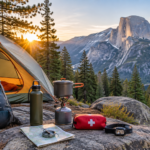
A reliable tent is one of the most important investments for anyone planning a solo camping trip. When traveling alone, you need shelter that can be assembled without assistance and provides enough protection from changing weather conditions. A lightweight one-person or two-person backpacking tent is often an excellent choice because it offers a balance between portability, comfort, and protection. Choosing a tent with a simple pole system and straightforward setup instructions can save time and energy after a long day of hiking.
Weather resistance is another important consideration when selecting a camping tent. Look for waterproof materials, sealed seams, strong poles, and a rainfly that provides adequate protection during unexpected showers. Good ventilation also helps reduce condensation inside the shelter, particularly when camping in humid environments. Although ultralight tents are attractive for backpackers, durability should never be sacrificed just to reduce weight. A dependable tent creates a comfortable personal space where solo campers can relax and recover.
2. Comfortable Sleeping Bags and Sleeping Pads
Getting enough sleep is essential during outdoor adventures, especially when you are responsible for managing every part of your trip. A quality sleeping bag provides warmth and comfort while protecting you from cold nighttime temperatures. Solo travelers should select a sleeping bag according to the expected weather conditions and seasonal temperature range of their destination. Three-season sleeping bags are versatile options for many spring, summer, and autumn camping trips, while insulated winter sleeping bags are more suitable for colder environments.
A sleeping pad is equally important because it creates insulation between your body and the ground. Without proper insulation, cold ground temperatures can make sleeping uncomfortable even when you have a warm sleeping bag. Inflatable sleeping pads are popular among backpackers because they provide cushioning while packing down into relatively small spaces. Foam sleeping pads are another practical option because they are durable, affordable, and do not require inflation. Combining a suitable sleeping bag with a comfortable sleeping pad can significantly improve your camping experience.
3. Portable Camping Stoves and Cooking Equipment
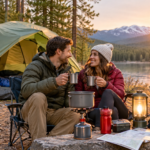
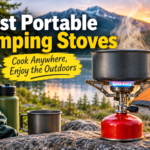
Preparing meals independently is an important part of solo camping, and a compact camping stove makes outdoor cooking considerably easier. Instead of relying entirely on ready-to-eat meals, you can prepare warm food, boil drinking water, and enjoy simple recipes at your campsite. Small backpacking stoves are especially useful because they are designed to minimize weight without taking up too much storage space. Look for models with stable pot supports, reliable ignition systems, and straightforward controls.
Your cooking equipment should also include a lightweight pot, reusable utensils, a compact cup, and a small cleaning sponge. Nesting cookware sets are particularly convenient because several cooking accessories can fit inside one another, reducing the amount of space they occupy in your backpack. A durable container for food storage can also help keep supplies organized and protected from moisture. Before your trip, check fuel compatibility and local fire regulations, and never operate fuel-burning equipment inside an enclosed tent because of carbon monoxide poisoning and fire risks.
4. Reliable Water Filtration and Hydration Supplies
Access to safe drinking water is essential during every camping trip. Solo travelers cannot always depend on nearby shops or developed camping facilities, so carrying sufficient water and a reliable purification method is important. A reusable water bottle or hydration reservoir allows you to keep water accessible while hiking. Collapsible water containers are also useful because they provide additional storage without adding unnecessary bulk when empty.
Portable water filters are valuable accessories for trips where natural water sources may be available. Depending on the product, they can remove many harmful bacteria, parasites, and other contaminants. However, not every filter removes viruses or chemical pollutants, so it is important to understand the specific capabilities of your equipment. Water purification tablets or an appropriate boiling method can provide additional options when necessary. Always plan your water supply around the availability and reliability of local sources rather than assuming that streams and lakes contain safe drinking water.
5. First Aid Kits and Personal Safety Equipment
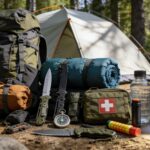
Safety equipment deserves special attention when camping alone because there may not be another person nearby to help during an emergency. A compact first aid kit should include adhesive bandages, sterile gauze, medical tape, antiseptic wipes, blister treatment supplies, and other basic first aid materials. You should also understand how to use the items in your kit before leaving home. A first aid kit is most useful when its contents match the activities, environment, and potential risks associated with your destination.
Additional safety equipment can make a significant difference when traveling through unfamiliar areas. A whistle, reliable headlamp, emergency blanket, and multipurpose tool are practical additions to a solo camper’s backpack. A personal locator beacon or satellite communicator can be especially valuable in remote locations where mobile phone coverage is unavailable. Carrying a fully charged phone with offline maps and sharing your itinerary with someone you trust also improves preparedness. Remember that safety equipment works best alongside good planning, weather awareness, and responsible outdoor decisions.
6. Durable Backpacks and Lightweight Storage Solutions
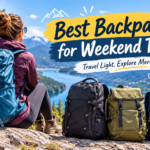
A comfortable backpack is essential for carrying camping equipment over long distances. Since solo travelers cannot distribute their supplies among several people, they need a backpack that offers sufficient storage without becoming unnecessarily heavy. A backpack in the 35-to-50-liter range may work well for many weekend backpacking trips, although the ideal capacity depends on your equipment, food requirements, and personal packing style. Adjustable shoulder straps, a supportive hip belt, and a ventilated back panel can make carrying equipment more comfortable.
Organization is another important part of efficient packing. Waterproof dry bags and lightweight packing cubes help separate clothing, sleeping equipment, food, and personal accessories. Keeping essential items in easily accessible compartments can save time when setting up camp or searching for equipment during unexpected weather. A rain cover or waterproof liner can provide additional protection against moisture. Before purchasing a backpack, consider its empty weight, carrying capacity, material quality, and fit. A properly fitted backpack makes long outdoor journeys much easier to manage.
7. Headlamps, Lanterns, and Portable Lighting
Lighting is one of the most useful camping essentials, particularly for people traveling without companions. A reliable headlamp allows you to prepare meals, organize equipment, walk around your campsite, and complete other activities after sunset while keeping both hands free. Look for a model with adjustable brightness, comfortable straps, and sufficient battery life for your planned trip. Rechargeable headlamps are convenient, while battery-powered options can be practical when access to charging facilities is limited.
A small camping lantern can provide additional light inside your tent or around your cooking area. Some compact lanterns offer adjustable brightness and multiple lighting modes, making them versatile accessories for different situations. Portable power banks are also helpful for charging phones, GPS devices, and rechargeable lights. When selecting lighting equipment, consider battery capacity, charging requirements, durability, and weather resistance. Carrying a backup light source is a sensible precaution when camping in remote environments.
8. Weather-Appropriate Clothing and Outdoor Accessories
Suitable clothing helps protect solo campers from changing temperatures, wind, rain, and direct sunlight. Instead of packing several bulky outfits, choose versatile clothing that can be layered according to weather conditions. Moisture-wicking base layers help manage perspiration, while insulating midlayers provide warmth when temperatures drop. A lightweight waterproof jacket offers protection during rainfall, and quick-drying trousers are useful for hiking through damp environments or crossing areas with light vegetation.
Footwear is equally important because uncomfortable shoes can turn an enjoyable camping trip into a difficult experience. Hiking shoes or boots should provide appropriate traction, support, and protection for the terrain. Merino wool or synthetic hiking socks can help manage moisture and reduce discomfort during long walks. Other useful accessories include a wide-brimmed hat, sunglasses, sunscreen, and lightweight gloves when appropriate. Always check the forecast and prepare for conditions that may be colder or wetter than expected.
Essential Camping Gear for Solo Travelers: Quick Comparison
Choosing camping equipment becomes easier when you understand the purpose of each item and its importance during an outdoor adventure. The following table highlights useful gear categories and the features worth considering before purchasing.
| Camping gear | Main purpose | Important features |
|---|---|---|
| Backpacking tent | Shelter and weather protection | Lightweight, waterproof, easy setup |
| Sleeping bag | Nighttime warmth | Suitable temperature rating, compact design |
| Sleeping pad | Ground insulation and comfort | Lightweight, durable, comfortable |
| Camping stove | Outdoor meal preparation | Portable, stable, fuel compatibility |
| Water filter | Drinking water treatment | Effective filtration, easy maintenance |
| First aid kit | Basic emergency care | Compact, well-stocked supplies |
| Hiking backpack | Carrying equipment | Comfortable fit, supportive straps |
| Headlamp | Hands-free lighting | Long battery life, adjustable brightness |
| Power bank | Charging electronics | Suitable capacity, reliable output |
| Rain jacket | Weather protection | Waterproof, breathable, packable |
The best equipment combination depends on the destination, trip duration, weather conditions, and activities you plan to enjoy. Beginners should focus on essential equipment rather than purchasing every available camping accessory. Investing in dependable items that serve multiple purposes can help reduce both packing weight and overall expenses.
9. How to Choose the Best Camping Gear on a Budget
Preparing for solo camping does not necessarily require purchasing expensive equipment. Many affordable camping products provide excellent performance when selected carefully. Start by identifying the essentials you genuinely need, including shelter, sleeping equipment, water supplies, cooking tools, and safety accessories. Compare materials, product specifications, customer feedback, and warranty information before making purchasing decisions. Paying attention to durability can help you avoid repeatedly replacing low-quality equipment.
Another effective way to manage camping expenses is to purchase equipment gradually. You can begin with basic items for short trips and upgrade your equipment as your experience increases. Borrowing or renting specialized equipment is also worth considering when you are unsure whether you will use it regularly. However, never compromise on critical safety equipment or weather protection simply to save money. A balanced approach helps you build a practical camping setup without spending unnecessarily.
10. Smart Packing Tips for a Successful Solo Camping Trip
Packing efficiently is particularly important when you are traveling alone because you must carry and organize every item yourself. Start by creating a checklist based on your destination and expected weather conditions. Divide your equipment into categories such as shelter, sleeping supplies, clothing, food, hydration, navigation, and emergency equipment. This approach helps prevent forgotten essentials and makes it easier to identify unnecessary items before departure.
Keep frequently used accessories in accessible pockets and place heavier equipment close to your back and around the middle of your backpack. Store clothing and sleeping supplies in waterproof bags to protect them from unexpected rainfall. Test your tent, stove, headlamp, and water filtration equipment at home before beginning your journey. It is also wise to inform someone you trust about your route, expected arrival time, and backup plans. Good preparation allows you to spend less time worrying about equipment and more time enjoying nature.
Conclusion
Choosing the best camping gear for solo travelers is about finding the right balance between comfort, portability, durability, and safety. A dependable tent, suitable sleeping bag, comfortable sleeping pad, portable stove, water filtration system, and well-stocked first aid kit form the foundation of a practical camping setup. Additional accessories such as a supportive backpack, headlamp, power bank, and weather-appropriate clothing make outdoor adventures more convenient. By choosing equipment according to your destination and personal requirements, you can prepare for different camping conditions without carrying unnecessary weight.
Solo camping offers an opportunity to enjoy independence, explore beautiful landscapes, and develop valuable outdoor skills. However, traveling alone also requires greater attention to preparation, navigation, and emergency planning. Start with shorter trips, become familiar with your equipment, and gradually expand your outdoor adventures as your confidence grows. With reliable gear and responsible planning, you can enjoy comfortable and memorable camping experiences while staying prepared for unexpected situations.
FAQs
1. What is the most important camping gear for solo travelers?
The most important camping equipment includes a reliable tent, sleeping bag, sleeping pad, backpack, water filtration system, and first aid kit. These essentials provide shelter, comfort, hydration, and basic emergency preparedness.
2. What size backpack is best for solo camping?
A 35-to-50-liter backpack is suitable for many weekend solo camping trips. Longer adventures or trips requiring additional food and specialized equipment may need a larger backpack.
3. Is a one-person tent suitable for solo camping?
Yes, a one-person tent is an excellent choice for lightweight camping. However, some solo travelers prefer a two-person tent because it offers additional room for equipment and personal comfort.
4. How can solo campers stay safe outdoors?
Solo campers should share their itinerary, carry navigation equipment, check weather conditions, pack emergency supplies, and understand local wildlife and environmental risks. A satellite communicator can be valuable in areas without mobile coverage.
5. What cooking equipment should I bring for solo camping?
A compact camping stove, lightweight cooking pot, reusable utensils, and suitable food storage containers are useful essentials. Choose equipment that is simple to operate and compatible with your planned fuel supply.
6. How much should I spend on solo camping gear?
Your budget depends on the quality, durability, and type of equipment you need. Beginners can start with affordable essentials and gradually invest in more specialized equipment as they gain outdoor experience.
7. What food is best for solo camping trips?
Lightweight meals such as oatmeal, dried fruits, nuts, instant rice, dehydrated meals, and energy bars are convenient choices. Select foods according to your nutritional needs, trip duration, and available cooking equipment.
8. Do solo campers need portable power banks?
A portable power bank is useful for charging phones, GPS devices, and rechargeable lighting equipment. Its capacity should match your electronic devices and the length of your camping trip.
9. Is lightweight camping gear better for solo travelers?
Lightweight gear is generally beneficial because solo travelers carry all their equipment themselves. However, products should also provide sufficient durability, weather protection, and safety for the intended environment.
10. What should beginners buy first for solo camping?
Beginners should prioritize a suitable tent, sleeping bag, sleeping pad, backpack, water bottle, first aid kit, and reliable lighting. These items provide a strong foundation for safe and comfortable outdoor adventures.

[…] 9, 2026 Best Luggage for Long Vacations: A Complete Guide to Choosing the Right Travel Suitcase November 9, 2026 Best Camping Gear for Solo Travelers: Essential Equipment for a Safe and […]