












































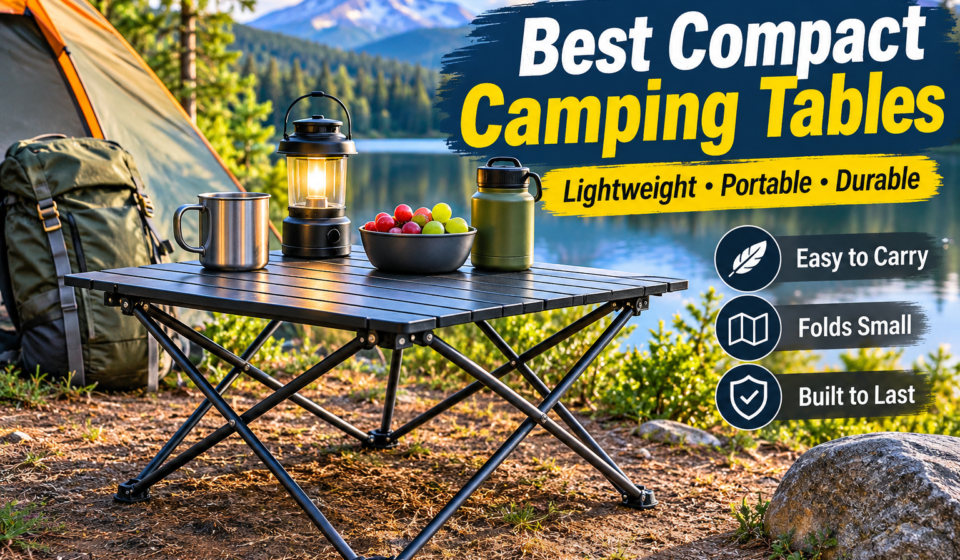
Best Compact Camping Tables: A Complete Guide to Choosing the Right Table for Outdoor Adventures

Camping is an enjoyable way to escape busy routines, explore nature, and spend quality time outdoors. Whether you are planning a weekend camping trip, a family vacation, a hiking adventure, or a peaceful afternoon at the beach, having the right equipment can make your experience more comfortable. One useful accessory that often gets overlooked is a portable camping table. It provides a convenient surface for preparing meals, organizing equipment, enjoying breakfast, and keeping essential items off the ground.
The best compact camping tables combine portability, durability, stability, and practical design without taking up too much space in your vehicle or backpack. Unlike traditional outdoor furniture, these tables are designed to fold, collapse, or disassemble into smaller packages for convenient transportation and storage. Choosing the right option depends on your camping style, available space, preferred materials, and intended use. Understanding these features can help you find a table that makes outdoor activities easier and more enjoyable.
1. Why Compact Camping Tables Are Essential for Outdoor Adventures
Making Campsites More Comfortable and Organized
A camping table provides a dedicated surface for everyday activities that can otherwise become inconvenient outdoors. Instead of placing cooking equipment, food containers, drinks, and personal belongings directly on the ground, campers can keep everything organized at a comfortable working height. This arrangement is especially helpful when preparing meals, arranging cooking supplies, or enjoying food with friends and family. A reliable table also makes a campsite feel more organized and functional.
Compact designs are particularly useful because camping equipment often competes for limited storage space. Large furniture can be difficult to transport, especially when traveling in smaller vehicles or carrying equipment to remote campsites. Folding legs, detachable frames, and roll-up tabletops help reduce storage requirements. These practical features allow campers to enjoy the benefits of outdoor furniture without sacrificing valuable space for other essential supplies.
2. Important Features to Look for When Choosing a Camping Table
Portability, Stability, and Adjustable Designs
Portability should be one of the first considerations when comparing outdoor tables. Lightweight aluminum frames, folding legs, and compact carrying cases make transportation easier. Some models feature roll-up tabletops that fit into narrow storage bags, while others use hinged panels that fold into a suitcase-style package. The best design depends on whether you are traveling by car, hiking with a backpack, or setting up a temporary outdoor kitchen. A convenient carrying system can make packing and unpacking considerably easier.
Stability is equally important because an outdoor table must support food, cooking accessories, drinks, and other equipment without wobbling. Look for secure locking mechanisms, reinforced joints, and well-designed leg structures. Adjustable-height legs can provide additional flexibility on uneven ground, although their locking systems should be reliable. Before purchasing, consider the table’s weight capacity, dimensions, and leg placement to ensure it can safely accommodate your intended activities.
3. Different Types of Compact Camping Tables
Folding, Roll-Up, and Collapsible Table Designs
Folding camping tables are popular because they offer a practical balance between convenience and functionality. Many models feature solid or divided tabletops connected to folding metal frames. They are relatively simple to assemble and often provide enough surface area for meals, drinks, and cooking accessories. Some designs fold into a flat package, making them suitable for car camping, picnics, and backyard gatherings. Their construction can also provide a more substantial working surface than extremely lightweight alternatives.
Roll-up and collapsible tables are useful for campers who prioritize minimal storage space. Roll-up models generally feature separate tabletop slats connected by flexible materials, allowing the surface to be packed into a compact carrying bag. Collapsible designs may use folding supports or interconnected components that fit together quickly. These options are particularly attractive for backpackers and outdoor travelers who need lightweight equipment. However, buyers should compare assembly requirements and surface stability before selecting a particular design.
4. Best Materials for Durable and Lightweight Camping Tables
Aluminum, Steel, Wood, and Plastic Construction
The material used in a camping table influences its weight, durability, appearance, and resistance to outdoor conditions. Aluminum is one of the most popular choices because it is lightweight, naturally resistant to rust, and relatively easy to maintain. Aluminum tabletops and frames are particularly suitable for campers who regularly transport their equipment. However, thin aluminum components can bend under excessive pressure, so construction quality and weight capacity remain important considerations.
Steel tables are generally heavier but can provide excellent structural strength when properly manufactured. They are often suitable for family camping, vehicle-based adventures, and outdoor cooking areas where portability is less important than stability. Plastic tabletops offer another practical option because they are easy to clean and resistant to moisture. Wooden camping tables provide a traditional appearance and can create a comfortable outdoor dining area, although they may require more maintenance and careful storage to prevent moisture-related damage.
5. Comparing Popular Compact Camping Table Features
Understanding Which Design Offers the Best Value
Not every camper needs the same type of table. Someone traveling alone may prefer an extremely lightweight model, while a family might need a larger surface for food preparation and shared meals. Understanding the differences between common designs can help narrow down the choices. It is also important to consider the packed dimensions because a table that looks compact when assembled may still require considerable storage space when folded.
The following comparison highlights common camping table styles and their practical advantages. Actual dimensions, weights, and load capacities vary between manufacturers and individual models, so always review the product specifications before purchasing.
| Table Type | Main Advantage | Ideal Use | Important Consideration |
|---|---|---|---|
| Folding aluminum table | Lightweight and portable | Car camping and picnics | Check frame strength. |
| Roll-up table | Compact storage | Backpacking and outdoor travel | The surface may have small gaps. |
| Collapsible table | Convenient transportation | Weekend camping | Check assembly mechanism. |
| Folding plastic table | Easy cleaning | Family camping | Can be bulkier |
| Wooden camping table | Natural appearance | Relaxed outdoor dining | Requires more maintenance |
| Adjustable-height table | Flexible setup | Uneven camping grounds | Check the leg-locking system. |
6. How to Choose the Right Camping Table for Your Needs
Matching Table Size, Weight, and Capacity to Your Camping Style
The right table size depends on how many people will use it and what activities you plan to perform. Solo campers generally need only a small surface for meals, drinks, and basic equipment. Couples may prefer a medium-sized design that provides enough room for two people without becoming difficult to transport. Families and larger groups should consider wider tabletops that can accommodate multiple plates, food containers, and cooking accessories. Measuring your available storage space before purchasing can also prevent transportation problems.
Your camping style should influence the weight and construction you choose. Backpackers usually benefit from lightweight aluminum or roll-up designs that can fit inside a backpack or attach securely to outdoor gear. Car campers have more flexibility and can choose larger folding models with stronger frames. For frequent outdoor use, prioritize durable joints, weather-resistant materials, and easy maintenance. A slightly more substantial table may offer better long-term value if it provides the stability and surface area you regularly need.
7. Practical Tips for Using and Maintaining Your Camping Table
Extending the Life of Your Outdoor Equipment
Proper maintenance helps preserve the appearance and functionality of camping furniture. After every trip, remove food particles, dirt, and moisture from the tabletop and frame. Use a soft cloth and a suitable cleaning solution based on the manufacturer’s instructions. Aluminum and plastic surfaces are generally easy to clean, while wooden components may require additional care. Allow all parts to dry completely before folding and storing the table to reduce the risk of mold, corrosion, and unpleasant odors.
Safe setup is another important part of maintaining your equipment. Always place the table on a reasonably level surface and make sure every leg is fully extended and locked before adding weight. Avoid placing heavy cooking equipment near the edges, and never exceed the manufacturer’s recommended weight capacity. When camping in windy conditions, remove loose items and follow the manufacturer’s guidance for securing the table. Store the table in its carrying bag or a dry storage area to protect it during transportation and between adventures.
Conclusion
Choosing the right outdoor furniture can make camping more convenient, organized, and enjoyable. The best compact camping tables offer a useful combination of lightweight construction, reliable stability, convenient folding mechanisms, and practical tabletop space. Whether you prefer a roll-up aluminum design for backpacking or a stronger folding model for family camping, understanding your requirements will help you make a better purchasing decision. Paying attention to materials, dimensions, weight capacity, and assembly features can also prevent common buying mistakes.
Before making your final choice, consider how frequently you camp, how much storage space you have, and what activities you expect the table to support. A suitable model should be easy to transport, simple to assemble, and durable enough for regular outdoor use. By comparing different designs and prioritizing essential features rather than unnecessary extras, you can find equipment that provides lasting value. A well-chosen camping table can become a dependable part of your outdoor setup for picnics, road trips, camping weekends, and many other adventures.
FAQs
1. What Is the Best Material for a Compact Camping Table?
Aluminum is a popular choice because it combines lightweight construction with good resistance to rust and outdoor moisture. Steel offers greater structural strength in many designs but is generally heavier. The best material depends on your transportation needs, preferred durability, and intended camping activities.
2. Are Folding Camping Tables Easy to Carry?
Yes, most folding camping tables are designed with portability in mind. Many feature collapsible frames, hinged surfaces, or carrying bags that make transportation easier. However, their packed weight and dimensions vary, so checking the specifications is important before purchasing.
3. What Size Camping Table Should I Buy?
The ideal size depends on the number of people using the table and its intended purpose. Small models are suitable for solo travelers and couples, while larger options provide more room for family meals and cooking equipment. Consider both assembled and folded dimensions.
4. Can Camping Tables Be Used for Outdoor Cooking?
Many camping tables can support lightweight cooking accessories, food preparation equipment, and portable kitchen supplies. However, not every tabletop is designed to withstand direct heat. Always follow the manufacturer’s safety instructions and use an appropriate heat-resistant surface when necessary.
5. Are Aluminum Camping Tables Durable?
Aluminum camping tables can be durable and suitable for frequent outdoor use. They resist rust and are relatively lightweight, making them convenient for transportation. Their overall strength depends on the thickness of the aluminum, frame design, joints, and manufacturing quality.
6. How Much Weight Can a Portable Camping Table Hold?
Weight capacity varies considerably depending on the materials, frame construction, and design. Some lightweight models support only basic camping accessories, while stronger tables can accommodate heavier equipment. Always check the manufacturer’s stated weight limit and distribute loads evenly.
7. Are Roll-Up Camping Tables Better Than Folding Tables?
Roll-up tables are often better for campers who prioritize compact storage and lightweight equipment. Traditional folding tables may provide a more solid working surface and simpler setup. Neither design is universally better because the right choice depends on transportation requirements and intended use.
8. How Do I Keep My Camping Table Stable on Uneven Ground?
Choose a table with adjustable legs or a frame designed for outdoor terrain. Position it on the most level available surface and make sure all locking mechanisms are secure. Avoid placing excessive weight on one side, especially when the ground is uneven.
9. Can I Leave My Camping Table Outside Overnight?
It is generally better to fold and store your table when it is not being used. Overnight exposure to rain, strong winds, dirt, and temperature changes may affect certain materials and components. Check the manufacturer’s care instructions for weather-resistance recommendations.
10. Are Compact Camping Tables Worth Buying?
Yes, they can be a valuable addition to camping equipment because they provide a convenient surface for meals, cooking supplies, and personal belongings. Their foldable construction also makes storage and transportation easier. Choosing a model that matches your camping style can provide excellent long-term value.
