








































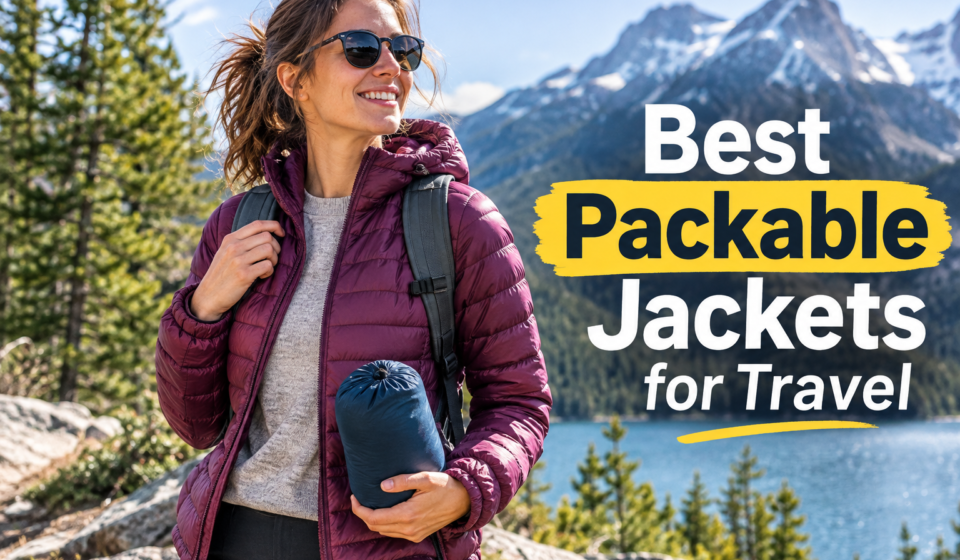
Best Packable Jackets for Travel: Lightweight, Compact, and Comfortable Options for Every Trip

Choosing the best packable jackets for travel can make a significant difference in how comfortably you explore new destinations. Whether you are planning a weekend getaway, an international vacation, a hiking adventure, or a long business trip, having a lightweight jacket that fits easily into your luggage is incredibly useful. Weather conditions can change unexpectedly, and a compact jacket provides an extra layer of protection without taking up valuable packing space. Instead of carrying a bulky coat, travelers can choose versatile outerwear designed to offer warmth, comfort, and convenience.
The best travel jackets combine lightweight materials, practical features, and easy storage. Many modern designs can fold into their own pockets or compact carrying pouches, making them convenient for backpacks, carry-on bags, and suitcases. Some provide insulation for chilly mornings, while others offer waterproof protection against unexpected rain or wind. Understanding the different styles, materials, and features can help you find a jacket that suits your destination and travel activities. This guide explores what makes packable jackets useful, which styles are worth considering, and how to choose the right option for your next adventure.
1. Why the Best Packable Jackets for Travel Are Worth Considering
Lightweight Design for Easier Packing
One of the biggest advantages of packable jackets is their lightweight construction. Traditional winter coats and heavy outdoor jackets can occupy considerable space inside a suitcase, making it difficult to pack other important travel essentials. Packable designs solve this problem by using lightweight fabrics and efficient construction that reduce unnecessary bulk. Many jackets compress into small pouches or fold neatly into an integrated pocket, allowing travelers to carry them without feeling weighed down.
Lightweight construction is particularly helpful for people who travel frequently or prefer packing with a carry-on suitcase. Instead of sacrificing space for heavy outerwear, you can bring a jacket that remains available whenever temperatures drop. A compact jacket can also fit inside a daypack during sightseeing, making it easier to adjust your clothing throughout the day. When comparing different options, consider both the jacket’s actual weight and its packed dimensions because a lightweight jacket is not always the most compact one.
Convenient Protection Against Changing Weather
Travel often involves moving between different climates, elevations, and environments. A destination may feel warm during the afternoon but become chilly after sunset. Air-conditioned airports, mountain viewpoints, coastal areas, and rainy streets can also create situations where an additional layer becomes necessary. The best packable jackets for travel offer convenient protection without requiring travelers to carry several bulky clothing items.
Different jacket designs provide different levels of protection. Insulated jackets help retain body heat in colder conditions, while windbreakers reduce the discomfort caused by strong breezes. Waterproof shells are useful in wet weather, and lightweight softshell jackets provide a balance of flexibility and everyday comfort. Selecting the right design depends on the weather you expect to encounter. A versatile packable jacket can become one of the most frequently used items in your travel wardrobe.
2. Best Types of Packable Jackets for Different Travel Needs
Packable Down Jackets for Cold Destinations
Packable down jackets are popular among travelers who need warmth without carrying heavy outerwear. They usually contain natural down insulation that traps warm air and provides an excellent warmth-to-weight ratio. Many designs compress into small storage pouches, making them suitable for winter vacations, cold-weather city breaks, and mountain destinations. Their lightweight construction allows travelers to wear them comfortably during sightseeing, outdoor activities, and everyday journeys.
However, down insulation performs differently when exposed to moisture. Traditional down can lose much of its insulating ability when it becomes wet, so travelers visiting rainy destinations should consider a water-resistant outer fabric or synthetic insulation. Down jackets are especially useful when warmth and compact storage are the main priorities. Before purchasing one, check its insulation quality, fill power, shell material, and packed size to determine whether it suits your intended destination.
Synthetic Insulated Jackets for Versatile Travel
Synthetic insulated jackets are another excellent option for travelers who want lightweight warmth with greater resistance to damp conditions. Their insulation uses manufactured fibers designed to retain heat even when exposed to some moisture. Although synthetic jackets can sometimes be bulkier than comparable down designs, many modern versions offer impressive compressibility and practical everyday performance.
These jackets are particularly suitable for destinations where weather conditions are unpredictable. They can provide comfortable insulation during cool mornings, breezy evenings, and outdoor excursions. Synthetic materials are also generally easier to maintain than delicate natural down. Travelers should compare insulation weight, breathability, drying performance, and storage convenience when selecting a synthetic jacket. A well-designed option can provide reliable comfort throughout a variety of travel experiences.
Waterproof and Windproof Packable Shells
Waterproof packable jackets are useful for travelers who frequently encounter rain. These jackets generally use protective outer fabrics, sealed or taped seams, and adjustable features that help prevent water from entering. Many designs are lightweight enough to fit into a small backpack compartment, making them convenient for sightseeing, hiking, and outdoor travel. A breathable waterproof jacket is particularly helpful because it can protect against rain while allowing some moisture from perspiration to escape.
Windproof shells offer a different type of protection. They are designed to reduce the effects of cold air moving across the body, which can make outdoor conditions feel significantly colder. Some lightweight shells combine wind resistance with water-repellent coatings, offering practical protection for everyday travel. However, not every water-resistant jacket is fully waterproof. Check the manufacturer’s specifications carefully if you expect prolonged rainfall or challenging outdoor conditions.
3. Important Features to Look for in Packable Travel Jackets
Fabric Quality, Breathability, and Durability
Fabric quality plays an important role in determining how well a travel jacket performs. Nylon and polyester are common choices because they are relatively lightweight, durable, and suitable for compact outerwear. Ripstop fabrics are particularly useful for outdoor adventures because their reinforced construction helps limit the spread of small tears. These materials can withstand regular packing and unpacking while remaining comfortable for everyday use.
Breathability is equally important, especially when walking through crowded cities or exploring hiking trails. A jacket that traps excessive heat and moisture can quickly become uncomfortable during physical activities. Look for ventilation features, breathable membranes, and moisture-managing materials when choosing a jacket for active travel. A good balance between protection and airflow helps maintain comfort across changing temperatures. The fabric should also feel comfortable against your clothing and remain flexible enough for unrestricted movement.
Packability, Pockets, and Adjustable Features
A genuinely packable jacket should be easy to fold and store without complicated steps. Some models include an integrated pocket that doubles as a storage pouch, while others come with a separate compression bag. Both options can work well, but integrated storage is often more convenient because it reduces the possibility of losing a separate pouch. Always check the packed measurements if you have limited luggage space.
Practical details can make a jacket much more useful during a trip. Secure zippered pockets help protect small essentials, while adjustable cuffs and hems allow you to customize the fit. A hood can provide additional protection against light rain and wind, especially when traveling outdoors. Two-way zippers, chin guards, and elasticated openings may also improve comfort. Although these features might appear minor, they can make a noticeable difference during long days of travel.
4. How to Choose the Best Packable Jackets for Travel Destinations
Jackets for Warm and Mild Destinations
Travelers visiting warm or mild destinations generally need protection against occasional wind, cool evenings, and air-conditioned environments rather than heavy insulation. A lightweight windbreaker or thin water-resistant shell can provide sufficient coverage without creating unnecessary warmth. These jackets are especially practical for coastal vacations, spring city breaks, and destinations where daytime temperatures are comfortable but evenings become cooler.
Look for breathable materials, simple construction, and easy storage when selecting outerwear for warmer climates. A jacket with a compact hood and a few secure pockets can provide useful functionality without adding unnecessary weight. Neutral colors and versatile designs also make it easier to coordinate the jacket with different outfits. For destinations with unpredictable rainfall, choosing a lightweight waterproof layer may provide more value than purchasing a heavily insulated jacket.
Jackets for Cold and Mountain Destinations
Cold-weather travel requires more attention to insulation and layering. Travelers visiting snowy cities, mountain regions, or high-altitude destinations may benefit from a packable down jacket or synthetic insulated design. These jackets provide additional warmth while remaining easier to transport than traditional winter coats. A well-fitting design should allow enough room for a thermal base layer or fleece underneath without restricting movement.
For extremely cold destinations, a single lightweight jacket may not provide sufficient protection. Layering becomes particularly important because it allows travelers to adjust their clothing according to changing temperatures and activity levels. A thermal base layer, insulating midlayer, and protective outer shell can provide more flexibility than relying on one heavy coat. Consider the expected temperature, wind exposure, and precipitation before deciding which jacket to pack.
5. Comparing Popular Packable Jacket Styles for Travel
The right jacket depends on your destination, packing preferences, and expected activities. Some designs prioritize warmth, while others focus on weather protection and minimal storage space. Comparing the main categories makes it easier to understand which style offers the most practical benefits.
| Jacket type | Main advantage | Best suited for | Packing convenience |
|---|---|---|---|
| Packable down jacket | Excellent lightweight warmth | Cold-weather vacations | Very good |
| Synthetic insulated jacket | Warmth in damp conditions | Unpredictable weather | Good |
| Waterproof shell | Rain protection | Wet destinations | Very good |
| Lightweight windbreaker | Protection against wind | Mild climates | Excellent |
| Softshell jacket | Flexibility and comfort | Hiking and outdoor activities | Good |
| Packable fleece jacket | Soft and comfortable insulation | Cool everyday conditions | Moderate |
Finding the Right Balance Between Warmth and Weight
The warmest jacket is not necessarily the best choice for every traveler. A heavily insulated option may be useful for a winter adventure but uncomfortable during a mild-weather vacation. Similarly, an extremely thin windbreaker may be easy to pack but provide little warmth when temperatures drop. Finding the right balance between insulation, weight, and weather protection is essential.
Consider the activities you expect to enjoy during your trip. A traveler spending most of the vacation exploring museums and restaurants may prefer a stylish lightweight jacket, while someone planning mountain hikes may need better insulation and weather resistance. It is also useful to consider how the jacket fits into your existing wardrobe. A versatile option that works with multiple outfits can reduce the number of clothing items you need to pack.
Understanding Value and Long-Term Use
Price is another factor worth considering when comparing the best packable jackets for travel. A more expensive jacket may offer better materials, stronger construction, and improved insulation, but a higher price does not automatically guarantee better performance. Compare the specifications and practical features rather than focusing exclusively on the brand or advertised technology.
Think about how frequently you will use the jacket outside your vacation. A durable design that works for daily commuting, weekend walks, and outdoor activities may provide better long-term value than a jacket intended for occasional travel only. Checking warranty coverage, care instructions, fabric quality, and customer feedback can also help you make a more informed decision.
6. Packing and Caring for Your Packable Travel Jacket
How to Pack a Jacket Without Taking Up Extra Space
Packing a jacket correctly helps preserve luggage space and keeps your travel essentials organized. Start by checking the manufacturer’s storage instructions because some insulated materials should not remain compressed for unnecessarily long periods. If your jacket includes an integrated storage pocket, follow the recommended folding process. Otherwise, a lightweight packing pouch can help keep it compact and easy to locate.
When packing a jacket inside a suitcase, place it in an area where it will not be exposed to sharp objects or excessive pressure. For backpack travel, store it in an accessible compartment so you can quickly retrieve it when temperatures change. If you are flying, keeping a lightweight jacket near the top of your carry-on can also be helpful. This allows you to use it during cold flights or when moving between airports and outdoor transportation areas.
Cleaning and Maintaining Your Jacket
Proper care can extend the useful life of a packable jacket. Always read the manufacturer’s washing instructions before cleaning it because down insulation, synthetic fibers, waterproof coatings, and technical fabrics may require different treatments. Some jackets are machine washable, while others need specialized detergents or gentle washing methods. Avoid using unsuitable cleaning products that could damage the fabric or reduce its protective properties.
After washing, make sure the jacket is completely dry before storing it. Down jackets may require careful drying to prevent insulation from clumping, while waterproof shells should be maintained according to their specific care instructions. When you return home, avoid leaving insulated outerwear compressed inside its travel pouch for long periods. Store it in a clean, dry place where the insulation can maintain its original loft. Regularly checking zippers, seams, and fabric condition can also help identify minor problems before your next journey.
Conclusion
The best packable jackets for travel combine lightweight construction, convenient storage, and practical weather protection. Whether you prefer a compact down jacket for colder destinations, a synthetic insulated option for unpredictable weather, or a waterproof shell for rainy adventures, the right choice depends on your individual travel needs. Features such as breathable materials, secure pockets, adjustable hoods, and durable fabrics can make a jacket considerably more useful. By comparing insulation, packed dimensions, and weather resistance, you can find an option that provides comfort without taking up too much luggage space.
A good travel jacket is more than an additional clothing layer; it is a practical investment in a more comfortable journey. Choosing a versatile design that suits different outfits and weather conditions can help you pack efficiently while staying prepared for unexpected changes. Before your next vacation, consider your destination, planned activities, and expected temperatures to select the most appropriate jacket. With the right combination of comfort, durability, and packability, you can enjoy greater flexibility and confidence wherever your travels take you.
FAQs About the Best Packable Jackets for Travel
1. What Are the Best Packable Jackets for Travel?
The best options depend on your destination and weather conditions. Packable down jackets are excellent for lightweight warmth, synthetic insulated jackets work well in damp conditions, and waterproof shells are useful for rainy destinations. Lightweight windbreakers are suitable for mild climates and everyday sightseeing.
2. Are Packable Jackets Warm Enough for Winter Travel?
Yes, some packable jackets provide excellent warmth for winter travel. Down and synthetic insulated designs can retain body heat while remaining lightweight. However, for extremely cold conditions, you may need additional thermal layers and a protective outer shell.
3. Do Packable Jackets Fit Inside a Carry-On Bag?
Most packable jackets are designed to fit easily inside carry-on luggage. Many fold into their own pockets or compact storage pouches. Checking the packed dimensions before purchasing can help ensure that the jacket fits your available luggage space.
4. Is Down or Synthetic Insulation Better for Travel?
Down insulation generally provides an excellent warmth-to-weight ratio and compresses efficiently. Synthetic insulation usually performs better when exposed to moisture and can be easier to maintain. Your destination and expected weather conditions should determine which option is more suitable.
5. Are Waterproof Packable Jackets Worth Buying?
Waterproof packable jackets are worth considering if you frequently travel to destinations with unpredictable rainfall. They provide protection against wet weather while remaining convenient to carry. Look for breathable fabrics, sealed seams, and reliable waterproof construction.
6. What Material Is Best for a Lightweight Travel Jacket?
Nylon and polyester are popular materials because they offer a useful combination of low weight and durability. Ripstop fabrics can provide additional resistance to tearing, while specialized breathable materials improve comfort during active travel.
7. Can You Wear a Packable Jacket for Hiking?
Yes, many packable jackets are suitable for hiking. Lightweight windbreakers, waterproof shells, and synthetic insulated jackets can provide useful protection on outdoor trails. Choose a breathable design that allows comfortable movement and matches the weather conditions.
8. How Should You Store a Packable Jacket?
Follow the manufacturer’s storage instructions and avoid keeping insulated jackets compressed for extended periods. Make sure the jacket is completely dry before storing it in a clean, dry location. This helps preserve the fabric and insulation.
9. What Should I Look for When Buying a Packable Travel Jacket?
Consider weight, packed dimensions, insulation, weather resistance, breathability, durability, and pocket design. You should also check whether the jacket has an integrated storage pouch and whether it can be comfortably layered over other clothing.
10. Are Packable Jackets Suitable for International Travel?
Absolutely. Packable jackets are particularly useful for international travel because they are easy to carry and can accommodate changing climates. A versatile jacket can be used during flights, sightseeing, outdoor excursions, and cool evenings without occupying excessive luggage space.
