



































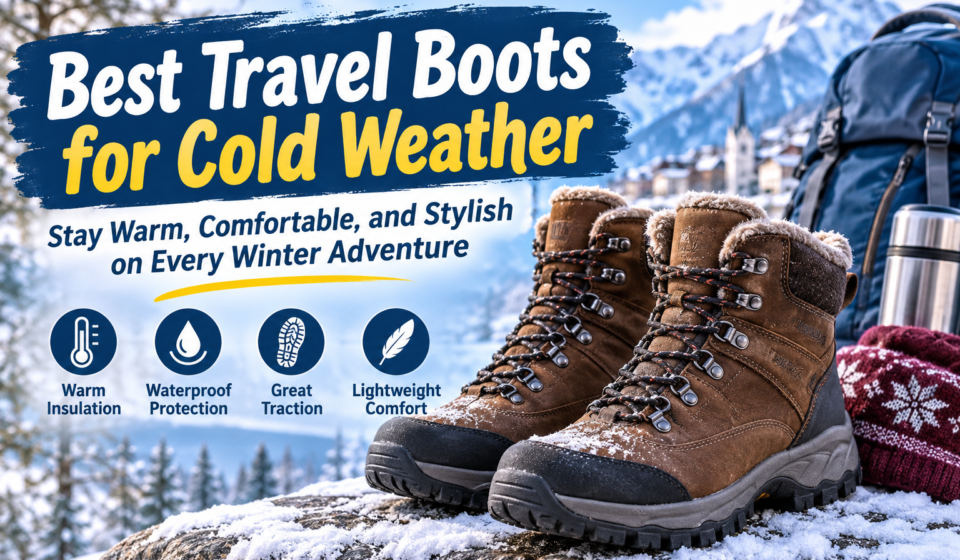
Best Travel Boots for Cold Weather: Stay Warm, Comfortable, and Stylish on Every Winter Adventure

Choosing the best travel boots for cold weather is essential when planning a winter vacation, snowy getaway, or outdoor adventure. Cold temperatures, icy sidewalks, unexpected snowfall, and wet conditions can make traveling uncomfortable without the right footwear. A reliable pair of winter travel boots helps keep your feet warm, dry, and comfortable while allowing you to explore new destinations with confidence. Whether you are walking through charming European streets, visiting snowy mountain towns, or enjoying a winter city break, the right boots can make a significant difference in your overall travel experience.
Unlike ordinary winter footwear, travel boots should combine warmth, durability, lightweight construction, and everyday comfort. They should provide enough insulation for cold weather without feeling too heavy during long sightseeing days. Waterproof materials, supportive footbeds, flexible soles, and dependable traction are also important features to consider. Finding the right balance between protection and comfort can help you avoid tired feet and enjoy more activities throughout your trip.
In this guide, we explore the best travel boots for cold weather, the features that matter most, and how to select footwear for different winter destinations. Understanding these factors will help you choose boots that match your travel plans, personal style, and comfort requirements.
1. Insulated Travel Boots for Maximum Warmth
Why Insulation Matters During Winter Travel
Insulated travel boots are an excellent choice for travelers visiting destinations with freezing temperatures. Quality insulation helps retain body heat and reduces the discomfort associated with prolonged exposure to cold weather. Materials such as synthetic insulation, fleece linings, and wool blends can provide additional warmth without necessarily making boots excessively bulky. These features are particularly useful when spending several hours outdoors sightseeing, exploring winter markets, or walking through snowy neighborhoods.
When choosing insulated boots, consider the temperature conditions of your destination rather than focusing only on how thick the lining feels. Some boots are designed for mild winter weather, while others provide protection in much colder environments. A comfortable fit is equally important because excessively tight footwear can restrict circulation and make feet feel colder. Leaving enough room for suitable winter socks can improve comfort and warmth during long travel days.
Best Features to Look for in Warm Winter Boots
The best insulated travel boots combine effective heat retention with breathable construction. Breathability matters because feet can become sweaty during walking, even in cold temperatures. Moisture trapped inside footwear may eventually make your feet feel uncomfortable and cold. Boots with moisture-managing linings and removable insoles can help maintain a more comfortable environment throughout the day.
Lightweight insulation is another valuable feature for travelers who want practical footwear without unnecessary weight. Heavy winter boots may provide warmth, but they can become tiring when walking through airports, train stations, and busy tourist areas. Look for a design that provides sufficient insulation while remaining flexible enough for everyday movement.
2. Waterproof Travel Boots for Snow and Rain
The Importance of Waterproof Protection
Waterproof travel boots are especially useful when visiting destinations that experience snow, rain, slush, or unpredictable winter weather. Wet socks can quickly ruin a sightseeing day, making waterproof construction one of the most important features to consider. Boots with waterproof membranes, sealed seams, and water-resistant treated uppers help prevent moisture from entering the footwear.
Leather and synthetic materials can both work well for winter travel when they are properly constructed and maintained. Full-grain leather offers durability and can provide good protection when treated with an appropriate waterproof product. Synthetic uppers may offer easier maintenance and lighter weight. Regardless of the material, travelers should check whether the entire boot is waterproof or simply water-resistant, as these terms do not describe the same level of protection.
Choosing Boots That Handle Different Weather Conditions
Winter destinations rarely have identical weather conditions. A traveler visiting a rainy coastal city may need different footwear from someone exploring a snowy mountain village. Waterproof boots with protective uppers and durable construction are suitable for wet urban environments, while deeper lugs and stronger insulation may be more appropriate for snowy outdoor destinations.
Pay attention to the tongue construction, seams, and opening around the ankle. Water can enter through these areas even when the boot material itself is waterproof. A gusseted tongue and higher ankle design can provide additional protection when walking through deeper snow or wet conditions. For everyday travel, choose a boot that offers dependable weather protection without compromising flexibility.
3. Lightweight Winter Boots for Comfortable Sightseeing
Why Lightweight Footwear Is Better for Long Travel Days
Lightweight winter boots are ideal for travelers who spend most of their vacations exploring cities, visiting attractions, and walking between different destinations. Heavy footwear can increase fatigue, particularly when carrying luggage or navigating large airports. A lighter design makes it easier to move naturally and remain comfortable throughout a busy travel schedule.
However, lightweight construction should never come at the expense of essential winter protection. The best travel boots for cold weather should still provide adequate insulation, supportive cushioning, and reliable traction. Modern synthetic materials and flexible sole designs can help reduce overall weight while maintaining durability. Travelers should also consider how easily the boots fit into their luggage when packing for a multi-destination vacation.
Finding the Right Balance Between Weight and Support
A lightweight boot should provide enough structure to support the foot during extended walking. Flexible soles, cushioned midsoles, and comfortable ankle support can reduce pressure during everyday activities. A well-designed footbed also helps distribute weight more evenly, which may improve comfort during long sightseeing sessions.
Before traveling, try wearing your boots for several shorter walks to identify potential rubbing points or discomfort. This is especially important when purchasing new winter footwear. Breaking in boots before departure gives you time to adjust the fit and determine whether they work well with your preferred winter socks. Choosing comfortable footwear before your trip can prevent unnecessary problems once you arrive at your destination.
4. Winter Hiking Boots for Outdoor Adventures
Traction and Stability on Snowy Trails
Winter hiking boots are suitable for travelers planning outdoor adventures in cold destinations. Walking trails, mountain paths, and snowy countryside routes require footwear that provides more than basic insulation. Deep outsole lugs, durable construction, and supportive ankle designs can improve stability when traveling across uneven surfaces.
Rubber outsoles with winter-friendly tread patterns can provide better grip on many outdoor surfaces. However, ordinary hiking boots are not guaranteed to prevent slipping on polished ice. Travelers should consider additional traction devices when visiting destinations with icy walking conditions. Proper footwear combined with careful walking techniques can help reduce the risk of falls.
Comfort and Durability for Outdoor Travel
Outdoor winter travel often involves longer distances and changing terrain. Boots with supportive midsoles, protective toe areas, and durable uppers can help improve comfort during these activities. A cushioned interior is useful when walking for several hours, while a stable sole can provide additional confidence on rough trails.
The height of the boot is another important consideration. Mid-height and high-cut designs can offer additional ankle coverage and help prevent snow from entering the footwear. However, taller boots may feel less flexible than shorter designs. Travelers should choose footwear according to their planned activities rather than purchasing the most rugged option available.
5. Stylish Travel Boots for Winter City Breaks
Combining Fashion and Practical Winter Protection
Winter vacations often involve sightseeing, restaurants, shopping districts, and social activities. Travelers may want footwear that looks attractive with different outfits while providing protection against cold temperatures. Stylish winter travel boots make it easier to maintain a practical wardrobe without sacrificing personal style.
Leather ankle boots, insulated Chelsea boots, and casual winter lace-up designs are popular options for city travel. Neutral shades such as black, brown, gray, and tan are versatile choices because they complement jeans, trousers, winter coats, and casual travel outfits. A simple design can also make packing easier because one pair of boots may work with several different clothing combinations.
Selecting Versatile Boots for Multiple Occasions
Versatility is especially valuable when traveling with limited luggage space. A pair of winter boots that works for sightseeing, casual dining, and everyday walking can reduce the need to pack additional shoes. Look for comfortable cushioning, weather-resistant materials, and a sole that provides adequate traction for typical city conditions.
Avoid choosing fashionable boots based entirely on appearance. Some decorative designs have smooth soles, limited insulation, or uncomfortable interior construction. Before purchasing, examine the outsole, ankle support, lining, and overall fit. The best stylish travel boots offer a combination of appearance and functionality, allowing you to enjoy your vacation without constantly worrying about your footwear.
6. How to Choose the Best Travel Boots for Cold Weather
Important Features to Compare Before Buying
Selecting winter travel footwear becomes easier when you understand the features that directly affect comfort and performance. Insulation is important for cold temperatures, while waterproof construction protects against rain and melting snow. Outsole traction helps with stability, and cushioned footbeds support comfortable walking. These features should be considered together rather than choosing boots based on a single specification.
The following table provides a practical comparison of common winter travel boot types and their most suitable uses.
| Boot Type | Main Advantage | Best For |
|---|---|---|
| Insulated winter boots | Retain warmth | Freezing temperatures |
| Waterproof travel boots | Protect against moisture | Rain and wet snow |
| Lightweight winter boots | Reduce walking fatigue | City sightseeing |
| Winter hiking boots | Support and traction | Outdoor adventures |
| Leather ankle boots | Versatile appearance | Winter city breaks |
| Snow boots | Added snow protection | Snowy destinations |
This comparison can help travelers narrow down their choices according to the weather and activities they expect during their vacations. Someone visiting a snowy mountain destination may benefit from insulated snow boots, while a traveler exploring a European city may prefer lightweight waterproof footwear. Choosing the right category is the first step toward finding comfortable winter travel shoes.
Getting the Correct Fit for Winter Conditions
Fit is one of the most important considerations when purchasing travel boots. Winter footwear should have enough room for your toes to move comfortably, especially when wearing thicker socks. However, boots should not feel excessively loose because unnecessary movement can cause friction and discomfort. Try footwear with the type of socks you expect to wear during your trip.
Pay attention to heel movement, toe space, and pressure around the sides of your feet. A secure heel and comfortable forefoot help support natural walking. Removable insoles can also be useful if you prefer additional cushioning or need to use compatible orthotic inserts. Always test your boots indoors before taking them on a long journey, and follow the manufacturer’s care recommendations to maintain their performance.
Conclusion
Choosing the best travel boots for cold weather can make winter vacations more comfortable, enjoyable, and convenient. The right footwear should provide sufficient insulation, reliable weather protection, supportive cushioning, and dependable traction. Travelers visiting snowy destinations may prefer insulated winter or snow boots, while those exploring urban environments can benefit from lightweight waterproof designs. Outdoor enthusiasts should prioritize stability and durable construction when selecting boots for winter hiking and nature adventures.
Before purchasing, consider your destination’s typical temperatures, expected walking activities, and personal comfort preferences. Check the materials, outsole design, waterproof features, and overall fit to ensure your footwear meets your travel requirements. Investing in a versatile and comfortable pair of winter travel boots can help protect your feet and make every part of your cold-weather adventure more enjoyable.
Frequently Asked Questions (FAQs)
1. What Are the Best Travel Boots for Cold Weather?
The best travel boots for cold weather combine insulation, waterproof protection, comfortable cushioning, and reliable traction. The ideal option depends on your destination, expected temperatures, and planned activities.
2. Are Waterproof Boots Necessary for Winter Travel?
Waterproof boots are highly useful when traveling to destinations with snow, rain, or slushy streets. They help prevent moisture from entering the footwear and keep your feet more comfortable during outdoor activities.
3. Can I Wear Hiking Boots for Winter Travel?
Yes, winter hiking boots can be suitable for travel, especially when visiting mountainous areas or outdoor destinations. Choose a design with adequate insulation, supportive construction, and an outsole appropriate for the terrain.
4. Are Lightweight Boots Good for Cold Weather?
Lightweight boots can be excellent for winter travel when they provide sufficient insulation and weather protection. They are particularly useful for sightseeing because they reduce unnecessary weight during extended walking.
5. How Should Winter Travel Boots Fit?
Winter boots should feel secure without squeezing your feet. Leave enough room for your toes to move and accommodate suitable winter socks without creating excessive looseness around the heel.
6. Which Materials Are Best for Winter Travel Boots?
Leather, synthetic fabrics, waterproof membranes, and insulated textile linings are common materials used in winter travel footwear. The best combination depends on your need for warmth, durability, breathability, and moisture protection.
7. How Can I Prevent My Feet From Getting Cold While Traveling?
Choose appropriately insulated boots, wear suitable moisture-managing winter socks, and avoid footwear that feels too tight. Keeping your feet dry is also important for maintaining comfort in cold weather.
8. Are Leather Boots Suitable for Snowy Destinations?
Leather boots can work well in snowy conditions when they have suitable waterproof treatment, protective construction, and grippy outsoles. However, not every leather boot is designed for prolonged exposure to snow or freezing temperatures.
9. How Many Pairs of Boots Should I Pack for a Winter Vacation?
One versatile pair may be enough for a short trip if it suits your activities and weather conditions. Longer vacations involving different environments may require an additional pair of footwear for specialized outdoor activities.
10. How Can I Maintain My Winter Travel Boots?
Clean away dirt, salt, and moisture after use. Allow boots to dry naturally, follow the manufacturer’s cleaning instructions, and apply suitable leather conditioner or waterproof treatment when recommended. Proper care can help extend their useful life.
