


































Camping is one of the most enjoyable ways to explore nature, experience beautiful landscapes, and take a break from everyday routines. Whether you are planning a weekend at a national park, a road trip with friends, or a longer outdoor adventure, choosing the right clothing can make a significant difference in your comfort. Unlike ordinary travel, camping often involves changing weather conditions, uneven trails, outdoor activities, and limited opportunities to change or wash clothes. The best travel clothes for camping should therefore provide comfort, flexibility, durability, and protection throughout the journey.
Packing suitable clothing also makes it easier to enjoy different camping activities without carrying an unnecessarily heavy suitcase or backpack. Lightweight shirts, breathable pants, moisture-wicking base layers, waterproof jackets, and comfortable footwear are useful choices for many outdoor environments. The ideal clothing combination depends on the season, destination, expected temperatures, and activities planned during the trip. By selecting versatile pieces that work together, campers can create a practical travel wardrobe that supports both outdoor performance and everyday comfort.
Why Choosing the Best Travel Clothes for Camping Matters
Camping clothing serves a different purpose from the outfits people usually wear during city vacations. Outdoor environments can expose travelers to sunlight, wind, rain, cold temperatures, insects, and rough surfaces. Clothing that feels comfortable during a short walk around town may become uncomfortable during several hours of hiking or outdoor exploration. Choosing appropriate materials and practical designs helps campers stay comfortable while moving between different activities.
Another important consideration is versatility. Camping trips often involve limited packing space, especially when travelers carry their equipment in backpacks or compact vehicle storage. Clothing that can be worn for hiking, relaxing at the campsite, and traveling between destinations makes packing more efficient. Quick-drying fabrics, lightweight layers, and neutral colors can help create multiple outfit combinations without bringing unnecessary items. A well-planned camping wardrobe allows travelers to focus more on enjoying the outdoors and less on managing their clothing.
Best Moisture-Wicking Shirts for Camping
Moisture-wicking shirts are among the most useful clothing choices for camping because they help move perspiration away from the skin. During hiking, setting up tents, or exploring outdoor trails, the body can produce considerable moisture. Regular cotton shirts may remain damp for longer periods, which can cause discomfort, particularly in warm or humid conditions. Performance shirts made from polyester, nylon blends, or suitable technical fabrics are often more practical because they dry relatively quickly and support comfortable movement.
Short-sleeve shirts are useful for warm-weather camping, while lightweight long-sleeve options provide additional coverage from direct sunlight and insects. Campers should look for comfortable seams, breathable construction, and a suitable fit that does not restrict movement. Neutral and versatile colors also make it easier to combine shirts with different pants and outerwear. Packing two or three suitable shirts for a short camping trip can provide enough flexibility for changing activities and weather conditions.
Best Lightweight Hiking Pants for Camping
Lightweight hiking pants are a practical choice for campers who want comfort and protection during outdoor activities. Unlike heavy everyday trousers, purpose-designed hiking pants often use flexible materials that support walking, climbing, bending, and sitting around a campsite. Many options also include practical pockets for carrying small essentials. Fabrics made from nylon or polyester blends can offer a useful combination of durability, breathability, and quick-drying performance.
Convertible hiking pants are another option worth considering for changing temperatures. Some designs allow the lower legs to be removed, turning full-length trousers into shorts when conditions become warmer. Stretch waistbands, articulated knees, and adjustable cuffs can also improve comfort during longer outdoor activities. Campers should select pants according to the terrain, weather, and expected level of physical activity. Full-length pants may be particularly useful in areas with thick vegetation, insects, or strong sunlight.
Best Base Layers for Camping in Different Weather Conditions
Base layers are important for camping because they help regulate comfort by managing moisture and providing an additional layer of insulation. They are especially useful when traveling to destinations with cold mornings, chilly evenings, or unpredictable weather. A suitable base layer sits comfortably against the skin and can be worn underneath shirts, fleece jackets, or insulated outerwear. Choosing the correct fabric depends on temperature, activity level, and personal comfort.
Merino wool is a popular option because it offers natural temperature regulation, moisture management, and useful odor resistance. Synthetic base layers made from polyester can also work well because they are generally lightweight and dry quickly. For warm conditions, thin and breathable base layers are often more comfortable than heavy thermal clothing. For colder destinations, medium-weight or thermal options can provide additional warmth. Campers should consider layering rather than depending on one thick garment to handle every weather condition.
Best Waterproof and Lightweight Jackets for Camping
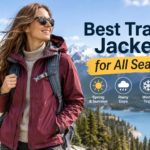
A waterproof jacket is an essential item for camping because weather conditions can change unexpectedly, even when the forecast initially looks favorable. Rain, strong winds, and cooler temperatures can make outdoor activities uncomfortable without appropriate protection. A lightweight waterproof jacket helps protect against rain while remaining easy to pack in a backpack. Campers should look for breathable materials, adjustable hoods, secure pockets, and comfortable designs that allow movement during hiking and other outdoor activities.
Windbreakers and insulated jackets are also useful depending on the destination and season. A lightweight windbreaker can provide protection during breezy mornings and evening walks, while an insulated jacket offers additional warmth in colder environments. Packable jackets are especially convenient for travelers because they take up less space when not in use. Instead of carrying several bulky outerwear items, campers can select one or two versatile jackets that suit the expected weather conditions.
Best Comfortable Footwear and Socks for Camping
Footwear plays an important role in camping comfort because outdoor activities frequently involve walking across uneven ground, rocky paths, muddy areas, and natural trails. Comfortable hiking shoes or trail footwear can provide better support and traction than ordinary casual shoes. The right choice depends on terrain, weather, backpack weight, and personal preferences. Lightweight hiking shoes may be sufficient for maintained trails and casual camping, while more supportive hiking boots can be useful for rough terrain and longer walks.
Camping socks deserve equal attention because uncomfortable socks can contribute to friction, moisture buildup, and blisters. Merino wool and synthetic hiking socks are popular options because they can manage moisture and provide cushioning. Campers should choose socks that fit properly without bunching inside their shoes. Carrying an additional pair is also useful when feet become wet during rainy weather or water-based activities. Wearing suitable footwear and socks together helps make outdoor exploration more comfortable and enjoyable.
How to Choose the Best Fabrics for Camping Clothes
Fabric selection is one of the most important parts of building a practical camping wardrobe. Different materials offer different benefits, and choosing the right fabric can influence comfort, warmth, durability, and packing convenience. Polyester is widely used in outdoor clothing because it is lightweight, dries quickly, and works well for moisture-wicking shirts and base layers. Nylon is another popular choice because it offers durability and is commonly used in hiking pants, lightweight jackets, and outdoor trousers.
Merino wool is valued for its temperature-regulating properties and ability to manage moisture. It can be a comfortable option for base layers, hiking shirts, and socks, particularly when campers want clothing that can be worn for different activities. Cotton may feel comfortable during everyday use, but it absorbs moisture and generally dries more slowly than many technical fabrics. This can become uncomfortable in cold or wet conditions. For camping, synthetic fabrics and suitable wool blends are often more practical choices, although fabric selection should always consider the climate and activity.
How to Pack Camping Clothes for a Weekend or Long Trip
Packing camping clothes efficiently helps travelers save space while preparing for changing outdoor conditions. The first step is checking the expected weather at the destination. Temperature differences between daytime and nighttime can be significant, particularly in mountainous areas. Campers should consider rainfall, wind, humidity, sunlight, and planned activities before deciding which clothing items to bring.
A practical camping wardrobe usually includes comfortable shirts, hiking pants, underwear, socks, an appropriate base layer, and weather-resistant outerwear. Travelers heading to colder destinations may also need thermal clothing, fleece layers, insulated jackets, gloves, and warm headwear. For warmer locations, lightweight shirts, breathable shorts, sun-protective clothing, and comfortable footwear may be more suitable. Choosing versatile items that work together can reduce unnecessary packing.
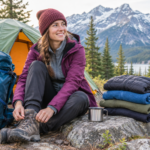
The layering method is particularly useful because it allows campers to adjust clothing according to changing temperatures. A moisture-wicking base layer can help manage perspiration, a fleece or insulating middle layer can provide warmth, and a waterproof outer layer can protect against rain and wind. This approach is generally more flexible than relying on one heavy garment. Packing clothes in separate lightweight bags can also help organize clean clothing, wet items, and essential accessories.
Common Mistakes to Avoid When Choosing Camping Travel Clothes
One common mistake is packing too many heavy clothing items. Excessive clothing can make backpacks difficult to carry and reduce space for other important camping equipment. Travelers should focus on versatile garments that can be used for different activities rather than bringing multiple outfits for every occasion. Selecting lightweight fabrics and planning clothing combinations in advance can make packing easier.
Another mistake is wearing unsuitable materials for the expected weather. Cotton clothing may become uncomfortable when it gets wet, while insufficient insulation can make cold evenings difficult to manage. Campers should also avoid wearing new shoes on long hiking trips without testing them first. Breaking in footwear before departure can help reduce friction and discomfort. Choosing clothing that fits properly, supports movement, and suits the environment is more important than simply following outdoor fashion trends.
Ignoring sun and insect protection can also affect the camping experience. Lightweight long-sleeve shirts, full-length pants, suitable hats, and appropriate insect-repellent products can provide additional protection in outdoor environments. Campers should also consider clothing visibility when exploring areas where other hikers, cyclists, or vehicles may be present. Preparing for the destination’s specific conditions helps prevent common clothing-related problems.
Conclusion
Choosing the best travel clothes for camping is essential for enjoying comfortable, convenient, and memorable outdoor adventures. The right clothing helps travelers manage changing temperatures, stay comfortable during physical activities, and protect themselves from different weather conditions. Moisture-wicking shirts, lightweight hiking pants, breathable base layers, waterproof jackets, comfortable footwear, and suitable socks are all valuable additions to a camping wardrobe. Selecting appropriate fabrics such as polyester, nylon, and merino wool can also improve comfort and make outdoor clothing more practical for different environments.
A successful camping wardrobe does not need to include expensive or excessive clothing. Instead, travelers should focus on versatile, lightweight, durable pieces that suit their destination, travel schedule, and planned activities. Checking the weather, using a layering system, and packing only essential items can make outdoor travel easier. Whether planning a weekend camping trip, exploring national parks, or enjoying a longer outdoor adventure, carefully selected travel clothes can help make every experience more comfortable and enjoyable.
FAQs
1. What Are the Best Travel Clothes for Camping?
The best camping travel clothes include moisture-wicking shirts, lightweight hiking pants, breathable base layers, waterproof jackets, comfortable footwear, and quick-drying socks. These items provide flexibility and comfort during different outdoor activities.
2. Is Cotton Clothing Good for Camping?
Cotton can be comfortable in warm, dry conditions, but it absorbs moisture and dries slowly. Synthetic fabrics and merino wool are often more practical for camping because they manage moisture more effectively.
3. What Should I Wear for Camping in Cold Weather?
For cold-weather camping, wear a moisture-wicking base layer, an insulating middle layer, and a waterproof outer jacket. Thermal pants, warm socks, gloves, and a suitable hat can provide additional protection.
4. Are Lightweight Hiking Pants Better for Camping?
Lightweight hiking pants are useful because they support movement and are often made from breathable, durable, and quick-drying materials. Some designs also include stretch fabrics and convertible features for additional convenience.
5. What Shoes Are Best for Camping and Hiking?
Comfortable hiking shoes or trail shoes are suitable for many camping environments. For rough terrain and longer hikes, supportive hiking boots may be more appropriate. The best choice depends on trail conditions and personal comfort.
6. How Many Clothes Should I Pack for a Weekend Camping Trip?
For a weekend trip, most campers can prepare with two or three shirts, two pairs of pants or shorts, underwear, extra socks, sleepwear, and weather-appropriate outerwear. The exact quantity depends on the climate and planned activities.
7. Are Waterproof Jackets Necessary for Camping?
Waterproof jackets are highly useful because rain and wind can occur unexpectedly. A lightweight, breathable, and packable jacket provides practical protection without taking up too much backpack space.
8. Is Merino Wool Good for Camping Clothes?
Yes, merino wool is a popular camping clothing material because it offers temperature regulation, moisture management, and natural odor resistance. It is commonly used in base layers, hiking shirts, and socks.
9. How Can I Keep Camping Clothes Lightweight?
Choose quick-drying fabrics, pack versatile clothing, avoid unnecessary duplicates, and use lightweight layering pieces. Planning outfits according to the weather can also prevent overpacking.
10. What Should I Wear for Summer Camping?
Summer camping clothing should include breathable shirts, lightweight hiking pants or shorts, comfortable socks, and sun-protective clothing. A lightweight hat and sunglasses can provide additional protection during outdoor activities.
