


































Best Camping Gear for Cold Weather: Essential Equipment for a Warm and Comfortable Outdoor Adventure

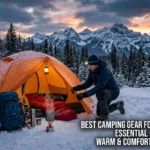
Cold-weather camping offers a unique opportunity to experience nature in a completely different environment. Snow-covered mountains, frozen lakes, quiet forests, and peaceful winter landscapes create unforgettable outdoor experiences. However, camping in low temperatures requires more preparation than a typical summer camping trip. Freezing nights, strong winds, unexpected snowfall, and changing weather conditions can make outdoor adventures challenging without the right equipment. Choosing the best camping gear for cold weather helps campers stay warm, protect themselves from harsh conditions, and enjoy their time outdoors more comfortably.
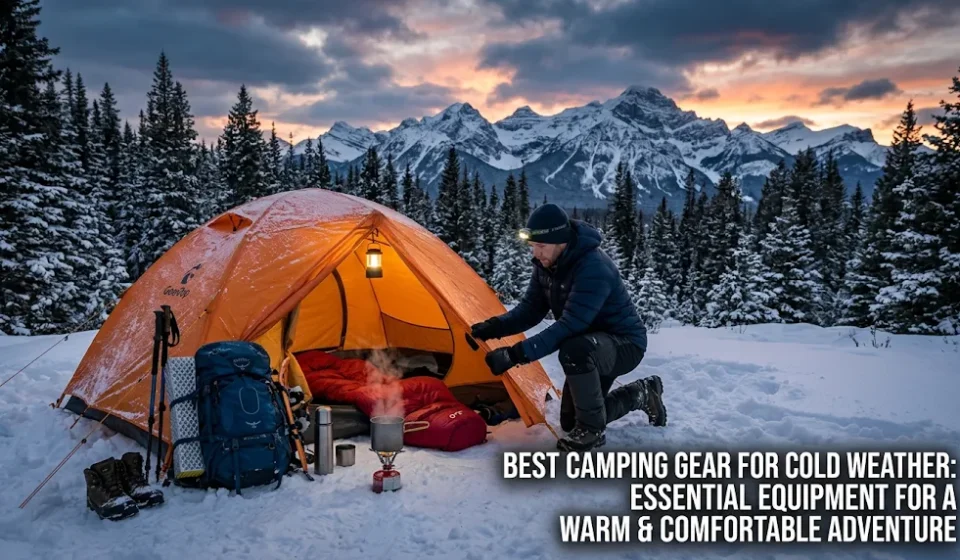
The right winter camping equipment should provide insulation, weather protection, durability, and convenience. A quality four-season tent, insulated sleeping bag, warm sleeping pad, waterproof clothing, and suitable cooking equipment are among the most important items to consider. Campers should also think about lighting, emergency supplies, hydration, and safety equipment before leaving home. Whether planning a weekend winter camping trip, exploring snowy national parks, or spending several nights in a cold mountain environment, selecting reliable gear can make a significant difference in the overall experience.
Why Choosing the Best Camping Gear for Cold Weather Matters
Cold-weather camping requires equipment that can handle low temperatures and unpredictable outdoor conditions. During winter, ordinary camping accessories may not provide enough insulation or protection against wind, snow, and moisture. A regular sleeping bag, lightweight summer tent, or thin sleeping mat may become uncomfortable when temperatures drop significantly. Specialized winter equipment is designed to provide better insulation and help campers manage the challenges associated with colder environments.
Another important reason to choose appropriate gear is personal safety. Prolonged exposure to cold temperatures can lead to serious conditions such as hypothermia and frostbite. Proper clothing, dry sleeping arrangements, insulated equipment, and emergency supplies help reduce unnecessary risks. Campers should also understand the limitations of their equipment and check weather forecasts before traveling. Preparing for the lowest expected temperature rather than the average daytime temperature is a practical way to make winter camping safer and more comfortable.
Best Four-Season Tents for Cold Weather Camping
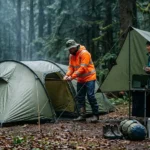
A reliable tent is one of the most important investments for cold-weather camping. Unlike ordinary three-season tents, four-season tents are designed to handle more demanding conditions, including strong winds and snow. Their construction generally features stronger poles, durable fabrics, and designs that provide better stability in exposed environments. These characteristics make them useful for winter camping, mountain adventures, and trips where severe weather may be possible.
When selecting a winter tent, campers should consider its capacity, ventilation, weather resistance, weight, and setup requirements. A tent with enough interior space allows occupants to organize sleeping equipment and essential belongings comfortably. However, a tent that is unnecessarily large may be more difficult to heat through body warmth and can take longer to set up. Proper ventilation is also important because condensation can collect inside a tent when warm, moist air meets cold fabric. A well-designed four-season tent should balance weather protection with airflow to create a more comfortable shelter.
Best Insulated Sleeping Bags for Winter Camping
An insulated sleeping bag is essential for staying warm during cold nights outdoors. Winter sleeping bags are designed with additional insulation to help retain body heat when temperatures fall. They are available in different shapes and insulation materials, allowing campers to choose an option that matches their destination and sleeping preferences. Mummy-shaped sleeping bags are popular for cold-weather use because their close-fitting design reduces unnecessary empty space and helps retain warmth.
Down insulation is valued for its excellent warmth-to-weight ratio and compressibility, making it attractive for backpackers who need lightweight equipment. However, down insulation can lose much of its insulating performance when wet unless it has suitable moisture protection. Synthetic insulation is generally more affordable and tends to retain more insulating ability when damp, although it can be heavier and bulkier. Campers should also examine the sleeping bag’s temperature rating carefully. The expected overnight temperature should be compared with the manufacturer’s comfort rating, rather than relying only on an extreme or lower-limit rating.
Best Insulated Sleeping Pads for Cold Weather
Many campers focus on sleeping bags when preparing for winter, but sleeping pads are equally important. The ground can absorb body heat quickly, especially when the surface is frozen, snowy, or extremely cold. An insulated sleeping pad creates a protective layer between the sleeper and the ground, reducing heat loss and improving sleeping comfort. Even an expensive sleeping bag may not provide adequate warmth if it is placed directly on a cold surface.
Sleeping pads are available in inflatable, self-inflating, and closed-cell foam designs. Inflatable pads often provide a comfortable sleeping surface and can be packed into relatively small spaces. Closed-cell foam pads are simple, durable, and do not depend on inflation, making them useful as an additional insulation layer. For very cold conditions, campers should pay attention to the pad’s R-value, which indicates its resistance to heat flow. Higher R-values generally provide better insulation. Combining suitable sleeping pads can offer additional protection when camping on frozen or snow-covered ground.
Best Cold-Weather Camping Clothing and Base Layers
Appropriate clothing is essential for staying comfortable during cold-weather camping. The layering system is one of the most effective ways to manage changing temperatures because it allows campers to add or remove clothing according to their activity level. A moisture-wicking base layer sits against the skin, an insulating middle layer helps retain warmth, and a protective outer layer provides resistance against wind, rain, and snow.
Merino wool and synthetic fabrics are popular materials for base layers because they help manage moisture and dry more effectively than ordinary cotton. Fleece jackets and insulated mid-layers provide additional warmth without necessarily adding excessive weight. Waterproof and windproof outerwear helps protect against harsh weather, while insulated gloves, warm socks, neck coverings, and winter hats provide extra protection for exposed areas. Campers should avoid wearing damp clothing for extended periods and carry spare dry layers for unexpected changes in weather.
Best Portable Camping Stoves for Winter Adventures
A dependable camping stove is useful for preparing hot meals and beverages during cold-weather trips. Warm food and drinks can make winter camping more comfortable, particularly after spending several hours hiking or working outdoors. However, cold temperatures can affect the performance of some fuel systems. Certain canister stoves may struggle when temperatures become very low because fuel pressure can decrease in cold conditions.
Liquid-fuel stoves and winter-rated stove systems are often considered for more demanding cold-weather environments. Campers should check the manufacturer’s temperature guidance and fuel compatibility before choosing a stove. Stability, ease of maintenance, fuel availability, and cooking capacity are also important considerations. Always operate stoves outdoors or in specifically designed, properly ventilated cooking areas. Never use an ordinary camping stove inside a sealed tent because carbon monoxide can cause fatal poisoning.
Best Portable Power Stations and Camping Lighting
Reliable lighting and power equipment can make winter camping more convenient and organized. Winter days are often shorter, which means campers may spend more time setting up equipment, preparing food, and moving around after sunset. A rechargeable LED lantern provides general campsite lighting, while a headlamp allows hands-free movement during nighttime activities. Both options are useful when managing tents, cooking equipment, and personal belongings in low-light conditions.
Portable power stations can provide electricity for compatible devices, cameras, communication equipment, and other small electronics. Their capacity should match the energy requirements of the equipment being charged. Cold temperatures can reduce battery performance, so power stations, phones, and spare batteries should be stored according to manufacturer instructions and protected from extreme cold. Campers should also carry backup lighting and avoid relying entirely on electronic devices when traveling in remote locations.
Best Winter Camping Cooking and Hydration Equipment
Cooking equipment becomes especially important during winter because preparing warm meals and maintaining hydration can be more challenging in freezing conditions. A lightweight cooking pot, suitable stove, durable utensils, and insulated food containers can make meal preparation easier. Stainless steel cookware is a practical option for many campers because of its durability and resistance to everyday outdoor use. Choosing equipment that works with the selected stove helps avoid unnecessary complications at the campsite.
Hydration should not be overlooked during cold-weather adventures. People sometimes drink less water in winter because they do not feel as thirsty as they do in hot weather. However, the body still needs sufficient fluids during physical activity and exposure to cold conditions. Insulated water bottles and vacuum flasks can help keep drinks from becoming too cold, while properly stored water reduces the risk of freezing. Campers should also understand how to melt and treat snow safely if natural water sources are unavailable and should never assume that melted snow is automatically safe to drink.
Best Emergency and Safety Gear for Winter Camping
Safety equipment deserves special attention when camping in cold weather because winter conditions can change quickly. A well-stocked first-aid kit should include basic wound-care supplies, personal medications, and items suitable for the planned activities. An emergency blanket, whistle, backup flashlight, navigation tools, and fully charged communication devices can also be valuable. Campers traveling to remote areas should consider carrying an emergency communication device that works beyond ordinary mobile coverage.
Avalanche safety equipment is essential in areas where avalanche hazards exist. Depending on the destination and activity, this may include an avalanche transceiver, probe, and shovel, along with appropriate training in their use. Checking local avalanche forecasts and following guidance from experienced professionals are important steps before entering mountain terrain. A basic emergency kit cannot replace proper preparation, outdoor skills, and sound decisions. The safest winter camping trip is one where travelers understand environmental risks and know when conditions require changing or canceling their plans.
