

















































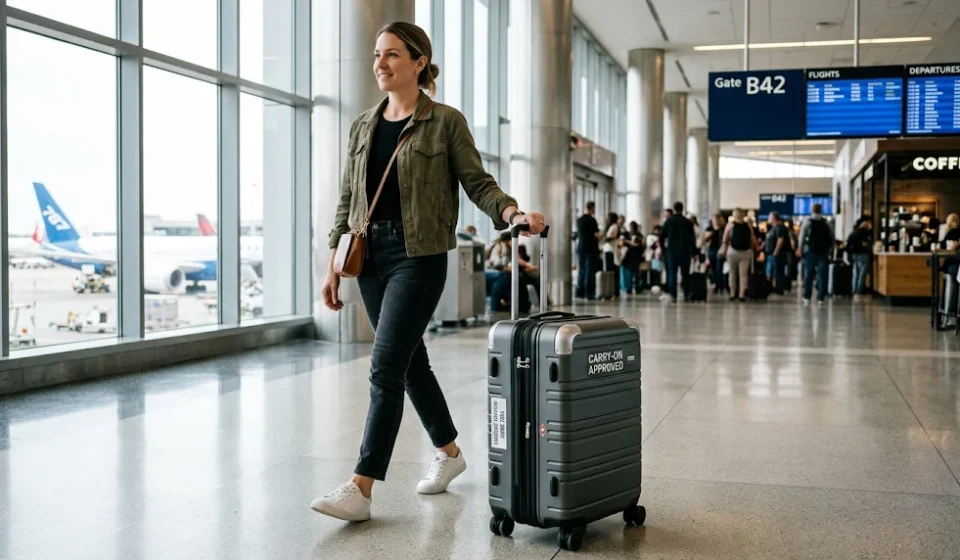
Best Hard Shell Carry On Luggage: A Complete Guide to Choosing the Right Travel Suitcase

Choosing the best hard-shell carry-on luggage can make air travel more convenient, organized, and comfortable. Whether you are planning a weekend getaway, a business trip, or an international vacation, a reliable carry-on suitcase helps keep your essential belongings within reach. Unlike traditional soft-sided bags, hard-shell luggage features a firm exterior designed to protect your belongings from everyday bumps, pressure, and handling during travel.
Modern hard-shell carry-on suitcases are available in different sizes, materials, colors, and designs. Some prioritize lightweight construction, while others focus on durability, security, and convenient organization. Features such as spinner wheels, expandable compartments, TSA-compatible locks, and telescoping handles can also improve the overall travel experience.
Finding the right suitcase requires more than choosing an attractive design. You should consider airline size restrictions, luggage weight, material quality, wheel performance, and interior storage. Understanding these features will help you select a suitcase that suits your travel habits and provides dependable performance.
Why Choose Hard Shell Carry On Luggage?
Hard shell carry-on luggage is popular because its rigid exterior provides an additional layer of protection for packed belongings. During busy airport journeys, suitcases may experience pressure, accidental impacts, and frequent movement. A sturdy outer shell can help protect items such as electronics, travel accessories, shoes, and neatly packed clothing from some of these everyday conditions.
Another advantage is the structured design. Hard shell suitcases usually maintain their shape even when they are not completely full. This makes packing more organized because travelers can use both sides of the suitcase to arrange their belongings. Many models include zippered dividers, compression straps, and mesh pockets to keep smaller items separated.
Cleaning and maintenance are also relatively simple. Most hard shell surfaces can be wiped with a damp cloth to remove dust and light marks. This can be particularly useful for people who travel frequently and want luggage that looks presentable after repeated journeys.
Hard-shell luggage is not automatically indestructible, however. Its durability depends on the material, shell thickness, construction quality, and how it is handled. A well-designed suitcase with reliable components is generally a better choice than a cheaper model selected only for its appearance.
Best Materials for Hard Shell Carry On Luggage
The material plays an important role in determining the weight, flexibility, and durability of a suitcase. Polycarbonate is one of the most popular materials because it combines relatively low weight with flexibility and impact resistance. Its ability to flex slightly under pressure can help it handle everyday travel conditions without being excessively heavy.
ABS plastic is another common option, particularly in budget-friendly luggage. It can provide a rigid exterior at an affordable price, making it suitable for occasional travelers. However, ABS models may be more prone to cracking under certain impacts than higher-quality polycarbonate designs. Travelers who take frequent flights may prefer a more durable construction.
Polypropylene is also worth considering. It is generally lightweight and offers a degree of flexibility, making it an attractive material for people who want to reduce the weight of their luggage. Some suitcases combine different materials to balance strength, flexibility, and cost.
| Material | Main Benefits | Potential Consideration |
|---|---|---|
| Polycarbonate | Lightweight, flexible, impact-resistant | Often more expensive |
| ABS | Affordable and rigid | May be less durable under heavy impacts |
| Polypropylene | Lightweight and flexible | Quality varies between models. |
| Aluminum | Premium appearance and rigid construction | Usually heavier and more expensive |
| Composite materials | Can balance different performance qualities | Construction differs by manufacturer. |
When comparing materials, consider how often you travel and how much weight you can comfortably manage. Polycarbonate is a strong all-around option for many travelers, while ABS may suit people looking for a lower-cost suitcase for occasional use.
Important Features to Look for in Carry On Luggage
The best hard-shell carry-on luggage should offer practical features that make airport travel easier. Spinner wheels are one of the most useful additions because they allow the suitcase to move in multiple directions. Four-wheel designs can make it easier to navigate airport terminals, hotel corridors, and crowded transportation areas without constantly tilting the bag.
A comfortable telescoping handle is equally important. Look for a handle that adjusts smoothly and feels stable when extended. A handle that wobbles excessively or becomes difficult to retract can make the suitcase frustrating to use. Additional top and side handles are useful when lifting luggage into overhead compartments or placing it in a vehicle.
Security features can also influence your decision. Many carry-on suitcases include built-in combination locks, while some models offer TSA-compatible locking systems. These locks can help secure zippers during travel, although they do not make a suitcase completely theft-proof.
Interior organization is another feature worth checking. Compression straps help keep clothing in place, while zippered dividers and mesh pockets provide separate storage areas for smaller belongings. Some suitcases also include removable laundry compartments or dedicated accessory pockets.
Best Size and Weight for Airline Carry On Travel
Size is one of the most important considerations when purchasing Hardshell carry-on luggage. Airlines have different cabin baggage rules, and permitted dimensions can vary depending on the airline, route, ticket type, and aircraft. A suitcase that qualifies as carry-on luggage with one airline may need to be checked with another.
Before purchasing, check the airline’s official cabin baggage policy. Pay attention to the total external dimensions, including wheels, handles, and other protruding parts. Do not rely only on the advertised suitcase body measurements because airlines usually consider the complete bag.
Weight is just as important. A lightweight suitcase leaves more of your baggage allowance available for clothing, electronics, and other travel essentials. Some hard-shell models are relatively heavy because of their construction, wheels, and handles. Comparing empty suitcase weights can help you avoid carrying unnecessary weight.
For short trips, a compact carry-on may provide enough room for clothing, toiletries, and personal accessories. Travelers who need more storage should consider an expandable model, provided its expanded dimensions remain within the applicable airline restrictions. Expansion features are convenient, but they should not be used without checking baggage rules.
Lightweight Design and Interior Organization
A lightweight suitcase can make a noticeable difference during a busy travel day. Moving through airports, climbing stairs, and lifting luggage into overhead compartments becomes easier when the suitcase itself does not add unnecessary weight. Polycarbonate and polypropylene models are often attractive choices for travelers who prioritize portability.
However, choosing the lightest suitcase available is not always the best decision. A very lightweight model may have weaker wheels, less stable handles, or a thinner shell. Look for a balance between manageable weight and dependable construction. The quality of zippers, handles, wheel attachments, and corner reinforcement can be just as important as the shell material.
Interior organization helps travelers make better use of available space. Many hard-shell carry-on suitcases feature two main compartments, allowing clothing and accessories to be separated. Compression straps can reduce movement inside the case, while zippered dividers keep personal belongings organized.
Packing cubes can make the interior even more practical. They allow you to group shirts, pants, underwear, and accessories into separate sections. This approach makes it easier to find specific items without unpacking the entire suitcase whenever you need something.
Hard Shell Carry On Luggage for Different Types of Travelers
Different travelers need different luggage features. Business travelers may prefer a professional-looking suitcase with a compact design, smooth wheels, and organized interior compartments. A dedicated section for documents, chargers, and work accessories can make airport journeys more convenient. Neutral colors such as black, navy, and gray are often practical choices for business trips.
Families may benefit from hard shell carry-on luggage with easy-to-identify colors and durable wheels. Separate compartments can help organize children’s clothing, snacks, and travel accessories. However, families should check airline baggage allowances carefully because the number and size of permitted cabin bags may differ between passengers and ticket types.
For weekend travelers, a lightweight suitcase with efficient interior storage may be sufficient. A compact design can hold a few outfits, toiletries, and everyday essentials without requiring a larger checked bag. Frequent international travelers may prefer a more durable polycarbonate model with reliable wheels, a comfortable handle, and a secure locking system.
Adventure travelers should consider their transportation needs before buying. A hard shell suitcase with spinner wheels is convenient on smooth airport floors, but it may be less practical on rough streets, gravel paths, or uneven surfaces. Travelers visiting destinations with challenging terrain may prefer a different luggage style for certain journeys.
How to Maintain Your Hard Shell Carry On Suitcase
Proper maintenance can help extend the useful life of hard shell carry-on luggage. After each trip, remove dust, dirt, and surface marks using a soft cloth and mild cleaning solution. Avoid harsh chemicals or abrasive materials because they may damage the suitcase’s finish. Always follow the manufacturer’s cleaning instructions, especially for textured or specialty surfaces.
Wheels should receive regular attention because they collect dust, hair, and small pieces of debris. Check them after traveling and remove anything that may interfere with smooth movement. If a wheel becomes loose or starts making unusual noises, inspect it before your next trip.
Zippers and handles should also be checked regularly. Avoid forcing an overpacked suitcase closed because excessive pressure can damage zipper tracks and seams. When storing luggage between trips, keep it in a dry place away from direct sunlight and extreme temperatures.
Conclusion
The best hard shell carry on luggage combines durable construction, manageable weight, smooth spinner wheels, practical interior organization, and convenient security features. Polycarbonate and polypropylene models are popular choices for travelers who want a balance of portability and durability, while ABS suitcases may appeal to occasional travelers looking for an affordable option. The right choice depends on your travel frequency, packing habits, and budget.
Before making a purchase, compare the suitcase’s complete external dimensions, empty weight, material, wheel quality, handle construction, and warranty coverage. Most importantly, check your airline’s cabin baggage requirements to avoid unexpected problems at the airport. A carefully selected hard shell carry-on suitcase can make short trips, business journeys, and international vacations more organized and comfortable.
Frequently Asked Questions
1. What is the best material for hard shell carry-on luggage?
Polycarbonate is a popular choice because it is relatively lightweight, flexible, and resistant to everyday travel impacts. Polypropylene is another lightweight option, while ABS is generally more affordable.
2. Is hard shell carry-on luggage better than soft-sided luggage?
Hard shell luggage provides a structured exterior and can offer better protection against certain impacts and pressure. Soft-sided luggage may provide more exterior pockets and flexibility. The better option depends on your packing needs and travel style.
3. What size hard shell suitcase is allowed as carry-on luggage?
Carry-on size limits vary between airlines. Always check the airline’s official baggage policy and include the wheels, handles, and other external parts when measuring your suitcase.
4. Are four-wheel spinner suitcases worth buying?
Yes, four-wheel spinner suitcases are convenient because they can move in multiple directions and are easier to maneuver through airports. Their performance depends on wheel quality and construction.
5. Is polycarbonate luggage durable?
Quality polycarbonate luggage is generally durable and can flex slightly under pressure. However, its performance depends on material quality, shell thickness, and the construction of other suitcase components.
6. Can hard shell carry-on luggage expand?
Many hard shell carry-on suitcases include expandable sections that provide additional packing space. Check the expanded dimensions before using this feature because the suitcase may exceed airline cabin baggage limits.
7. How can I protect my hard shell suitcase from scratches?
Use a protective luggage cover, avoid dragging the suitcase over rough surfaces, and clean it with a soft cloth. Textured finishes may also help make minor scratches less noticeable.
8. What should I look for in a lightweight hard shell carry-on?
Compare empty weight, shell material, wheel quality, handle stability, and interior storage. Choose a suitcase that is easy to lift without sacrificing important construction features.
9. Does hard shell luggage protect electronics?
A rigid exterior can provide an additional layer of protection against some bumps and pressure. However, it does not guarantee that electronics will remain safe from every impact, so use padded cases for laptops, tablets, and other fragile devices.
10. How long does hard shell carry-on luggage last?
Its lifespan depends on material quality, construction, travel frequency, and maintenance. A well-made suitcase with reliable wheels, zippers, and handles can provide years of use when properly cared for.
