



































Best Travel Clothes for Mountain Trips: A Complete Guide to Comfortable and Weather-Ready Outfits

Choosing the best travel clothes for mountain trips is essential for staying comfortable, protected, and prepared for changing weather conditions. Whether you are planning a peaceful mountain getaway, an adventurous hiking holiday, or a scenic road trip through high-altitude destinations, the right clothing can make your experience much more enjoyable. Mountain environments often have unpredictable temperatures, strong winds, sudden rain, and cooler evenings, making practical clothing an important part of travel preparation.
Unlike ordinary vacation clothing, mountain travel outfits need to balance warmth, breathability, flexibility, and durability. Lightweight layers allow you to adjust your clothing as temperatures change, while moisture-wicking fabrics help manage perspiration during outdoor activities. Comfortable pants, supportive footwear, and weather-resistant jackets also contribute to a more enjoyable journey.
The best travel clothes for mountain trips do not necessarily need to be expensive or complicated. A carefully selected collection of versatile garments can help you prepare for different activities without overpacking. Understanding fabrics, layering techniques, and essential clothing items will help you build a wardrobe suitable for your next mountain adventure.
Why Choosing the Right Mountain Travel Clothes Matters
Mountain weather can change quickly, even during seasons that generally have mild temperatures. A sunny morning may become windy or chilly by afternoon, while temperatures can drop significantly after sunset. Wearing appropriate clothing helps you adjust to these changes without becoming uncomfortable. Travelers who prepare for different conditions are better equipped to enjoy sightseeing, walking trails, and outdoor activities.
Comfort is another important consideration. Mountain trips often involve long walks, uneven paths, sightseeing, and extended periods outdoors. Clothing that restricts movement or traps excessive moisture can make these activities unpleasant. Breathable shirts, flexible trousers, and lightweight outer layers provide greater freedom of movement while helping you remain comfortable throughout the day.
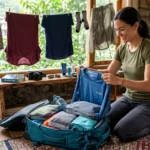
The right travel wardrobe can also make packing easier. Instead of carrying several heavy outfits, you can choose versatile garments that work together in different combinations. Neutral colors, lightweight fabrics, and practical layering pieces help reduce luggage weight while providing enough clothing for changing weather.
Best Base Layers for Mountain Travel
Base layers are the foundation of a comfortable mountain outfit. They sit close to your skin and help manage moisture while providing an additional level of insulation. When hiking or exploring mountainous destinations, your body may become warm during physical activity and cool down when you stop. A suitable base layer helps maintain comfort during these temperature changes.
Merino wool and synthetic moisture-wicking fabrics are popular choices for mountain base layers. Merino wool offers natural temperature regulation and odor resistance, making it useful for longer trips. Synthetic materials such as polyester are generally lightweight, quick-drying, and suitable for active outdoor use. Both options can work well depending on your personal preferences and the expected weather.
For warmer mountain destinations, lightweight base-layer shirts may be sufficient. Colder environments may require long-sleeved thermal tops and leggings beneath your regular clothing. Choose garments that fit comfortably without restricting movement, especially around the shoulders, waist, and knees.
Best Hiking Pants and Comfortable Travel Trousers
Choosing suitable pants is important because mountain travel often involves walking over uneven surfaces and changing terrain. The best hiking pants provide flexibility, durability, and comfort without feeling excessively heavy. Nylon and polyester blends are popular because they are lightweight, relatively quick-drying, and suitable for outdoor activities.
Stretch fabric can make a noticeable difference when climbing hills, stepping over rocks, or sitting during long journeys. Look for trousers with comfortable waistbands, practical pockets, and reinforced construction in areas that experience regular friction. Some hiking pants also feature adjustable cuffs or convertible designs that can be useful in changing temperatures.
For casual mountain sightseeing, lightweight travel trousers can offer a balance between practicality and everyday style. Neutral colors such as black, gray, olive, and beige are easy to coordinate with different shirts and jackets. If you are traveling during colder months, thermal leggings can be worn underneath your pants for additional warmth.
Best Shirts and T-Shirts for Mountain Trips
A comfortable shirt is one of the most frequently used items in a mountain travel wardrobe. Breathable T-shirts are suitable for daytime sightseeing, walking trails, and casual activities. Moisture-wicking materials help move perspiration away from the skin, which can make a difference when you are climbing uphill or exploring under direct sunlight.
Polyester, lightweight nylon blends, and merino wool are useful fabric choices. Synthetic shirts generally dry quickly and are often practical for active travel. Merino wool provides natural temperature regulation and can remain fresher between washes compared with some conventional fabrics. Cotton T-shirts may feel comfortable during relaxed activities, but they can retain moisture and take longer to dry.
Long-sleeved shirts provide additional coverage against sunlight, cool air, and light wind. They can be particularly useful at higher elevations, where weather conditions may differ from those at the base of a mountain. Packing a combination of short-sleeved and long-sleeved tops gives you more flexibility throughout your trip.
Best Jackets for Mountain Travel
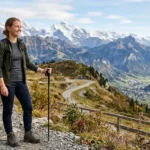
A suitable jacket is one of the most important pieces of clothing for mountain destinations. Temperatures can drop quickly in elevated areas, and unexpected wind or rain can make outdoor activities uncomfortable. A lightweight insulated jacket, fleece layer, or weather-resistant shell can help you prepare for these conditions.
Fleece jackets are useful as mid-layers because they provide warmth while remaining relatively breathable. They can be worn over a base layer and beneath a waterproof outer shell when conditions become colder. Lightweight insulated jackets are another practical option for chilly mornings, evening walks, and destinations with low temperatures.
For rainy or windy environments, consider a waterproof or water-resistant shell jacket. These garments help protect you from precipitation and wind, depending on their construction and specifications. Look for adjustable hoods, secure pockets, comfortable cuffs, and ventilation features. A packable jacket is particularly useful for travelers who want extra protection without carrying bulky clothing.
Best Footwear and Socks for Mountain Trips
Footwear can strongly influence the comfort and safety of a mountain journey. The right shoes depend on the terrain, walking distance, weather, and planned activities. Comfortable hiking shoes or boots with suitable traction are generally preferable for uneven trails, rocky paths, and outdoor exploration. For relaxed sightseeing and paved mountain villages, supportive walking shoes may be enough.
Before traveling, make sure your footwear fits properly and has been worn several times. New shoes can cause blisters or discomfort during long walks, so testing them before your trip is a sensible step. Waterproof footwear may be useful in wet environments, although breathable options can be more comfortable in warmer conditions.
Socks are equally important. Merino wool and synthetic hiking socks help manage moisture and provide cushioning during extended walking. Choose socks that fit comfortably inside your shoes without creating excessive pressure. Carrying an extra pair is helpful if your footwear becomes wet during an outdoor activity.
How to Dress in Layers for Changing Mountain Weather
Layering is one of the most practical ways to dress for mountain travel. Instead of relying on one heavy garment, you can combine several lighter pieces and adjust them according to the weather and your activity level. A typical layering system includes a base layer, an insulating middle layer, and an outer protective layer.
The base layer manages moisture and provides initial comfort. A fleece or lightweight insulated jacket can serve as the middle layer, helping retain body warmth. The outer layer protects against wind and rain when conditions become unpredictable. Each layer serves a different purpose, making the overall outfit more adaptable.
Layering also helps prevent overheating during physical activities. You can remove an insulating layer while hiking uphill and put it back on when resting or reaching a colder area. This flexibility is especially valuable in mountainous destinations where sunlight, shade, wind, and elevation can affect how warm or cold you feel.
| Clothing Layer | Recommended Garments | Main Purpose |
|---|---|---|
| Base layer | Merino wool or synthetic shirt | Moisture management and comfort |
| Mid-layer | Fleece or lightweight sweater | Additional warmth |
| Outer layer | Waterproof or wind-resistant jacket | Weather protection |
| Lower-body layer | Hiking pants or thermal leggings | Comfort and temperature control |
| Footwear | Hiking shoes or boots | Support and traction |
| Accessories | Gloves, beanie, and neck warmer | Additional protection in cold conditions |
Essential Accessories for Mountain Travel
Accessories can make a mountain trip more comfortable, particularly when temperatures change or outdoor conditions become challenging. A lightweight beanie or warm hat can provide additional comfort during cold mornings and evenings. Gloves are useful in colder environments, while a neck warmer can help protect exposed skin from chilly winds.
Sunglasses are important because sunlight can feel stronger at higher elevations, particularly in snowy or open landscapes. Choose comfortable sunglasses that provide appropriate UV protection. A lightweight cap may also be useful during sunny hikes, especially when combined with sunscreen.
A compact rain cover, reusable water bottle, and comfortable backpack are practical additions to your travel preparation. These items are not clothing themselves, but they support a more comfortable outdoor experience. Select accessories according to the destination and activities rather than carrying unnecessary equipment.
How to Choose the Best Travel Clothes for Mountain Trips
Start by researching the expected weather at your destination. Mountain temperatures can vary significantly depending on elevation, season, and local conditions. Check daytime and nighttime temperatures, rainfall forecasts, and wind conditions before selecting your clothing. A destination that feels comfortable at midday may become quite cold after sunset.
Next, consider the activities you plan to enjoy. Casual sightseeing may require comfortable trousers, breathable shirts, walking shoes, and a lightweight jacket. Hiking and trekking generally require more specialized clothing, including moisture-wicking layers, flexible pants, supportive footwear, and suitable weather protection.
Fabric quality and fit should also influence your choices. Look for garments that allow comfortable movement and are appropriate for the expected weather. Avoid clothing that is too tight or too loose for active use. Check washing instructions and prioritize easy-care materials if you plan to travel for several days.
Finally, choose versatile clothing that can be combined into multiple outfits. A small collection of neutral-colored garments can provide several combinations without taking up excessive luggage space. This approach makes packing simpler and helps you stay prepared for different activities.
Conclusion
The best travel clothes for mountain trips combine comfort, breathability, warmth, flexibility, and protection from changing weather. Moisture-wicking base layers, lightweight hiking pants, comfortable shirts, insulating mid-layers, and weather-resistant jackets form the foundation of a practical mountain wardrobe. Supportive footwear and suitable accessories also help make outdoor activities more enjoyable.
Before packing, consider the season, elevation, expected weather, and activities planned for your journey. Focus on versatile clothing that can be layered and adjusted throughout the day. With the right combination of garments, you can enjoy mountain sightseeing, hiking, and relaxing outdoor experiences while staying comfortable and prepared.
Frequently Asked Questions
What are the best travel clothes for mountain trips?
The best options include moisture-wicking shirts, flexible hiking pants, thermal base layers, fleece jackets, waterproof outerwear, and comfortable hiking shoes. Choose garments according to the season and destination.
What should I wear for a mountain trip in summer?
For summer mountain travel, choose lightweight T-shirts, breathable trousers, comfortable walking shoes, sunglasses, and a light jacket. Higher elevations can still become chilly, so carrying an additional layer is useful.
Are jeans suitable for mountain trips?
Jeans may be suitable for relaxed sightseeing, but they are not always ideal for hiking. Denim can become heavy when wet and may restrict movement. Lightweight hiking pants are generally more practical for active outdoor travel.
Which fabric is best for mountain travel clothing?
Merino wool, polyester, and nylon blends are useful options. Merino wool provides temperature regulation and odor resistance, while synthetic fabrics are often lightweight, durable, and quick-drying.
Do I need a waterproof jacket for mountain travel?
A waterproof jacket is useful if your destination experiences rain, snow, or strong winds. Even when the forecast looks clear, carrying a lightweight weather-resistant layer can help you prepare for changing conditions.
How many outfits should I pack for a mountain vacation?
For a week-long trip, you can start with several shirts, two or three pairs of pants, comfortable base layers, enough underwear and socks, a warm mid-layer, and an appropriate outer jacket. Adjust the quantity according to laundry access and activities.
Are leggings good for mountain trips?
Leggings can be comfortable for walking, casual sightseeing, and layering in colder weather. For demanding hikes, choose durable outdoor leggings or hiking trousers designed for the terrain.
What shoes should I wear for mountain sightseeing?
Supportive walking shoes are suitable for paved paths and relaxed sightseeing. Hiking shoes or boots with good traction are more appropriate for rocky, uneven, or slippery trails.
How can I stay warm during a mountain trip?
Use a layering system that includes a moisture-wicking base layer, an insulating mid-layer, and a weather-resistant outer jacket. Gloves, warm socks, and a suitable hat can provide additional comfort.
Should I pack lightweight or heavy clothes for mountain travel?
A combination of lightweight layers is usually more versatile than packing only heavy garments. You can add or remove layers as temperatures change, making it easier to adapt to different conditions.
