






































Best Hiking Essentials for Beginners: Everything You Need for a Safe and Comfortable Adventure

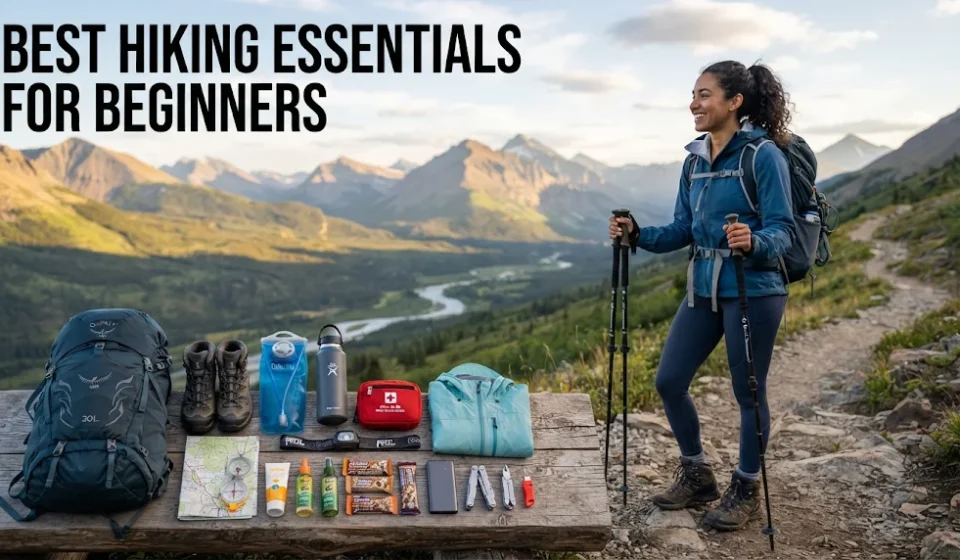
Preparing for your first hiking adventure can be exciting, but knowing what to bring is essential for a safe and enjoyable experience. The best hiking essentials for beginners include comfortable footwear, weather-appropriate clothing, enough drinking water, nutritious snacks, navigation tools, and basic safety equipment. Having the right gear helps you handle changing weather, uneven trails, and unexpected situations without carrying unnecessary weight.
You do not need expensive equipment or a professional outdoor setup to start hiking. A simple collection of reliable essentials can provide everything you need for an easy day hike. Whether you are exploring a local nature trail, walking through a forest, or visiting a mountain destination, choosing practical gear will help you feel more confident. This guide explains what beginners should pack, how to choose suitable equipment, and how to prepare for a comfortable outdoor journey.
Comfortable Hiking Shoes and Boots
Footwear is one of the most important hiking essentials for beginners because your feet support you throughout the journey. Regular sneakers may work for some short, smooth walking trails, but uneven surfaces, loose rocks, and muddy paths require footwear with better traction and support. Hiking shoes and boots are specifically designed to provide stability and help protect your feet during outdoor activities.
Hiking shoes are generally lighter and more flexible than traditional hiking boots. They are suitable for maintained trails, day hikes, and beginners who prefer a comfortable walking experience. Hiking boots usually provide additional ankle coverage and may be more appropriate for rough terrain or heavier backpacks. Your choice should depend on the trail conditions, distance, and personal comfort.
Fit is more important than appearance when selecting hiking footwear. Shoes should provide enough room for your toes without allowing your feet to slide around. Try them with the socks you plan to wear while hiking, and walk around before taking them on a longer trail. Breaking in new footwear gradually can help reduce discomfort and prevent blisters.
A Lightweight and Comfortable Hiking Backpack
A reliable backpack helps you carry water, snacks, clothing, and other hiking essentials without making the journey unnecessarily difficult. Beginners should look for a lightweight daypack with comfortable shoulder straps, adjustable chest support, and enough storage for their planned adventure. A backpack that fits properly can distribute weight more evenly and make walking more comfortable.
For a short day hike, a small backpack with approximately 15 to 25 liters of capacity may provide sufficient space for basic supplies. Longer hikes or trips requiring extra clothing and food may need a larger pack. However, carrying a bigger backpack does not always mean being better prepared. It is usually more comfortable to pack only what you genuinely need.
Storage compartments can make a backpack more practical. Side pockets are useful for water bottles, while smaller zippered sections help organize keys, snacks, sunscreen, and personal items. Some hiking backpacks also include a compartment for a hydration reservoir. Choose a design with breathable back padding and adjustable straps so you can maintain a comfortable fit throughout the hike.
Weather-Appropriate Hiking Clothing
Choosing suitable clothing is essential because outdoor temperatures can change throughout the day. Beginners should prioritize breathable, lightweight garments that allow comfortable movement. Moisture-wicking shirts made from polyester, nylon, or suitable merino wool blends can help manage perspiration during physical activity. These materials are generally more practical for hiking than heavy cotton clothing, which can remain damp after becoming wet.
Layering is a useful approach when hiking in cooler or unpredictable weather. A lightweight base layer helps manage moisture, while a fleece or insulating mid-layer provides warmth when temperatures drop. A weather-resistant outer jacket can offer additional protection against wind and light rain. Each layer should be easy to remove or add as conditions change.
Hiking pants or flexible outdoor trousers can protect your legs from scratches, insects, and rough vegetation. In warm conditions, lightweight hiking shorts may also be comfortable, depending on the terrain. Avoid clothing that restricts movement or causes friction. A comfortable combination of breathable fabric, suitable coverage, and practical layers will make your first hiking experience easier.
Drinking Water and Hydration Equipment
Staying hydrated is one of the most important parts of hiking preparation. Walking uphill, spending time in direct sunlight, and exercising for several hours can increase your body’s fluid requirements. Beginners should carry enough drinking water for the expected duration of the hike, while considering temperature, trail difficulty, personal needs, and access to safe refill points.
Reusable water bottles are a simple option for short hikes. Choose a bottle that fits securely inside your backpack’s side pocket and is easy to open while taking a break. Hydration reservoirs are another convenient choice because they allow you to drink through a tube without repeatedly removing your backpack. Both options can work well when selected according to personal preference.
Water filters or purification tablets may be useful on longer outdoor trips where suitable natural water sources are available. However, beginners should never assume that water from streams, rivers, or lakes is safe to drink. Natural water can contain harmful microorganisms even when it looks clear. Carry sufficient treated drinking water and understand how to use any purification equipment before relying on it.
Nutritious Hiking Snacks and Food
Food provides energy for walking, climbing, and exploring outdoor trails. Beginners should pack snacks that are lightweight, convenient, and easy to eat during short breaks. Nuts, dried fruit, granola bars, trail mix, and sandwiches are practical choices for many day hikes. They can provide a combination of carbohydrates, fats, and protein to support energy needs.
The amount of food you need depends on the hike’s length, intensity, weather, and your individual appetite. A short nature walk may require only a small snack, while a longer mountain trail may call for a packed meal and additional energy-rich foods. Avoid relying entirely on sugary snacks because they may not provide the balanced nourishment needed throughout an extended outdoor activity.
A reusable food container or small snack pouch can help keep your backpack organized. Pack food in a way that prevents leaks and protects it from dirt or moisture. Remember to carry all wrappers and leftover packaging back with you. Keeping trails clean is an important part of responsible hiking.
Navigation Tools and Trail Maps
Navigation equipment helps beginners stay on the correct route and understand their surroundings. A smartphone with an offline trail map can be useful, especially in areas where mobile signals are unreliable. Download maps before leaving and make sure your phone has sufficient battery power. A portable power bank can provide additional charging capacity during longer trips.
A physical map and compass are valuable backup tools, particularly when exploring unfamiliar trails. However, carrying them is only helpful if you understand how to use them. Beginners should review the route before starting, identify important landmarks, and learn where trail junctions and exit points are located.
Do not depend entirely on online directions or mobile network coverage. Weather, terrain, and trail conditions can change, and digital devices may stop working when batteries run low. Checking official trail information before departure and informing someone about your planned route can provide additional peace of mind.
Essential Hiking Safety and First Aid Supplies
Basic safety equipment is an important part of every beginner’s hiking kit. A small first aid kit should contain suitable adhesive bandages, blister protection, antiseptic wipes, gauze, medical tape, and any personal supplies you may need. The contents should reflect the length and difficulty of your hike. Learning basic first aid can also help you respond more confidently to minor injuries.
Sun protection is equally important, even when the weather feels cool. Pack sunscreen, sunglasses, and a comfortable hat to reduce exposure to sunlight. In areas where insects are common, suitable insect repellent may also be useful. Reapply sunscreen according to its instructions, especially when sweating or spending several hours outdoors.
A small flashlight or headlamp is another useful item. It can help you see clearly if your hike takes longer than expected or you encounter low-light conditions. A whistle can also be helpful for attracting attention in an emergency. Beginners should carry these items even when planning a relatively short walk because unexpected delays can happen.
Hiking Essentials Checklist for Beginners
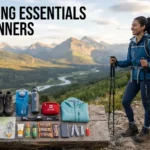
Building a simple packing checklist makes preparation easier and helps prevent important items from being forgotten. The following table summarizes the main equipment beginners should consider before heading outdoors.
| Hiking Essential | Why You Need It | Beginner-Friendly Choice |
|---|---|---|
| Hiking shoes | Improve traction and comfort. | Lightweight trail shoes |
| Backpack | Carry essential supplies | Comfortable 15–25 liter daypack |
| Hiking clothing | Support movement and weather protection. | Breathable, moisture-wicking layers |
| Water bottle | Provide drinking water. | Reusable bottle or hydration reservoir |
| Snacks | Supply energy during the hike. | Nuts, fruit, and granola bars |
| Navigation tools | Help you follow the route. | Offline map and compass |
| First aid kit | Manage minor injuries. | Compact personal first aid kit |
| Sun protection | Reduce sun exposure | Sunscreen, hat, and sunglasses |
| Rain jacket | Provide protection from rain and wind | Lightweight weather-resistant shell |
| Flashlight or headlamp | Help in low-light conditions | Compact rechargeable light |
Not every hike requires every item in the same quantity. Consider the weather, trail difficulty, distance, and available facilities before finalizing your backpack. A beginner-friendly approach is to start with the essentials and gradually add specialized equipment as your hiking experience grows.
How to Prepare for Your First Hiking Trip
Good preparation begins with selecting a trail that matches your fitness level and experience. Beginners should start with a short, clearly marked route that has manageable elevation changes and accessible exit points. Research the trail’s distance, estimated completion time, surface conditions, and difficulty rating before making a decision.
Check the weather forecast before departure and prepare clothing according to expected conditions. Rain, strong winds, extreme heat, and sudden temperature changes can affect hiking comfort and safety. If conditions are unsuitable, consider postponing the trip rather than taking unnecessary risks. It is also helpful to check whether the trail is open and whether any restrictions or safety notices have been issued.
Let a trusted person know where you are going and when you expect to return. If possible, hike with an experienced companion while learning basic outdoor skills. Start early enough to complete the route in daylight, take regular breaks, and avoid pushing yourself beyond your comfort level. Good preparation allows you to enjoy the scenery while remaining aware of your surroundings.
Common Hiking Mistakes Beginners Should Avoid
One common mistake is carrying too much equipment. A heavy backpack can make even a short trail tiring, especially for someone who is new to hiking. Beginners should focus on practical essentials instead of purchasing every accessory available. Choose lightweight equipment, organize your belongings, and remove unnecessary items before leaving.
Wearing brand-new shoes on a long hike is another mistake that can lead to blisters and discomfort. Test your footwear on shorter walks before using it on a challenging route. Similarly, avoid wearing unsuitable clothing that becomes uncomfortable when wet or restricts movement. Proper preparation can prevent many common problems.
Some beginners also underestimate the importance of hydration, food, and navigation. Even a familiar-looking trail can become confusing when routes divide or weather conditions change. Carry sufficient water, bring appropriate snacks, and understand your route before starting. Most importantly, know when to turn back. Reaching the end of a trail is never more important than returning safely.
Conclusion
The best hiking essentials for beginners are practical items that improve comfort, support safety, and make outdoor adventures easier to manage. Comfortable footwear, a suitable backpack, breathable clothing, drinking water, nutritious snacks, navigation tools, and basic first aid supplies form a reliable foundation for a day hike. Choosing equipment according to the weather, terrain, and trip duration can help you avoid unnecessary weight while staying prepared.
You do not need expensive professional gear to begin exploring hiking trails. Start with a manageable route, prepare your supplies carefully, and learn basic outdoor skills as you gain experience. With the right essentials and a responsible approach, your first hiking adventure can become an enjoyable introduction to the outdoors and a starting point for many future journeys.
Frequently Asked Questions
What are the most important hiking essentials for beginners?
The most important essentials include comfortable hiking shoes, a suitable backpack, weather-appropriate clothing, drinking water, snacks, navigation tools, and a basic first aid kit. The exact supplies depend on the trail and weather conditions.
What should a beginner pack for a day hike?
A beginner should pack water, snacks, a map, a charged phone, suitable clothing, sun protection, a first aid kit, and a lightweight rain jacket. Additional items may be necessary for longer or more difficult trails.
Do beginners need expensive hiking equipment?
No, beginners can start with affordable, reliable equipment. Comfortable footwear, a practical backpack, and basic safety supplies are more important than purchasing expensive specialized accessories.
Are regular sneakers suitable for beginner hiking?
Regular sneakers may be suitable for short, smooth, and well-maintained trails. However, hiking shoes usually offer better traction and support on uneven, muddy, or rocky surfaces.
How much water should beginners carry while hiking?
Water requirements depend on temperature, exercise intensity, trail length, and individual needs. Plan enough water for the entire route and consider carrying extra when safe refill points are unavailable.
What clothing is best for beginner hiking?
Breathable, moisture-wicking clothing is generally a good choice. Lightweight synthetic fabrics and merino wool blends can help manage moisture, while removable layers provide flexibility in changing weather.
Should beginners carry a first aid kit?
Yes, a compact first aid kit is recommended for day hikes. It can help manage minor cuts, blisters, and other common problems while you seek appropriate assistance if a more serious injury occurs.
Is a backpack necessary for a short hike?
A small backpack is useful even for short hikes because it provides space for water, snacks, a phone, and basic safety supplies. Choose a comfortable size that does not encourage unnecessary packing.
What food is best to take on a beginner hiking trip?
Trail mix, nuts, dried fruit, granola bars, and sandwiches are convenient options. Choose food that is easy to carry, suitable for the weather, and sufficient for the expected duration of your hike.
How can beginners stay safe while hiking?
Choose a trail suited to your ability, check the weather, carry enough supplies, follow marked routes, and tell someone about your plans. Avoid hiking beyond your experience level and turn back when conditions become unsafe.
