


































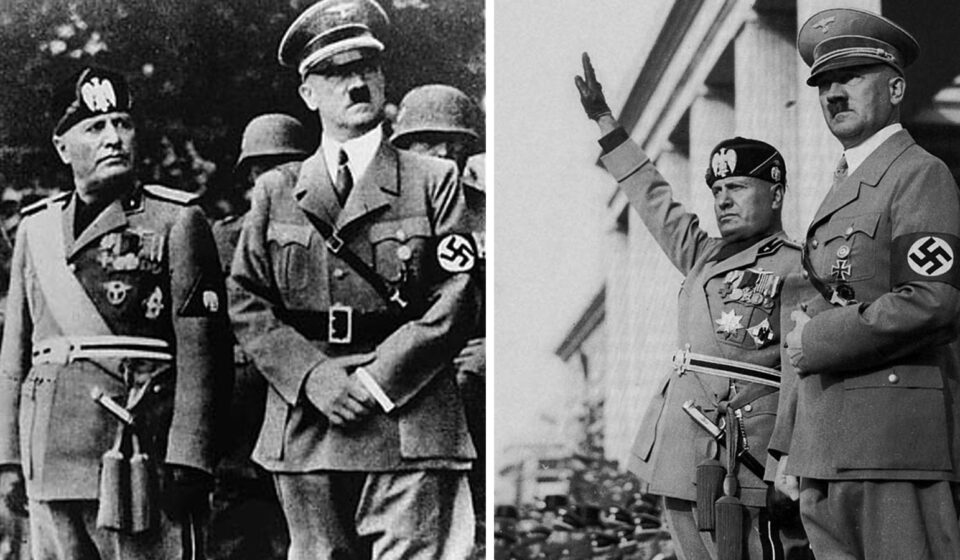

Fascisterne, a term that evokes powerful images and intense emotions, stands at the crossroads of history and ideology. Emerging in the early 20th century, this movement has left an indelible mark on society far beyond its original borders. Its tenets have shaped political landscapes, sparked social movements, and influenced countless generations.
As we delve into the intricacies of fascism, we’ll explore how it rose to prominence in Italy and Germany, fueled upheaval during World War II, and even resonated through civil rights movements across various nations. The echoes of its influence can still be felt today in modern politics and societal debates. Join us as we uncover the multifaceted impact of fascism throughout history and draw lessons from its legacy that remain relevant now more than ever.
What Is Fascisterne?
Fascisterne, a term often associated with authoritarian regimes, embodying extreme nationalist ideologies. It prioritizes the state above individual rights and fosters a centralized control over various aspects of life.
At its core, Fascisterne rejects democratic principles in favor of dictatorial power. This ideology thrives on the idea of unity through strength, often using propaganda to garner support from the masses.
The movement is characterized by militarism and glorifies past empires or national glory. The leaders promote an image of invincibility that can rally people around a common cause.
Racial superiority plays a significant role in fascist rhetoric. Minorities are frequently scapegoated for societal issues, creating an “us versus them” mentality among citizens.
Through this lens, Fascisterne not only influences politics but also deeply impacts culture and society at large. Its legacy remains relevant as many still grapple with its implications today.
The Rise of Fascist Institutions in Italy and Germany
The rise of fascism in Italy and Germany marked a pivotal shift in the political landscape of Europe. In Italy, Benito Mussolini capitalized on post-World War I discontent. Economic turmoil and social unrest fueled his ascent as he promised stability through authoritarian rule.
Parallelly, Adolf Hitler embraced similar ideologies in Germany. The Weimar Republic’s failures created fertile ground for his extreme nationalist agenda. He harnessed public frustrations, channeling anger toward scapegoats while promoting an idealized vision of society.
Fascist groups thrived on propaganda and mass rallies, captivating audiences with fiery speeches and grand displays of power. Both leaders exploited fear to consolidate control over their nations, suppressing dissent ruthlessly.
This era saw radical shifts in societal norms as traditional values were dismantled. The impact resonated beyond borders, leaving scars that would shape global politics for generations to come.
Influence on Social Movements During World War II
During World War II, the ideology of fascism significantly shaped various social movements. The allure of nationalistic fervor drew many individuals to its cause, leading to a surge in grassroots organizations. These groups often espoused unity and strength, mirroring fascist principles.
Resistance movements also emerged as a reaction against oppressive regimes. Individuals fighting for freedom found themselves grappling with the tactics and rhetoric of fascism, using them as a counterpoint to rally support for their causes.
In occupied territories, some locals adopted similar strategies to mobilize populations against invaders. They understood how effective propaganda could sway public opinion and used these lessons for liberation efforts.
Even within allied nations, elements influenced by fascism sparked discussions around governance and civil rights—challenging established norms while aiming for societal change amid the chaos of war.
Fascist’s Impact on Civil Rights Movements
Fascists left a significant mark on civil rights movements globally. The oppressive tactics used by fascist regimes inspired communities to rise against injustice.
In the United States, for instance, the brutal realities of fascism fueled activism during the Civil Rights Movement. Activists drew parallels between their struggles and those faced under authoritarian rule. This awareness galvanized many to advocate for equality and justice.
Worldwide, anti-fascist sentiments became rallying cries for marginalized groups seeking liberation from systemic oppression. They highlighted the urgency of dismantling discriminatory practices that echoed fascist ideologies.
Moreover, literature documenting these fascist atrocities served as powerful tools in raising consciousness about human rights violations. It mobilized individuals who fought tirelessly against racism and inequality.
The echoes of past tyranny continue to influence contemporary dialogues surrounding civil liberties and social justice reforms today. This historical context reminds us that vigilance is essential in safeguarding freedoms achieved through hard-fought battles.
Modern-day Examples of Fascist Influences
Modern society still bears the marks of fascist ideology in various forms. Populist movements across the globe often echo its principles, using nationalistic rhetoric and scapegoating minorities to galvanize support.
In countries like Hungary and Brazil, leaders have adopted strategies reminiscent of fascist tactics. They focus on strongman charisma while promoting exclusionary policies that resonate with a fearful electorate. Social media amplifies these messages, allowing them to spread rapidly.
Furthermore, some far-right groups openly embrace symbols linked to historical fascism. This resurgence is alarming for many who recognize the potential for history to repeat itself under similar ideologies.
The influence isn’t just political; it seeps into cultural realms too. Art and literature sometimes reflect themes of authoritarianism or glorify past regimes associated with fascist principles, sparking debates about their implications in contemporary discourse.
Effects on Politics and Government Policies
The effects of fascism on politics and government policies are profound and long-lasting. Under its influence, many nations saw a shift toward authoritarianism. This often included the suppression of dissent, censorship, and strict control over media outlets.
Fascist regimes promoted national unity at the expense of individual freedoms. Governments adopted policies that prioritized state power over personal liberties. Such measures reshaped societies in ways that still resonate today.
Economic policies were also impacted. Fascist regimes emphasized autarky or self-sufficiency, leading to significant changes in trade practices and industry regulations.
Moreover, Fascist-era emphasis on militarization influenced defense spending across various governments worldwide. Many countries have since grappled with the legacy of these militaristic tendencies.
Political polarization remains another enduring effect. The divide between progressive movements and conservative ideologies can often be traced back to Fascist-era legacy.
Lessons Learned from the History of Fascist
The history of fascism offers crucial insights into the dangers of unchecked power. It teaches us how quickly societies can descend into authoritarianism when fear and division are exploited.
One significant lesson is the importance of vigilance in protecting democratic values. Societies must remain aware and engaged to prevent similar ideologies from taking root again.
Moreover, examining the tactics used by fascist groups highlights the effectiveness of propaganda in shaping public perception. Understanding these methods equips individuals to critically assess information today.
Fostering inclusivity and dialogue remains vital. Emphasizing unity over division helps dismantle potential threats that echo historical patterns.
Education about past atrocities serves as a powerful reminder. Remembering those events encourages collective responsibility for safeguarding human rights and freedoms against oppressive forces that may emerge again.
Conclusion
The legacy of fascisterne continues to ripple through society. Its ideologies have shaped various movements, sometimes for good and often for ill.
Understanding its historical context is crucial. It sheds light on current political climates and social dynamics worldwide.
Each generation faces the challenge of recognizing these influences. Becoming aware helps individuals resist any resurgence or misappropriation of such ideas.
Learning from history can empower present-day activists and thinkers alike. The past offers valuable lessons about unity, resilience, and vigilance against oppressive forces.
As societies evolve, so too do the narratives around fascism’s impact. This ongoing dialogue remains essential in shaping a more just future.
FAQs
What is fascisterne?
Fascisterne refers to a political ideology characterized by authoritarianism, nationalism, and often a disdain for democracy. It emerged prominently in the early 20th century, particularly through regimes in Italy and Germany.
How did Fascist regimes rise to power in Italy and Germany?
In Italy, Benito Mussolini capitalized on social unrest after World War I. In Germany, Adolf Hitler exploited economic hardship and political instability post-World War I. Both leaders used propaganda effectively to garner support.
What was the impact of fascism during World War II?
During WWII, fascist organizations influenced various social movements by promoting militarism and xenophobia. Resistance movements also arose as people fought against oppressive regimes.
Did Fascism influence civil rights movements?
Yes, while often seen as repressive forces themselves, reactions against fascist ideologies sparked many civil rights movements globally. Activists sought equality and justice in stark opposition to discriminative practices inherent within these regimes.
Are there modern examples of fascist influences today?
Contemporary politics sometimes reflects elements of fascist ideals—such as extreme nationalism or anti-immigrant sentiments—in certain governments worldwide that echo past actions or rhetoric from historical regimes.
What lessons can we learn from the history of fascism?
The history surrounding us fascinates us with warnings about unchecked authority and division among societies. It serves as a reminder to remain vigilant about democratic values while embracing diversity instead of fostering hatred.
This exploration into the influence of fascieterna throughout history reveals its complex legacy—a narrative intertwined with both oppression and resistance that continues to resonate today.

[…] September 12, 2026 Fintechzoom .com: Your Go To Source for Financial Technology Insights September 12, 2026 How Fascisterne Influenced Social Movements Throughout History […]