


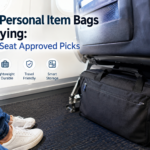














































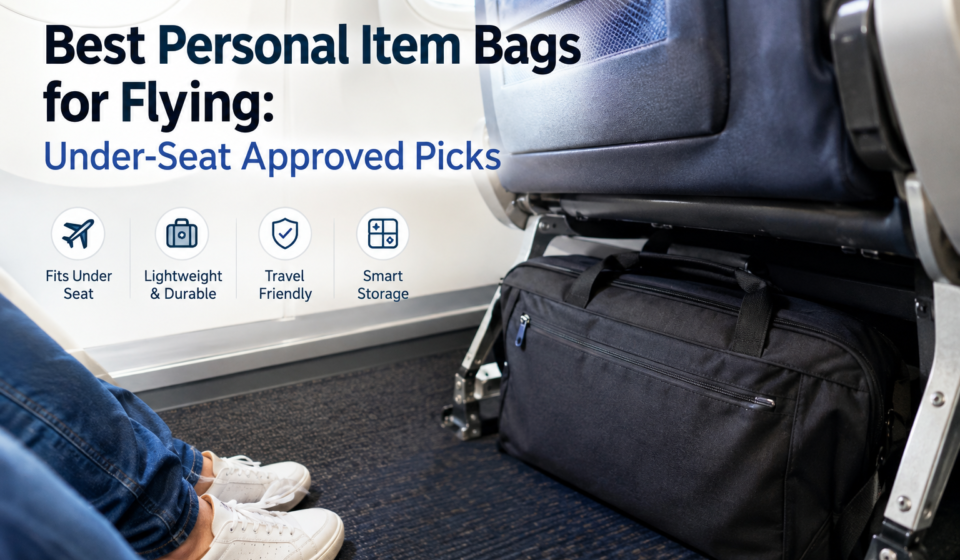

Choosing the best personal item bags for flying can make every trip easier. A good personal item bag fits under the airplane seat, keeps your essentials organized, and gives you quick access to important items. It also helps you avoid packing everything into your main carry-on suitcase.
Whether you travel for business, enjoy weekend getaways, or take long international flights, the right bag can improve your travel experience. You can keep your passport, phone, laptop, snacks, headphones, and travel documents within reach. A well-designed bag also helps you make the most of limited cabin space.
However, not every bag advertised as an under-seat bag will fit beneath every airplane seat. Airlines have different size restrictions, and available space can vary by aircraft and seat location. Therefore, you should always check the rules of your airline before choosing a personal item bag.
In this guide, we explore the best types of personal item bags for flying, the features worth considering, and the practical details that help you choose the right option for your next trip.
What Is a Personal Item Bag for Flying?
A personal item bag is a small bag that passengers can usually bring into the airplane cabin alongside their main carry-on, depending on the airline’s baggage policy. It is designed to hold everyday essentials without taking up too much space.
Common examples include backpacks, handbags, laptop bags, totes, and compact duffel bags. Many travelers use personal item bags to store items they need during the flight. These may include travel documents, electronics, medication, reading materials, and a change of clothes.
Personal items are often expected to fit under the seat in front of you. This requirement makes size an important consideration when shopping for a bag. A bag that looks compact in a product photograph may become too large when fully packed.
Before buying a bag, review the airline’s personal item dimensions and compare them with the bag’s measurements. Remember that some airlines include handles, pockets, and wheels when measuring luggage. A flexible bag can sometimes fit more easily than a rigid one, but it must still comply with the airline’s rules.
Best Personal Item Bags for Flying: Top Styles to Consider
The best personal item bags for flying depend on your packing habits, destination, and preferred travel style. Some travelers want a comfortable backpack, while others prefer a professional laptop bag or a lightweight tote. Understanding the main options makes it easier to choose a suitable design.
Under-Seat Travel Backpacks
An under-seat travel backpack is an excellent choice for travelers who want hands-free convenience. Its shoulder straps distribute the weight across your back, making it comfortable to carry through airports, train stations, and busy city streets.
Many travel backpacks include separate laptop compartments, internal organizers, water bottle pockets, and quick-access sections. These features help you keep your belongings organized without opening the entire bag. Some models also have luggage sleeves that slide over a suitcase handle.
When choosing a backpack, look for a compact shape that does not extend too far from your body. A structured design can protect electronics, while softer sides may make it easier to fit the bag beneath a seat.
A backpack works especially well for weekend trips, international travel, and airport transfers. However, avoid overfilling it because an expanded backpack may exceed the permitted personal item dimensions.
Personal Item Tote Bags
A travel tote is ideal for people who prefer simple access to their belongings. Its open main compartment makes it easy to retrieve a book, snack, charging cable, or travel document without searching through several pockets.
Many totes have comfortable shoulder straps, interior zippered pockets, and dedicated laptop sections. Some also include a removable pouch for smaller items. Lightweight materials can reduce the overall weight of the bag, leaving more room for your belongings.
Tote bags are particularly useful for short flights, business trips, and travelers who carry a tablet or laptop. They can also double as everyday bags after you reach your destination.
However, a tote may become uncomfortable when packed with heavy items. Choose sturdy straps and reinforced stitching if you plan to carry electronics or other weighty essentials. A secure zippered closure is also helpful because it protects your belongings and reduces the risk of items falling out.
Compact Under-Seat Duffel Bags
A compact duffel bag offers plenty of room without the bulk of a large travel bag. Its flexible construction makes it suitable for clothing, toiletries, gym essentials, and other items needed for a short trip.
Many duffels feature wide openings that make packing easier. Some have separate shoe compartments, removable shoulder straps, and external pockets. These features can be especially useful when you want to organize clothing separately from electronics or personal accessories.
A small duffel is a practical choice for weekend travel, overnight stays, and short business trips. It can also work as a secondary bag when you travel with a larger suitcase.
Before choosing one, pay attention to its depth and packed shape. A duffel can become bulky when filled with clothing or shoes. Select a model with dimensions that suit your airline’s restrictions, and leave enough flexibility to fit it beneath the seat.
Laptop Bags for Business Travel
A dedicated laptop bag is often the best personal item for business travelers. It provides a convenient place for a computer, charger, notebook, documents, and other work essentials.
Look for padded laptop protection, a secure main compartment, and several smaller pockets. A bag with a luggage pass-through can make airport transfers more convenient. Water-resistant fabric may also offer extra protection when traveling in unpredictable weather.
Professional laptop bags are available in messenger, briefcase, tote, and backpack styles. Your choice depends on how much equipment you carry and how far you walk during your trip.
If you regularly work while traveling, choose a bag that keeps your devices protected and allows quick access at airport security. Check the laptop compartment dimensions before purchasing, since the advertised bag size does not always indicate the size of the computer it can hold.
Expandable Personal Item Bags
Expandable personal item bags provide extra flexibility when your packing needs change. Many designs include a zippered section that increases the bag’s depth, allowing you to carry additional clothing or souvenirs.
This feature can be useful when you travel with only a personal item on the outbound flight but need extra room for the return journey. Some expandable bags also offer multiple compartments for improved organization.
However, expansion can create a problem if it makes the bag too large for the airline’s personal item allowance. A bag that fits when compressed may exceed the permitted dimensions when expanded.
For this reason, check both the expanded and unexpanded measurements before buying. If you intend to use the bag as an under-seat personal item, pack it carefully and avoid filling the expansion section beyond the allowed size.
What to Look for in the Best Personal Item Bags for Flying
Choosing a personal item bag involves more than selecting an attractive design. The right combination of size, comfort, organization, and durability can make a noticeable difference during your journey.
Airline Size Compatibility
Size compatibility should be your first consideration. Airlines set their own personal item limits, and these requirements can vary between carriers and ticket types. Some budget airlines have particularly strict restrictions.
Measure the bag’s height, width, and depth before purchasing it. Compare these measurements with the current personal item allowance published by your airline. Do not assume that a bag described as airline-approved will be accepted by every carrier.
Soft-sided bags can be useful because they may compress slightly when not fully packed. However, soft construction does not guarantee acceptance if the bag is oversized or too full.
If you regularly fly with different airlines, consider a compact design that leaves some room below common size limits. This approach offers greater flexibility, although you should still verify the rules for each booking.
Lightweight Construction
A lightweight bag makes traveling easier because it reduces the weight you carry through the airport. It can also leave more room within your overall baggage allowance, particularly when an airline applies weight limits to cabin luggage.
Nylon and polyester are common materials for lightweight travel bags. They can offer a practical balance between weight, durability, and affordability. Some bags also use reinforced panels to improve structure without adding excessive bulk.
Pay attention to the weight of the empty bag. A model with heavy hardware, thick padding, and many compartments may weigh more than expected before you add any belongings.
The ideal design depends on how you travel. Frequent flyers may prefer durable materials and reinforced seams, while occasional travelers may value simplicity and affordability. In either case, a lightweight bag with reliable construction is a sensible investment.
Comfortable Straps and Handles
Comfort matters when you carry a bag across a large airport or walk between transportation connections. Poorly designed straps can dig into your shoulders, especially when the bag contains a laptop, water bottle, or other heavy items.
Backpacks should have adjustable straps and comfortable padding. Totes should offer handles that sit comfortably on your shoulder. Duffel bags benefit from a padded shoulder strap, particularly when carrying heavier belongings.
If you frequently travel with a rolling suitcase, look for a luggage sleeve. This feature allows the personal item to rest on the suitcase handle, reducing the need to carry both bags separately.
A comfortable bag should also be easy to lift and move. Convenient handles on the top or side can help when placing the bag beneath an airplane seat or retrieving it after landing.
Smart Compartments and Organization
Good organization makes it easier to find what you need during a flight. Instead of keeping everything in one large compartment, choose a bag with sections that suit your everyday travel essentials.
A padded laptop sleeve is useful for people who work on the move. Small zippered pockets can hold passports, cables, pens, and other accessories. An exterior pocket can provide quick access to tissues, boarding documents, or headphones.
Travelers who pack clothing may prefer separate compartments for clean items and toiletries. However, too many pockets can add unnecessary weight and make the bag more complicated than it needs to be.
Think about your normal packing routine before choosing a design. A simple tote may suit a short domestic flight, while a backpack with several compartments may work better for a longer journey.
Durable and Water-Resistant Materials
A personal item bag can experience frequent handling, crowded transport, and changing weather conditions. Durable construction helps it withstand these challenges over time.
Look for strong stitching, quality zippers, reinforced handles, and sturdy strap attachments. These details often matter more than decorative features. A bag with weak seams may fail when it is packed heavily or lifted repeatedly.
Water-resistant fabric can protect belongings from light rain and minor spills. However, water-resistant does not necessarily mean waterproof. If you carry expensive electronics or important documents, consider an additional protective sleeve or waterproof pouch.
A durable bag should also be easy to clean. Darker colors and materials that resist stains may be practical for frequent travel, especially when you use the bag for outdoor trips or long journeys.
How to Pack a Personal Item Bag for Flying
Packing your personal item bag carefully helps you use its limited space effectively. Start by identifying the belongings you need during the flight. These often include travel documents, a phone, a charger, headphones, medication, a wallet, and a few personal comfort items.
Place important documents and frequently used items in secure, easy-to-reach pockets. Keep electronics protected in padded compartments, and use a small pouch for charging cables and accessories. This arrangement prevents loose items from getting tangled or lost.
If you need clothing, choose lightweight pieces that fold or roll neatly. A spare shirt, underwear, or a thin sweater can be useful on longer journeys. Avoid packing unnecessary items that add weight without improving your trip.
Toiletries should be packed according to the airport’s security requirements. Liquids, gels, and aerosols may be subject to restrictions, depending on the airport and route. Check the applicable rules before departure and place items in the required containers or bags.
Finally, leave some space in the main compartment. An overfilled personal item may become difficult to close, uncomfortable to carry, and harder to fit under the seat.
Personal Item Bag vs. Carry-On Suitcase
A personal item bag and a standard carry-on suitcase serve different purposes. A personal item is usually smaller and intended to fit beneath the seat, while a carry-on suitcase generally uses the overhead compartment.
A personal item bag is convenient for essentials you want to access during the flight. It can also help travelers avoid checking luggage on short trips when their belongings fit within the permitted allowance.
A carry-on suitcase provides more packing capacity and often has wheels for easier movement. However, it may not fit beneath the seat and may need to go into the overhead bin. Its dimensions and weight must comply with the airline’s cabin baggage rules.
For short journeys, a well-organized personal item may be enough. For longer trips, combining a personal item with an approved carry-on can provide additional storage, provided your ticket includes both allowances.
Before flying, confirm whether your fare includes a personal item, a carry-on bag, or both. Some airlines charge additional fees for larger cabin bags, so checking the baggage policy can help you avoid unexpected expenses at the airport.
Best Personal Item Bags for Different Types of Travelers
Different travelers have different needs. The best bag for a business professional may not be the right choice for a family vacation or a solo weekend trip.
Best for Weekend Getaways
For a weekend getaway, a compact backpack or small duffel can provide enough space for a change of clothes, toiletries, and daily essentials. Choose a bag with a wide opening so you can pack and unpack quickly.
A separate pocket for small items can also help keep your belongings organized. If you plan to explore your destination on foot, a backpack with comfortable straps may be more practical than a duffel.
Remember that the bag must fit your airline’s personal item requirements if you intend to bring it aboard as your under-seat item. For a two-day trip, packing versatile clothing and limiting unnecessary accessories can help you travel with less luggage.
Best for Long-Haul Flights
Long-haul travelers often benefit from a backpack or tote with easy-access pockets. A neck pillow, headphones, eye mask, charging cable, and lightweight sweater can make the journey more comfortable.
Choose a design that allows you to retrieve these items without unpacking everything. A dedicated electronics compartment is especially useful if you carry a tablet, laptop, or other devices.
Comfort should be a priority because you may carry the bag through multiple terminals and connections. A lightweight design with sturdy straps can reduce strain and make transfers easier.
Best for Budget Travelers
Budget travelers should look for a compact bag that meets airline requirements without requiring expensive extras. A simple backpack with durable fabric and useful compartments can offer excellent everyday value.
Avoid paying more for features you will rarely use. Instead, focus on reliable zippers, comfortable straps, suitable dimensions, and enough space for your essentials.
A personal item bag can help reduce baggage costs when your ticket allows it and you can pack everything within the permitted limits. However, never assume that every airline includes a free personal item of the same size. Confirm the allowance before booking and again before departure.
Best for Digital Nomads
Digital nomads often carry a laptop, tablet, charger, headphones, and other work equipment. A structured backpack or professional laptop bag can help protect these items while keeping them organized.
Look for a padded computer compartment, secure pockets, and a comfortable carrying system. A luggage sleeve is useful when moving between airports, hotels, and coworking spaces.
It is also worth considering access to power banks and cables. Keep electronics organized and check the airline’s rules for carrying batteries, particularly larger power banks. Spare lithium batteries and power banks generally belong in cabin baggage rather than checked luggage, subject to applicable airline and safety restrictions.
Common Mistakes to Avoid When Buying an Under-Seat Bag
One common mistake is assuming that every bag marketed as a personal item is accepted by every airline. Marketing descriptions are not a substitute for official baggage rules. Always compare the bag’s measurements with the requirements for your specific flight.
Another mistake is choosing a bag based only on its capacity. A bag may hold a surprising amount but become too thick or bulky when full. Consider its packed dimensions, shape, and flexibility rather than focusing only on the number of liters it can carry.
Ignoring comfort can also create problems. Heavy bags with thin straps may feel manageable in a store but become uncomfortable during long airport walks. Check the strap design, handle quality, and empty weight before making your decision.
Finally, avoid buying a bag with unnecessary features. Extra compartments, decorative hardware, and bulky padding can add weight without providing much practical value. Choose a design that matches your packing habits and travel frequency.
How to Choose the Right Personal Item Bag for Your Next Flight
Start by checking your airline’s baggage allowance and identifying the maximum personal item dimensions. This step helps narrow your options before you spend money on a bag.
Next, consider what you normally carry. If you travel with a laptop, look for a padded compartment. If you prefer lightweight packing, a simple backpack or tote may be enough. Travelers who need clothing and shoes for a short stay may prefer a compact duffel with a wide opening.
Think about how you will move through the airport as well. A backpack is useful when you need both hands free, while a tote offers quick access to everyday essentials. A luggage sleeve can make either option more convenient when you also use a rolling suitcase.
Finally, compare the bag’s materials, organization, and price. Read recent customer reviews that discuss actual dimensions, zipper quality, comfort, and durability. If possible, inspect the bag in person or check the seller’s return policy before purchasing.
Conclusion
The best personal item bags for flying combine practical dimensions, comfortable carrying options, durable materials, and smart organization. Under-seat backpacks are excellent for hands-free travel, totes provide quick access to essentials, and compact duffel bags offer flexible storage for short trips. Laptop bags are particularly useful for business travelers, while expandable designs provide extra flexibility when packing needs change.
The right choice depends on your airline, destination, and packing habits. Before buying, check the official personal item size limits for your flight and compare them with the bag’s measurements. Consider empty weight, strap comfort, storage compartments, and material quality to find a bag that works for your routine.
With a suitable personal item bag, you can keep your travel essentials close, make airport transfers easier, and stay organized throughout your journey. A thoughtfully chosen bag can become one of the most useful items in your travel collection, whether you fly occasionally or travel several times each month.
