



















































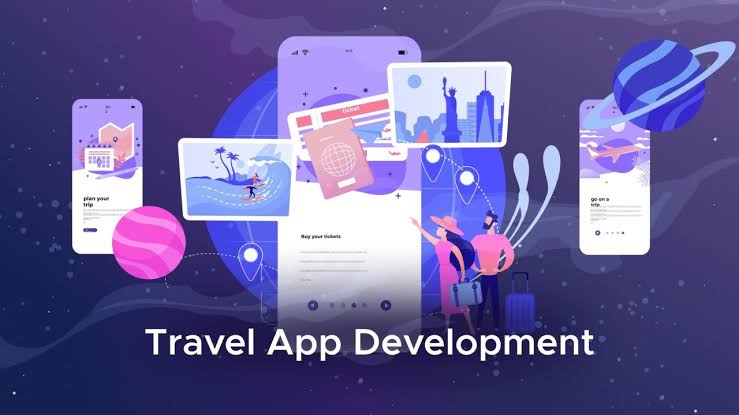

Travel has changed dramatically in the digital age. People now use smartphones to search for flights, compare hotels, build itineraries, find restaurants, navigate cities, and manage bookings. Because of this shift, travel businesses need more than a basic website. They need fast, useful, and intelligent mobile experiences.
A professional travel app development company can turn that need into a complete digital product. Modern travel apps can connect booking systems, maps, payments, customer accounts, real-time alerts, and artificial intelligence in one place. In 2026, the focus is moving even further toward personalized and AI-powered travel experiences. Deloitte reports that nearly one in four travelers surveyed in late 2025 had already used generative AI for trip planning.
What Is a Travel App Development Company?
A travel app development company designs and builds mobile applications for businesses in the travel and tourism industry. Its work can cover everything from the first product idea to design, programming, testing, launch, and ongoing maintenance.
The type of app can vary widely. A company may build a flight booking platform, hotel app, vacation rental service, itinerary planner, tour marketplace, transportation app, travel guide, or an all-in-one travel platform. The right approach depends on the target audience and business model.
Why Travel Apps Matter More Than Ever
Travelers want convenience. They do not want to switch between several websites and applications every time they need information. A strong travel app can bring important parts of a journey together and reduce the effort required to plan a trip.
Mobile behavior is also changing what customers expect from travel companies. Users want quick search results, simple booking flows, digital payments, personalized suggestions, and instant updates. Modern travel apps are therefore becoming travel companions rather than simple booking tools.
AI Is Changing Travel App Development
Artificial intelligence is becoming one of the most important technologies in travel. Instead of showing every customer the same results, an AI-powered application can analyze preferences and behavior to make more relevant recommendations.
For example, an app could learn that a traveler prefers budget hotels, short flights, outdoor activities, and quiet destinations. It could then use those preferences when suggesting a future trip. This reduces the amount of searching the traveler has to do and creates a more personal experience.
The Rise of AI Travel Assistants
The next generation of travel applications will go beyond simple chatbots. AI assistants can help users plan complete trips, answer questions, adjust itineraries, and provide information during the journey.
This development is part of the wider move toward agentic AI. IDC predicts that AI agents could execute 30% of travel bookings by 2030. These systems are expected to compare options, understand preferences, and eventually complete transactions on behalf of travelers.
Personalized Travel Experiences
Personalization is becoming a major competitive advantage. Travelers have different budgets, interests, schedules, and comfort levels. A good travel app should recognize those differences rather than treating everyone the same.
A travel app development company can use customer data to create personalized destinations, hotel recommendations, activities, and itinerary suggestions. With the right privacy controls, personalization can make an app feel more useful without making the experience complicated.
Real-Time Travel Information
Travel plans can change within minutes. Flights may be delayed, gates may change, weather can shift, and roads can become congested. Travelers therefore need information while they are moving, not only when they first make a booking.
Modern apps can connect with real-time data sources to send useful alerts. A traveler could receive a flight update, weather warning, gate notification, or transportation message directly inside the app. This makes the application more valuable throughout the entire journey.
Seamless Booking and Payments
A travel app should make booking feel simple. Customers should be able to search, compare, select, pay, and receive confirmation without unnecessary steps.
Secure payment integration is therefore essential. Depending on the market, an application may support cards, digital wallets, bank payments, or other local payment methods. A travel app development company must also pay attention to transaction security and reliable payment processing.
Smart Itinerary Management
One of the most useful travel app features is a digital itinerary. Instead of searching through emails and separate booking websites, travelers can see flights, hotels, tours, reservations, and activities in one place.
AI can make this feature even more powerful. An intelligent itinerary can consider travel times, opening hours, weather, personal interests, and unexpected changes. If a flight is delayed, the system could help reorganize the rest of the schedule.
Maps and Location-Based Features
Maps are central to many travel applications. Travelers need directions to hotels, airports, attractions, restaurants, transportation stops, and other locations.
Location-based features can also provide useful recommendations. An app might show nearby restaurants, attractions, or activities based on the user’s preferences. When used responsibly, location data can create a more helpful experience without requiring constant manual searching.
Voice Search Is Becoming More Useful
Typing long travel requests on a phone is not always convenient. Voice technology can make travel apps easier to use, especially while users are walking or driving.
A traveler could ask for nearby hotels, request directions, or search for activities using natural language. Combined with AI, voice search can turn a traditional app into a conversational travel assistant.
AR and Immersive Travel Features
Augmented reality can add another layer to travel applications. Instead of simply reading about a destination, users could use their phone camera to receive information about buildings, attractions, streets, and landmarks.
Virtual reality can also help customers explore hotels and destinations before making a decision. These features are not necessary for every travel app, but they can create strong differentiation for tourism companies that depend on visual discovery.
IoT and Connected Travel
The Internet of Things can connect travel apps with physical devices and services. Smart hotels, connected transportation, wearable devices, and other systems can exchange information with applications.
Imagine arriving at a hotel and receiving digital check-in information automatically. Your room access could appear inside the app, while the same platform provides local recommendations. Connected technology could eventually make many parts of a trip feel almost invisible.
Sustainable Travel Features
Environmental awareness is also influencing travel technology. Travelers increasingly want information that helps them make more responsible choices.
A travel application can highlight public transportation, rail journeys, lower-emission options, eco-friendly hotels, and sustainable activities. These features can help businesses respond to changing customer expectations while giving travelers more control over their choices.
The Importance of API Integration
A travel application rarely works alone. It usually needs to communicate with external services. These may include airline systems, hotel inventories, maps, payment gateways, weather services, identity systems, and customer relationship platforms.
This makes API integration one of the most important parts of travel app development. A well-designed integration strategy helps keep information synchronized and reduces the risk of outdated prices, unavailable rooms, or incorrect travel details.
Security Must Be a Priority
Travel applications handle sensitive information. Users may provide names, passport details, payment information, travel dates, locations, and personal preferences.
Security should therefore be included from the beginning of development. Encryption, secure authentication, access controls, monitoring, and careful data handling all matter. A fast application is not enough if users do not trust it with their information.
How a Travel App Development Company Builds an App
The development process normally begins with research. The team needs to understand the target audience, competitors, business goals, and main problem the application will solve.
The next stage focuses on product planning and user experience. Developers and designers then create the technical architecture, interfaces, integrations, and core features. After development, the application goes through testing before launch. Maintenance continues after release because operating systems, APIs, security requirements, and customer expectations keep changing.
How Much Does Travel App Development Cost?
Travel app development costs can vary widely. A simple MVP may cost tens of thousands of dollars, while an advanced platform with AI, multiple integrations, real-time services, and complex booking systems can cost hundreds of thousands.
One 2026 development guide estimates roughly $30,000 to $60,000 for an MVP and $180,000 to $350,000 or more for an AI-enabled platform. These figures are only broad estimates because the actual price depends on the product’s scope, development team, integrations, design, and maintenance requirements.
Choosing the Right Travel App Development Company
Choosing a development partner is an important business decision. A company may have excellent technical skills but little understanding of travel workflows. That can create problems when the product becomes more complex.
Look for a team with relevant travel experience, strong UI and UX skills, API integration knowledge, mobile development expertise, and a clear testing process. It is also useful to examine previous products rather than relying only on marketing claims.
Why User Experience Matters
A travel app can have dozens of features and still fail if it feels difficult to use. Travelers often make decisions while they are busy, tired, or moving between locations. The interface should therefore make important actions easy to find.
Simple navigation, clear pricing, fast search, readable information, and a smooth checkout process can have a major impact on customer satisfaction. Good design is not just about making an app attractive. It is about reducing friction.
The Future of Travel Tech
The future of travel technology is moving toward intelligent, connected, and personalized experiences. Travel apps will increasingly understand what users want instead of simply waiting for them to search for it.
Generative AI is already gaining traction in travel planning. Deloitte found that adoption of generative AI for trip planning had grown substantially compared with 2022, even though fully connected discovery and booking experiences are still developing.
The next major shift may come from AI agents. Instead of opening an app and manually comparing every option, a traveler could describe a goal and allow an intelligent system to find suitable flights, hotels, activities, and transportation. The application would become less like a search tool and more like a digital travel manager.
Travel Apps Will Become More Connected
Future travel platforms will likely connect more parts of the journey. Flights, hotels, restaurants, activities, transportation, payments, loyalty programs, and customer support can increasingly work together.
This could create a smoother experience from the first search to the trip home. It could also give businesses a more complete understanding of customer needs. However, companies will need strong data systems and privacy practices to make this possible.
Why Businesses Should Invest in Travel Apps
A strong travel application can create a direct relationship between a business and its customers. Instead of depending entirely on search engines or third-party marketplaces, companies can build their own digital channel.
Apps can also support repeat bookings, loyalty programs, personalized offers, push notifications, and customer support. Over time, this can turn a one-time traveler into a returning customer.
Conclusion
A travel app development company is no longer simply a software vendor. The right partner can help a travel business turn an idea into a complete digital experience. From booking and payments to AI recommendations and real-time alerts, modern technology can influence almost every stage of a journey.
The future of travel tech will be shaped by personalization, artificial intelligence, automation, connected services, and better mobile experiences. Companies that build around real customer problems rather than adding technology for its own sake will have the strongest chance of creating useful and lasting travel products.
