



















































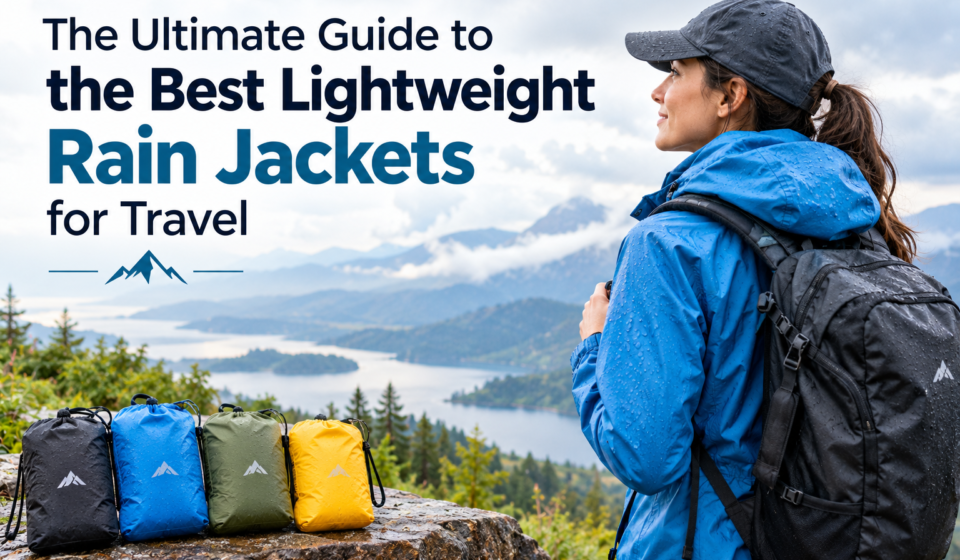

Traveling is more enjoyable when you are prepared for changing weather. Rain can arrive unexpectedly, whether you are exploring a busy city, hiking through green mountains, or walking along a beautiful coastline. A heavy raincoat can take up valuable space in your luggage. A lightweight rain jacket is the best lightweight rain jacket for Travel offers a more practical solution because it protects you from rain without adding unnecessary weight.
The best lightweight rain jackets for travel combine weather protection, comfort, breathability, and easy packing. They should fit comfortably over your everyday clothes and provide enough protection for unexpected showers. Some jackets are designed for city breaks and sightseeing, while others are better suited to hiking, camping, and outdoor adventures. Choosing the right option depends on your destination, travel style, and the weather you expect to encounter.
This guide explains what to look for in a travel rain jacket, how different materials perform, and which features matter most. It also explores several popular jacket models and offers practical advice to help you find the right balance between price, performance, and portability.
Why Lightweight Rain Jackets Are Essential for Travel
Protection Without Extra Luggage Weight
Packing efficiently is important when traveling with carry-on luggage. Every item needs to earn its place in your bag. A bulky raincoat can occupy valuable space that you could use for other essentials. A lightweight jacket solves this problem by offering useful weather protection in a compact design.
Many travel rain jackets fold into their own pockets or pack into small storage bags. This makes them easy to carry in a backpack, handbag, or daypack. You can keep one available during sightseeing without feeling weighed down. When the weather improves, simply pack it away until you need it again.
Lightweight designs are especially useful for travelers who visit several destinations during one trip. You may experience sunshine in the morning, light rain in the afternoon, and cooler temperatures in the evening. A compact jacket helps you prepare for these changes without carrying a separate coat for every condition.
Comfort During Long Travel Days
Comfort matters when you spend hours walking through unfamiliar places. A good rain jacket should allow your arms and shoulders to move naturally. It should also feel comfortable when worn over a T-shirt, sweater, or thin fleece.
Breathability is another important consideration. Walking quickly through a city or climbing a hill can make you sweat, even when the weather is cool. A jacket that traps too much heat may leave you feeling damp inside. Breathable fabrics, ventilation openings, and adjustable cuffs can help improve comfort.
The best choice is not always the lightest jacket available. A very thin shell may be easy to pack but offer limited protection during prolonged rain. Look for a design that suits the activities you plan to enjoy.
What to Look for in the Best Lightweight Rain Jackets for Travel
Waterproof Protection and Reliable Seams
Waterproof performance should be one of your main priorities. Some jackets repel light rain but struggle during long periods of wet weather. Others use waterproof membranes or coated fabrics to provide more dependable protection.
Check whether the jacket has sealed seams. Even a waterproof fabric can allow water to enter through stitching holes if the seams are not properly sealed. A jacket with taped seams generally provides better protection in sustained rain than one with untreated stitching.
Water resistance and waterproofing are not the same. A water-resistant jacket can be suitable for drizzle and short showers. A fully waterproof jacket is usually a better option for wet destinations, mountain trails, and unpredictable weather.
Also consider the hood, front zipper, and pocket construction. Adjustable hoods help protect your head, while storm flaps or water-resistant zippers can reduce water entry. These details may seem small, but they make a noticeable difference during a rainy day outdoors.
Breathability and Ventilation
Breathability determines how effectively moisture vapor escapes from inside your jacket. It is particularly important when you walk long distances, climb hills, or carry a backpack.
Some waterproof jackets use breathable membranes that allow water vapor to escape while helping prevent rain from entering. Other designs use lightweight coatings that may offer different levels of comfort depending on their construction.
Ventilation features can also help. Underarm zippers allow excess heat to escape when you become active. Mesh-lined pockets and adjustable cuffs may provide additional airflow, depending on the jacket design.
If your trip involves sightseeing at a relaxed pace, moderate breathability may be sufficient. For hiking and other demanding activities, choose a jacket designed for active use. Remember that breathability depends on several factors, including humidity, temperature, clothing layers, and how hard you are exercising.
Packability and Overall Weight
A travel rain jacket should be easy to carry when you are not wearing it. Packable designs are especially helpful for travelers who prefer to keep their bags small.
Some jackets fold into an integrated pocket, while others come with a separate stuff sack. Both options work well, although an integrated pocket can be harder to lose. Check the packed dimensions as well as the advertised weight if luggage space is limited.
Very lightweight jackets may sacrifice features such as heavy-duty fabric, multiple pockets, and extensive reinforcements. This does not automatically make them poor choices. It simply means you should match the jacket to the conditions you expect.
For a weekend city trip, a compact shell may be ideal. For a week of hiking in a wet climate, slightly more weight may be worthwhile if it provides better durability and weather protection.
Popular Lightweight Rain Jackets Worth Considering
Patagonia Torrentshell 3L Jacket
The Patagonia Torrentshell 3L is a strong option for travelers who want a versatile waterproof shell. Its three-layer construction is designed to provide reliable weather protection, while its adjustable hood and practical pockets support everyday use.
This jacket is suitable for rainy city walks, outdoor excursions, and moderate hiking. It is generally more substantial than an ultralight emergency shell, but that extra construction can be useful when rain lasts longer than expected.
The Torrentshell 3L is worth considering if you want one jacket for several types of travel. It can work well over a lightweight insulating layer in cool conditions. However, it is not designed to provide warmth on its own, so you may need additional layers in cold weather.
Before purchasing, check the available sizes, current colors, and regional pricing. Its overall value depends on how often you expect to use it and whether you need its more protective construction.
Outdoor Research Helium Rain Jacket
The Outdoor Research Helium is known for its lightweight construction and compact design. It appeals to travelers who want to reduce luggage weight without leaving rain protection at home.
Its small packed size makes it useful for day trips, summer hiking, and travel itineraries where weather conditions can change quickly. It can be stored in a backpack until needed, making it convenient for travelers who move between indoor attractions and outdoor activities.
The Helium is particularly appealing when portability is a major concern. However, lightweight construction involves trade-offs. Depending on the specific version, features and durability may differ from those of heavier waterproof shells.
If you expect frequent heavy rain or prolonged use under a backpack, compare its fabric, seam construction, and intended activity level with more robust alternatives. It is best to choose based on your actual weather needs rather than weight alone.
Arc’teryx Beta Jacket
The Arc’teryx Beta Jacket is a premium option for travelers who expect demanding outdoor conditions. It is designed as a protective shell that can be used for hiking, mountain activities, and general outdoor adventures.
Its appeal comes from its technical construction, adjustable features, and emphasis on weather protection. For travelers who regularly explore wet mountain regions, these qualities may justify considering a more expensive jacket.
However, the Beta is not necessarily the best choice for every traveler. It can cost substantially more than basic rain jackets, and casual sightseeing may not require its level of technical performance.
Consider this model if outdoor performance is more important than finding the lowest price. For occasional rain during city breaks, a simpler jacket may provide everything you need.
Columbia Watertight II Jacket
The Columbia Watertight II is a practical option for travelers seeking an accessible, everyday rain jacket. Its straightforward design makes it suitable for sightseeing, commuting, and general outdoor use.
It is worth considering if you want a dedicated rain layer without paying for a highly technical mountain shell. A jacket in this category can be useful for family holidays, road trips, and short excursions where portability and basic weather protection are the main priorities.
However, compare the specifications of the exact version you intend to buy. Breathability, ventilation, fit, and packability can vary across different models. If you plan to hike in warm, humid weather, these features deserve particular attention.
For occasional travel use, an affordable jacket may offer better value than an expensive technical design. The important point is to make sure its protection matches the weather at your destination.
REI Co-op Rainier Rain Jacket
The REI Co-op Rainier Rain Jacket is another option for travelers who want a balance between weather protection and everyday practicality. Its intended use includes outdoor recreation and hiking, making it relevant for trips that combine sightseeing with time on the trail.
Features such as an adjustable hood and a practical pocket layout can make a jacket more convenient during active travel. The Rainier may be worth comparing with lighter emergency shells if you expect to wear your jacket regularly rather than carrying it only as a backup.
Before making a decision, check the latest model specifications, since product details can change between versions. Also consider the fit you need for layering and whether the jacket packs small enough for your luggage.
How to Choose Between These Jackets
The right model depends on the balance you want between weight, durability, weather protection, and cost. A highly packable jacket is attractive for travelers who prioritize minimal luggage. A more protective shell is often better for long outdoor days and unpredictable conditions.
Do not select a jacket based on its brand name alone. Compare the waterproof construction, seam sealing, hood adjustment, ventilation, packed size, and warranty. Read recent reviews that describe conditions similar to those you expect to encounter.
Product availability and prices vary by country. If you are purchasing online, check the seller’s return policy and confirm that the product is an authentic item from the stated manufacturer.
Choosing the Right Rain Jacket for Your Travel Style
City Breaks and Weekend Trips
Urban travel usually involves walking between attractions, visiting restaurants, and using public transportation. For these activities, a lightweight jacket with a comfortable fit and a simple design may be enough.
Look for a jacket that works with your everyday clothes. Neutral colors such as black, navy, gray, and olive can match different outfits. A clean design is also useful if you want to wear the same jacket during both casual sightseeing and evening outings.
For destinations with occasional showers, packability may matter more than advanced technical features. A compact shell that fits into your daypack can provide useful protection without taking up much room.
If the forecast suggests frequent or heavy rain, choose a fully waterproof jacket rather than relying on a thin windbreaker. City streets may have shelter, but you can still spend considerable time outdoors while walking between destinations.
Hiking, Camping, and Outdoor Adventures
Outdoor travel often requires stronger weather protection. Trails may be exposed to wind and rain, and you may not have a nearby building where you can take shelter.
Choose a jacket with sealed seams, a secure hood, and enough room for comfortable movement. If you plan to wear a backpack, check how the shoulder straps and hip belt interact with the jacket’s pockets and fabric.
Ventilation becomes especially important when hiking uphill. A breathable shell or underarm vents can help manage heat, although no waterproof jacket can eliminate all internal moisture in every condition.
For camping, consider how the jacket performs when the weather remains wet for several hours. A slightly heavier shell may be a better investment than an ultralight design intended mainly for short showers.
Tropical and Humid Destinations
Warm, humid climates create a different challenge. You may need protection from heavy rain while also trying to stay cool.
Look for lightweight construction, good ventilation, and a fit that does not cling to your body. A breathable jacket can improve comfort, but high humidity may still make it difficult for sweat to evaporate.
For tropical trips, consider when you are most likely to wear the jacket. If showers are brief and temperatures are high, a compact rain shell may be sufficient. If you expect prolonged downpours, stronger waterproof protection is more important.
You may also want a jacket with a brimmed or adjustable hood that stays in place during windy weather. Combine it with quick-drying clothing to make the experience more comfortable.
Cold and Wet Destinations
Lightweight rain jackets generally provide little insulation. Their main purpose is to block rain and, in many cases, wind. If you are traveling somewhere cold, you should plan to wear warm layers underneath.
A fleece or lightweight insulated jacket can provide warmth, while the outer shell protects against rain and wind. This layering approach is often more flexible than relying on one thick coat.
Make sure the rain jacket has enough room for your preferred layers without becoming excessively loose. Tight clothing underneath can restrict movement, while an overly large jacket may allow wind and rain to enter more easily.
For winter travel, pay attention to the hood design, cuffs, and ability to close the jacket securely around your neck and waist. These details help improve comfort when conditions are cold and wet.
Understanding Rain Jacket Materials and Construction
Two-Layer, Two-and-a-Half-Layer, and Three-Layer Designs
Rain jackets use different construction methods to balance comfort, durability, weight, and price.
Two-layer jackets typically combine a waterproof barrier with an outer fabric, often using a separate lining for comfort. They can be suitable for everyday wear, although their weight and packed size depend on the specific design.
Two-and-a-half-layer jackets use a protective inner print or coating rather than a full fabric lining. This approach can reduce weight and improve packability. It is often used in jackets designed for hiking and travel.
Three-layer jackets combine an outer fabric, a waterproof membrane, and an inner protective layer. This construction can provide a useful balance of protection and durability, particularly for regular outdoor use.
No construction type is automatically best for everyone. Compare the individual jacket’s specifications and intended purpose before deciding which design suits your trip.
Durable Water Repellent Coatings
Many rain jackets use a durable water repellent, commonly called DWR, on their outer fabric. This treatment helps water form droplets and roll off instead of soaking into the surface fabric.
Over time, dirt, washing, friction, and regular use can reduce this effect. When the outer fabric becomes saturated, the jacket may feel colder and less comfortable even if its waterproof membrane remains functional.
Cleaning the jacket according to the manufacturer’s instructions can help maintain its performance. Some jackets may also benefit from a compatible water-repellent treatment when the original finish wears down.
Keep in mind that a DWR coating alone does not make a jacket fully waterproof. The underlying construction, membrane, and seam sealing also play important roles.
How to Pack and Care for a Lightweight Rain Jacket
Packing Without Damaging the Fabric
Before packing your jacket, make sure it is reasonably clean and dry. Long-term storage while damp can lead to unpleasant odors and may affect other items in your luggage.
If the jacket has an integrated storage pocket, follow the manufacturer’s folding instructions. Otherwise, fold it loosely or place it in a suitable stuff sack. Avoid forcing it into an excessively small space if the manufacturer advises against tight compression.
Keep the jacket somewhere accessible in your daypack. Packing it at the bottom of a large suitcase may be inconvenient when rain starts unexpectedly.
For longer trips, consider carrying a small bag for wet clothing. This allows you to separate a damp jacket from electronics, documents, and clean clothes.
Cleaning and Maintaining Waterproof Performance
Always check the care label before washing your jacket. Different fabrics, membranes, and coatings may require different cleaning methods.
Use a suitable cleaner and avoid fabric softeners unless the manufacturer specifically permits them. Fabric softeners can interfere with the performance of some technical materials.
After washing, follow the manufacturer’s drying instructions. Some garments allow controlled tumble drying to help reactivate the water-repellent finish, while others require different treatment.
Inspect the jacket periodically for damaged seams, worn cuffs, broken zippers, and peeling inner layers. Repairing small problems early may help extend its useful life.
Proper care is especially important if you travel frequently. A well-maintained jacket can remain useful for many trips, reducing the need to replace it after only a short period.
Common Mistakes to Avoid When Buying a Travel Rain Jacket
Choosing the Lowest Weight at Any Cost
A very light jacket may seem ideal, but the lowest weight does not guarantee the best travel experience. Some ultralight options provide less durability or fewer comfort features than heavier alternatives.
Think about how often you will use the jacket and how severe the weather may be. If you expect occasional drizzle, a simple design may be sufficient. For extended hiking in wet regions, stronger construction may be more appropriate.
Compare the packed weight with the protection and features offered. The goal is not to find the lightest jacket available. It is to find the lightest jacket that meets your needs reliably.
Ignoring Fit and Layering
A jacket that looks good online may not fit comfortably in real life. If the shoulders are too tight, movement can become difficult. If the sleeves are too short, your wrists may become exposed when you reach forward.
Try the jacket with the clothing you expect to wear during your trip. Check that you can raise your arms, bend comfortably, and fasten the front zipper without restriction.
Consider whether you need room for a fleece or sweater. A good travel jacket should support your planned layering system without feeling bulky or limiting movement.
Overlooking Hood and Pocket Design
A poorly fitting hood can become frustrating in windy rain. Look for adjustment points that allow you to secure the hood around your head without blocking your view.
Pockets also deserve attention. Their placement should remain practical when you carry a backpack, and their closures should suit the protection you need for small items.
Do not assume that every pocket is waterproof. Keep important electronics, passports, and other valuables in a separate waterproof pouch when conditions are severe.
Are Expensive Lightweight Rain Jackets Worth It?
The answer depends on how often you travel and the conditions you encounter. Premium jackets may offer advanced waterproof materials, better ventilation, durable construction, and features designed for demanding outdoor activities.
These advantages can be valuable for frequent travelers, hikers, and people who regularly visit wet climates. A reliable jacket may also provide better long-term value if it lasts through many trips.
However, occasional travelers may not need a high-priced technical shell. A reasonably priced waterproof jacket can be suitable for city breaks, family holidays, and everyday use.
Compare the total value rather than the price alone. Consider durability, warranty, repair options, comfort, and how often you expect to use the jacket. The best purchase is one that meets your needs without paying for features you are unlikely to use.
Conclusion
The best lightweight rain jackets for travel offer a practical combination of weather protection, comfort, portability, and durability. The right choice depends on your destination, the activities you plan to enjoy, and the amount of rain you expect. A compact jacket may be perfect for sightseeing and occasional showers, while a more robust waterproof shell can provide greater confidence during hiking and extended outdoor adventures.
Before buying, compare waterproof construction, sealed seams, breathability, fit, hood design, and packed size. Consider popular options such as the Patagonia Torrentshell 3L, Outdoor Research Helium, Arc’teryx Beta, Columbia Watertight II, and REI Co-op Rainier, while checking the latest specifications for each model. With the right jacket, you can pack efficiently, stay comfortable in changing weather, and enjoy your travels with fewer worries about unexpected rain.
