



















































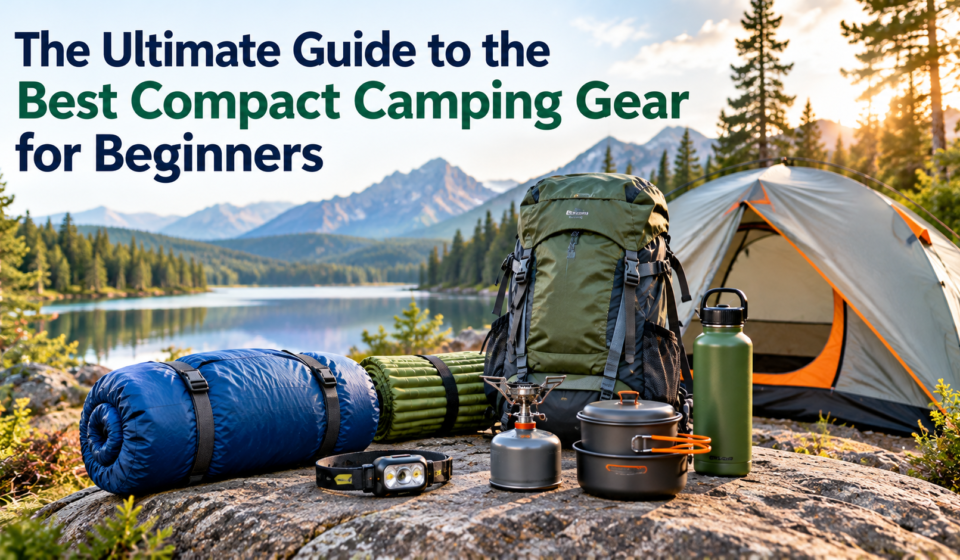

Camping is a great way to escape daily stress, enjoy fresh air, and explore nature. However, choosing equipment for your first trip can feel overwhelming. There are hundreds of tents, sleeping bags, cooking tools, backpacks, and outdoor accessories to consider. The good news is that you do not need a huge collection of equipment to enjoy a comfortable night outdoors.
The best compact camping gear for beginners focuses on three things: convenience, comfort, and safety. Lightweight equipment saves space, while simple designs make setup easier. Compact gear is especially useful if you plan to hike to your campsite, travel in a small car, or store your equipment in a limited space at home.
This guide explains which items you actually need, what features matter most, and how to build a practical camping kit without overspending. Whether you are planning a weekend at a developed campground or preparing for your first backpacking trip, the right equipment can make your experience more enjoyable.
Why Compact Camping Gear Is Ideal for Beginners
Save Space Without Losing Comfort
Compact camping gear is designed to take up less room when packed. Tents fold into smaller bundles, sleeping bags compress into storage sacks, and cookware often nests inside itself. These features make it easier to organize your equipment and carry everything you need.
Smaller equipment is particularly useful for beginners because it helps prevent overpacking. You can focus on the essentials instead of filling your bag with items that may never leave the campsite. A well-planned kit also makes packing, unpacking, and cleaning up much easier.
However, compact does not always mean comfortable. An extremely small sleeping pad may be difficult to sleep on, while a tiny tent may leave little room for movement. Look for a balance between packed size, durability, weight, and practical comfort.
Choose Gear That Is Easy to Set Up
First-time campers benefit from equipment that works without complicated instructions. A tent with a simple pole system, a sleeping pad with a straightforward inflation valve, and a stove with clear operating instructions can reduce stress at camp.
Before buying anything, read the setup instructions and watch the manufacturer’s demonstration if one is available. Practice using your equipment at home so you know how it works before arriving at the campsite.
Simple gear also saves time when the weather changes or daylight fades. You will be better prepared if you can pitch your shelter, organize your sleeping area, and prepare a meal without struggling with unfamiliar equipment.
Best Compact Camping Gear for Beginners: Essential Items
1. A Lightweight and Easy-to-Pitch Tent
What to Look for in a Beginner Tent
A tent is one of the most important purchases for any camping trip. It protects you from wind, rain, insects, and other outdoor conditions. For beginners, a lightweight tent with a simple setup system is usually easier to manage than a complicated shelter designed for specialized adventures.
Consider a two-person tent if you camp alone and want extra space for your backpack. If two people will sleep inside, check the actual floor dimensions and interior height rather than relying only on the advertised capacity. A tent labeled for two people may provide limited room for luggage.
Look for strong seams, suitable waterproof protection, reliable zippers, ventilation panels, and a rainfly appropriate for the conditions you expect. A three-season tent is a common choice for ordinary spring, summer, and fall trips, but it is not automatically suitable for severe storms or winter camping.
Dome Tents Versus Ultralight Tents
Dome tents are popular with beginners because they are generally straightforward to pitch and provide a stable structure for common camping conditions. Many models include poles, stakes, and a rainfly, making them practical for first-time campers.
Ultralight tents are designed to reduce weight and packed size. They can be helpful for backpacking, but some require careful pitching, trekking poles, or separate accessories. They may also cost more than basic recreational tents.
If you plan to camp near your car, a slightly heavier tent may offer better space and comfort. If you must carry everything over several miles, weight and packed size become much more important.
2. A Compact Sleeping Bag for Comfortable Nights
Match the Temperature Rating to Your Destination
A sleeping bag helps you stay warm during the night. The right choice depends on the lowest temperatures you expect, your sleeping habits, and the conditions of your campsite.
A summer sleeping bag may be sufficient for warm-weather trips. A three-season model offers more flexibility when temperatures vary, but its rating should still match the expected conditions. Check the manufacturer’s temperature guidance carefully, and consider whether the stated rating refers to comfort or a lower limit.
Do not assume that a small sleeping bag will keep you warm simply because it is thick. Insulation type, construction, fit, and moisture resistance all affect performance. If you usually feel cold at night, allow extra warmth in your plan.
Down or Synthetic Insulation?
Down sleeping bags generally compress well and provide an excellent warmth-to-weight ratio. They are popular with backpackers who want to reduce the size and weight of their packs. However, down can lose insulating performance when it becomes wet, and higher-quality options may be expensive.
Synthetic sleeping bags are often more affordable and can retain more insulating ability in damp conditions. They may be bulkier than comparable down bags, but they can be a practical choice for beginners who camp in changeable weather.
For your first few trips, prioritize a suitable temperature rating and a comfortable fit. A reliable sleeping bag matters more than buying the lightest or most expensive model available.
3. A Packable Sleeping Pad
Why You Should Not Sleep Directly on the Ground
A sleeping pad adds cushioning and helps reduce heat loss to the ground. Even during warm weather, the ground can draw heat away from your body, making an otherwise comfortable sleeping bag feel less effective.
Inflatable pads pack down small and often provide a comfortable surface. Some models inflate with a built-in pump or a separate inflation sack. Self-inflating pads combine foam and air, while closed-cell foam pads are simple and durable but usually take up more space.
For beginners, an inflatable or self-inflating pad can be a good balance between comfort and packability. Check the packed dimensions, thickness, width, and weight before buying.
Understand the R-Value
The R-value measures a sleeping pad’s resistance to heat flow. In general, a higher R-value means better insulation from the ground. The right value depends on the season, climate, and your personal comfort.
A thin pad may work well in warm weather but feel inadequate on cold ground. If you plan to camp during cooler months, choose a pad with suitable insulation rather than focusing only on thickness or packed size.
Test the pad at home before your trip. Check for leaks, learn how to inflate it, and make sure you can pack it away easily. A small repair kit can also be useful when using inflatable equipment.
4. A Comfortable Backpack With Smart Storage
Choose the Right Capacity
Your backpack should hold your equipment without becoming difficult to carry. The best size depends on the length of your trip, the bulk of your sleeping system, and whether you need to carry food and water for extended periods.
For an overnight backpacking trip, many people consider packs in the approximate 30–50-liter range, although the ideal size varies with equipment and conditions. A larger pack may be necessary for bulky gear or cold-weather trips. Car campers can often use a smaller daypack for personal items because their main equipment stays in the vehicle.
Try a backpack before purchasing it when possible. Look for adjustable shoulder straps, a comfortable hip belt, useful pockets, and a supportive back panel. Fit is more important than a particular brand or capacity number.
Keep Heavy Items Close to Your Back
Smart packing makes a backpack easier to carry. Place heavier items close to your back and around the middle of the pack, while lighter items can sit toward the top or bottom according to their use and protection needs.
Keep frequently used items accessible. A rain jacket, headlamp, water, snacks, and navigation tools should not be buried beneath your sleeping bag.
Use small packing sacks to group similar items. One bag can hold clothing, another can protect electronics, and a separate pouch can keep cooking tools organized. This approach makes it easier to find things without unpacking your entire bag.
5. Portable Cooking Equipment
Pick a Stove That Matches Your Meals
A compact camping stove makes it easier to boil water and prepare simple meals outdoors. Many beginners do not need a large cooking system. A small stove paired with a suitable pot can handle basic meals such as oatmeal, soup, noodles, and hot drinks.
Canister stoves are often compact and convenient for backpacking. Larger freestanding or two-burner stoves may suit car camping, especially when preparing meals for several people. Choose a system that matches your cooking needs rather than buying extra capacity you will rarely use.
Always check fuel compatibility and availability before your trip. Follow the manufacturer’s instructions, use stoves outdoors in a properly ventilated location, and never operate fuel-burning equipment inside a tent or enclosed space because of fire and carbon monoxide risks.
Use Nesting Cookware to Save Space
Camping cookware often includes pots, pans, cups, and utensils that fit inside one another. This nesting design reduces wasted space in your backpack and keeps the kitchen kit organized.
For a first trip, one suitable pot, a lightweight cup, a spoon or spork, and a compact cleaning kit may be enough. Choose durable materials that are easy to wash and safe to use with your stove.
Plan your meals before leaving home. Pre-measured ingredients and simple recipes reduce the need for extra containers and cooking tools. You will also spend less time preparing food and more time enjoying the campsite.
6. A Reusable Water Bottle and Water Treatment System
Carry Enough Water for Your Plans
Water is one of the most important parts of camping preparation. Your needs depend on temperature, activity level, trip length, and access to reliable drinking water.
A reusable bottle is useful for short walks and developed campsites with safe water sources. For longer hikes, a hydration reservoir or additional bottles can make it easier to drink regularly while moving.
Do not assume that water from a stream, lake, or spring is safe to drink. Clear water can still contain harmful microorganisms. Research the water availability at your destination and bring an appropriate treatment method when needed.
Choose a Compact Water Filter or Purifier
Portable filters and purification products can help make water safer, but they do not all remove the same contaminants. Some filters remove many parasites and bacteria but do not reliably remove viruses or dissolved chemicals.
Read the product specifications and select a system suited to the water risks in your destination. Chemical treatment, boiling, filtration, or a combination may be appropriate depending on the situation.
Learn how to use and maintain your chosen system before the trip. Carry enough untreated-water capacity for the time it takes to treat water, and always follow the manufacturer’s instructions.
7. A Headlamp for Hands-Free Lighting
Why a Headlamp Is Better Than a Phone Flashlight
A headlamp is a small but valuable piece of camping equipment. It lets you see while keeping both hands free for cooking, setting up your tent, organizing your sleeping bag, or walking around after dark.
Choose a model with a comfortable strap, a simple control system, and a suitable brightness range. Multiple brightness settings help you save battery power when you only need to find something inside your tent.
Check whether the light uses rechargeable batteries, replaceable batteries, or both. Bring a charging cable or spare batteries as needed. A small backup light is also useful because darkness can make even simple campsite tasks difficult.
Consider Weather Resistance and Battery Life
Outdoor lighting should be suitable for the conditions you expect. Check the product’s water-resistance rating if you might camp in rain or damp environments.
A powerful beam can be helpful on trails, but maximum brightness is not always necessary at camp. Lower settings often provide enough light for ordinary tasks and extend battery life.
Keep your headlamp in a known location so you can find it quickly. Store it in a small pouch inside your backpack rather than leaving it loose among cooking equipment.
8. Compact Clothing and Weather Protection
Dress in Layers
Good clothing helps you stay comfortable when temperatures change. Rather than packing one bulky jacket for every situation, use layers that work together.
A base layer helps manage moisture, a warm middle layer provides insulation, and an outer shell helps protect against wind or rain. The exact combination depends on your destination and forecast.
Avoid relying on cotton as your main cold-weather layer because it dries slowly and can leave you feeling cold when wet. Synthetic fabrics and suitable wool layers are often more practical for outdoor activities.
Pack Rain Protection and Extra Socks
Weather can change quickly, even when the forecast looks favorable. A lightweight rain jacket and pack cover or waterproof dry bag can help protect you and your equipment.
Bring extra socks and keep a dry set of clothing for sleeping. Store essential clothing in a waterproof bag inside your backpack, particularly if you expect rain or will travel near water.
Choose footwear based on the terrain and planned activities. Comfortable hiking shoes may be suitable for maintained trails, while rougher terrain may require more supportive footwear. Break in new shoes before a longer trip to reduce the risk of blisters.
9. A Compact First-Aid and Repair Kit
Prepare for Small Problems
A basic first-aid kit helps you handle minor cuts, scrapes, blisters, and other common problems. Choose supplies that match your trip, group size, and personal needs.
Keep essential items in a waterproof pouch. Learn how to use the supplies you carry rather than assuming that having a kit is enough. If someone in your group has allergies or a medical condition, make sure their necessary medication is packed and accessible.
Your first-aid kit should not replace proper training or emergency assistance. For remote trips, consider the risks, communication options, and time required to reach help.
Bring Simple Repair Supplies
Small equipment failures can disrupt a trip. A compact repair kit may include suitable tent-pole repair materials, fabric repair tape, spare cord, and a basic multitool where permitted.
Check your gear before departure. Inspect tent seams, zippers, buckles, sleeping pads, and stove components. Fixing a small problem at home is usually easier than trying to solve it outdoors in poor weather.
Avoid carrying unnecessary tools. Choose repair supplies that match your actual equipment and learn how to use them before leaving.
10. Navigation, Power, and Emergency Essentials
Carry More Than One Way to Navigate
A phone can be useful for maps, weather updates, and emergency communication, but it should not be your only navigation plan in remote areas. Battery life may fall in cold weather, and mobile coverage can disappear outside populated locations.
Download maps before departure and learn the basic route. Depending on the terrain and trip difficulty, a paper map and compass may provide useful backup. Make sure you know how to use them.
Tell someone where you plan to go and when you expect to return. For remote travel, consider whether a satellite messenger or personal locator beacon is appropriate for your route and conditions.
Keep Electronics Charged
A compact power bank can help keep your phone and other small electronics charged. Choose a capacity that matches your device and trip length, and check the weight before packing it.
Store electronics in a dry pouch and protect them from extreme temperatures. A power bank is useful, but it should not be treated as a substitute for navigation skills or an emergency communication plan.
Carry the correct charging cables and test your equipment before leaving. For longer trips, estimate your power needs instead of assuming that one charge will last throughout the journey.
How to Choose the Best Compact Camping Gear on a Budget
Spend More on Items That Affect Safety and Sleep
You do not need to buy the most expensive equipment to start camping. However, some items deserve more attention because they directly affect comfort and safety.
A dependable shelter, a suitable sleeping bag, and an insulated sleeping pad form the foundation of your camping setup. These items protect you from weather and help you rest properly. A cheaper accessory is rarely worth sacrificing a safe shelter or appropriate insulation.
Compare specifications, warranties, reviews, and repair options. A well-made item that lasts several seasons may offer better value than the cheapest product that needs frequent replacement.
Borrow or Rent Before You Buy
Borrowing or renting equipment is a smart way to learn what you need. A first trip can reveal whether you prefer a larger tent, a wider sleeping pad, or a different cooking system.
Try to borrow the bulky items that cost the most, such as a tent or sleeping bag. This reduces your initial expense and gives you a chance to test different designs.
After your trip, note what worked and what caused problems. Use that experience to guide future purchases rather than buying a complete gear collection before you know your preferences.
Common Camping Gear Mistakes Beginners Should Avoid
Buying Too Much Equipment
New campers often buy accessories because they look useful in product photos. Extra organizers, oversized cooking sets, large lanterns, and multiple comfort items can quickly fill a bag or car.
Start with the essentials and add equipment as your needs become clearer. For a short trip at a developed campground, you may not need the same specialized gear as someone hiking several miles into the wilderness.
A compact setup should make your trip easier, not leave you without the items needed for warmth, water, food, navigation, and safety.
Ignoring Weather and Site Conditions
Equipment that works in mild summer weather may be unsuitable for cold nights, strong winds, or heavy rain. Always check the forecast and research the campsite before choosing your gear.
Pay attention to temperature, expected precipitation, wind exposure, water access, and the site’s rules. A lightweight tent is not automatically designed for severe weather, and a summer sleeping bag may not provide enough warmth when temperatures drop.
If conditions exceed your equipment or experience, choose a safer location or postpone the trip. Good preparation includes knowing when not to go.
How to Pack Compact Camping Gear Efficiently
Organize Your Equipment by Purpose
Grouping equipment makes packing more efficient. Keep your sleeping system together, place cooking items in one pouch, and store first-aid and repair supplies in a separate location.
Use compression sacks when appropriate, but avoid compressing sleeping bags for long-term storage if the manufacturer recommends storing them loosely. Excessive long-term compression can affect some insulation materials.
Keep important items accessible. You should be able to reach water, rain protection, navigation, and lighting without emptying your entire backpack.
Test Your Full Setup Before Leaving
A home test is one of the easiest ways to prepare for a first camping trip. Pitch your tent in the yard or another permitted area, inflate your sleeping pad, and check that your sleeping bag fits comfortably.
Practice operating the stove according to its instructions and make sure you understand its fuel requirements. Test your headlamp, charge your power bank, and confirm that your water-treatment equipment works.
Finally, pack everything and carry the backpack for a short walk if you are going backpacking. Adjust straps and remove unnecessary items before the actual trip. A small amount of practice can prevent many avoidable problems.
Conclusion: Build a Simple and Reliable Camping Kit
The best compact camping gear for beginners does not need to be expensive or complicated. A suitable tent, a temperature-appropriate sleeping bag, a comfortable sleeping pad, a well-fitted backpack, simple cooking equipment, safe drinking-water supplies, and reliable lighting provide a strong foundation for many trips.
Choose each item according to your destination, weather, transportation, and experience. Compact equipment is especially useful when space and weight matter, but comfort and safety should always come first. Borrow or rent expensive items if you are unsure what works best for you.
Most importantly, learn to use your equipment before leaving home. Start with a short trip in manageable conditions, keep your packing simple, and improve your setup as you gain experience. With thoughtful preparation, your first camping adventure can be comfortable, enjoyable, and the beginning of many more outdoor trips.

[…] October 12, 2026 Best Lightweight Suitcases for Travel: Top Ultra-Light Luggage Picks October 12, 2026 The Ultimate Guide to the Best Compact Camping Gear for Beginners […]