














































Best Compression Packing Cubes: A Complete Guide to Organizing and Saving Space in Your Luggage

Finding the best compression packing cubes can make packing easier, more organized, and more efficient. Whether you are preparing for a weekend getaway, a family vacation, an international journey, or an extended backpacking trip, these useful travel accessories help organize clothing while reducing the amount of space it occupies in your luggage. They are especially helpful for travelers who want to fit more essentials into a carry-on suitcase without creating unnecessary clutter.
Unlike ordinary packing cubes, compression packing cubes include an additional zipper or compression system that helps reduce the volume of packed clothing. They allow travelers to separate different clothing categories while pressing excess air out of soft garments. Although they cannot reduce the actual weight of your belongings, they can make better use of the available space inside a suitcase or backpack.
The best compression packing cubes combine durable construction, reliable zippers, lightweight materials, and practical sizes. Understanding how these organizers work and which features matter most can help you choose a set that suits your luggage, travel habits, and packing requirements.
What Are Compression Packing Cubes, and How Do They Work?
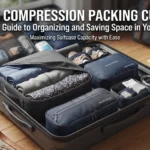
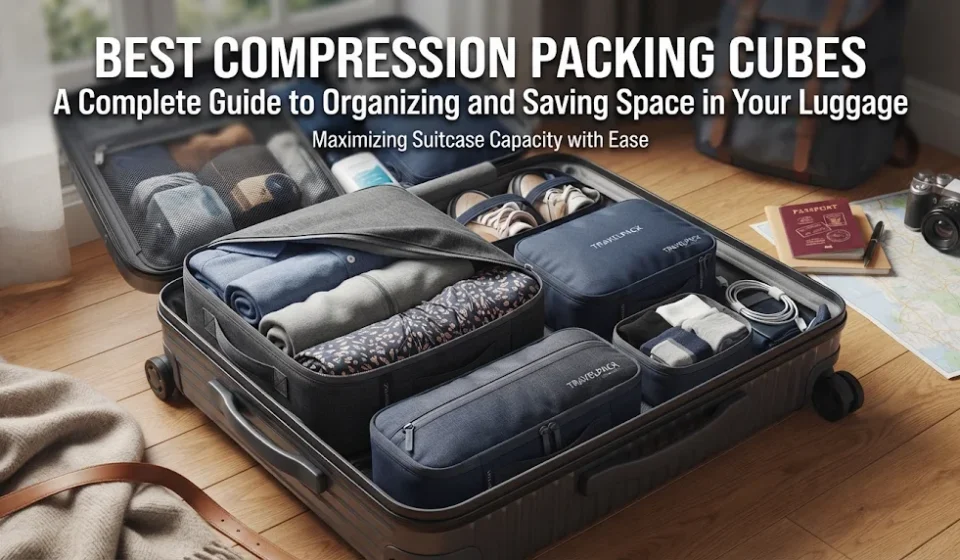
Compression packing cubes are fabric organizers designed to hold clothing and reduce its packed volume. Most models feature two zipper systems: one for opening and closing the main compartment and another for compressing the packed contents. After placing clothing inside, travelers close the main zipper and use the additional compression zipper to reduce the cube’s thickness.
This design helps remove unnecessary gaps between folded garments, allowing clothing to fit more compactly. Compression cubes are particularly useful for packing T-shirts, lightweight pants, sweaters, pajamas, and other soft garments. They can also make it easier to separate clean clothing from other travel essentials.
However, compression packing cubes do not work equally well with every item. Bulky shoes, rigid accessories, and fragile objects are not suitable for compression. Clothing also needs to be arranged properly to prevent excessive wrinkles. Packing cubes should be compressed gently rather than forced closed when they are overloaded.
<AsyncImageGroup query={[“compression packing cubes before and after compression travel suitcase”,”compression packing cubes organized clothes open zipper”,”travel compression packing cubes neatly arranged in suitcase”]} aspectRatio=”5:4″/>
For travelers with limited luggage space, these organizers provide a practical way to manage clothing without purchasing a larger suitcase. They are particularly valuable when every available inch of carry-on space matters.
Benefits of Using the Best Compression Packing Cubes
One of the biggest benefits of compression packing cubes is their ability to improve luggage organization. Instead of placing every garment directly inside a suitcase, travelers can divide belongings into separate compartments. For example, one cube can hold shirts, another can store underwear, and a larger organizer can contain pants or sweaters. This arrangement makes it easier to locate specific clothing without unpacking everything.
Space efficiency is another important advantage. Compression zippers help reduce the volume of soft garments, which can create additional room for other essentials. This is useful for people who travel with carry-on luggage, use compact backpacks, or prefer to avoid checking bags. The amount of space saved depends on the clothing material, folding method, and how fully each cube is packed.
Packing cubes can also make unpacking and repacking more convenient. Travelers can move an entire clothing category from their suitcase into a hotel drawer without sorting individual items. When changing hotels during a trip, the organizers can remain packed and be returned directly to the luggage.
<AsyncImageGroup query={[“organized suitcase with multiple compression packing cubes”,”compression packing cubes inside carry on luggage travel organization”,”packing cubes separated clothing categories suitcase”]} aspectRatio=”5:4″/>
Another advantage is that packing cubes can help separate clean and worn clothing. Some sets include laundry compartments or different fabric sections for this purpose. This can be particularly helpful during longer vacations when laundry facilities are not always available.
Best Materials for Compression Packing Cubes
Material quality plays an important role in the durability and performance of compression packing cubes. Nylon is a popular option because it is lightweight, flexible, and generally resistant to everyday wear. High-quality nylon organizers can handle frequent packing and unpacking while adding relatively little weight to luggage.
Polyester is another common material used in travel organizers. It is often affordable, easy to maintain, and available in different colors and textures. Polyester compression cubes can be suitable for occasional vacations and regular travel, although the quality depends on fabric thickness, stitching, and zipper construction.
Ripstop fabrics are worth considering for travelers who want additional resistance to tearing. Their reinforced construction is designed to help prevent small tears from spreading. Some premium organizers also use water-resistant coatings, which can provide limited protection against accidental splashes. However, water-resistant material should not automatically be considered waterproof.
| Material | Main Benefits | Best Use |
|---|---|---|
| Nylon | Lightweight, flexible, and durable | Frequent travel |
| Polyester | Affordable and easy to maintain | Occasional vacations |
| Ripstop nylon | Reinforced construction and tear resistance | Backpacking and outdoor trips |
| Recycled polyester | Uses recycled material and offers practical performance | Everyday travel |
| Water-resistant coated fabric | Helps protect contents from light moisture | General luggage organization |
When comparing materials, pay attention to the quality of the zippers and seams. A strong fabric cannot compensate for a compression zipper that frequently sticks or stitching that begins to separate after a few uses. A well-constructed organizer should feel sturdy without being unnecessarily heavy.
Important Features to Look for When Buying Compression Packing Cubes
The zipper system is one of the most important features to examine. Since compression cubes depend on zippers to reduce packed volume, their quality directly affects usability. Look for smooth-running zippers with reinforced stitching around the edges. Double zipper pulls can also make opening and closing the compartments more convenient.
Size variety is another important consideration. A useful set should include organizers that accommodate different clothing categories. Small cubes work well for underwear, socks, and accessories, while medium and large cubes provide room for shirts, pants, and bulkier garments. Before purchasing a set, consider the internal dimensions of your suitcase or backpack.
Weight and flexibility also matter. Packing cubes should help organize your belongings without adding excessive weight. Lightweight fabrics are generally preferable, particularly for travelers who use strict airline baggage allowances. Flexible construction allows organizers to fit into different luggage shapes and corners.
<AsyncImageGroup query={[“compression packing cube double zipper close up”,”lightweight nylon packing cubes different sizes”,”compression packing cube mesh panel zipper detail”]} aspectRatio=”5:4″/>
Some compression packing cubes include mesh panels that allow travelers to identify their clothing without opening every compartment. Others feature handles for easier carrying, labeled sections, or laundry bags. These additional features can improve convenience, but they are not essential for everyone.
Choosing the Right Compression Packing Cubes for Different Trips
Different travel plans require different packing solutions. For weekend getaways, a compact set with a few small and medium cubes may be enough. These organizers can separate everyday outfits, underwear, and sleepwear without taking up too much room. Travelers using a small carry-on bag should prioritize slim designs that fit neatly into the available compartments.
For longer international trips, a larger set with several sizes may provide more flexibility. Separate organizers can hold casual clothing, formal outfits, workout garments, and accessories. Travelers who move between multiple hotels may appreciate packing cubes that allow them to keep clothing categories organized throughout the journey.
Backpackers often benefit from lightweight compression cubes made from durable materials. Since backpacks have different shapes from traditional suitcases, flexible organizers can be easier to fit into narrow compartments. Smaller cubes can also help distribute clothing evenly and make frequently used items easier to reach.
<AsyncImageGroup query={[“compression packing cubes inside backpack backpacking travel”,”family suitcase organized with colorful packing cubes”,”carry on suitcase compression packing cubes weekend travel”]} aspectRatio=”5:4″/>
Families may prefer sets with different colors so each traveler can identify personal belongings quickly. Color-coded organizers can reduce confusion when multiple people share a suitcase. For business trips, a smaller selection of cubes can separate shirts, trousers, and casual clothing while keeping professional outfits organized.
How to Pack Compression Packing Cubes Correctly
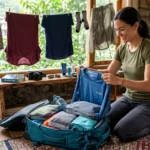
Using compression packing cubes properly can improve organization and help prevent unnecessary wrinkles. Begin by sorting your clothing into categories before placing anything inside the organizers. Group similar items together, such as shirts, pants, underwear, and socks. This makes it easier to decide which cube sizes are appropriate for each category.
Fold or roll clothing according to the available space and the fabric type. Rolling lightweight T-shirts and casual garments can help reduce gaps, while folding structured shirts may help maintain their appearance. Avoid placing heavy objects inside compression cubes because they can make the organizers difficult to close and may damage delicate garments.
Once the clothing is arranged, close the main zipper carefully. Make sure no fabric is caught in the zipper track. After that, use the compression zipper gradually to reduce the cube’s volume. If you need excessive force to close it, remove a few items rather than putting additional pressure on the zipper.
<AsyncImageGroup query={[“how to pack compression packing cubes folded clothes”,”rolling clothes inside compression packing cube”,”compression packing cubes compressed compared with uncompressed”]} aspectRatio=”5:4″/>
Place the packed cubes inside your suitcase according to their size and weight. Larger organizers generally work well at the bottom, while smaller cubes can fill spaces around them. Keep toiletries, electronics, and fragile accessories in separate protective compartments rather than placing them beneath heavily compressed clothing.
Common Mistakes to Avoid When Using Compression Packing Cubes
One common mistake is overfilling the organizers. Compression cubes are designed to reduce the volume of clothing, not to hold unlimited items. Overpacking can place unnecessary pressure on the zippers, seams, and fabric. It can also make the cubes too bulky to fit properly inside your luggage.
Another mistake is assuming compression cubes reduce baggage weight. They mainly reduce the space occupied by clothing, not the weight of the contents. Travelers should still check their airline’s baggage weight limits before leaving for the airport. A compact suitcase can still exceed the permitted weight if it contains too many heavy items.
Choosing the wrong sizes can also create packing problems. A large cube may waste space in a small backpack, while a small organizer may not comfortably hold bulky garments. Consider your luggage dimensions and typical clothing requirements before purchasing a set.
Ignoring fabric care is another issue. Some materials wrinkle more easily when tightly compressed, particularly delicate garments and structured clothing. Avoid compressing items that need to maintain a specific shape, and always follow garment care instructions.
Conclusion
The best compression packing cubes can make travel packing more organized, convenient, and space-efficient. Their compression zippers help reduce the volume of soft clothing, while separate compartments make it easier to arrange garments by category. Whether you are preparing for a weekend vacation, a family holiday, a business trip, or a backpacking adventure, the right packing cube set can improve the way you use your luggage.
Before buying, compare material quality, zipper construction, available sizes, weight, and additional features. Choose flexible and durable organizers that fit your suitcase or backpack without adding unnecessary bulk. With proper packing techniques and a suitable set of compression cubes, you can create a more organized travel system and make better use of your available luggage space.
Frequently Asked Questions
1. What are the best compression packing cubes for travel?
The best compression packing cubes have durable fabric, reliable zippers, practical sizes, and lightweight construction. Nylon and ripstop options are popular among frequent travelers because they offer a useful balance of flexibility and durability.
2. Do compression packing cubes really save space?
Yes, compression packing cubes can reduce the volume of soft clothing by removing some of the empty space between garments. The amount of space saved depends on the clothing type, folding method, and compression design.
3. Are compression packing cubes better than regular packing cubes?
Compression cubes are useful when reducing clothing volume is a priority. Regular packing cubes are often simpler and may be lighter because they do not include an additional compression zipper. The better choice depends on your packing needs.
4. Can compression packing cubes fit inside carry-on luggage?
Yes, many compression packing cubes are designed for carry-on suitcases and travel backpacks. Choose compact sizes and check the dimensions before purchasing to ensure they fit your luggage properly.
5. Do compression packing cubes make clothes wrinkle?
They can contribute to wrinkles if clothing is folded poorly or compressed too tightly. Using suitable folding techniques and avoiding overpacking can help reduce this problem.
6. What should I pack in compression packing cubes?
They are suitable for T-shirts, casual pants, leggings, underwear, socks, pajamas, and lightweight sweaters. Fragile accessories, shoes, and rigid objects are generally better stored separately.
7. Are compression packing cubes waterproof?
Most compression packing cubes are not fully waterproof. Some have water-resistant coatings that provide limited protection against splashes, but they should not be used as substitutes for waterproof dry bags.
8. How many compression packing cubes do I need?
The number depends on your suitcase size, trip length, and clothing requirements. A small set of three to five organizers may be enough for many travelers, while families and long-term travelers may prefer larger sets.
9. Can I use compression packing cubes for backpacking?
Yes, lightweight compression cubes are useful for backpacking because they help organize clothing and make efficient use of limited storage space. Flexible designs are particularly convenient for backpacks.
10. How do I clean compression packing cubes?
Check the manufacturer’s care instructions before cleaning. Many fabric organizers can be wiped with a damp cloth or gently handwashed. Allow them to dry completely before storing them to prevent unpleasant odors.
