

















































Building the best minimalist travel wardrobe is a simple way to make every trip easier. You can pack fewer clothes, create more outfits, and save valuable space in your suitcase. Instead of carrying everything you might need, choose pieces that work well together. This approach helps you travel comfortably without sacrificing your personal style.
A minimalist travel wardrobe focuses on quality, comfort, and versatility. Every item should serve a clear purpose. For example, a simple T-shirt can work for sightseeing, airport travel, or a relaxed dinner when styled differently. With the right planning, even a small collection of clothes can cover several days or weeks of travel. This step-by-step guide explains how to choose clothing, coordinate colors, plan outfits, and pack efficiently for your next adventure.
What Is a Minimalist Travel Wardrobe?
Understanding the Concept of Minimalist Packing
A minimalist travel wardrobe is a small collection of clothing that allows you to create multiple outfits with fewer items. It focuses on versatile pieces rather than packing a separate outfit for every activity. The goal is to reduce unnecessary clothing while keeping enough options for different weather conditions and occasions.
This approach is useful for weekend trips, international holidays, business travel, and long-term adventures. Instead of filling your suitcase with clothes you may never wear, you select items that match your destination and travel plans. As a result, packing becomes easier, your luggage weighs less, and getting dressed takes less time.
Why a Smaller Wardrobe Makes Travel Easier
Traveling with fewer clothes offers several practical benefits. You can move through airports more comfortably, manage your luggage on public transport, and spend less time organizing your belongings. A smaller suitcase also makes it easier to fit everything into a carry-on bag when airline restrictions allow it.
Minimalist packing can also help you make better clothing choices. When every item works with several others, you have more outfit combinations without carrying extra pieces. You may also spend less money on unnecessary travel clothing. Most importantly, you can focus more on exploring your destination and less on deciding what to wear.
Step 1: Choose Your Destination and Travel Style
Consider the Weather and Season
The first step in building a minimalist travel wardrobe is understanding the weather at your destination. A warm beach holiday requires lightweight clothing, while a winter city break needs insulated layers and weather-resistant outerwear. Check the expected temperatures, rainfall, humidity, and possible weather changes before selecting your clothes.
You should also consider the length of your trip. A three-day getaway may require only a few tops, two bottoms, and one extra layer. A two-week holiday may need additional clothing or access to laundry facilities. Planning around real conditions helps you avoid packing heavy items that you never use.
Match Your Clothing to Planned Activities
Your itinerary should guide your clothing choices. If you plan to walk around historic cities, comfortable shoes and breathable outfits should be your priority. Hiking trips require suitable outdoor clothing, while business travel may call for smart trousers, shirts, and a versatile jacket.
Think about the activities you will actually do rather than every activity you might possibly try. Choose clothes that can work across several situations. For instance, dark trousers can suit sightseeing during the day and a casual restaurant in the evening. This simple planning method prevents overpacking while ensuring you remain prepared for your trip.
Step 2: Select a Simple Color Palette
Start With Neutral Colors
A coordinated color palette is one of the most important parts of a minimalist travel wardrobe. Neutral colors such as black, white, beige, gray, navy, and cream are easy to combine. When most of your clothing follows a similar palette, you can mix different pieces without creating awkward color combinations.
Choose two or three main colors and add one or two accent shades if you enjoy brighter outfits. For example, navy, white, and beige create a classic travel palette. Olive, cream, and black offer a more relaxed outdoor look. You do not need to avoid color completely. The key is selecting shades that work together.
Make Sure Every Item Matches Several Others
Before packing a clothing item, consider how many outfits you can create with it. Ideally, each top should match at least two or three bottoms, and each bottom should work with several tops. This creates more combinations without increasing the size of your luggage.
For example, a white T-shirt can pair with black trousers, blue jeans, or beige shorts. A navy shirt can work with the same bottoms. You can also use a neutral cardigan to make these outfits suitable for cooler evenings. By checking combinations before departure, you can build a practical wardrobe instead of packing individual outfits that only work once.
Step 3: Build Your Wardrobe Around Essential Clothing
Choose Versatile Tops
Tops are among the easiest items to overpack, so start with a small collection of useful basics. Depending on your trip, you might choose three or four T-shirts, one long-sleeved shirt, and one slightly dressier top. Select breathable fabrics that feel comfortable against your skin and suit your destination.
Look for pieces that can be worn alone or layered under other clothing. A simple cotton T-shirt works for sightseeing, while a button-down shirt can provide a more polished appearance. If you are visiting a cold destination, add thermal tops or lightweight base layers. Your exact selection should reflect the weather, activities, and access to laundry.
Select Two or Three Reliable Bottoms
Bottoms often take up more suitcase space than tops, making versatility especially important. A practical selection could include one pair of comfortable trousers, one pair of jeans, and one pair of shorts or a lightweight alternative for warm weather. You may need fewer items if your trip is short.
Choose cuts that allow comfortable movement and match most of your tops. Dark trousers are particularly useful because they can look casual or smart depending on the shoes and accessories you choose. Lightweight travel pants can be better for outdoor adventures, while relaxed jeans may suit city breaks. Avoid packing several similar pairs that serve exactly the same purpose.
Add One or Two Layers
Even warm destinations can become cool in the evening, on airplanes, or in air-conditioned buildings. A lightweight cardigan, sweatshirt, or versatile jacket can provide extra comfort without taking up too much space. Choose a layer that works with most of your outfits.
For colder destinations, use a layering system instead of relying on one extremely bulky garment. A base layer, insulating mid-layer, and weather-resistant outer layer can provide flexibility as temperatures change. This approach allows you to adjust your clothing throughout the day while avoiding the need to pack several heavy sweaters.
Step 4: Choose Shoes That Support Your Plans
Limit the Number of Pairs
Shoes can quickly add weight and take up valuable luggage space. For most trips, two versatile pairs may be enough, although your activities and destination may require more. Comfortable walking sneakers are useful for sightseeing, airports, and everyday travel. A second pair can provide a dressier option or suit warm-weather activities.
Choose shoes that are already comfortable and have been worn before your trip. New footwear may cause blisters during long walks. Neutral-colored shoes are often easier to coordinate with different outfits, so you can avoid packing multiple pairs simply to match different clothes.
Prioritize Comfort and Practicality
The best travel shoes depend on your itinerary. Cities with cobblestone streets require supportive footwear, while hiking destinations call for shoes designed for uneven terrain. Sandals can work well in warm climates, but they may not provide enough protection for long walks or outdoor trails.
Consider weather resistance, grip, weight, and drying time when making your decision. If rain is expected, suitable water-resistant shoes can be more useful than an additional pair of fashionable footwear. Wear your heaviest pair during the journey to save suitcase space. Keep the remaining pair clean and pack it in a separate bag to protect your clothes.
Step 5: Use the Right Fabrics for Travel
Choose Comfortable and Easy-Care Materials
Fabric choice affects how practical your travel wardrobe will be. Cotton is comfortable and breathable, making it suitable for many everyday situations. However, some cotton garments dry slowly after washing. Merino wool can help manage odors and temperature, while certain synthetic fabrics dry quickly and work well for active travel.
Lightweight blends can offer a useful balance between comfort, durability, and easy care. Look for garments that can withstand repeated wear and washing without losing their shape. You do not need expensive technical clothing for every trip. Choose materials based on your climate, budget, and activities rather than following trends alone.
Reduce Wrinkles and Drying Time
Wrinkle-resistant fabrics can make it easier to look presentable after a long flight or a day in your luggage. Knitted tops, flexible travel trousers, and carefully selected synthetic blends may require less ironing than delicate fabrics. This is especially helpful when you stay in hotels or accommodation without laundry facilities.
Quick-drying clothes are also valuable when you plan to wash items during your trip. You can rinse a T-shirt in the evening and allow it to dry overnight, depending on the fabric, room conditions, and humidity. Pack a small amount of laundry detergent when appropriate, and check care labels before washing garments by hand.
Step 6: Plan Your Outfits Before Packing
Create Outfits Instead of Packing Random Items
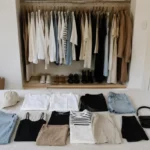
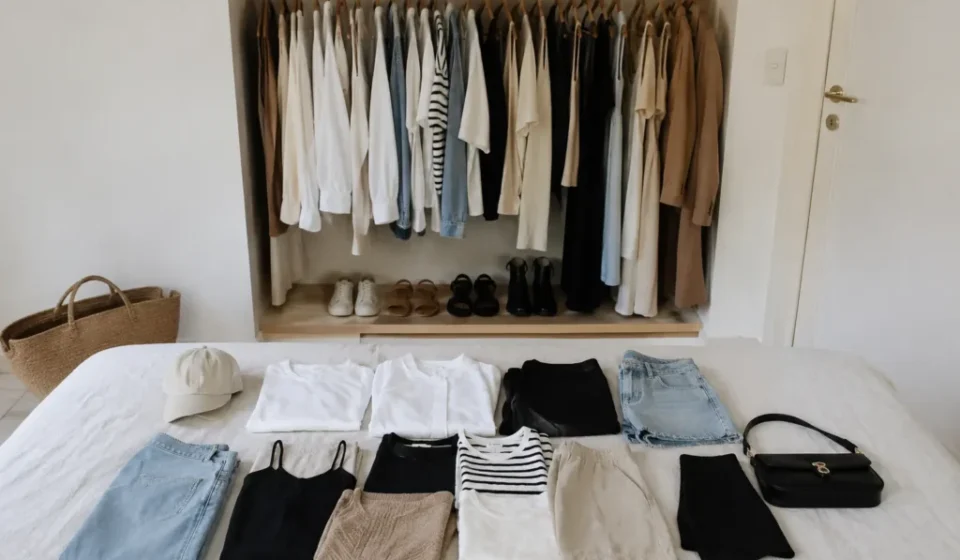
One of the easiest ways to improve your minimalist travel wardrobe is to plan outfits before putting anything in your suitcase. Lay out your selected clothing and combine each top with different bottoms. Consider which layers and shoes work with each combination.
For example, a white T-shirt, navy shirt, beige trousers, and dark jeans can produce several casual looks. Adding a lightweight jacket makes these outfits suitable for cooler weather. A simple accessory can also change the overall appearance without requiring another complete outfit. This process helps you identify unnecessary items before they take up space in your luggage.
Use a Simple Outfit Planning Method
For a week-long trip, you might begin with four tops, three bottoms, one outer layer, and two pairs of shoes. You can adjust these quantities based on the weather, dress requirements, and laundry access. This is a starting point rather than a strict rule.
Try to create enough combinations for your planned activities without assigning a unique outfit to every day. Repeat your favorite basics and change how you style them. If an item only works with one other piece, ask whether it deserves space in your suitcase. The more combinations your clothing supports, the more flexible your wardrobe becomes.
Step 7: Pack Smartly to Save Space
Roll, Fold, and Organize Your Clothes
Once your wardrobe is ready, choose a packing method that keeps your luggage organized. Rolling lightweight T-shirts and casual clothing can make items easier to arrange, while folding structured shirts and jackets may help them retain their shape. There is no single method that works best for every fabric, so use whichever approach suits your clothes.
Packing cubes can help separate tops, bottoms, underwear, and accessories. They also make it easier to find specific items without unpacking your entire suitcase. However, packing cubes do not automatically reduce the weight of your luggage. Avoid filling every available space simply because it exists. Leave room for practical essentials and any items you may bring home.
Keep Important Items Easy to Reach
Place frequently used items where you can access them quickly. A lightweight jacket, travel documents, headphones, and other journey essentials may be more convenient in your personal item or an accessible compartment. Follow airline rules for carry-on size, liquids, and restricted items.
For longer journeys, keep one clean top and essential personal items within easy reach in case your checked luggage is delayed. Store shoes separately to protect your clothing. If you pack delicate items, place them where they are less likely to become crushed. Good organization can make your travel day smoother without requiring extra luggage.
Step 8: Add Accessories That Create More Outfits
Choose Small and Useful Accessories
Accessories can change the look of simple clothing without adding much weight. A lightweight scarf, sunglasses, a belt, or a small piece of jewelry can make familiar outfits feel different. Choose accessories that match your color palette and suit your travel activities.
A scarf can provide warmth on an airplane, cover your shoulders when appropriate, or add color to a neutral outfit. Sunglasses are useful in bright conditions, while a compact bag can help organize everyday essentials. Avoid packing accessories that only match one outfit or require special care. Every additional item should offer a clear benefit.
Balance Style With Function
The best travel accessories combine appearance and practicality. A versatile crossbody bag can hold everyday essentials while keeping your hands free. A simple belt can help different trousers fit comfortably, and a packable hat may be useful for sunny destinations. Choose items that suit your itinerary rather than bringing accessories just in case.
Keep valuable jewelry to a minimum if you are concerned about loss or theft. You can still create a personal style with a few thoughtful choices. The aim is not to make every outfit look completely different. Instead, use small details to add variety while maintaining a simple and coordinated wardrobe.
Step 9: Adjust Your Wardrobe for Different Destinations
Build a Minimalist Wardrobe for Warm Weather
Warm-weather trips usually call for breathable tops, lightweight bottoms, comfortable walking shoes, and sun protection. Linen, cotton, and suitable moisture-managing fabrics can help you stay comfortable in the heat. Depending on your plans, you might include shorts, a lightweight dress, or loose trousers.
Choose clothing that dries reasonably quickly if you expect to swim or experience high humidity. A thin layer can also be helpful for cool evenings and heavily air-conditioned spaces. If your destination includes religious sites or places with specific dress expectations, bring suitable clothing that respects local requirements. Planning for these details helps you avoid buying extra items after arrival.
Prepare for Cold Weather and Changing Conditions
Cold-weather travel requires a different approach because warmth depends on effective layering. Begin with comfortable base layers, add an insulating sweater or fleece, and finish with a suitable coat or jacket. Thermal socks, gloves, and a warm hat may be essential in very cold conditions.
Instead of packing several bulky sweaters, choose layers that work together. You can remove one layer indoors and add it again when temperatures fall. Check the forecast carefully and consider wind, rain, and snow. A minimalist wardrobe should never sacrifice safety or warmth simply to reduce luggage. Pack the equipment and clothing your destination genuinely requires.
Step 10: Review Your Wardrobe Before Leaving
Remove Items You Do Not Really Need
Before closing your suitcase, review every item you have selected. Ask yourself whether you will wear it, whether it matches your other clothes, and whether it suits the expected weather. If a piece has no clear purpose, consider leaving it at home.
This final review is particularly helpful if you tend to pack extra clothing because you fear running out of options. Remember that repeating outfits is normal during travel. You can often refresh a familiar look with a different layer or accessory. Removing unnecessary items makes your luggage easier to manage and helps you stay focused on the essentials.
Leave Space for Real Travel Needs
Your luggage should support the trip rather than become a challenge of its own. Reserve enough space for toiletries, chargers, documents, medications you need, and other personal essentials. You may also want some room for souvenirs or items purchased during your travels.
Check the weight and size limits for your airline, especially if you plan to travel with only a carry-on. Weigh your packed bag if possible, and keep heavy items distributed safely. A well-planned minimalist wardrobe gives you flexibility while leaving enough room for the practical details that make travel comfortable.
Common Mistakes to Avoid When Building a Minimalist Travel Wardrobe
Packing Too Many Similar Items
A common mistake is bringing several garments that serve the same purpose. Three similar sweaters or multiple pairs of nearly identical trousers can add weight without giving you many new outfit options. Instead, choose pieces that provide different benefits, such as a breathable T-shirt, a smart shirt, and a warm layer.
Another mistake is selecting clothing that looks good individually but does not coordinate with the rest of your wardrobe. Before packing, check that each piece matches several other items. This simple step can prevent wasted space and make outfit planning much easier.
Choosing Style Over Comfort
Travel often involves long walks, crowded transport, changing weather, and unexpected delays. Clothing that looks attractive but feels uncomfortable can make these experiences harder. Tight trousers, shoes that cause blisters, and heavy fabrics may not be practical for a full day of sightseeing.
You do not need to sacrifice style to remain comfortable. Choose well-fitting clothes, supportive shoes, and fabrics suited to your destination. Test your outfits before leaving and make sure you can move freely. A successful minimalist wardrobe should help you feel confident and comfortable throughout your trip.
Conclusion
Learning how to build the best minimalist travel wardrobe starts with understanding your destination, selecting a coordinated color palette, and choosing versatile clothing. From there, focus on comfortable shoes, practical fabrics, useful layers, and accessories that work with several outfits. Planning combinations before packing helps you avoid unnecessary items and make better use of limited luggage space.
The best minimalist travel wardrobe is not necessarily the smallest one. It is the collection that meets your needs without adding unnecessary weight or complexity. Start with a few reliable basics, adjust your choices for the weather, and remove anything that serves no clear purpose. With practice, you will find it easier to pack efficiently, dress comfortably, and enjoy your journey with less stress.
