



























Best Camping Gear for Weekend Trips: Essential Equipment for a Comfortable Outdoor Adventure

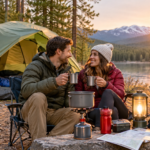
A weekend camping trip is a wonderful way to escape busy routines, enjoy fresh air, and spend quality time surrounded by nature. Whether you are planning a peaceful getaway beside a lake, exploring a national park, or setting up camp in a quiet forest, having the right equipment can make your outdoor experience more comfortable and enjoyable. Unlike extended camping adventures, weekend trips usually require a carefully selected collection of essentials that provide convenience without adding unnecessary weight to your vehicle or backpack.
Choosing the best camping gear for weekend trips involves finding a balance between comfort, portability, durability, and practicality. A reliable tent, comfortable sleeping bag, compact cooking equipment, suitable lighting, and weather-appropriate clothing can make a significant difference during your adventure. The right equipment also helps you prepare for unexpected weather changes and common outdoor challenges. Whether you are a beginner planning your first overnight stay or an experienced camper organizing a quick weekend escape, understanding which items deserve a place in your camping setup can help you travel confidently and enjoy every moment outdoors.
Why Choosing the Right Camping Gear Matters
Camping equipment plays an important role in creating a safe and comfortable outdoor experience. Even a short weekend trip can involve changing temperatures, uneven ground, unexpected rain, and limited access to everyday facilities. Having appropriate equipment helps campers manage these conditions while reducing unnecessary stress. A suitable tent provides shelter, a quality sleeping system supports restful nights, and dependable cooking equipment makes preparing meals easier.
The right camping gear also improves convenience during travel. Weekend campers often have limited time, so equipment that is easy to transport, assemble, clean, and store can make the entire experience more enjoyable. Lightweight and compact products are especially useful for people who need to carry their belongings over short distances from a parking area to a campsite. Selecting durable equipment also helps reduce the need for frequent replacements, making camping more practical over time.
Best Camping Tents for Weekend Trips
A tent is one of the most important pieces of equipment for any camping trip because it provides shelter, privacy, and protection from outdoor conditions. For weekend adventures, campers should look for a tent that offers enough sleeping space, reliable weather resistance, ventilation, and straightforward setup. A two-person tent can work well for solo travelers or couples who prefer a compact shelter, while a three- or four-person model may provide more room for additional campers and equipment.
Tent size should be selected according to the number of occupants and the amount of storage space required. Manufacturers’ capacity ratings generally describe how many people can sleep inside under relatively compact conditions, so choosing a slightly larger tent can improve comfort. A tent with a rainfly, sealed seams, strong poles, and a suitable waterproof floor can offer better protection when weather conditions change. Ventilation panels and mesh windows are also useful because they help improve airflow and reduce condensation inside the shelter.
Best Sleeping Bags for Weekend Camping
A comfortable sleeping bag can make a major difference in the quality of a weekend camping trip. Outdoor temperatures may become considerably cooler after sunset, even when daytime weather feels pleasant. Choosing a sleeping bag with an appropriate temperature rating helps campers stay comfortable throughout the night. Before purchasing one, consider the expected overnight temperature, seasonal conditions, and personal sleeping preferences.
Sleeping bags are available in several shapes and insulation types. Mummy-style sleeping bags fit closely around the body and are designed to retain warmth efficiently. Rectangular sleeping bags provide more room to move and may feel more comfortable for people who prefer additional sleeping space. Down insulation is generally lightweight and compressible, while synthetic insulation can offer better performance in damp conditions and is often easier to maintain. A suitable sleeping bag should match the camping environment rather than simply being selected according to its advertised weight or appearance.
Best Sleeping Pads and Air Mattresses for Outdoor Comfort
A sleeping bag alone may not provide enough comfort when camping on hard or uneven ground. Sleeping pads and camping mattresses create a cushioning layer between the camper and the ground, helping improve sleeping comfort. They also provide insulation by reducing heat loss to the cooler surface beneath the body. For weekend trips, a lightweight inflatable sleeping pad can be a convenient choice because it packs into a relatively small storage bag.
Self-inflating pads offer a combination of foam support and air cushioning, while traditional inflatable models allow campers to adjust firmness according to personal preference. Air mattresses can provide additional comfort, particularly at established campsites where transportation space is not a major concern. When comparing sleeping pads, check their thickness, packed size, durability, and R-value. The R-value indicates thermal resistance, so a higher value generally provides better insulation from cold ground.
Best Camping Cooking Gear for Weekend Trips
Preparing meals outdoors is one of the enjoyable parts of a camping weekend, and suitable cooking equipment makes the process easier. A compact camping stove is a practical choice for campers who want to prepare hot meals without depending on a campfire. Portable gas stoves are popular because they are generally easy to operate and offer convenient temperature control. Campers should select a stove compatible with its specified fuel system and follow all manufacturer safety instructions.
Cookware is another important consideration when organizing a compact outdoor kitchen. Lightweight pots, pans, cups, plates, and utensils can provide everything needed for simple weekend meals. Stainless steel, aluminum, and hard-anodized cookware are common options, each offering different combinations of durability, weight, and heat performance. A basic cooking kit can be enough for preparing breakfast, boiling water, heating meals, and making coffee. Food storage containers and reusable water bottles also help keep supplies organized and reduce unnecessary packaging.
Best Camping Backpacks and Storage Bags
A reliable backpack or storage bag helps keep camping equipment organized and easy to transport. The right option depends on whether you are driving directly to a campsite or hiking to a more remote location. Car campers can use larger duffel bags and storage containers because they have more room for bulky equipment. Backpackers generally need lightweight designs with comfortable shoulder straps, adjustable hip belts, and enough capacity for essential supplies.
For short hiking and camping adventures, a backpack with approximately 30 to 50 liters of capacity may provide enough room for clothing, food, water, and basic equipment, depending on the season and packing style. Multiple compartments make it easier to organize smaller accessories, while water-resistant materials offer additional protection against light moisture. Compression straps can also help reduce bulk and keep equipment stable while walking. Choosing a backpack that fits your body properly is important because poor weight distribution can cause discomfort during longer walks.
Best Camping Lighting and Portable Lanterns
Proper lighting is essential when spending a night outdoors. Natural daylight disappears quickly, and even familiar campsites can become difficult to navigate after sunset. A dependable camping lantern can illuminate the tent, cooking area, and nearby surroundings. LED lanterns are popular because they provide useful brightness while generally consuming less energy than traditional lighting options.
Headlamps are another valuable addition to weekend camping gear. Unlike handheld flashlights, they leave both hands available for cooking, organizing supplies, setting up tents, and walking along dark paths. Rechargeable models can reduce the need for disposable batteries, although campers should check battery capacity and charging requirements before departure. Carrying a backup light or spare batteries is also a sensible precaution, particularly when camping away from established facilities.
Best Portable Power Stations and Charging Accessories
Electronic devices are useful during modern camping trips, especially for navigation, communication, photography, and emergency situations. A portable power bank can keep smartphones and other small devices charged throughout a weekend. Campers who bring additional electronics or need more electrical capacity may consider a portable power station with suitable output connections and battery capacity.
Portable power stations vary in size, weight, charging speed, and available outlets. Smaller models can support phones, cameras, and other low-power devices, while larger units may provide additional capacity for compatible camping appliances. Solar panels can provide supplementary charging when sunlight is available, although their performance depends on weather conditions and panel positioning. Before choosing a power station, calculate the approximate energy requirements of your devices and check whether the equipment meets the manufacturer’s operating and safety recommendations.
Best Camping Chairs and Folding Tables
Comfortable seating can make a weekend campsite feel more welcoming. A portable camping chair gives travelers a convenient place to relax after hiking, enjoy meals, read, or spend time around the campsite. Folding chairs are available in different sizes and designs, ranging from simple, lightweight models to more supportive options with padded seats and armrests.
A compact folding table can also improve campsite organization. It provides a stable surface for preparing food, arranging cooking equipment, playing games, and keeping personal belongings off the ground. Campers should consider the table’s weight, folded dimensions, stability, and load capacity before purchasing. For vehicle-based weekend adventures, slightly larger furniture may be worth the extra space because it can make the campsite more comfortable.
Best Camping Clothing and Weather Protection
Choosing suitable clothing is important because outdoor weather can change throughout the day. Temperatures may rise during afternoon activities and become much cooler after sunset. Layering allows campers to adjust their clothing according to changing conditions while remaining comfortable. A moisture-wicking base layer helps manage perspiration, an insulating middle layer provides warmth, and an appropriate outer layer protects against wind or rain.
Waterproof jackets, comfortable hiking pants, warm socks, and suitable footwear are useful additions to a weekend camping wardrobe. Clothing should be selected according to the destination, season, expected weather, and planned activities. Campers visiting colder environments may need thermal layers, gloves, and insulated jackets, while those exploring warmer regions may prefer breathable fabrics and sun-protective clothing. Keeping an extra dry outfit in a waterproof bag is also helpful when unexpected rain occurs.
Best Camping Safety and First Aid Essentials
Safety equipment deserves an important place in every camping setup, regardless of how short the trip may be. A basic first aid kit can help campers respond to minor cuts, blisters, and other common outdoor injuries. It should contain suitable bandages, antiseptic supplies, adhesive dressings, gauze, medical tape, and any personal medications required during the trip. Campers should understand how to use their supplies and replace expired or damaged items regularly.
Water safety is equally important when camping away from reliable drinking water facilities. Reusable water bottles, water storage containers, and appropriate water treatment equipment can help campers maintain access to safe drinking water. Portable filters, purification tablets, and other treatment methods should be selected according to the water source and manufacturer’s instructions. A whistle, emergency blanket, navigation device, and fully charged phone can provide additional support in unexpected situations.
Best Camping Gear for Weekend Trips: Essential Equipment Comparison
Selecting camping equipment becomes easier when different products are compared according to their purpose, portability, and practical benefits. Some items are necessary for almost every overnight camping adventure, while others depend on the destination and individual preferences. The following table highlights important equipment categories that can help campers organize their weekend setup.
| Camping Gear | Main Purpose | Important Features |
|---|---|---|
| Camping tent | Outdoor shelter | Weather resistance and ventilation |
| Sleeping bag | Overnight warmth | Suitable temperature rating |
| Sleeping pad | Sleeping comfort | Insulation and cushioning |
| Portable stove | Meal preparation | Stable design and fuel compatibility |
| Camping backpack | Gear transportation | Comfortable fit and storage capacity |
| LED lantern | Campsite lighting | Battery life and brightness |
| Power bank | Device charging | Suitable battery capacity |
| Camping chair | Outdoor seating | Portability and stability |
| First aid kit | Basic emergency care | Complete and maintained supplies |
| Water filter | Water treatment | Appropriate filtration capability |
This comparison provides a starting point for building a practical weekend camping setup. Campers do not necessarily need every item on the list, particularly when visiting established campsites with facilities. The most useful equipment is the equipment that matches the destination, weather conditions, transportation arrangements, and personal needs.
How to Choose the Best Camping Gear for Your Weekend Adventure
Choosing camping equipment requires considering more than appearance or price. The first step is understanding the type of camping experience you are planning. A weekend at an established campground may require different equipment from a remote hiking adventure. Car campers can usually bring larger tents, comfortable chairs, folding tables, and additional cooking supplies, while backpackers need compact and lightweight equipment that fits inside their bags.
Weather conditions should also influence purchasing decisions. A summer camping trip may require breathable shelter, sun protection, and additional water storage, while colder destinations require insulated sleeping equipment and suitable clothing. Checking the expected overnight temperature, rainfall, wind conditions, and campsite facilities can help you select equipment that meets your actual needs. Investing in reliable essentials is generally more valuable than purchasing numerous accessories that may rarely be used.
Tips for Packing Camping Gear for a Two-Day Trip
Packing efficiently can make a short camping trip more organized and enjoyable. Start by preparing a list of essential equipment, including shelter, sleeping supplies, clothing, cooking equipment, lighting, food, and safety items. Organizing belongings according to their purpose makes it easier to locate important supplies when needed. Using separate storage bags for clothing, cooking accessories, and personal items can also prevent unnecessary clutter.
Avoid packing too many unnecessary items because excessive equipment can make transportation and campsite organization more difficult. Choose products that serve multiple purposes whenever practical, such as compact cookware or clothing suitable for different outdoor activities. Before leaving home, check your tent, sleeping equipment, cooking stove, lighting, and charging accessories to ensure everything works properly. Preparing in advance helps prevent common problems and allows you to spend more time enjoying the outdoors.
Conclusion
Choosing the best camping gear for weekend trips is an important part of creating a comfortable, convenient, and enjoyable outdoor experience. Essential equipment such as a reliable tent, suitable sleeping bag, insulated sleeping pad, portable cooking stove, dependable lighting, and practical backpack can make a significant difference during a short adventure. Additional items, including power stations, camping chairs, weather-resistant clothing, and first aid supplies, can improve convenience and help campers prepare for changing outdoor conditions. The most effective camping setup is not necessarily the most expensive one but rather the collection of equipment that matches the destination, season, transportation method, and personal requirements.
Before purchasing camping equipment, consider durability, portability, weather resistance, comfort, and overall value. Beginners can start with essential supplies and gradually improve their setup as they gain more outdoor experience. Experienced campers may prefer specialized equipment that reduces weight, improves convenience, or provides additional comfort. Proper packing and equipment preparation are equally important because even the best products require thoughtful use. With the right gear and a little planning, a weekend camping trip can become a memorable opportunity to explore nature, relax outdoors, and enjoy a refreshing break from everyday life.
FAQs
1. What Is the Most Important Camping Gear for a Weekend Trip?
A reliable tent, sleeping bag, sleeping pad, cooking equipment, lighting, and first aid kit are among the most important camping essentials. These items provide basic shelter, comfort, meal preparation, and safety during an overnight outdoor adventure.
2. What Size Tent Is Best for Weekend Camping?
A two-person tent is suitable for solo campers or couples who prefer compact equipment. Families and groups may benefit from three- or four-person tents or larger models that provide additional sleeping and storage space.
3. What Should Beginners Buy for Their First Camping Trip?
Beginners should start with a suitable tent, sleeping bag, sleeping pad, portable lighting, basic cooking equipment, water containers, weather-appropriate clothing, and a first aid kit. These essentials provide a practical foundation for most beginner-friendly camping adventures.
4. Is a Portable Camping Stove Necessary?
A portable camping stove is useful for preparing hot meals and boiling water, especially at campsites where open fires are restricted or unavailable. Campers should always follow local fire regulations and the stove manufacturer’s safety instructions.
5. How Do I Keep My Camping Gear Lightweight?
Choose compact equipment, lightweight cookware, multipurpose accessories, and clothing that can be layered. Avoid unnecessary items and organize supplies according to the activities and weather conditions expected during your trip.
6. What Sleeping Bag Is Best for Weekend Camping?
The best sleeping bag depends on expected overnight temperatures, insulation type, and personal comfort preferences. Check the manufacturer’s temperature ratings and choose a model appropriate for the coldest conditions you expect to encounter.
7. Do I Need a Portable Power Station for Weekend Camping?
A portable power station is not essential for every camping trip. A regular power bank may be sufficient for charging phones and small devices, while a larger power station is useful when additional electrical capacity is required.
8. What Safety Equipment Should I Bring Camping?
Important safety supplies include a first aid kit, emergency blanket, whistle, navigation equipment, suitable water treatment supplies, and a charged communication device. Additional equipment should depend on the location and planned activities.
9. How Much Should I Spend on Weekend Camping Gear?
Your budget depends on equipment quality, camping frequency, and personal requirements. Beginners can start with affordable essentials and gradually invest in more durable equipment as they gain experience and identify their needs.
10. How Can I Prepare My Camping Gear Before Leaving?
Inspect your tent, sleeping bag, stove, lantern, and other essential equipment before departure. Check weather conditions, prepare food and water supplies, charge electronic devices, and organize everything so important items remain easy to access.
