




















































Travel is often described as a hobby because it involves spending free time exploring new places, experiencing different cultures, and discovering exciting activities. However, travel can be much more meaningful than an ordinary pastime. For many people, it becomes a way to learn, grow, connect with others, and see the world from a completely different perspective.
Unlike hobbies that are usually practiced in familiar surroundings, travel takes people outside their comfort zones. Every journey can introduce new languages, foods, traditions, landscapes, and ways of life. This makes travel a unique activity that can influence how people think and understand the world.
Is Travel Considered a Hobby?
Yes, travel can absolutely be considered a hobby. A hobby is generally an activity people choose to enjoy during their free time, and traveling fits that definition perfectly. People may plan trips around their interests, save money for future adventures, research destinations, and spend their vacations exploring places they have always wanted to see.
At the same time, travel is different from many traditional hobbies. It is not limited to one activity or skill. A single trip might involve hiking, photography, cooking, history, sightseeing, meeting people, and learning about local traditions. Because of this variety, travel can become a lifestyle as much as a hobby.
Why People Choose Travel as a Hobby
One of the biggest reasons people enjoy traveling is the opportunity to escape their normal routines. Daily responsibilities can make life feel repetitive, while visiting a new destination creates a sense of discovery. Even a short weekend trip can provide a refreshing change of scenery and perspective.
Travel also allows people to follow their personal interests. Someone interested in history may visit ancient cities and museums, while an outdoor enthusiast may explore mountains, beaches, or national parks. Food lovers can travel specifically to experience regional cuisines, making every journey a reflection of personal interests.
Travel Helps You Learn About the World
Travel can be one of the most practical forms of education. Reading about another country can provide useful information, but experiencing its streets, communities, architecture, food, and traditions can make that knowledge feel much more real.
Meeting people from different backgrounds can also challenge assumptions and broaden perspectives. Travelers often discover that customs and lifestyles can vary significantly from what they are accustomed to. These experiences can encourage curiosity, empathy, and a greater appreciation for cultural differences.
Travel Encourages Personal Growth
Traveling does not always go exactly according to plan. Flights can be delayed, weather can change, transportation can be confusing, and unfamiliar situations can require quick decisions. Learning how to handle these challenges can build confidence and independence.
Solo travel can make this experience even more powerful. When traveling alone, people often have to make their own decisions about transportation, accommodation, schedules, and activities. Successfully managing unfamiliar situations can create a strong sense of accomplishment.
Travel Can Improve Creativity
New environments can stimulate creativity by exposing people to unfamiliar sights, sounds, colors, architecture, and ideas. Writers, photographers, artists, and creators often find inspiration in destinations that are different from their everyday surroundings.
Even people who do not consider themselves creative can benefit from this change in perspective. Seeing ordinary things from a new cultural or geographical viewpoint can encourage fresh ideas. Travel can make people more observant and curious about the world around them.
Travel Creates Lasting Memories
Another reason travel feels different from many hobbies is the emotional value attached to experiences. A destination may be remembered years later because of a particular sunset, conversation, meal, road trip, or unexpected adventure.
These memories can become some of the most meaningful stories people share with friends and family. Photographs and souvenirs can preserve parts of a journey, but the experiences themselves often remain the most valuable part of traveling.
Travel Can Strengthen Relationships
Traveling with family members, friends, or partners can create opportunities to spend meaningful time together away from everyday responsibilities. Shared experiences can strengthen relationships and create memories that people continue discussing long after returning home.
However, traveling together also requires communication and flexibility. Different people may have different expectations about schedules, budgets, food, and activities. Learning to compromise during a trip can make relationships stronger and teach valuable communication skills.
Travel Is More Than Simply Taking Vacations
There is an important difference between occasionally taking a vacation and making travel a genuine hobby. A vacation may be planned mainly for relaxation, while a travel enthusiast may enjoy the entire process, from researching destinations to creating itineraries and learning about local culture.
For people who love travel, the excitement can begin months before departure. Choosing a destination, comparing transportation options, discovering attractions, learning useful phrases, and planning activities can all become enjoyable parts of the hobby.
Different Types of Travel Hobbies
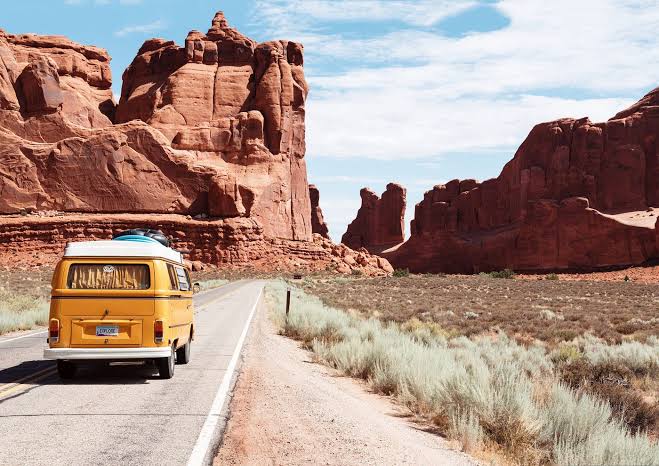
Travel can take many forms depending on personal interests. Some people enjoy road trips because they like the freedom of exploring at their own pace. Others prefer international travel because they want to experience different cultures and environments.
Adventure travel is another popular option for people who enjoy hiking, kayaking, camping, or exploring remote areas. Photography-focused travelers may organize trips around beautiful landscapes and historic locations. Food-focused travelers may choose destinations based on local dishes, markets, restaurants, and culinary traditions.
Travel Can Teach You to Appreciate Home
Spending time away from home can sometimes make familiar surroundings feel different when you return. Travelers may gain a stronger appreciation for their local community, favorite foods, familiar routines, and relationships.
Being away can also help people recognize which parts of their daily lives are truly important. Travel provides distance from ordinary routines, allowing people to reflect on what they value and what they might want to change.
Is Travel an Expensive Hobby?
Travel can be expensive, but it does not have to be. The cost depends heavily on where you go, how long you stay, your transportation choices, and the type of accommodation you prefer. A luxury international vacation can cost a significant amount, while a nearby road trip or weekend getaway can be much more affordable.
Budget-conscious travelers can reduce expenses by traveling during less busy seasons, choosing affordable accommodation, preparing some meals themselves, and exploring free attractions. The value of travel does not necessarily depend on how much money is spent.
How to Make Travel a Meaningful Hobby
Travel becomes more rewarding when the focus goes beyond simply collecting destinations. Instead of rushing through attractions, travelers can spend time understanding local communities, trying traditional foods, learning about history, and interacting respectfully with residents.
Keeping a travel journal can also make journeys more meaningful. Writing down experiences, observations, favorite places, and lessons learned creates a personal record that can be revisited later. Photography, sketching, collecting postcards, or learning basic phrases in another language can add additional depth to the experience.
The Emotional Benefits of Traveling
Travel can provide a temporary break from everyday stress and responsibilities. Changing environments may help people relax, reset their routines, and return home with renewed energy. The anticipation of an upcoming trip can also provide something exciting to look forward to.
Travel should not be viewed as a replacement for addressing serious problems in everyday life, but a healthy trip can provide valuable perspective. Sometimes stepping away from familiar surroundings makes it easier to think about priorities and appreciate everyday experiences.
Why Travel Can Become a Lifestyle
For some people, travel eventually becomes more than something they do during annual vacations. They may choose careers that allow greater flexibility, work remotely, spend extended periods abroad, or build their lives around exploring new destinations.
This does not mean everyone needs to become a full-time traveler. Even occasional trips can provide many of the same benefits. What matters is finding a style of travel that fits personal goals, budget, responsibilities, and interests.
Conclusion
So, is travel a hobby? Absolutely. It can be an enjoyable pastime that provides entertainment, adventure, and relaxation, but its benefits often extend much further. Travel can teach valuable lessons, encourage personal growth, inspire creativity, and introduce people to cultures and perspectives they might never encounter at home.
Perhaps the most special thing about travel is that it combines enjoyment with discovery. Every journey has the potential to create memories, challenge assumptions, and change the way someone sees the world. That is why travel is much more than a pastime for many people—it can become a lifelong passion for learning, exploring, and experiencing life.
FAQs
Is travel really considered a hobby?
Yes. Travel qualifies as a hobby because people often choose to spend their free time planning and taking trips for enjoyment, exploration, and personal interest.
Why is travel a good hobby?
Travel combines entertainment, education, adventure, and personal growth. It can introduce people to new cultures while helping them develop confidence and independence.
Can travel be an expensive hobby?
It can be, but it does not have to be. Local trips, road trips, camping, and budget-friendly destinations can make travel accessible at many spending levels.
Is solo travel a hobby?
Yes. Solo travel can be a particularly rewarding hobby for people who enjoy independence, exploration, and making their own decisions while discovering unfamiliar places.
What can travel teach you?
Travel can teach cultural awareness, adaptability, communication, problem-solving, independence, and appreciation for different ways of life.
Can travel improve mental well-being?
A change of environment can provide relaxation and a break from routine. Travel can also create positive experiences and meaningful memories, although its effects vary from person to person.
How can I make travel more meaningful?
Spend time learning about local culture, interacting respectfully with communities, trying regional foods, visiting historical places, and recording your experiences in a journal or photographs.
Can travel become a lifestyle?
Yes. Some people organize their careers and daily lives around frequent or extended travel. Others simply make regular exploration an important part of their leisure time.



[…] is not always easy. Moving regularly can create challenges involving housing, transportation, relationships, finances, and adapting to unfamiliar environments. Some nurses may also find it difficult to […]
[…] flexibility can also improve earning potential. Current travel-job data shows high-paying MRI assignments in several different states […]