














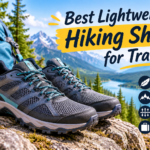


















Best Lightweight Hiking Shoes for Travel: Comfortable Footwear for Every Adventure

Finding the best lightweight hiking shoes for travel can make a significant difference in how comfortable and enjoyable your adventures become. Whether you are exploring mountain trails, walking through national parks, visiting scenic villages, or discovering unfamiliar cities, the right footwear helps keep your feet comfortable throughout the journey. Heavy hiking boots can take up valuable luggage space and make long walking days more tiring, which is why lightweight hiking shoes have become a popular choice among modern travelers.
Lightweight hiking shoes combine the support and traction needed for outdoor activities with the flexibility and convenience of everyday walking footwear. They are designed to handle different surfaces, including rocky paths, dirt trails, forest routes, and uneven terrain. Many models also feature breathable materials, cushioned midsoles, protective toe caps, and water-resistant construction. These features make them useful for travelers who want one dependable pair of shoes for multiple activities.
Choosing the right pair requires more than simply looking for the lightest option available. Comfort, fit, grip, durability, weather protection, and packability all influence how well hiking shoes perform during a trip. Understanding these features can help you select footwear that matches your travel style without adding unnecessary weight to your luggage.
Why Lightweight Hiking Shoes Are Ideal for Travel
Comfort, Flexibility, and Convenience for Long Journeys
One of the biggest advantages of lightweight hiking shoes is the comfort they provide during extended walking sessions. Travelers often spend several hours exploring destinations, climbing hills, crossing nature trails, and walking through busy streets. Heavy footwear can make these activities exhausting, particularly when carrying a backpack or traveling between multiple locations. Lightweight shoes reduce unnecessary weight while offering cushioning and flexibility that support natural foot movement. Their lower-cut designs also provide greater ankle freedom than traditional hiking boots, making them suitable for everyday adventures and moderate hiking routes.
Another important benefit is their versatility. Instead of packing separate shoes for sightseeing, casual walking, and outdoor exploration, travelers can choose a pair that performs well in different environments. Many modern hiking shoes feature attractive designs that look appropriate with travel pants, shorts, and casual outdoor clothing. Their flexible construction also makes them easier to pack when they are not being worn. For travelers who prefer minimalist luggage, selecting comfortable footwear that serves multiple purposes can simplify packing and reduce the amount of equipment needed for a trip.
Important Features to Look for in the Best Lightweight Hiking Shoes for Travel
Breathability, Cushioning, and Proper Foot Support
Breathability should be one of the first features to consider when comparing lightweight hiking shoes for travel. Walking in warm weather or spending long hours outdoors can cause excessive sweating, making uncomfortable footwear more difficult to tolerate. Mesh uppers and moisture-managing interior materials allow better airflow around the feet. This can help maintain a comfortable environment during summer vacations, sightseeing trips, and moderate outdoor activities. However, travelers visiting colder or wetter destinations may prefer shoes with additional weather protection rather than choosing the most breathable design available.
Cushioning and support are equally important because travel often involves walking on different surfaces throughout the day. A well-designed midsole helps absorb some of the impact created by repeated steps, while a supportive footbed improves overall comfort. Protective toe caps can help reduce discomfort when walking over stones and uneven trails. Travelers should also consider the shape of the toe box, heel stability, and arch support. The best footwear is not necessarily the lightest model but the one that provides a comfortable fit without creating pressure points during extended use.
Popular Lightweight Hiking Shoes Worth Considering for Travel
Versatile Footwear Options for Different Adventures
Several established footwear models are worth researching when shopping for lightweight hiking shoes. The Merrell Moab Speed 2 is an option for travelers who want a balance between hiking performance, everyday comfort, and manageable weight. Its more athletic construction makes it suitable for moderate trails and outdoor sightseeing. The HOKA Speedgoat 7 is another option for people who prioritize cushioning and spend long hours walking on challenging routes. Its trail-focused design offers a different experience from traditional hiking footwear, making it worth considering for travelers who enjoy active outdoor adventures.
The Salomon X Ultra 5 GTX is worth considering for destinations where wet conditions and uneven terrain are common. Its waterproof construction provides an additional layer of protection, although waterproof footwear may feel warmer than non-waterproof alternatives. Travelers who prefer a spacious toe area can investigate the Topo Athletic Ultraventure range, while the Altra Lone Peak 9 may appeal to people who prefer a zero-drop platform and natural foot-shaped design. These options demonstrate why comparing individual features is more useful than choosing shoes based on brand popularity alone.
Comparing Hiking Shoe Features Before Buying
The following table highlights several footwear options and the types of travelers who may find them suitable. Specific model versions, available widths, and construction details can vary by market, so check the manufacturer’s current specifications before purchasing.
| Hiking shoe | Main advantage | Suitable travel use |
|---|---|---|
| Merrell Moab Speed 2 | Balanced comfort and traction | Everyday adventures and day hikes |
| HOKA Speedgoat 7 | Generous cushioning | Long-distance trail walking |
| Salomon X Ultra 5 GTX | Waterproof protection | Wet and uneven terrain |
| Topo Athletic Ultraventure 4 | Roomier toe-box design | Long walks and moderate trails |
| Altra Lone Peak 9 | Zero-drop platform | Natural-footshape footwear preferences |
| adidas Terrex Free Hiker SL | Lightweight athletic construction | City-to-trail adventures |
How to Choose Hiking Shoes for Different Travel Destinations
Mountain Trails, Forests, and Rocky Landscapes
The destination you plan to visit should influence your footwear decision. Mountain trails often include steep climbs, loose stones, uneven ground, and sudden changes in elevation. These conditions require dependable traction, stable construction, and sufficient underfoot protection. A lightweight hiking shoe with multidirectional outsole lugs can provide better grip than an ordinary casual sneaker. Travelers planning moderate mountain hikes may prefer a supportive trail-oriented model, while those tackling difficult routes with heavy backpacks should consider whether a more protective hiking shoe or boot would be appropriate.
Forest trails and nature walks have different requirements. These routes may include damp leaves, soft soil, tree roots, and occasional muddy sections. Shoes with dependable rubber outsoles and practical tread patterns can improve confidence while walking across these surfaces. Breathable uppers are useful in warmer conditions, whereas water-resistant or waterproof models may be more suitable for consistently damp environments. Understanding the expected terrain helps travelers avoid buying shoes that are either unnecessarily heavy or insufficiently protective for their planned activities.
Waterproofing, Durability, and Packing Considerations
Choosing Between Waterproof and Breathable Hiking Shoes
Waterproof hiking shoes can be useful when traveling to destinations with frequent rain, wet grass, muddy paths, or cool weather. Many models use waterproof membranes to limit water entering through the upper material while allowing some moisture vapor to escape. This additional protection can make outdoor exploration more comfortable when conditions are unpredictable. However, waterproof shoes are not automatically the best choice for every traveler. Their construction can reduce airflow, and once water enters through the collar, drying may take longer than with lightweight mesh footwear.
Non-waterproof hiking shoes are often a better option for hot climates and destinations where dry weather is common. Their breathable construction allows more airflow and may dry faster after getting wet. Travelers visiting tropical locations or warm coastal regions may appreciate this advantage. The right choice depends on the weather forecast, hiking conditions, and personal comfort preferences. Rather than purchasing waterproof shoes simply because they appear more protective, consider whether your itinerary genuinely requires that feature.
Lightweight Construction Without Sacrificing Durability
Durability matters because travel footwear often experiences more demanding use than ordinary everyday shoes. Walking across rough trails, carrying luggage, and spending extended periods outdoors can place pressure on the outsole, midsole, and upper materials. Strong stitching, reinforced toe areas, abrasion-resistant fabrics, and quality rubber compounds can help shoes withstand regular use. Travelers should inspect these construction details before purchasing, especially if they expect to wear the same pair throughout a long vacation.
Packing convenience is another important consideration when selecting the best lightweight hiking shoes for travel. Low-cut shoes generally occupy less space than traditional hiking boots, although cushioning and sole thickness can influence how easily a pair fits inside luggage. Some travelers prefer wearing their bulkiest shoes during flights and packing a lighter secondary pair for other activities. Choosing neutral colors and versatile designs can also make hiking footwear easier to coordinate with different travel outfits. A practical pair should offer a useful balance between weight, protection, comfort, and everyday appearance.
Tips for Getting the Best Fit and Maintaining Your Hiking Shoes
Finding the Right Size Before Your Trip
Proper sizing is essential when purchasing hiking shoes because even high-quality footwear can become uncomfortable if it does not fit correctly. Feet may swell slightly after several hours of walking, so trying shoes on later in the day can provide a more realistic idea of their fit. There should be enough space around the toes to prevent them from repeatedly hitting the front of the shoe when walking downhill. At the same time, the heel should remain secure without excessive movement or rubbing.
Travelers should also consider the socks they intend to wear during outdoor activities. Thick hiking socks can change how a shoe fits compared with thin everyday socks. Trying footwear with the appropriate socks can help identify pressure points before a trip. People with wider feet should investigate wide-width options or naturally roomier designs instead of automatically increasing shoe length. A comfortable fit should feel secure but never painfully tight, and new shoes should be tested on shorter walks before being used for a demanding hiking day.
Cleaning, Drying, and Extending Shoe Lifespan
Regular maintenance helps preserve the performance of lightweight hiking shoes during repeated travel. Dirt, sand, and small stones can become trapped in the outsole, reducing traction and gradually wearing down materials. Cleaning the shoes after outdoor activities helps prevent debris from damaging the fabric and rubber components. A soft brush and appropriate cleaning products are generally sufficient for removing ordinary dirt. Always follow the manufacturer’s care instructions, particularly when cleaning shoes with waterproof membranes or specialized materials.
Drying footwear properly is equally important. After walking through rain or wet environments, remove the insoles when possible and allow the shoes to air-dry in a well-ventilated location. Avoid placing them directly against intense heat because excessive temperatures may damage adhesives and affect the materials. Travelers should also inspect the outsole and upper regularly for signs of wear. Replacing footwear when the tread becomes significantly worn or the cushioning loses its effectiveness can help maintain comfort and dependable performance on future adventures.
Conclusion
Choosing the best lightweight hiking shoes for travel is an important part of preparing for comfortable and enjoyable outdoor adventures. The right pair should combine lightweight construction, dependable traction, breathable materials, comfortable cushioning, and sufficient protection for different walking conditions. Whether you are exploring mountain trails, visiting national parks, or discovering new cities, versatile hiking shoes can make your journey easier. Models such as the Merrell Moab Speed 2, HOKA Speedgoat 7, and Salomon X Ultra 5 GTX offer different features worth comparing before making a purchase.
Before choosing your footwear, consider your destination, weather conditions, walking habits, and individual foot shape. Always prioritize a comfortable fit over appearance or weight alone, and test new shoes before taking them on a long journey. Investing in dependable hiking footwear can help reduce unnecessary discomfort, simplify your packing routine, and make outdoor exploration more enjoyable. With the right preparation, you can find a pair that supports your adventures without weighing down your luggage.
Frequently Asked Questions (FAQs)
1. What are the best lightweight hiking shoes for travel?
Some popular options include the Merrell Moab Speed 2, HOKA Speedgoat 7, Salomon X Ultra 5 GTX, and Topo Athletic Ultraventure 4. Each offers different benefits, so the best choice depends on your preferred fit, terrain, and weather conditions.
2. Are lightweight hiking shoes good for everyday walking?
Yes, many lightweight hiking shoes are comfortable enough for everyday walking. Their cushioning, flexible construction, and supportive outsoles make them useful for sightseeing, exploring cities, and walking through outdoor attractions.
3. Should I buy waterproof hiking shoes for travel?
Waterproof hiking shoes are useful for rainy destinations, muddy trails, and damp conditions. However, breathable non-waterproof shoes may be more comfortable in hot climates because they generally allow better airflow and can dry faster.
4. How much should lightweight hiking shoes weigh?
Many lightweight hiking shoes weigh approximately 9 to 14 ounces per shoe, depending on their construction and size. The ideal weight depends on your comfort preferences and the level of protection you need.
5. Can I wear hiking shoes on airplanes?
Yes, hiking shoes can be worn during flights, particularly when they are your bulkiest travel footwear. Wearing them can also save luggage space and allow you to use the same pair immediately after reaching your destination.
6. Are trail running shoes suitable for hiking vacations?
Trail running shoes can be excellent for hiking vacations involving moderate trails and long walking distances. They are generally lightweight and flexible, although some models provide less underfoot protection than traditional hiking shoes.
7. How should lightweight hiking shoes fit?
Hiking shoes should feel secure around the heel and midfoot while providing enough room for your toes to move naturally. Avoid shoes that create pressure points, rub against your heels, or feel excessively tight.
8. How many pairs of shoes should I pack for a hiking trip?
For many travelers, one versatile pair of lightweight hiking shoes and one casual pair are sufficient. The number depends on the length of the trip, planned activities, weather, and available luggage space.
9. How can I prevent blisters when wearing new hiking shoes?
Choose the correct size, wear suitable hiking socks, and gradually break in your footwear before traveling. Keeping your feet dry and addressing rubbing or pressure points early can also help prevent blisters.
10. Are lightweight hiking shoes better than traditional hiking boots?
Lightweight hiking shoes are often more comfortable for moderate trails, sightseeing, and everyday travel. Traditional hiking boots generally provide additional ankle coverage and protection, making them more suitable for demanding terrain and heavier backpacking loads.
