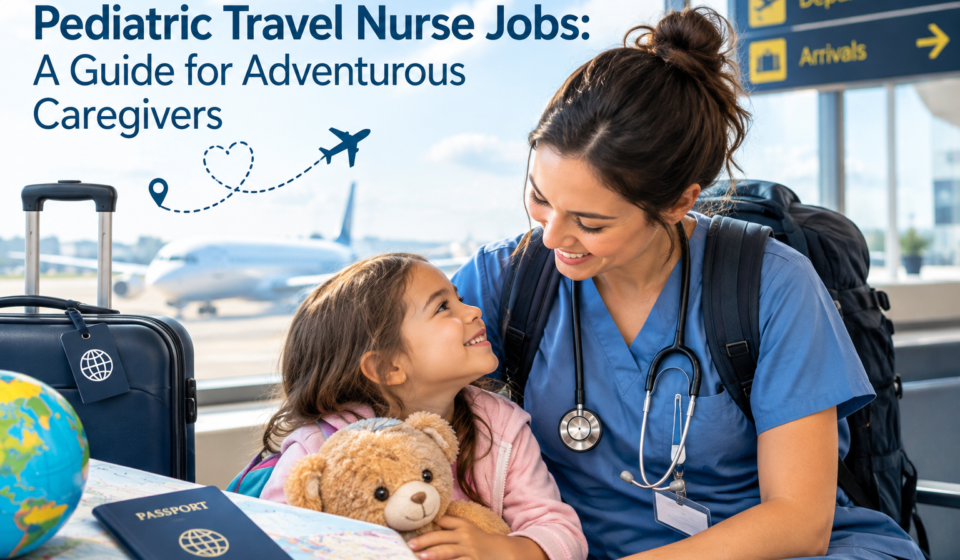

Pediatric travel nurse jobs offer an exciting opportunity for registered nurses who want to combine their passion for caring for children with the freedom to explore new places. These positions allow nurses to work in hospitals, children’s medical centers, and healthcare facilities across different cities and states while gaining valuable professional experience. For nurses who enjoy adventure, flexibility, and making a difference in young patients’ lives, pediatric travel nursing can be a rewarding career path.
As healthcare facilities experience changing staffing needs, travel nurses help provide essential support to pediatric departments. They care for infants, children, and adolescents while working alongside physicians, specialists, and other healthcare professionals. Whether you are an experienced pediatric nurse looking for a change or a registered nurse considering a new career direction, understanding the requirements, responsibilities, salary expectations, and benefits can help you decide if this profession suits your goals.
What Are Pediatric Travel Nurse Jobs?
Pediatric travel nurse jobs are temporary nursing assignments that allow qualified registered nurses to provide healthcare services to children in different medical facilities. Unlike permanent nursing positions, these assignments usually last around 13 weeks, although the duration can vary depending on the healthcare facility, staffing requirements, and contract terms. Nurses may work in children’s hospitals, general hospitals, outpatient clinics, and specialized pediatric care units.
Pediatric travel nurses perform many of the same clinical duties as permanent pediatric nurses, including monitoring patients, administering medications, assisting with treatments, and educating families. However, they must also adapt quickly to unfamiliar workplaces, different healthcare teams, and varying hospital procedures. This flexibility makes travel nursing particularly suitable for professionals who enjoy learning new skills and experiencing different healthcare environments.
Qualifications and Requirements for Pediatric Travel Nurses

Becoming a pediatric travel nurse generally requires a nursing degree from an accredited institution and an active registered nurse license in the state where the assignment is located. Most healthcare employers prefer candidates with at least one or two years of recent pediatric nursing experience because temporary nurses are often expected to adapt quickly and work with limited orientation. Previous experience in a pediatric hospital or specialized unit can provide an additional advantage.
Employers may also require certifications such as Basic Life Support (BLS) and Pediatric Advanced Life Support (PALS), depending on the assignment. Specialized positions in pediatric intensive care units or emergency departments may require additional clinical experience and relevant credentials. Strong communication, problem-solving, time-management, and critical-thinking skills are equally important because travel nurses must provide safe, compassionate care while adjusting to new clinical environments.
Responsibilities of a Pediatric Travel Nurse
Pediatric travel nurses provide direct medical care to infants, children, and adolescents with a wide range of health conditions. Their responsibilities may include assessing patients, monitoring vital signs, administering prescribed medications, assisting with diagnostic procedures, documenting clinical information, and reporting changes in patients’ conditions to the appropriate healthcare professionals. They may also help coordinate treatment plans and support children during hospital stays.
Another important responsibility involves communicating with parents, guardians, and family members. Caring for children requires sensitivity because young patients may have difficulty expressing pain, discomfort, or emotional distress. Pediatric travel nurses help families understand care procedures, provide reassurance, and promote a supportive environment. They must also follow infection-control standards, patient-safety guidelines, and the policies of each healthcare facility.
Salary Expectations for Pediatric Travel Nurse Jobs

The salary for pediatric travel nurses varies according to location, clinical experience, specialty, facility requirements, and contract duration. Nurses working in high-demand areas or specialized pediatric units may receive higher compensation than those working in general pediatric departments. Pay packages may include an hourly wage, housing allowance, travel reimbursement, and other benefits, depending on the employer and contract.
Travel nursing compensation can also be influenced by shift schedules, overtime opportunities, and the availability of local housing. Some agencies offer weekly pay packages that combine taxable wages with eligible stipends, subject to applicable tax rules. Before accepting an assignment, nurses should review the complete compensation package, including guaranteed hours, overtime rates, insurance coverage, and any expenses they may need to pay themselves.
Benefits of Working as a Pediatric Travel Nurse
One of the biggest benefits of pediatric travel nursing is the opportunity to explore different locations while continuing to develop professionally. Nurses can experience new cities, discover different communities, and enjoy a change of scenery between assignments. This flexibility can be particularly appealing to people who enjoy travelling and prefer not to remain in one workplace for their entire career.
Professional growth is another important advantage. Working in different hospitals exposes nurses to new technologies, treatment approaches, clinical procedures, and healthcare teams. These experiences can improve adaptability, communication, and problem-solving skills. Travel nurses may also have access to competitive compensation packages, potential housing assistance, health insurance, and retirement benefits, depending on their staffing agency and employment agreement.
Where to Find Pediatric Travel Nurse Jobs

Pediatric travel nurse opportunities are available in children’s hospitals, large medical centres, community hospitals, and specialized healthcare facilities. Major metropolitan areas may offer a wide range of pediatric assignments, while smaller communities may have temporary staffing needs in facilities with fewer specialized nurses. Available positions depend on patient demand, staffing shortages, and the clinical experience required for each role.
Nurses can explore opportunities through healthcare staffing agencies, online nursing job boards, and hospital career websites. Recruitment agencies often help candidates identify suitable assignments, understand contract conditions, and prepare licensing documents. When comparing opportunities, it is important to consider more than the advertised pay, including the hospital’s orientation process, patient population, location, accommodation arrangements, and available support.
Licensing and Certifications for Travel Nursing
Licensing is an essential part of securing pediatric travel nurse assignments. Registered nurses must hold an active license that authorizes them to practice in the state where they accept a position. Some US states participate in the Nurse Licensure Compact (NLC), which allows eligible nurses with a multistate license to practice in other compact states, subject to applicable rules. Nurses without a multistate license may need to apply for an individual state license before beginning an assignment.
Certifications can also improve access to specialized pediatric positions. Basic Life Support and Pediatric Advanced Life Support are commonly requested, while pediatric emergency or critical care assignments may have additional requirements. Nurses should keep their licenses, certifications, immunization records, background checks, and employment documentation current to avoid delays during the hiring process.
Challenges of Pediatric Travel Nursing

Although travel nursing offers flexibility and professional opportunities, it also comes with challenges. Adjusting to a new hospital’s policies, electronic health records, staffing arrangements, and clinical routines can be demanding, especially during the first few shifts. Travel nurses must learn quickly while maintaining high standards of patient safety and communication.
Being away from family and friends can also be emotionally challenging, particularly for nurses who frequently relocate. Temporary contracts may involve changes in working hours, housing costs, or assignment availability. Pediatric care itself can be emotionally demanding because nurses often support children and families through difficult medical experiences. Building a reliable support network, maintaining healthy routines, and carefully choosing assignments can help manage these challenges.
How to Prepare for a Pediatric Travel Nursing Assignment
Preparing for a travel nursing assignment begins with researching the healthcare facility, understanding the job description, and confirming that your qualifications match the employer’s requirements. Review the contract carefully to understand your expected responsibilities, shift patterns, guaranteed working hours, cancellation policies, and compensation. Organizing your professional documents in advance can make the application and onboarding process smoother.
Housing and travel arrangements also require careful planning. Some contracts provide housing assistance, while others offer stipends that nurses can use to arrange their own accommodation. Consider the cost of living, transportation, safety, and distance from the hospital before choosing a destination. Having a financial plan and preparing for your first few weeks can make the transition to a new assignment more manageable.
Tips for Succeeding as a Pediatric Travel Nurse

Successful pediatric travel nurses combine clinical knowledge with flexibility, patience, and strong interpersonal skills. Building positive relationships with permanent staff, asking questions about unfamiliar procedures, and becoming familiar with hospital policies can help you adapt to a new workplace. Being proactive about communication is particularly important when caring for children with complex medical needs.
Maintaining a healthy work-life balance is equally important for long-term career satisfaction. Make time to rest, explore your new surroundings, and stay connected with loved ones. Continuing education, professional networking, and reflecting on your experiences can also help you improve your nursing skills. By remaining organized and open to learning, you can make each assignment a valuable part of your professional development.
Conclusion
Pediatric travel nurse jobs provide registered nurses with the opportunity to deliver meaningful care to children while experiencing new healthcare environments and exploring different destinations. These positions can offer professional development, flexible assignments, competitive compensation, and exposure to diverse clinical practices. With the appropriate nursing qualifications, relevant pediatric experience, and required certifications, nurses can pursue opportunities that align with their professional and personal goals.
Although travel nursing comes with challenges such as relocation, unfamiliar workplaces, and temporary contracts, careful preparation can make the experience more manageable. Researching assignments, understanding licensing requirements, and selecting suitable healthcare facilities can help nurses build a rewarding career. For caregivers who value adaptability, continuous learning, and new experiences, pediatric travel nursing can offer a meaningful combination of professional growth and adventure.