



















































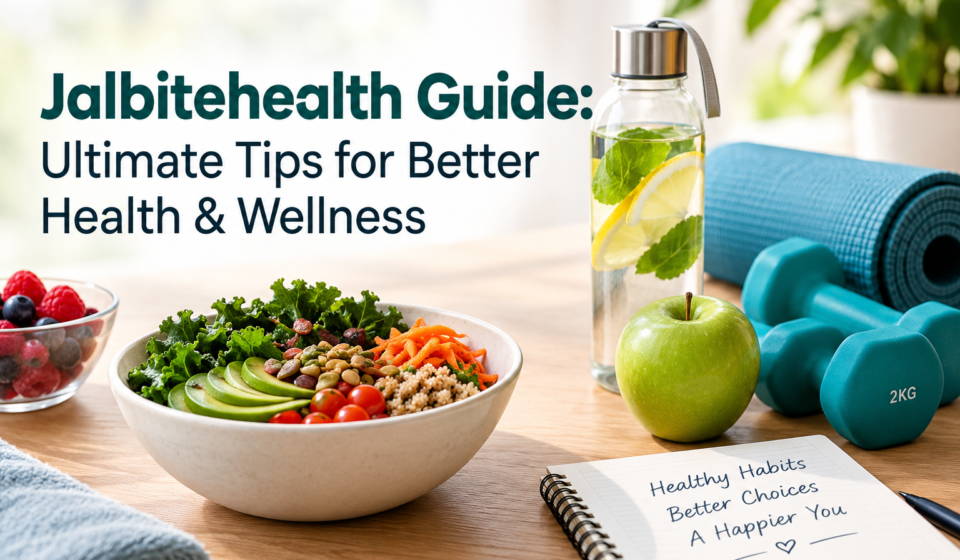

Good health is one of the most important parts of a happy and balanced life. However, busy schedules, poor eating habits, lack of exercise, and daily stress can make healthy living difficult. The good news is that improving your well-being does not require a complete lifestyle change. Small steps, repeated every day, can help you build healthier habits and feel better over time.
The Jalbitehealth Guide: Ultimate Tips for Better Health & Wellness explores practical ways to improve your daily routine. From balanced nutrition and physical activity to better sleep and stress management, this guide covers the key areas of a healthier lifestyle. The goal is to make wellness easier to understand and simpler to practice, regardless of your age or experience.
Understanding the Importance of Health and Wellness
Health and wellness involve more than avoiding illness. They include physical fitness, mental well-being, emotional balance, and the daily choices that support your quality of life. When these areas receive proper attention, it becomes easier to manage everyday responsibilities and maintain a more balanced routine.
The Jalbitehealth Guide encourages a practical approach to personal wellness. Instead of following strict routines that are difficult to maintain, focus on habits that fit your lifestyle. Eating nutritious meals, moving your body, getting enough rest, and making time to relax are useful starting points. Over time, these simple actions can create a stronger foundation for long-term well-being.
Follow a Balanced and Nutritious Diet
A balanced diet provides the nutrients your body needs to function properly. Fruits, vegetables, whole grains, beans, nuts, and suitable sources of protein can help create nutritious meals. Including different food groups also makes meals more enjoyable and helps you obtain a wider range of essential nutrients.
You do not need to follow an expensive diet to eat well. Start by preparing more meals at home and adding vegetables or fruit to your regular meals. Choose whole grains when practical and limit foods that contain excessive amounts of added sugar, salt, or unhealthy fats. Your individual needs may vary, so choose a diet that supports your health, preferences, and budget.
Stay Physically Active Every Day
Regular physical activity supports heart health, muscle strength, mobility, and overall fitness. It may also improve mood and help you manage stress. You do not need a gym membership to become more active. Walking, cycling, dancing, gardening, and simple home exercises can all contribute to a more active lifestyle.
Start with an activity that feels comfortable and gradually increase the time or intensity as your fitness improves. Adults can generally aim for at least 150 minutes of moderate-intensity aerobic activity each week, alongside muscle-strengthening activities on two or more days. If you have a medical condition or have been inactive for a long time, adapt your routine to your abilities and seek professional advice when needed.
Drink Enough Water Throughout the Day
Water plays an important role in digestion, temperature regulation, circulation, and other essential body functions. Drinking enough fluids can also help you maintain concentration and avoid dehydration. Your fluid needs depend on factors such as the weather, activity level, age, and overall health.
Make hydration part of your normal routine. Keep a reusable water bottle nearby and drink regularly throughout the day. Water is usually a good first choice, while foods such as cucumbers, oranges, and watermelon also provide fluids. During hot weather or physical activity, you may need more water than usual. People with certain kidney or heart conditions should follow their healthcare professional’s advice about fluid intake.
Improve Your Sleep Quality
Sleep is essential for physical recovery, memory, concentration, and emotional well-being. Poor sleep can leave you feeling tired and irritable. It may also make it harder to stay active, manage stress, and maintain healthy eating habits. Adults generally need at least seven hours of sleep each night, although individual needs vary.
The Jalbitehealth Guide encourages a consistent sleep routine. Try to go to bed and wake up at similar times every day. Keep your bedroom quiet, comfortable, and dark. Reduce caffeine intake later in the day and limit stimulating activities before bedtime. If sleep problems continue for several weeks or affect your daily life, consult a healthcare professional to identify possible causes and suitable solutions.
Take Care of Your Mental Health
Mental health is an essential part of overall wellness. Work pressure, family responsibilities, financial concerns, and everyday challenges can affect your emotional state. Looking after your mental well-being helps you respond to difficulties, maintain relationships, and manage daily responsibilities more effectively.
Make time for activities that help you relax and recharge. You might enjoy reading, listening to music, spending time outdoors, praying, or talking with someone you trust. Set realistic expectations for yourself and take breaks when you feel overwhelmed. If sadness, anxiety, or emotional distress persists, consider seeking support from a qualified mental health professional. Asking for help is a positive step toward better health.
Manage Everyday Stress Effectively
Stress is a normal response to challenging situations, but ongoing stress can affect sleep, mood, concentration, and physical health. Learning to manage it can make daily life feel more manageable. The goal is not to eliminate every stressful experience. Instead, develop healthy ways to respond when pressure builds.
Start by identifying the situations that cause the most stress. Break large tasks into smaller steps and avoid taking on more responsibilities than you can reasonably manage. Slow breathing, gentle stretching, short walks, and regular breaks may help you feel calmer. Maintaining supportive relationships can also make difficult periods easier to handle. If stress begins to interfere with your health or daily functioning, professional support may be beneficial.
Build a Healthy Morning Routine
A healthy morning routine can help you start the day with more structure. You do not need to wake up extremely early or follow a complicated schedule. A few simple activities can prepare you for the day ahead and make healthy choices easier to maintain.
Begin by waking up at a consistent time, drinking water when you feel thirsty, and eating a balanced breakfast if it suits your needs. A short walk or gentle stretching session can help you get moving. You can also review your priorities and decide which tasks matter most. Keep your routine realistic so that you can follow it even on busy days. Consistency is more useful than creating a perfect schedule that quickly becomes difficult to maintain.
Maintain a Healthy Weight Naturally
Maintaining a healthy weight can support mobility, energy, and long-term health. However, weight is influenced by many factors, including genetics, sleep, medications, activity levels, eating patterns, and certain medical conditions. A single number on the scale cannot fully describe someone’s health.
Focus on sustainable habits rather than rapid weight loss. Eat balanced meals, stay active, sleep well, and pay attention to hunger and fullness. Avoid extreme diets, unproven slimming products, and plans that promise dramatic results in a short period. If you want to change your weight, consider speaking with a qualified healthcare professional or registered dietitian. They can help you choose an approach that meets your individual nutritional needs and supports your long-term well-being.
Develop Healthy Eating Habits at Home
Home cooking gives you greater control over ingredients, portion sizes, and preparation methods. It can also help you save money and make nutritious choices easier. You do not need advanced cooking skills to prepare balanced meals. Simple recipes using familiar ingredients can provide variety without adding unnecessary complexity.
Plan a few meals before visiting the grocery store. Keep useful ingredients such as lentils, beans, eggs, seasonal vegetables, fruit, whole grains, and suitable protein sources available. Try baking, steaming, grilling, or boiling foods more often instead of relying on deep-frying. You can also prepare ingredients ahead of time to make busy evenings easier. Adapt recipes to your cultural preferences, budget, and health needs rather than following restrictive food rules.
Reduce Excess Sugar and Salt
Eating too much added sugar or salt can contribute to health problems over time. Sugary drinks, sweets, and many packaged snacks can add substantial amounts of sugar to your diet. Excess sodium, often found in processed foods, sauces, and salty snacks, can also contribute to high blood pressure.
Read nutrition labels when available and compare similar products before buying them. Choose water more often than sugary beverages, and use fruit when you want a naturally sweet option. To reduce salt, experiment with herbs, spices, garlic, lemon, and other flavorful ingredients. You do not need to remove every treat from your diet. A balanced approach that limits excessive amounts while allowing flexibility is easier to maintain over the long term.
Create a Consistent Exercise Schedule
Making exercise part of your weekly schedule can help you stay consistent. When physical activity depends entirely on motivation, it may be easy to skip it during busy periods. Setting a regular time for movement creates a routine that becomes easier to follow.
Choose activities that suit your interests, fitness level, and available space. You might walk before work, cycle in the evening, or exercise at home several times a week. If you spend long hours sitting, take movement breaks throughout the day. Start slowly if you are new to exercise and increase your workload gradually. Remember that some activity is better than none. Adjust your routine if you experience pain, dizziness, or unusual breathlessness, and seek medical advice when appropriate.
Spend More Time Outdoors
Spending time outdoors can encourage movement, provide a change of scenery, and create opportunities to relax. A walk in a park, time in a garden, or a short break in natural surroundings may help you feel refreshed after a demanding day. Outdoor activities can also be a simple way to spend quality time with family and friends.
You do not need to plan an expensive trip to enjoy these benefits. Try walking through a nearby green space or sitting outside during a break. In hot weather, choose cooler hours, drink enough fluids, and protect your skin from excessive sun exposure. If air quality is poor or outdoor conditions are unsafe, consider indoor alternatives. Choose activities that feel comfortable and accessible so that spending time outside becomes an enjoyable part of your routine.
Maintain Personal Hygiene and Daily Cleanliness
Personal hygiene supports health, comfort, and confidence. Simple practices such as washing your hands, brushing your teeth, bathing regularly, and keeping food preparation areas clean can help reduce exposure to germs and prevent common problems. Good hygiene is particularly important when preparing meals or caring for someone who is unwell.
Develop habits that fit your daily needs. Wash your hands with soap and water at important times, including before preparing food and after using the toilet. Brush your teeth twice daily with fluoride toothpaste and follow your dentist’s recommendations. Keep personal items clean and avoid sharing items such as toothbrushes. Hygiene needs can vary according to age, skin type, work, and medical conditions. If you experience persistent skin irritation, dental pain, or other concerns, seek appropriate professional advice rather than relying only on home remedies.
Strengthen Your Social Connections
Healthy relationships can contribute to emotional well-being and help people cope with difficult experiences. Spending time with supportive friends, relatives, and community members can reduce feelings of isolation and provide opportunities to share concerns. Social wellness is an important part of a balanced lifestyle, even for people who prefer a small social circle.
Make time for meaningful conversations and activities with people you trust. You might share a meal, take a walk together, call a relative, or join a local group that matches your interests. Healthy relationships also require boundaries and mutual respect. If a relationship regularly causes fear, pressure, or emotional harm, consider seeking appropriate support. Building strong connections does not mean being available to everyone all the time. It means creating relationships that support your well-being while respecting your needs.
Limit Unhealthy Lifestyle Habits
Some everyday habits can gradually affect physical and mental health. Smoking, tobacco use, prolonged inactivity, excessive consumption of sugary drinks, and insufficient sleep can increase health risks. Identifying habits that are not serving you is an important step toward improving your lifestyle.
Start by choosing one realistic change instead of trying to change everything at once. If you smoke or use tobacco, seek evidence-based help to quit. Replace long periods of sitting with short movement breaks, and develop a regular sleep schedule. If you struggle to change a habit, consider what triggers it and identify a healthier alternative. Setbacks are normal, so treat them as opportunities to adjust your approach rather than reasons to give up. For addictive behaviours, professional guidance can provide valuable support.
Make Preventive Healthcare a Priority
Preventive healthcare helps identify potential health concerns and supports informed decisions about your well-being. Even when you feel healthy, routine medical and dental care can be important. Appropriate checkups may help monitor blood pressure, assess risk factors, update vaccinations, and identify problems that require further attention.
The right preventive care depends on your age, medical history, family history, and individual risk factors. Ask a healthcare professional which screenings and vaccinations are suitable for you. Keep track of prescribed medicines and discuss any side effects or concerns with your clinician. Avoid starting supplements or stopping prescribed treatments based solely on online advice. Health information can help you prepare for appointments, but personal medical decisions should be made with qualified professionals who understand your circumstances.
Use Technology to Support Your Wellness Goals
Technology can make it easier to organise healthy routines and monitor progress. Calendar reminders, activity trackers, meal-planning applications, and sleep logs can help you understand your habits. Used thoughtfully, these tools may encourage consistency and make your goals feel more manageable.
Choose tools that solve a genuine problem rather than adding more pressure to your day. For example, a reminder can help you take movement breaks, while a calendar can keep exercise sessions organised. However, wearable devices and wellness applications do not provide a complete picture of your health. Their measurements may be inaccurate, and tracking everything can become stressful for some people. Protect your personal information and avoid relying on an application to diagnose symptoms or replace medical advice. Use technology as a helpful resource, not as a substitute for listening to your body.
Create a Realistic Daily Wellness Plan
A wellness plan can help you turn general health advice into actions that fit your schedule. Without a practical plan, it is easy to forget your goals when work, family responsibilities, or unexpected events demand your attention. The most useful plan is simple enough to follow on ordinary days.
Choose two or three habits to focus on during your first week. You might walk for 15 minutes, prepare one extra home-cooked meal, and go to bed at a consistent time. Once these actions become more familiar, consider adding another habit. Track progress in a notebook or calendar if it helps you stay motivated. Allow room for rest, social activities, and occasional changes to your schedule. Your plan should support your life rather than make every day feel like a test.
Overcome Common Challenges in Healthy Living
Many people struggle to maintain healthy habits because of limited time, financial pressures, low motivation, or changing responsibilities. These challenges do not mean you cannot improve your health. They simply mean your approach may need to be more flexible and practical.
If time is limited, use short walks or prepare simple meals with affordable ingredients. If motivation drops, choose an activity you enjoy or ask a friend to join you. When a routine becomes difficult, reduce its demands instead of abandoning it completely. For example, a short home workout can be a reasonable alternative when you cannot reach the gym. Focus on progress over perfection and recognise the positive changes you make. Small improvements can help you build confidence and develop habits that last.
The Long-Term Benefits of Healthy Living
A consistent approach to wellness can support many aspects of everyday life. Nutritious eating, regular physical activity, adequate sleep, and effective stress management can contribute to better energy, improved fitness, and emotional balance. These habits may also help reduce the risk of several chronic health conditions when combined with appropriate healthcare.
Long-term benefits develop through repeated choices rather than overnight transformations. Results will differ according to individual circumstances, and healthy habits cannot guarantee that illness will never occur. The purpose of the Jalbitehealth Guide is to help you make informed decisions and develop routines that support your overall well-being. By focusing on realistic goals and adjusting your habits when necessary, you can build a healthier lifestyle that remains practical as your needs change.
Conclusion
The Jalbitehealth Guide: Ultimate Tips for Better Health & Wellness provides a practical starting point for anyone who wants to improve their daily habits. Balanced nutrition, regular movement, adequate hydration, quality sleep, and stress management all contribute to a healthier lifestyle. Personal hygiene, supportive relationships, preventive healthcare, and realistic goal-setting are also important parts of overall wellness.
You do not need to make every change at once. Start with the habits that matter most to you and build from there. Be patient with yourself, celebrate steady progress, and seek professional guidance when you have specific health concerns. Most importantly, remember that wellness is a continuing process rather than a final destination. Consistent, achievable choices can help you create a healthier and more balanced life over time.

[…] October 18, 2026 Sebastian Korda Wife: Who Is the Tennis Star Dating & Engaged To? October 18, 2026 Jalbitehealth Guide: Ultimate Tips for Better Health & Wellness […]