
































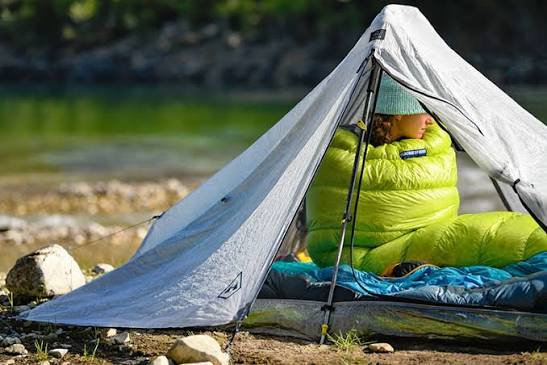

Finding the best sleeping bags for backpacking can make a significant difference to your comfort, safety, and enjoyment on the trail. Whether you are planning a weekend camping trip, exploring mountain trails, or preparing for a multi-day wilderness adventure, a reliable sleeping bag helps you stay warm and rested after a long day of hiking. The right choice depends on several factors, including weather conditions, expected nighttime temperatures, insulation type, packed size, and overall weight.
Backpackers need sleeping bags that provide dependable warmth without taking up too much space in their packs. A bulky or heavy sleeping bag can make long hikes more tiring, while an unsuitable temperature rating may leave you uncomfortable during cold nights. Understanding the main features of backpacking sleeping bags will help you choose an option that matches your destination, budget, and personal sleeping preferences.
Why Choosing the Best Sleeping Bags for Backpacking Matters
A good sleeping bag does more than provide a comfortable place to rest. It helps your body retain warmth by trapping insulating air around you, reducing heat loss during the night. Quality sleep supports physical recovery, concentration, and energy levels, all of which are important when you need to hike long distances the following day.
The wrong sleeping bag can create unnecessary problems during an outdoor trip. A bag designed for warm summer nights may not provide sufficient insulation in the mountains, while a heavy winter bag may be uncomfortable and inefficient on a mild-weather trail. Choosing equipment suited to your actual conditions helps you balance warmth, weight, and comfort throughout your journey.
Understanding Sleeping Bag Temperature Ratings
Temperature ratings are among the most important features to consider when comparing backpacking sleeping bags. These ratings indicate the conditions in which a sleeping bag is designed to provide warmth. Three-season sleeping bags are popular because they work well in spring, summer, and autumn, while winter models offer additional insulation for colder environments.
When choosing a temperature rating, consider the coldest conditions you are likely to encounter rather than the average temperature during your trip. Look for EN or ISO testing information when available, paying attention to the comfort rating rather than relying only on the lower-limit or extreme rating. Your sleeping pad, clothing, tent, and personal sensitivity to cold also influence how warm you feel at night.
Down vs Synthetic Insulation for Backpacking
Down insulation is made from the soft feathers found beneath the outer feathers of ducks or geese. It provides an excellent warmth-to-weight ratio, compresses into a small package, and can last for many years when properly maintained. These qualities make down sleeping bags especially attractive to backpackers who want to reduce pack weight on long-distance hikes.
Synthetic insulation is generally more affordable and maintains its insulating ability better than untreated down when exposed to moisture. Synthetic sleeping bags can also dry relatively quickly and are often easier to maintain. Although they may be heavier and bulkier for the same warmth, they are practical for humid environments, rainy trips, and budget-conscious adventurers.
Lightweight Sleeping Bags for Long-Distance Hiking
Weight becomes increasingly important when you carry your sleeping bag for several hours every day. Lightweight backpacking sleeping bags help reduce the total load in your pack, allowing you to travel more comfortably and conserve energy on demanding trails. Many lightweight models use efficient insulation, streamlined designs, and lightweight outer fabrics to minimise unnecessary bulk.
However, choosing the lightest option is not always the best decision. An ultralight sleeping bag may sacrifice insulation, durability, or comfort to reduce weight. Compare the bag’s temperature rating, packed volume, dimensions, and construction before purchasing. For longer trips, a slightly heavier model that provides dependable warmth may be more useful than an extremely light bag that does not suit the weather.
Sleeping Bag Shapes, Sizes, and Comfort
Sleeping bags commonly feature rectangular, semi-rectangular, and mummy-shaped designs. Rectangular bags offer generous room for movement and are comfortable for casual camping, but they generally require more space and may retain less heat. Mummy bags fit closer to the body, reducing empty space that your body must warm and making them popular among backpackers.
Your sleeping position and body dimensions should influence your choice. Side sleepers may prefer a roomier design, while taller hikers should check the manufacturer’s length recommendations. A well-fitting sleeping bag should allow comfortable movement without leaving excessive space around your body. Features such as an insulated hood, adjustable collar, and full-length zipper can further improve comfort in colder conditions.
Essential Features to Look for in Backpacking Sleeping Bags
Small design details can make a meaningful difference during outdoor adventures. A draft collar helps prevent warm air from escaping around your shoulders, while a well-designed hood reduces heat loss around your head. Two-way zippers provide ventilation when temperatures rise, and zipper guards can help prevent fabric from becoming trapped during use.
Durability and moisture management are equally important. Look for sturdy stitching, reliable zippers, and an outer fabric suited to your expected conditions. A water-resistant shell or treated down insulation can offer additional protection against dampness, although neither makes a sleeping bag completely waterproof. Using a waterproof pack liner or dry bag helps keep your sleeping equipment protected during wet hikes.
How to Choose the Right Sleeping Bag for Your Budget
Backpacking sleeping bags are available at different price points, allowing beginners and experienced hikers to find suitable options. Affordable synthetic models can be an excellent starting point for occasional camping, particularly when trips take place in moderate temperatures. Midrange bags may offer better packability, improved fabrics, and more efficient insulation without requiring a premium investment.
Premium down sleeping bags are often worthwhile for frequent backpackers who prioritise low weight, compact storage, and long-term performance. Before purchasing, compare the complete specifications rather than judging a sleeping bag by price alone. Consider its temperature rating, fill type, total weight, packed dimensions, warranty, and care requirements to determine whether it offers good value for your needs.
Caring for and Packing Your Sleeping Bag
Proper care helps preserve the insulation and extend the useful life of your sleeping bag. After each trip, allow it to air out completely before storing it. Follow the manufacturer’s cleaning instructions because frequent or incorrect washing can damage insulation and reduce performance. Store the bag loosely in a large storage sack rather than compressing it tightly for long periods.
When preparing for a backpacking trip, pack your sleeping bag in a compression sack if needed, then protect it from rain using a waterproof liner or dry bag. Avoid compressing it more than necessary, particularly when travelling with down insulation. At camp, unpack the bag early enough to allow it to regain its loft, as properly expanded insulation generally traps heat more effectively.
Conclusion
Choosing the best sleeping bags for backpacking requires balancing warmth, weight, insulation, comfort, and affordability. A suitable sleeping bag should match the lowest temperatures you expect to experience while remaining practical to carry throughout your journey. By comparing temperature ratings, down and synthetic insulation, bag shapes, and useful design features, you can make a confident decision for your next outdoor adventure.
Remember that a sleeping bag works as part of a complete sleep system rather than on its own. Pair it with an appropriately insulated sleeping pad, protect it from moisture, and follow the manufacturer’s care instructions to maintain its performance. With the right equipment, you can enjoy more comfortable nights, recover better after long hikes, and make the most of your time outdoors.

[…] October 22, 2026 Best Luggage for Frequent Travelers: How to Choose the Perfect Travel Bag October 22, 2026 Best Sleeping Bags for Backpacking: How to Choose the Right One October […]