
















































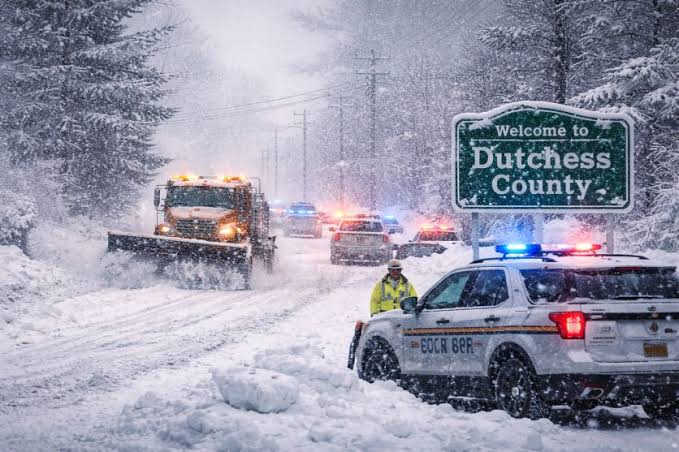

What You Need to Know About the Dutchess County Travel Ban is important for residents, commuters, visitors, and anyone planning to drive through Dutchess County, New York, during severe weather. A county travel ban is an emergency measure designed to keep people off dangerous roads and give snowplow crews, emergency responders, utility workers, and other essential personnel enough space to work safely. These restrictions are generally temporary and are issued when weather conditions create a serious threat to public safety.
Dutchess County has used travel restrictions during major winter storms, including several events in 2026. Because the exact start and end times can change as conditions develop, travelers should always check the latest county announcement before leaving home. The county’s official storm-update page currently says there are no active storm updates, so the information below explains how travel bans work rather than suggesting that a ban is currently in effect.
What Is the Dutchess County Travel Ban?
A Dutchess County travel ban is an emergency restriction that can prohibit or limit vehicular travel on public roads when dangerous conditions threaten residents and emergency operations. During the January 2026 winter storm, the county initially prohibited vehicular traffic on public roadways except for essential emergency vehicles and essential personnel vehicles. The order was later changed as weather and road conditions improved.
These restrictions are not permanent rules. They are issued under emergency authority and can be extended, shortened, replaced, or lifted depending on the circumstances. For example, the January 2026 restriction was originally scheduled to continue until 5 p.m. on January 26, but the county changed the order and lifted the roadway restriction at noon that day.
Why Does Dutchess County Issue Travel Bans?
Severe winter weather can make roads extremely dangerous because of heavy snow, ice, poor visibility, high winds, and rapidly changing conditions. A large amount of traffic during a major storm can also make it harder for highway crews to clear roads and for emergency vehicles to reach people who need assistance.
During the February 2026 storm, Dutchess County officials cited blizzard conditions, strong winds, additional snowfall, and difficult conditions for highway crews when extending the restriction on non-essential travel. The county specifically encouraged residents to remain home so crews could clear roads safely and efficiently.
When Can a Travel Ban Take Effect?
The timing of a travel ban depends on the severity and expected duration of an emergency. County officials may announce restrictions before the worst conditions arrive, giving residents an opportunity to get home and prepare before roads become hazardous. The restriction can then be adjusted as conditions change.
For example, a Dutchess County emergency order issued in January 2026 initially restricted travel from 5 a.m. Sunday until 5 p.m. Monday. Officials subsequently replaced that order and ended the travel restriction earlier, at noon Monday. This shows why residents should check official updates instead of relying on an earlier announcement.
Who Is Usually Allowed to Travel?
Travel restrictions generally make exceptions for essential personnel and emergency vehicles. During the February 2026 Dutchess County restriction, permitted categories included medical and health facility personnel, law enforcement and public safety workers, first responders, utility and public works personnel, snow-removal crews, certain facility operations workers, and government personnel involved in emergency operations.
The exact exemptions depend on the emergency order in effect. Being considered an essential worker does not automatically mean every trip is permitted under every order, so people who believe they qualify should review the current official language and follow instructions from their employer and local authorities.
What Happens to County Services During a Ban?
A travel restriction can be accompanied by temporary changes to county services. Government offices may close, public transportation can be suspended, and certain county facilities may operate on reduced schedules. These measures help reduce unnecessary travel and allow county resources to concentrate on emergency response and recovery.
During the February 2026 storm, Dutchess County closed government offices and suspended county public transit while the travel restriction remained in effect. During the January storm, county offices were also ordered closed as officials responded to significant snowfall and hazardous conditions.
What Should Residents Do During a Travel Ban?
The safest approach is to remain home unless you are specifically permitted or required to travel. Avoid unnecessary trips, monitor weather conditions, and keep roads clear for snowplows and emergency vehicles. If you are already at home when a ban is announced, preparing food, medications, communication devices, and other necessities can reduce the need to leave.
Residents should also pay attention to local conditions even after a countywide ban ends. Roads may remain covered with snow or ice, and secondary roads can take longer to clear than major routes. Dutchess County has emphasized that residents should continue using caution after restrictions are lifted when hazardous conditions remain.
How to Check for Official Travel Ban Updates
Because emergency restrictions can change quickly, official county information should be your primary source. Dutchess County maintains a storm-updates page and provides emergency information through its government channels. The county also recommends using local news, weather alerts, and notification systems to stay informed during emergencies.
The county’s Department of Emergency Response also promotes the Ready Dutchess system for receiving local emergency information, including weather alerts, closures, and power-outage updates. Checking these sources before traveling can help you determine whether restrictions remain active or whether additional local road closures have been announced.
Travel Ban vs. Local Road Restrictions
A countywide travel ban is different from an individual road closure or a local snow emergency. Even when a countywide restriction has ended, a particular municipality may still have its own parking restrictions, road closures, or other emergency rules. Travelers should therefore check both countywide information and local municipal announcements.
Road conditions can also vary significantly across Dutchess County. A major highway may be cleared while smaller residential or rural roads remain difficult to navigate. Ending a travel ban does not necessarily mean every road is immediately safe or completely clear.
Preparing for Future Dutchess County Travel Bans
Preparing before winter weather arrives can make a significant difference when travel restrictions are announced. Keep essential supplies at home, maintain an emergency kit, charge important devices, and make sure medications and other necessities are available. If you regularly commute, consider having a backup plan for work and transportation when severe weather is forecast.
Dutchess County recommends emergency preparedness measures that include keeping several days of water, non-perishable food, medications, and other essential supplies available for each household member and pet. Preparing ahead of time reduces the pressure to travel during dangerous conditions.
Conclusion
Understanding What You Need to Know About the Dutchess County Travel Ban can help residents and visitors make safer decisions during severe weather. Travel bans are temporary emergency measures designed to protect the public, reduce crashes, and give highway and emergency crews the opportunity to perform essential work without unnecessary traffic. The restrictions may apply broadly to public roadways while allowing carefully defined exceptions for essential personnel and emergency operations.
The most important rule is to follow the current official order rather than relying on old information or social media posts. Travel restrictions can change as conditions improve, as demonstrated by Dutchess County’s 2026 winter storms. Checking official county updates, preparing supplies in advance, and avoiding unnecessary travel can help protect you, your family, and the emergency workers who keep the community safe.
FAQs
Is there currently a Dutchess County travel ban?
As of the latest county storm-update page available, there are no current storm updates indicating an active countywide travel ban. Conditions can change, so check the county’s official emergency information before traveling.
Why does Dutchess County issue travel bans?
Travel bans are used during dangerous conditions such as severe snowstorms and blizzards to protect residents and allow emergency responders and road crews to work safely.
Can essential workers travel during a ban?
Emergency orders generally provide exceptions for specified essential personnel, including healthcare workers, first responders, law enforcement, utility workers, and snow-removal crews. The exact exemptions depend on the current order.
Can I drive during a Dutchess County travel ban?
If a ban prohibits non-essential travel, you should remain off public roads unless you fall within an authorized exception. Always follow the specific emergency order in effect.
Can a travel ban be lifted early?
Yes. County officials can modify or repeal restrictions when conditions improve. In January 2026, Dutchess County ended its travel restriction earlier than originally scheduled.
Does a travel ban close public transportation?
It can. During the February 2026 storm, Dutchess County Public Transit service was suspended while the travel restriction and emergency response were in effect.
Where can I find official Dutchess County travel updates?
Residents can check the Dutchess County storm-update page, county government announcements, emergency notifications, and local authorities for the latest information.
Should I travel immediately after a ban ends?
Not necessarily. Roads may still be hazardous after restrictions are lifted. Drivers should check conditions, allow extra time, watch for snowplows, and avoid unnecessary travel until roads are safely cleared.