













































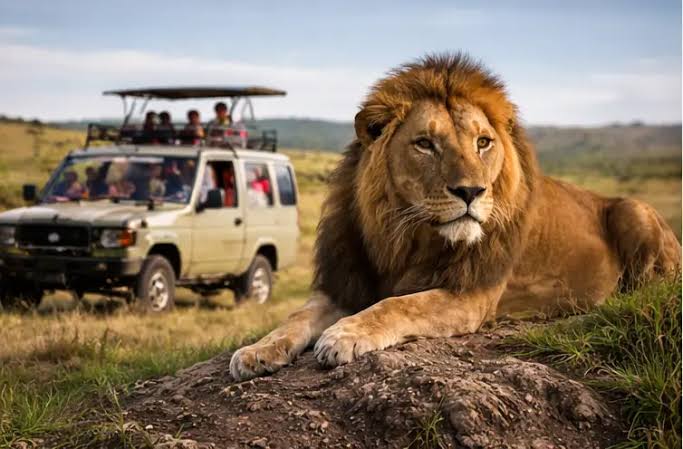

A safari is an unforgettable travel experience filled with wildlife, dramatic landscapes, and exciting outdoor adventures. However, traveling to remote destinations can also involve risks that are less common on ordinary vacations. Best Travel Insurance for Safari: Peace of Mind in the Wild is an important topic for anyone planning an African safari or another wildlife-focused adventure.
From unexpected medical emergencies and delayed flights to lost luggage and trip cancellations, the right travel insurance can provide valuable financial protection. A good policy can also be particularly important when your safari takes place far from major cities or medical facilities. Understanding what safari insurance should cover can help you travel with greater confidence and peace of mind.
Why Travel Insurance Matters on a Safari
Safari destinations often involve remote camps, long drives, small aircraft, and outdoor activities. While these experiences are part of the adventure, they can make unexpected problems more complicated. A sudden illness or injury may require transportation to a better-equipped medical facility, creating expenses that could be significant without appropriate coverage.
Travel insurance can also protect your investment before your trip begins. Flights, accommodation, park fees, guided tours, and safari packages can cost a considerable amount. If a covered event forces you to cancel or interrupt your journey, suitable insurance may reimburse eligible prepaid expenses according to the policy terms.
Medical Coverage for Safari Adventures
Medical coverage should be one of the first things you examine when comparing safari travel insurance. Look for a policy that provides substantial emergency medical benefits and covers treatment for unexpected illnesses or injuries during your trip. Your existing health insurance may not provide the same level of protection internationally, so checking your current coverage before traveling is important.
It is also essential to understand exclusions and activity restrictions. Some policies may treat certain adventure activities differently from ordinary sightseeing. If your itinerary includes activities such as walking safaris, rafting, mountain climbing, or other higher-risk experiences, confirm that your chosen policy covers them before purchasing.
Emergency Medical Evacuation
Emergency medical evacuation can be particularly important during a safari because some wildlife areas are located far from hospitals. In a serious medical situation, you may need transportation from a remote location to an appropriate medical facility. Depending on the circumstances, this could involve an ambulance, helicopter, aircraft, or other specialized transportation.
When reviewing insurance policies, pay close attention to the medical evacuation and repatriation benefits. Check whether evacuation is covered when medically necessary and understand any limits, conditions, or approval requirements. A policy with strong evacuation protection can provide significant reassurance when traveling far from major healthcare facilities.
Trip Cancellation and Interruption Protection
Safari holidays often require substantial advance planning and payment. Flights, lodges, camps, tours, and transportation may be booked months before departure. Trip cancellation coverage can help protect eligible prepaid and non-refundable expenses when a covered reason prevents you from traveling.
Trip interruption coverage works differently because it applies after your journey has started. If a covered emergency requires you to return home early or causes you to miss part of your planned itinerary, the policy may help with certain additional expenses and unused prepaid arrangements. Always review the specific covered reasons and exclusions before purchasing.
Lost, Delayed, or Damaged Baggage
Baggage problems can create significant inconvenience during a safari, especially when travelers are moving between several camps or destinations. A travel insurance policy may provide compensation for covered baggage loss, theft, damage, or delays, subject to policy limits and conditions.
When comparing policies, check the limits for individual items and valuable belongings. Cameras, lenses, binoculars, smartphones, and other safari equipment can be expensive. Some policies may have special requirements for valuable items, so understanding these conditions before your journey can help prevent unpleasant surprises.
Coverage for Safari Activities
Not every travel insurance policy automatically covers every activity associated with adventure travel. A traditional sightseeing policy may have restrictions involving certain sports, remote-area activities, or high-risk experiences. This makes it important to compare your itinerary with the policy’s activity definitions.
If your safari includes walking through wildlife areas, horseback riding, hot-air ballooning, scuba diving, or other activities outside traditional game drives, verify coverage before purchasing. Never assume an activity is covered simply because it is offered as part of a tour package.
What to Check Before Buying Safari Insurance
Before selecting a policy, read the details rather than focusing only on the advertised price. Compare medical limits, emergency evacuation, trip cancellation, interruption, baggage protection, activity coverage, and exclusions. The cheapest policy may not provide the protection you actually need for a remote safari destination.
You should also check whether the insurer provides a 24-hour emergency assistance service and how claims are handled. Keep copies of your policy documents, emergency contact information, booking confirmations, and other important travel records in an accessible location. These simple preparations can make a stressful situation easier to manage.
Choosing the Right Policy for Your Safari
The right insurance policy depends on your destination, itinerary, activities, trip cost, and personal circumstances. A short guided safari with standard game drives may require different coverage from a multi-country adventure involving several remote activities. Consider the overall risk and financial value of your trip rather than choosing insurance based solely on price.
It is also wise to purchase coverage soon after making major non-refundable travel payments if you want to benefit from policy features that may depend on when the insurance is purchased. Read the terms carefully and contact the insurer if you are unsure whether a specific activity or circumstance is covered.
Conclusion
Choosing the Best Travel Insurance for Safari: Peace of Mind in the Wild can make an important difference when planning an adventure in remote destinations. Strong medical coverage, emergency evacuation protection, trip cancellation benefits, baggage protection, and appropriate activity coverage can help protect both your health and your travel investment.
Before leaving home, take time to understand your policy, exclusions, limits, and emergency procedures. No insurance policy can remove every travel risk, but the right protection can give you greater confidence while you enjoy wildlife, landscapes, and unforgettable safari experiences.
FAQs
Is travel insurance necessary for a safari?
Travel insurance is not always legally required, but it can provide valuable protection against medical emergencies, evacuation costs, cancellations, interruptions, and baggage problems.
Does safari insurance cover medical evacuation?
Many comprehensive policies include emergency medical evacuation, but coverage varies. Check the policy limits, conditions, approved transportation, and destination restrictions before purchasing.
Does travel insurance cover safari activities?
Some policies cover standard safari activities, while others may exclude certain adventure experiences. Always confirm coverage for every activity included in your itinerary.
Can travel insurance cover a canceled safari?
Trip cancellation coverage may reimburse eligible prepaid and non-refundable expenses when cancellation occurs for a covered reason. The exact conditions depend on the policy.
Does safari insurance cover lost luggage?
Many policies provide baggage protection for covered loss, theft, damage, or delays. Limits may apply, particularly to expensive cameras and other valuable equipment.
Should I buy insurance before booking my safari?
It is generally sensible to compare insurance early, particularly because some policy benefits may depend on when you purchase coverage relative to your initial trip payment.
What should I look for in safari travel insurance?
Pay particular attention to emergency medical coverage, medical evacuation, repatriation, trip cancellation, interruption, baggage protection, activity coverage, exclusions, and emergency assistance.
Can ordinary travel insurance cover an African safari?
A standard comprehensive travel policy may cover many safari trips, but coverage depends on the destination and activities. Carefully check the policy wording before traveling.