















































Best time to travel to Tanzania: Timing Your Perfect Safari Vacation depends largely on what you want to experience during your trip. Tanzania is one of Africa’s most remarkable destinations, offering world-famous wildlife safaris, the Great Migration, Mount Kilimanjaro, beautiful beaches, and fascinating local culture. Because different regions experience different weather patterns, choosing the right season can make your vacation even more rewarding.
Tanzania can be visited throughout the year, but certain months are better suited to particular activities. The dry season is often preferred for wildlife viewing because animals gather around water sources and vegetation becomes thinner. Meanwhile, the green season brings lush landscapes, fewer crowds, and attractive travel opportunities. Understanding Tanzania’s seasons helps you choose dates that match your interests and budget.
Best Time to Travel to Tanzania for a Safari
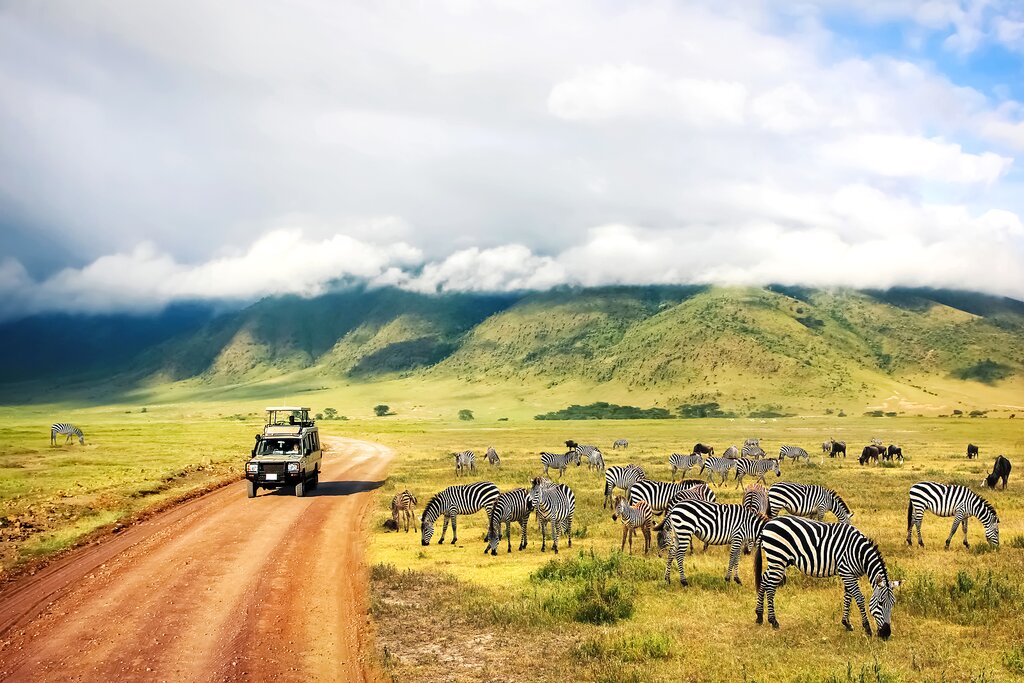
The dry season, generally from June through October, is often considered one of the best periods for a traditional Tanzania safari. During these months, rainfall is limited, roads are usually easier to navigate, and wildlife becomes easier to spot in many national parks. Animals frequently gather around rivers, lakes, and waterholes as natural water sources become less abundant.
The cooler and drier conditions also make game drives more comfortable. Popular safari destinations such as the Serengeti, Ngorongoro Conservation Area, and Tarangire can provide excellent wildlife viewing during this period. However, because this is a popular travel season, major parks may be busier and accommodation can be more expensive.
Best Time to See the Great Migration
The Great Migration is one of Tanzania’s most spectacular wildlife experiences, but there is no single month when the entire event happens in one location. Millions of wildebeest, zebras, and other animals move through the Serengeti ecosystem in response to rainfall, fresh grass, and water availability. The timing can vary from year to year.
For dramatic river crossings, travelers often consider July through September, when migrating herds may cross rivers in the northern Serengeti and surrounding areas. Earlier in the year, the southern Serengeti and Ndutu region can be excellent for calving activity, particularly around January and February. Choosing the right location is just as important as choosing the month.
Best Time to Visit Tanzania for Weather
Tanzania’s weather varies according to altitude and region, but the country generally has distinct dry and rainy periods. June through October tends to bring dry conditions across many safari areas, while January and February often provide another relatively dry period between rainy seasons.
The long rains usually occur from March through May, while shorter rains commonly arrive around November and December. Rain does not necessarily make Tanzania unsuitable for travel. The landscape becomes green and vibrant, wildlife gives birth in some areas, and visitors may encounter fewer tourists during wetter periods.
Best Time to Visit Zanzibar
If you want to combine a safari with a relaxing beach vacation, Zanzibar is an excellent addition to your Tanzania itinerary. The island generally experiences its best beach conditions during the drier periods, particularly from June through October and again around January and February. Sunny skies and warm temperatures create excellent conditions for swimming, sightseeing, and enjoying the coastline.
Zanzibar can also be attractive during shoulder periods when visitor numbers may be lower. Weather conditions can change, particularly during rainy seasons, so travelers should consider flexibility when planning beach activities. Combining mainland wildlife adventures with several days on Zanzibar can create a diverse Tanzania vacation.
Best Time to Climb Mount Kilimanjaro
Mount Kilimanjaro can be climbed throughout much of the year, but drier periods are generally preferred. January through February and June through October often provide favorable conditions for trekking, although mountain weather can be unpredictable at higher elevations.
A successful Kilimanjaro climb depends on more than choosing a month. Proper acclimatization, a suitable route, experienced guides, appropriate clothing, and adequate preparation are essential. Even during generally favorable seasons, temperatures can drop significantly near the summit.
Best Time for Budget Travelers
Travelers looking to reduce costs may consider Tanzania’s wetter months, particularly during parts of March through May. Safari lodges and tour operators may offer lower rates during quieter periods, although availability and pricing vary considerably between properties and regions.
The rainy season can also produce spectacular scenery. Grasslands become green, skies can be dramatic, and fewer tourists may mean a more peaceful experience. Travelers who prioritize value and do not mind occasional rain can find this period rewarding.
Best Time for Fewer Crowds
If avoiding crowds is important, consider traveling during shoulder or low seasons rather than the peak dry-season months. November, parts of December, and the wetter months can offer a quieter experience in many destinations.
Fewer visitors can make wildlife drives feel more relaxed and may provide greater flexibility at lodges and camps. However, some seasonal camps and tourism services may operate differently during quieter periods, so checking availability before booking is important.
Choosing the Right Month for Your Trip
January and February can be excellent for travelers interested in green landscapes and the calving season in the southern Serengeti. June marks the beginning of the popular dry season, while July through September can be particularly appealing for travelers hoping to witness migration activity in northern Serengeti areas.
October can provide excellent safari conditions before the short rains become more likely later in the year. November and December can bring greener scenery and fewer visitors, although rainfall may occasionally affect road conditions and outdoor activities. Your ideal month ultimately depends on whether wildlife, weather, beaches, hiking, or budget is your top priority.
Conclusion
The best time to travel to Tanzania: Timing Your Perfect Safari Vacation depends on the experience you want to create. For classic wildlife viewing and comfortable safari conditions, the dry season from June through October is an excellent choice. Travelers interested in the Great Migration should plan around the animals’ seasonal movements, while those seeking the calving season may prefer January or February in the southern Serengeti.
There is no single perfect month for every traveler. Tanzania’s rainy periods can offer green scenery, fewer crowds, and potentially better value, while dry months provide excellent wildlife-viewing opportunities. By matching your travel dates with your priorities, you can create a Tanzania adventure filled with unforgettable wildlife encounters, scenic landscapes, cultural experiences, and relaxing beach days.
FAQs
What is the best month to visit Tanzania?
July through October are popular choices for safari travel because of generally dry conditions and excellent wildlife viewing. January and February can also be excellent.
What is the best time to see the Great Migration?
The timing changes each year, but July through September can offer opportunities to see migration activity and possible river crossings in northern Serengeti areas.
Can I visit Tanzania during the rainy season?
Yes. Rainy periods can bring lush scenery, fewer tourists, and attractive prices. Some travelers particularly enjoy the green-season atmosphere.
When is the best time to visit Zanzibar?
June through October and January through February are generally popular periods for enjoying Zanzibar’s beaches and outdoor activities.
What months are best for climbing Kilimanjaro?
January through February and June through October are commonly preferred because they generally offer drier conditions, although mountain weather can change quickly.
Is Tanzania expensive to visit?
Tanzania can accommodate different travel budgets, but safari costs can be significant. Traveling during quieter periods and choosing accommodation carefully may help manage expenses.
How many days should I spend in Tanzania?
A safari-focused trip often benefits from at least five to seven days, while adding Zanzibar or Kilimanjaro requires additional time.
Is Tanzania good for a family vacation?
Yes. Tanzania can be an excellent family destination, particularly for families interested in wildlife, nature, and cultural experiences. Choosing family-friendly lodges and age-appropriate activities is important.



[…] cards, commonly known as Green Cards, can be accepted as alternative documentation to a visa for certain tourist or business entries. The announcement also states that travelers still need a valid travel […]
[…] of the high altitude, visitors should take time to acclimatize and be prepared for rapidly changing mountain weather. The dramatic scenery makes Cotopaxi a memorable destination for anyone interested in […]