












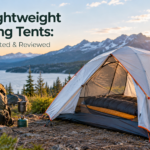
































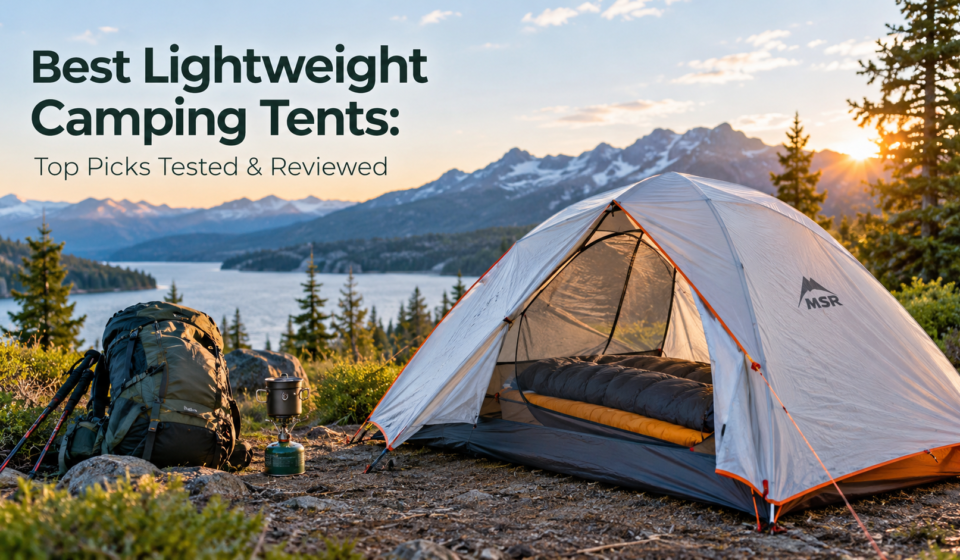

Finding the best lightweight camping tents can make a significant difference to your outdoor adventures. Whether you are planning a weekend backpacking trip, exploring mountain trails, or spending a night beneath the stars, a lightweight tent helps reduce the weight you carry without sacrificing comfort or protection. The right tent provides a reliable shelter, protects you from changing weather, and creates a comfortable place to rest after a long day outdoors.
However, choosing a camping tent involves more than looking for the lightest option available. You must consider durability, sleeping capacity, waterproofing, ventilation, packed size, and ease of setup. Some tents are designed for solo backpackers who prioritize minimum weight, while others provide extra space for couples or small groups. This guide explains the most important features, popular tent styles, and practical buying considerations to help you choose the right shelter for your next adventure.
What Makes a Lightweight Camping Tent Worth Buying?
The best lightweight camping tents balance low weight with dependable weather protection, usable interior space, and straightforward setup. A tent that weighs very little may sound appealing, but it will not be the right choice if it feels cramped, struggles in bad weather, or uses materials that are unsuitable for your destination. Consider how often you camp, the conditions you expect, and how much comfort you are willing to trade for a lighter backpack.
It is also important to understand the difference between minimum trail weight and packaged weight. Minimum trail weight usually covers the essential tent body, rainfly, and poles, while packaged weight includes additional components such as stakes, stuff sacks, and instructions. Comparing the same weight measurement across models gives you a more accurate idea of what you will actually carry.
Best Lightweight Camping Tents: Top Picks Reviewed
The following tents are useful starting points for comparing lightweight shelters. These recommendations draw on published gear-testing reviews and manufacturer-oriented specifications, rather than claiming that I personally tested every tent. Availability, current pricing, and exact specifications can vary by model version and retailer.

Big Agnes Copper Spur HV UL2
The Big Agnes Copper Spur HV UL2 is worth considering for backpackers who want a lightweight, freestanding two-person shelter without giving up useful everyday features. Its design focuses on balancing portability with livability, making it appealing for hiking trips where campers need comfortable sleeping space, convenient access, and protected storage for smaller items.
Its premium positioning may not suit every budget, and careful handling is important when using lightweight tent fabrics. Consider this model if you regularly backpack with a partner and want a balance between low carried weight and practical campsite comfort. Outdoor Gear Lab has also highlighted the Copper Spur family in its backpacking-tent testing coverage.
NEMO Hornet OSMO Ultralight
The NEMO Hornet OSMO Ultralight is a strong option for hikers who prioritize reducing pack weight. Its ultralight design is particularly appealing for long-distance routes, overnight treks, and trips where every additional ounce matters. The one-person version is worth exploring if you generally camp alone and prefer a compact shelter.
Its lighter construction means you should pay close attention to available interior dimensions, pitching requirements, and the care needed to protect the floor and fabric. Some Hornet models use a semi-freestanding design, so proper staking is important. Compare the exact model and capacity before purchasing, especially if you need more room for equipment.
REI Co-op Flash Air 2
The REI Co-op Flash Air 2 deserves consideration for campers interested in a lightweight two-person shelter. Its design is aimed at backpackers who want to reduce carrying weight while keeping an enclosed sleeping area for overnight adventures. A tent in this category can be especially attractive for hikers who travel frequently and want their shelter to occupy less room in a backpack.
Before choosing it, check whether its pitching method matches your experience and campsite conditions. Lightweight designs can involve trade-offs in setup, interior space, or the need for careful staking. Review the current specifications and included components so you understand what is required for a secure pitch. REI included the Flash Air 2 in its 2026 backpacking-tent recommendations.
MSR Hubba Hubba LT
The MSR Hubba Hubba LT is another option for backpackers who want a freestanding shelter with practical space for overnight trips. The two-person version is designed for couples or friends who want a dedicated sleeping area, while the wider Hubba Hubba range includes options for different group sizes.
When comparing this tent with ultralight alternatives, consider whether its structure, roominess, and ease of use justify the extra weight for your trip. A few additional ounces can be worthwhile if they make a shelter more comfortable or easier to pitch in varied conditions. Check the specific version carefully because dimensions and weight can differ between models.
How to Choose the Right Tent Size
Tent capacity is one of the most important factors when comparing lightweight camping shelters. A one-person tent is suitable for solo backpackers who want to minimize weight, while a two-person tent provides space for couples or friends. However, a tent advertised for two people may feel crowded when both campers bring large sleeping pads, backpacks, and other equipment.
If you prefer extra room, consider choosing a tent designed for one more person than your group size. For example, a three-person tent can provide a more comfortable sleeping arrangement for two campers. Check the floor dimensions, peak height, door placement, and vestibule space before deciding. These features determine how easily you can sleep, change clothes, and organize gear inside or just outside the sleeping area.
Important Features to Consider Before Buying
Water resistance, ventilation, and structural stability deserve as much attention as weight. A waterproof rainfly, sealed seams, and a bathtub-style floor help protect against wet conditions. Strong poles, secure attachment points, and adjustable guylines improve stability when the wind picks up. However, no lightweight tent should be assumed suitable for severe weather unless its design and specifications support those conditions.
Ventilation is equally important because moisture from breathing and damp equipment can accumulate inside a tent. Mesh panels and adjustable vents help airflow, reducing condensation in suitable conditions. Look for a vestibule to store muddy boots and wet gear outside your sleeping area. A good balance of ventilation, weather protection, and usable storage can make a major difference during multi-day trips.
Lightweight Camping Tents for Different Budgets
Your budget will influence the materials, features, and construction quality available to you. Entry-level lightweight tents are often suitable for occasional summer camping, while premium ultralight models appeal to backpackers who travel frequently and want to minimize carried weight. Spending more can buy lighter materials and thoughtful design, but a higher price does not automatically make a tent the best choice for every camper.
When comparing prices, consider the complete shelter system rather than the tent alone. Some models require separately purchased footprints, compatible trekking poles, or additional accessories. A slightly heavier tent that includes the features you need may offer better value than an expensive ultralight model that requires several upgrades. Check warranty coverage, repair options, and replacement-part availability before making your final decision.
Tips for Setting Up and Maintaining Your Tent
Practise pitching your tent at home before taking it on a backpacking trip. Learning how the poles connect, where the stakes go, and how to tension the rainfly will make setup easier when daylight is fading or the weather changes. Choose level, well-drained ground, remove sharp debris, and avoid locations where rainwater may collect. Secure the tent according to the manufacturer’s instructions, particularly when camping in exposed areas.
After your trip, allow the tent to dry completely before storing it to help prevent mildew and unpleasant odors. Clean off dirt using the manufacturer’s recommended method, inspect the seams and floor for damage, and check poles and zippers for signs of wear. Avoid unnecessary exposure to direct sunlight over long periods because ultraviolet radiation can degrade some tent fabrics. Proper care helps preserve your shelter and reduces the likelihood of equipment problems on future trips.
Common Mistakes to Avoid When Buying a Lightweight Tent
One frequent mistake is choosing a tent based on its advertised weight alone. A very light shelter may require trekking poles, separate stakes, or additional setup steps, so its actual carried weight can be higher than expected. Always compare the complete setup you intend to use, including any essential accessories, before deciding which model offers the best balance of weight and convenience.
Another mistake is buying a three-season tent for conditions that require a more specialised shelter. Most three-season models are intended for typical spring, summer, and autumn conditions, not heavy snow loads or severe winter storms. Check the manufacturer’s intended use and weather guidance before camping in challenging environments. Choosing suitable equipment for the season and location is more important than saving a few ounces.
Conclusion
The best lightweight camping tents combine portability, dependable protection, and enough interior space to make outdoor adventures comfortable. Models such as the Big Agnes Copper Spur HV UL2, NEMO Hornet OSMO, REI Co-op Flash Air 2, and MSR Hubba Hubba LT offer different approaches to balancing weight, convenience, and shelter design. Your ideal option depends on whether you prioritise minimum pack weight, a comfortable two-person layout, easy pitching, or overall value.
Before purchasing, compare trail weight, packaged weight, sleeping capacity, ventilation, waterproofing, and setup requirements. Think about your usual destinations and weather conditions rather than choosing a tent based on popularity alone. With the right shelter and proper maintenance, you can reduce the burden on your backpack while enjoying safer, more comfortable nights outdoors.
