


















































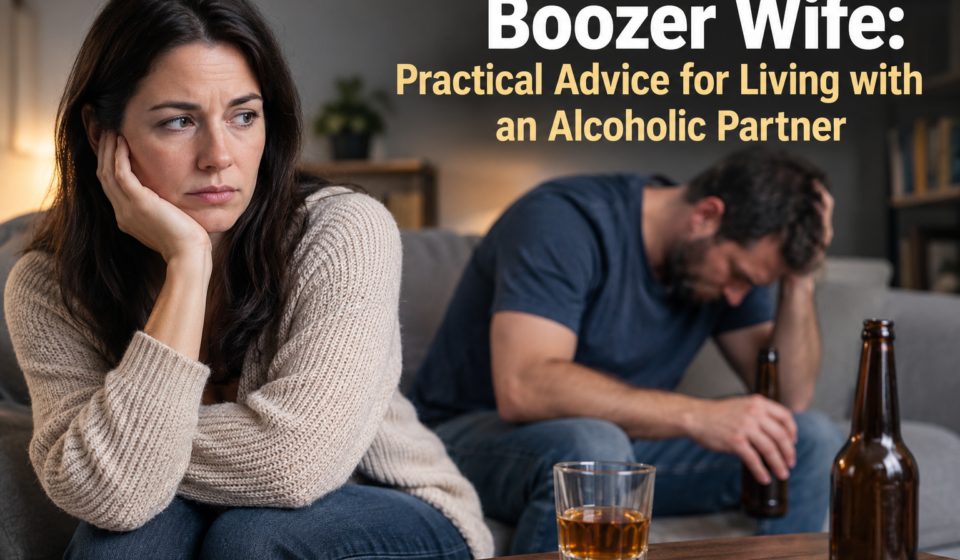

Living with a partner who struggles with alcohol can be emotionally exhausting. It can affect your relationship, family life, finances, and mental well-being. You may feel worried, disappointed, lonely, or unsure about what to do next. When someone you love drinks heavily, Boozer Wife, she can be difficult to balance your concern for them with your own needs.
The term “boozer wife” is sometimes used to describe a wife living with a husband who drinks excessively. However, alcohol problems can affect partners of any gender. The most important thing to understand is that you cannot control another person’s drinking. You can offer support, encourage professional treatment, and protect your own well-being.
Living with an alcoholic partner does not mean you have to accept harmful behavior. With clear boundaries, reliable support, and practical steps, you can make informed decisions about your relationship and your future.
Understanding Life with an Alcoholic Partner
Alcohol misuse can gradually change the atmosphere in a relationship. A partner who once seemed dependable may become unpredictable, withdrawn, irritable, or emotionally unavailable when drinking. Plans may be cancelled, arguments may become more frequent, and promises to stop drinking may not last.
These experiences can leave a spouse feeling as though they must constantly monitor the situation. You may find yourself checking how much your partner has consumed, worrying about their safety, or trying to prevent disagreements. Over time, this stress can affect your sleep, confidence, and sense of security.
It is important to remember that alcohol use disorder is a recognized health condition, not simply a lack of willpower. At the same time, understanding the condition does not excuse abusive behavior, broken agreements, or neglect. You can care about your partner while recognizing the harm their drinking causes.
Recognizing the Signs of Problem Drinking
One of the first steps is recognizing when drinking has become more than an occasional habit. Your partner may drink more often than intended, struggle to stop once they start, or continue drinking despite serious problems at home or work. They may also hide alcohol, become defensive when questioned, or repeatedly promise to change without following through.
Other signs can include neglecting family responsibilities, spending money needed for household expenses, missing work, or drinking to cope with stress. Some people become angry or emotionally distant when drinking. Others may appear calm but still struggle to meet their responsibilities.
Not every person who drinks heavily has the same symptoms. Only a qualified healthcare professional can assess whether someone has alcohol use disorder. However, you do not need a formal diagnosis to recognize that drinking is damaging your relationship. If alcohol repeatedly creates fear, financial problems, or emotional distress, those concerns deserve attention.
Talk to Your Partner at the Right Time
Talking about alcohol can be difficult, especially if your partner becomes defensive. Choosing the right moment can make the conversation more productive. Avoid starting a serious discussion while your partner is intoxicated, angry, or experiencing withdrawal symptoms. Instead, wait until they are sober and the environment feels calm and safe.
Begin by explaining how their drinking affects you. Use clear statements about your own experience rather than insults or accusations. For example, you might explain that you feel worried when they drink and drive, or that you feel lonely when alcohol takes priority over spending time together. Specific examples can help communicate the problem without turning the discussion into a personal attack.
Listen to their response, but do not feel responsible for convincing them in a single conversation. Your partner may deny the problem, become upset, or agree to seek help. Change often takes time, and one discussion rarely resolves a long-standing alcohol problem. Focus on expressing your concerns honestly and identifying the next practical step.
Set Healthy Boundaries in Your Relationship
Boundaries help you decide what behavior you will accept and how you will respond when it occurs. They are not punishments designed to force your partner to stop drinking. Instead, they protect your emotional health, safety, finances, and family responsibilities.
For example, you can decide that you will not argue when your partner is intoxicated. You might also refuse to lend money for alcohol, cover up repeated drinking-related absences, or allow an intoxicated person to drive your children. These decisions focus on actions you can control rather than trying to control your partner.
A boundary should be clear, realistic, and something you can maintain. You might say that you will leave the room when shouting begins or stay with a trusted relative if the home becomes unsafe. Avoid making threats you cannot safely carry out. If your partner responds with intimidation or violence, prioritize safety rather than trying to enforce a boundary during a confrontation.
Encourage Professional Help Without Taking Responsibility
Professional support can help a person understand their drinking patterns and explore treatment options. Depending on their needs, treatment may involve a doctor, addiction specialist, therapist, outpatient program, or residential rehabilitation service. Some people benefit from medication alongside counseling and ongoing recovery support.
You can encourage your partner to speak with a healthcare professional. Offer to help them arrange an appointment or accompany them if they want support. It may also help to discuss how alcohol affects their health, relationships, employment, and daily life. Keep the conversation respectful, but do not minimize the seriousness of the problem.
Your partner must take responsibility for their own recovery. You cannot make them attend treatment, remain sober, or follow medical advice. If they refuse help, you can still seek counseling for yourself and learn how to respond to difficult situations. Your well-being matters even when your partner is not ready to change.
It is also important to avoid encouraging someone who drinks heavily every day to stop suddenly without medical advice. Alcohol withdrawal can be dangerous and may cause seizures or severe confusion. A healthcare professional can help determine whether supervised withdrawal treatment is needed.
Protect Your Mental and Emotional Health
Living with a partner who misuses alcohol can leave you feeling constantly alert. You may worry about what mood they will be in when they return home or whether another disagreement will begin. This ongoing stress can gradually reduce your confidence and make it harder to enjoy ordinary activities.
Make time for activities that help you feel grounded. This might include walking, reading, maintaining friendships, practicing relaxation techniques, or spending time on a personal interest. These activities will not solve your partner’s alcohol problem, but they can help you preserve parts of your life that are not defined by it.
You should also consider speaking with a qualified counselor or therapist. Individual counseling can help you process disappointment, manage anxiety, and make decisions without feeling pressured by your partner’s behavior. Seeking support is not a sign that you have failed in your marriage. It is a practical way to care for yourself during a difficult period.
Find Support Outside Your Relationship
Isolation can make an alcohol-related problem feel even more overwhelming. You may avoid telling friends or relatives because you feel embarrassed or worry that they will judge your partner. However, keeping everything secret can leave you without the emotional and practical support you need.
Choose one or two trustworthy people who can listen without making the situation more difficult. Explain what has been happening and tell them what kind of help would be useful. You may need someone to talk to, a safe place to stay during an argument, or assistance with childcare when your partner is unable to help.
Support groups for family members of people with alcohol problems can also provide valuable guidance. Al-Anon offers support for people affected by someone else’s drinking, while SMART Recovery Family & Friends provides a different approach to coping and communication. Availability varies by location, and online meetings may be useful when local options are limited.
Remember that support does not require you to share every private detail with everyone. You can choose what to disclose and to whom. The goal is to build a dependable support network so that you do not have to manage every challenge alone.
Protect Your Finances and Household Stability
Alcohol misuse can create financial pressure when money is spent on drinking, employment becomes unstable, or household responsibilities are neglected. Financial stress may also make it harder to decide whether to stay in the relationship or live separately.
Start by understanding your household finances. Know which bills must be paid, what money is available for essentials, and whether you can access the funds needed for food, housing, transport, and healthcare. Keep important financial records and identification documents somewhere secure and accessible to you.
If your partner repeatedly spends money needed for essential expenses, consider practical ways to protect your financial stability. Depending on your circumstances, this may involve maintaining a separate account, reviewing shared financial commitments, or obtaining independent financial or legal advice. Make sure any changes are lawful and safe in your situation.
Do not take on debt simply to cover the consequences of your partner’s drinking without carefully considering the long-term impact. You are not obligated to rescue your partner from every financial consequence. If you are worried about coercion, financial control, or retaliation, seek confidential advice before making major changes.
Protect Children from the Effects of Alcohol Misuse
When children live in a home affected by alcohol, they may notice more than adults realize. They might hear arguments, observe unpredictable behavior, or worry when a parent is unavailable. Some children blame themselves for family problems, while others try to become unusually responsible to keep the household calm.
Reassure children that adult drinking problems are not their fault. Explain the situation in an age-appropriate way without asking them to take sides or manage their parent’s behavior. Give them opportunities to talk about their feelings and maintain regular routines wherever possible.
Safety must come first. Do not allow an intoxicated person to supervise children when their judgment or ability to respond may be impaired. Never let someone who has been drinking drive children. Arrange a sober, trusted caregiver when necessary, and make a plan for where the children can go if an argument becomes frightening.
If children are exposed to violence, threats, neglect, or other serious risks, seek appropriate professional and local safeguarding support. Protecting children does not mean you must solve your partner’s drinking problem before asking for help.
Know When to Walk Away from an Argument
Alcohol can make difficult conversations less productive. When someone is intoxicated, they may misunderstand what you say, repeat the same accusations, or become increasingly agitated. Trying to settle a major relationship issue under these circumstances can increase stress without producing a useful outcome.
If the conversation becomes circular or hostile, you can end it calmly. A short statement such as, “I am willing to discuss this when we are both calm,” may help you avoid getting pulled into another argument. You do not need to defend every decision or answer every accusation.
If it is safe to do so, move to another room or contact someone you trust. Avoid blocking exits, grabbing alcohol away from an aggressive person, or attempting to physically restrain them. If your partner becomes threatening, focus on leaving the immediate danger rather than winning the argument.
Repeated arguments can also indicate a need for professional support. Couples counseling may help some partners improve communication, but it is not appropriate when abuse, intimidation, or coercive control makes honest participation unsafe. In those circumstances, individual support and safety planning should come first.
Recognize the Difference Between Support and Enabling
Supporting a partner means encouraging healthy choices while respecting their responsibility for their own behavior. Enabling occurs when your attempts to protect them repeatedly shield them from the consequences of drinking or cause harm to your own life.
For example, you may choose to help your partner find treatment or attend an appointment. However, repeatedly lying to their employer, making excuses to relatives, or paying alcohol-related debts may allow the pattern to continue without addressing its cause. The difference depends on the situation, but your actions should not require you to sacrifice your own safety or stability.
It is natural to want to protect someone you love from embarrassment or pain. Yet protecting them from every consequence cannot guarantee recovery. Sometimes the most helpful response is to be honest about what happened and allow them to take responsibility for repairing the damage.
This does not mean withdrawing all kindness or refusing reasonable help. It means offering support that encourages healthier decisions instead of maintaining a harmful pattern. You can show compassion while still saying no.
Understand That Recovery Takes Time
Recovery from alcohol use disorder is rarely a simple, predictable process. Some people respond well to treatment early, while others experience setbacks before finding an approach that works. Progress may involve reduced drinking, medically supported withdrawal, ongoing treatment, or sustained abstinence, depending on the person’s circumstances and clinical needs.
A sincere apology or a few alcohol-free days can be encouraging, but lasting change is better judged by consistent actions over time. Look for a willingness to seek professional guidance, follow a treatment plan, communicate honestly, and take responsibility for past harm. Words matter, but behavior provides more reliable evidence of progress.
If your partner experiences a setback, it does not automatically mean recovery is impossible. However, repeated relapses should not require you to ignore your boundaries or accept unsafe behavior. Encourage them to contact their treatment provider and review what additional support may be needed.
You also have the right to decide what progress means for your own relationship. You may need a sustained period of stability before rebuilding trust. Forgiveness, reconciliation, and continued cohabitation are separate decisions, and none should be forced.
Create a Personal Safety Plan
A safety plan is especially important if your partner becomes aggressive, threatens you, drives while intoxicated, or behaves unpredictably. You do not need to wait for a serious injury before taking your concerns seriously. Even if physical violence has never occurred, consider what you would do if a situation suddenly became unsafe.
Identify a trusted person you can contact and a safe place where you could stay if needed. Keep essential identification, medication, keys, important documents, and emergency money accessible when possible. If you are concerned that your partner monitors your phone or internet use, consider how to seek help using a safer device.
If there is an immediate threat, leave the area if you can do so safely and contact local emergency services. In Pakistan, you can seek help from local police or emergency services; availability and procedures depend on your location. A trusted local domestic violence organization may also help you explore confidential safety options.
Avoid announcing a plan to leave during a confrontation if doing so could increase the danger. Separation can be a particularly sensitive time in abusive relationships, so seek individualized advice when possible. Your safety is more important than maintaining appearances or keeping the relationship together at any cost.
Decide What You Need for the Future
Living with an alcoholic partner can make the future feel uncertain. You may wonder whether your partner will recover, whether your relationship can improve, or whether leaving would be the right decision. These questions rarely have easy answers, especially when love, children, finances, and shared responsibilities are involved.
Instead of trying to predict everything, identify what you need in order to live safely and with dignity. You may need honesty about drinking, consistent participation in treatment, freedom from verbal abuse, financial responsibility, or a stable environment for your children. Be specific about the changes that would make the relationship healthier.
Consider discussing your situation with a counselor, trusted adviser, or qualified legal professional if separation is becoming a possibility. You can explore your options without committing to an immediate decision. Having a practical plan may help you feel less trapped, even if you ultimately choose to remain in the relationship.
Above all, remember that your partner’s choices do not determine your worth. You can care deeply about someone and still recognize that the current situation is harming you. Your future deserves the same attention and care that you may have spent giving to your partner.
Conclusion
Living with an alcoholic partner can place a heavy burden on your emotional health, family relationships, and everyday life. The most helpful approach combines honest communication, clear boundaries, professional support, financial awareness, and a strong focus on safety. You can encourage your partner to seek treatment, but you cannot recover on their behalf or force them to change.
If you are struggling with this situation, start with one manageable step. Speak to someone you trust, arrange counseling, learn about treatment options, or create a safety plan if you feel at risk. You do not have to make every decision today, and you do not have to face the problem alone.
A healthy relationship requires respect, responsibility, and safety from both partners. Whether your partner chooses recovery or not, you deserve support, stability, and the opportunity to build a life in which your needs matter too.

[…] for Couples October 18, 2026 HiAnime Best Anime List: Top Rated Series to Stream Free October 18, 2026 Boozer Wife: Practical Advice for Living with an Alcoholic Partner […]
[…] for Couples October 18, 2026 HiAnime Best Anime List: Top Rated Series to Stream Free October 18, 2026 Boozer Wife: Practical Advice for Living with an Alcoholic Partner […]