



















































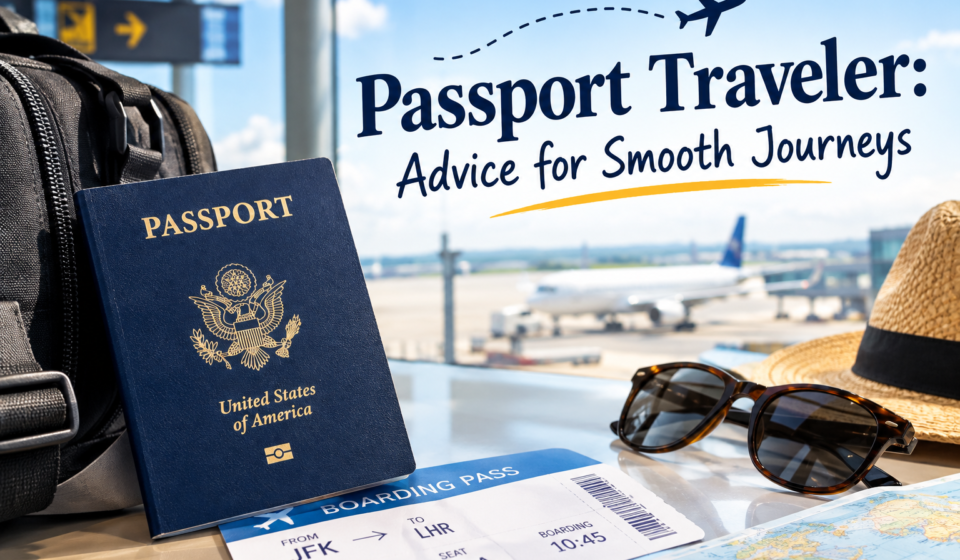

Traveling to new destinations is an exciting experience that allows people to explore different cultures, discover beautiful landscapes, and create unforgettable memories. However, a successful trip requires careful preparation, especially when it comes to travel documents, passport requirements, and airport procedures. Whether you are planning your first international holiday or are an experienced explorer, following the right Passport Traveler advice can make your journey more comfortable, organized, and stress-free.
Being a smart traveler means more than simply booking flights and packing luggage. It involves understanding passport validity, checking visa requirements, preparing essential documents, and knowing how to handle unexpected situations. With proper planning and a few practical travel strategies, you can avoid common problems and enjoy a smoother experience from departure to arrival. This guide explores everything you need to know to become a confident passport traveler.
What Is a Passport Traveler?
A passport traveler is someone who travels domestically or internationally while using a passport as an essential identification and travel document. A passport verifies a person’s identity and nationality and allows them to request entry into other countries, subject to the destination’s immigration rules. For international travelers, it is one of the most important documents to prepare before leaving home.
Modern passport travelers rely on careful planning, digital travel tools, and reliable information to organize their journeys. From checking entry requirements to arranging accommodation and transportation, preparation plays an important role in avoiding unnecessary delays. Whether traveling for leisure, business, education, or family visits, understanding the basics of passport travel makes the experience more manageable.
Preparing Your Passport Before Traveling

Passport preparation is one of the first steps toward a smooth international journey. Before booking or confirming your trip, check your passport’s expiration date and make sure it meets the entry requirements of your destination. Some countries require passports to remain valid for several months beyond the planned departure date, while others have different conditions.
It is also important to check that your passport has sufficient blank pages if your destination or transit countries require them. Make sure your personal details are accurate and that the document is in good physical condition. Keep a secure digital copy and a separate photocopy of your passport information page in case the original is lost or stolen. Copies do not replace the original passport but can make it easier to obtain assistance.
Understanding Visa and Entry Requirements
Every country has its own immigration rules, and travelers must understand these requirements before departure. Depending on your nationality, destination, and purpose of travel, you may need a visa, an electronic travel authorization, or other entry documents. Some destinations allow visa-free entry for eligible passport holders, while others require an application well in advance.
Passport travelers should check official government immigration websites or contact the relevant embassy to confirm the latest requirements. You may also need to provide evidence of accommodation, return or onward travel, sufficient funds, or travel insurance. Checking these details early helps prevent denied boarding, unexpected expenses, and complications at border control.
Planning Your Journey for a Smooth Experience
Good travel planning begins with choosing your destination, confirming your travel dates, and arranging transportation and accommodation. Booking flights early can provide more options, while researching local transportation helps you understand how to reach your hotel or other destinations after arrival. Keeping your itinerary organized also makes it easier to manage connections and activities.
A well-prepared traveler should leave enough time between connecting flights and consider possible delays. Save important booking confirmations, hotel details, emergency contacts, and transport information in an easily accessible location. Although a detailed itinerary is helpful, leaving some flexibility in your schedule allows you to adapt to unexpected changes without unnecessary stress.
Packing Essentials for Passport Travelers
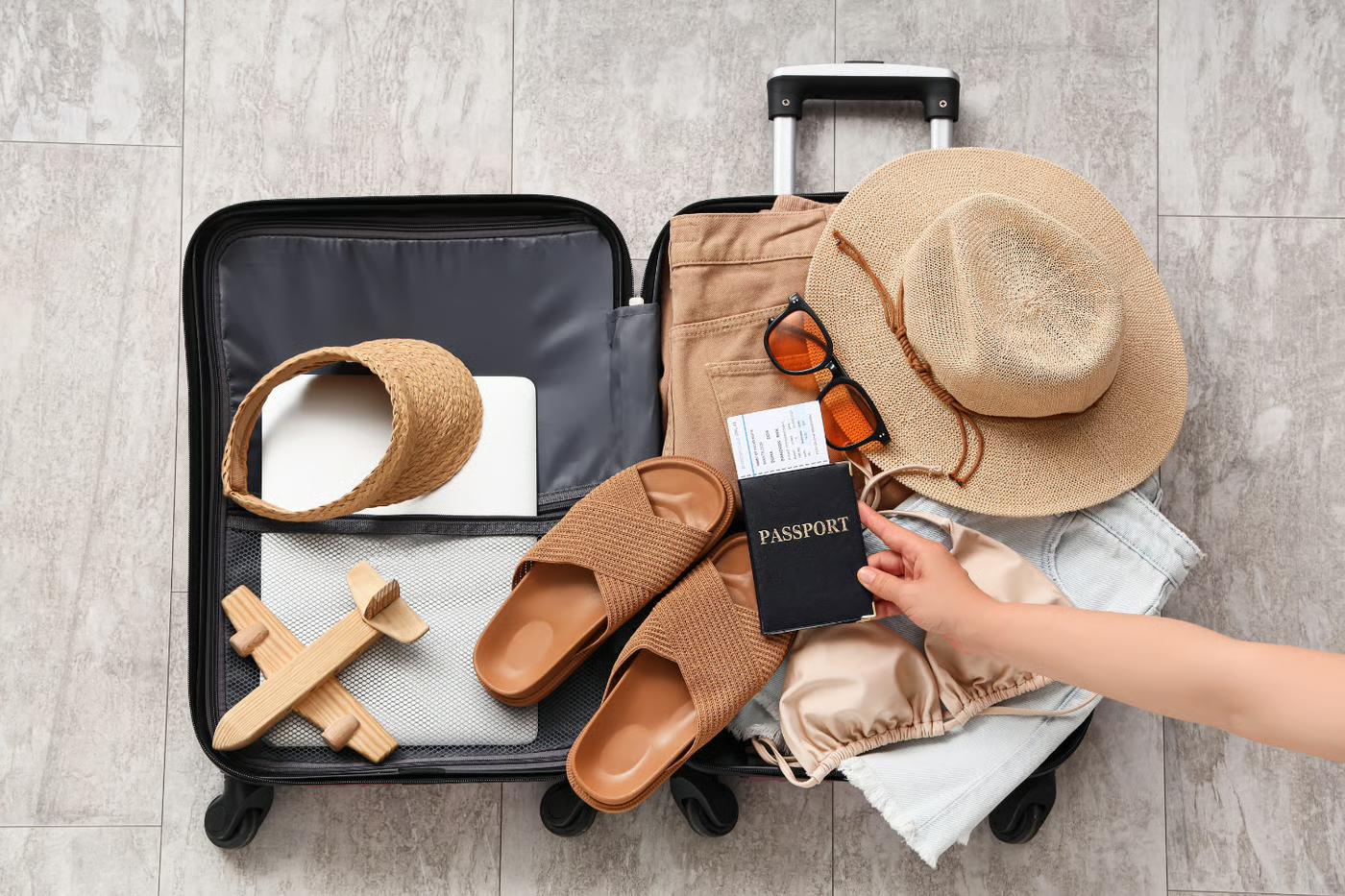
Packing efficiently can make a significant difference to your travel experience. Choose clothing according to the destination’s climate, planned activities, and cultural expectations. Comfortable walking shoes, weather-appropriate clothing, toiletries, and essential personal items should be included based on the length and purpose of your trip.
Keep important travel documents, medication, electronic devices, chargers, and valuables in your carry-on luggage whenever permitted. Check your airline’s baggage allowance and restrictions before packing to avoid additional fees or delays. Organizing belongings into small packing cubes or separate pouches can also help you locate items quickly during your journey.
Airport Tips for a Stress-Free Journey
Airports can be busy and confusing, particularly for travelers visiting them for the first time. Arriving with sufficient time before departure gives you an opportunity to complete check-in, baggage drop-off, security screening, and immigration procedures without rushing. Check your airline’s recommended arrival time and monitor airport announcements for gate changes or boarding updates.
Keep your passport and boarding pass somewhere secure but easily accessible. Follow airport security instructions and make sure your carry-on luggage meets the applicable rules for liquids, electronics, and restricted items. Using online check-in when available and reviewing your flight status before leaving for the airport can help make the departure process more convenient.
Staying Safe While Traveling Abroad
Personal safety should remain a priority throughout every international journey. Before departure, research your destination, understand local customs, and learn about areas where additional caution may be necessary. Keep your valuables secure, avoid displaying large amounts of cash, and remain aware of your surroundings in crowded places such as public transport stations and tourist attractions.
It is also useful to save emergency contact numbers, including local emergency services and your country’s embassy or consulate where applicable. Consider purchasing suitable travel insurance that covers relevant medical expenses, trip interruptions, and lost belongings. Staying connected with trusted family members or friends and sharing your itinerary can provide additional reassurance while traveling.
Managing Money and Travel Expenses
Financial preparation helps travelers avoid unnecessary difficulties in unfamiliar destinations. Research the local currency, typical transportation costs, and accepted payment methods before departure. Inform your bank about your travel plans if necessary, and check whether your debit or credit cards can be used internationally and what fees may apply.
Carrying a reasonable amount of local currency can be useful for small purchases, transportation, or locations that do not accept cards. However, avoid keeping all your money in one place. Setting a realistic travel budget for accommodation, meals, transport, activities, and emergencies can help you manage expenses while enjoying your trip.
Using Technology for Better Travel Experiences

Technology has made international travel easier by helping people organize bookings, navigate unfamiliar cities, and access important information. Travel applications can store itineraries, provide maps, translate languages, and display flight updates. Downloading essential information for offline use is particularly helpful when internet access is limited or expensive.
Digital copies of travel documents can also provide convenient backup access, provided they are stored securely. Use strong passwords, enable device security features, and avoid accessing sensitive accounts over unsecured public Wi-Fi. Although technology is useful, keep physical travel documents accessible because digital copies are not accepted as substitutes for passports at immigration checkpoints.
What to Do If Your Passport Is Lost or Stolen
Losing a passport while traveling can be stressful, but knowing what to do can help you manage the situation. If your passport is lost or stolen, contact the local police when appropriate and report the incident to your country’s nearest embassy or consulate. They can explain the procedures for applying for an emergency travel document or replacement passport.
You may need to provide proof of identity, passport photographs, travel details, and a police report, depending on the circumstances and the relevant country’s procedures. Keep copies of your passport and other identification documents separate from the originals to make the process easier. Contact your airline before traveling with replacement documents to confirm any additional requirements.
Making Your International Journey More Comfortable

Long-distance travel can be tiring, particularly when crossing multiple time zones or spending many hours on a plane. Wearing comfortable clothing, drinking sufficient water, and moving around periodically during long flights can help you feel more comfortable. Bringing a neck pillow, headphones, and a few personal essentials may also make the journey more enjoyable.
After arriving, give yourself time to adjust to the local environment, especially if you are experiencing jet lag. Eat balanced meals, get adequate rest, and plan your first day without an overly demanding schedule. Respecting local traditions and learning a few basic phrases in the local language can also improve interactions and make your experience more rewarding.
Conclusion
Becoming a confident passport traveler starts with preparation, organization, and an understanding of international travel requirements. Checking passport validity, confirming visa conditions, arranging accommodation, and keeping essential documents secure can help prevent common travel complications. By preparing in advance and staying informed, you can make airport procedures easier and enjoy a more comfortable journey.
Every trip offers an opportunity to explore new places, experience different cultures, and create lasting memories. Whether you are traveling for business, leisure, or personal reasons, practical planning and responsible travel habits can make a meaningful difference. With the right preparation, a positive attitude, and flexibility when plans change, you can enjoy smoother journeys and make the most of every travel experience.


[…] Work September 29, 2026 Pediatric Travel Nurse Jobs: A Guide for Adventurous Caregivers September 29, 2026 Passport Traveler: Advice for Smooth Journeys September 29, 2026 […]