


















































If you are wondering whether a green card holder can travel to Canada, the answer is generally yes. U.S. lawful permanent residents can visit Canada, but the documents you need depend partly on how you enter the country. Canada’s current immigration guidance confirms that U.S. permanent residents are exempt from the electronic travel authorization (eTA) requirement.
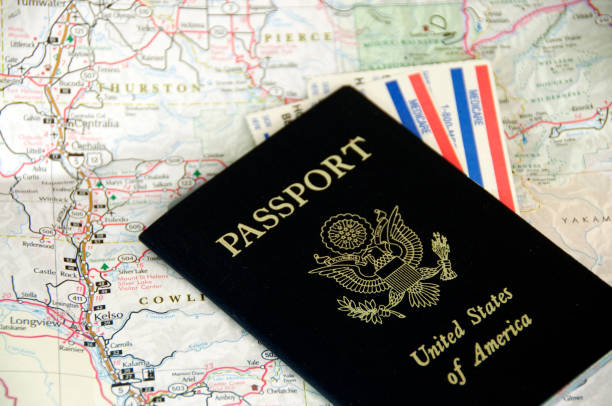
For most trips, a green card holder should carry a valid U.S. permanent resident card and a valid passport from their country of nationality, or another acceptable travel document. The rules are especially important to understand before flying because airlines may check your documents before allowing you to board.
Can a Green Card Holder Travel to Canada?
Yes, a green card holder can travel to Canada for a temporary visit, provided they meet Canada’s entry requirements. U.S. lawful permanent residents are specifically listed by the Government of Canada among travelers who do not need a visitor visa or eTA simply because they are traveling to Canada.
However, having a U.S. green card does not automatically guarantee admission to Canada. A Canadian border services officer can assess your purpose of travel, documents, admissibility and other requirements when you arrive. Visitors must also satisfy Canadian entry rules and should be prepared to explain their plans if asked.
Canada Travel Rules for Green Card Holders by Air
If you are flying from the United States to Canada, you should generally travel with both your valid green card and a valid passport from your country of nationality. Canada’s official guidance specifically identifies these two documents for U.S. lawful permanent residents traveling by air.
A major advantage for green card holders is that you do not need an eTA simply because you are flying to Canada. Canada has exempted U.S. lawful permanent residents from the eTA requirement, including travelers who may otherwise be subject to eTA rules based on their nationality.
This distinction is important because an eTA is normally required for many foreign nationals who fly to Canada. A U.S. green card holder, however, is treated differently because of their U.S. permanent resident status. You should still make sure your passport and proof of U.S. permanent residence are valid before going to the airport.
Canada Travel Rules for Green Card Holders by Land
Traveling by land can be particularly straightforward for U.S. permanent residents entering Canada directly from the United States. According to Canada’s current entry requirements, a lawful permanent resident entering Canada by land directly from the U.S. generally needs to provide a valid green card or equivalent proof of U.S. permanent resident status.
This means a person driving from the United States into Canada may have a different document requirement from someone boarding an international flight. Even though the land rules can be simpler, carrying your valid passport is still a sensible precaution, particularly if your trip involves additional international travel.
Do Green Card Holders Need a Canadian Visa?
Generally, green card holders do not need a Canadian visitor visa solely because they are U.S. permanent residents. Canada states that U.S. permanent residents are among the travelers who do not need a visa or eTA to travel to Canada.
Your nationality can sometimes cause confusion because citizens of certain countries normally require a Canadian visitor visa. However, U.S. lawful permanent residents have a specific exemption from the eTA requirement and are subject to the documentation rules for U.S. permanent residents. Your green card therefore plays an important role in determining your travel requirements.
Do Green Card Holders Need an eTA to Fly to Canada?
No. A U.S. lawful permanent resident with valid status does not need an eTA to fly to Canada. Canada’s official eTA information specifically says that U.S. lawful permanent residents are exempt from the eTA requirement.
For air travel, you should instead be prepared to show your valid passport or acceptable travel document together with your valid green card or other acceptable proof of U.S. permanent resident status. Airline personnel may check these documents before boarding, and Canadian border officials can review them when you arrive.
What Documents Should a Green Card Holder Carry?
The safest basic combination for most green card holders traveling to Canada is a valid passport from the country of nationality and a valid U.S. permanent resident card. Canada also recognizes certain alternative documents as proof of U.S. permanent resident status in specific circumstances.
For example, Canada lists documents such as an unexpired temporary I-551 or ADIT stamp, certain expired green cards accompanied by the appropriate Form I-797 notice, and a valid U.S. re-entry permit among acceptable proof of permanent resident status in particular situations. Travelers with unusual documentation should verify their situation with Canadian authorities before departure.
What If Your Green Card Is Expired?
An expired green card does not necessarily mean you cannot travel to Canada. Canada recognizes certain combinations of an expired Form I-551 and an appropriate Form I-797 notice as acceptable evidence of U.S. permanent resident status in specified circumstances.
Because documentation situations can vary, travelers with an expired card should check the exact document combination they possess before traveling. Airline staff and border officers need to be able to verify your U.S. permanent resident status, so carrying the correct supporting documentation can help prevent unnecessary travel problems.
Traveling to Canada Without a Passport
Some green card holders may have difficulty obtaining a passport from their country of nationality. Canada provides specific guidance for U.S. lawful permanent residents in this situation. Depending on the circumstances, a traveler may use a U.S. Refugee Travel Document or a U.S. Permit to Re-enter together with valid proof of U.S. permanent resident status.
This situation is different from simply forgetting your passport. If you do not have a passport because your home country does not issue one to you, check Canada’s requirements for acceptable alternative travel documents before making travel arrangements.
How Long Can a Green Card Holder Stay in Canada?
For a normal temporary visit, most visitors can stay in Canada for up to six months, although the final period of authorized stay is determined by Canadian border officials. An officer can authorize a shorter or longer period depending on the circumstances.
A visitor should be prepared to demonstrate that the trip is temporary and that they can support themselves during their stay. If an officer has concerns about admissibility, the purpose of the trip, or other entry requirements, additional questions or examination may occur at the border.
Important Rules Before Returning to the United States
Traveling to Canada is only one part of the journey. A green card holder should also consider the requirements for returning to the United States after the Canadian visit. Your U.S. permanent resident status and travel documents should be in order before you leave.
Short trips outside the United States generally do not have the same immigration consequences as prolonged absences, but extended travel can raise questions about maintaining permanent residence. If you plan to remain outside the United States for a long period, it is wise to review U.S. immigration requirements before leaving.
What Can Cause Problems at the Canadian Border?
A green card does not make someone automatically admissible to Canada. Canadian authorities can refuse entry to individuals who are inadmissible for reasons that may include criminal activity, security concerns, certain health or financial issues, or involvement in organized crime or human rights violations.
Previous criminal convictions can be particularly important. Even an offense that seems minor under U.S. law may have immigration consequences in Canada depending on the circumstances. If you have a criminal record or a complicated immigration history, consider obtaining professional immigration advice before traveling.
Land vs. Air Travel for Green Card Holders
The main difference between land and air travel is the documentation requirement. For direct land or water entry from the United States, Canada states that a U.S. permanent resident generally needs a valid green card or equivalent proof of U.S. status. For air travel, Canada requires a valid passport or equivalent travel document along with valid proof of U.S. permanent resident status.
Neither route requires a U.S. green card holder to obtain an eTA. Still, air travelers should be particularly careful about documentation because airline personnel check travel documents before boarding. Carrying your passport and green card together is generally the simplest approach for an international flight to Canada.
Tips for a Smooth Canada Trip
Before leaving the United States, check that your green card and passport are valid and that the names on your travel documents are consistent. Keep your immigration documents accessible during the journey rather than packing them in checked luggage.
It is also helpful to have information about your accommodation, return plans and the purpose of your visit available if a border officer asks. Travelers should answer questions honestly and clearly and should never assume that possession of a green card guarantees entry into Canada.
Conclusion
A green card holder can travel to Canada without obtaining a Canadian eTA, and U.S. lawful permanent residents generally do not need a Canadian visitor visa for a temporary visit. For air travel, the key documents are a valid passport or acceptable travel document and valid proof of U.S. permanent resident status. For direct land travel from the United States, Canada’s rules allow entry using valid proof of U.S. permanent residence.
The most important step is to check your documents before traveling and understand the difference between Canadian entry requirements and U.S. re-entry requirements. Rules can also differ for people with expired cards, alternative travel documents, criminal records or plans to work or study in Canada. When in doubt, consult the current Canadian government requirements before your trip.
FAQs
Can a green card holder travel to Canada without a visa?
Yes. U.S. lawful permanent residents generally do not need a Canadian visitor visa for a temporary visit, and they are exempt from the eTA requirement.
Does a green card holder need an eTA to fly to Canada?
No. U.S. lawful permanent residents are exempt from Canada’s eTA requirement. They should carry a valid passport or acceptable travel document and proof of U.S. permanent resident status.
Can I drive from the U.S. to Canada with only my green card?
For direct entry by land from the United States, Canada states that a U.S. permanent resident generally needs a valid green card or equivalent proof of U.S. permanent resident status.
Do I need my passport when flying to Canada?
Yes. For air travel, Canada requires a U.S. permanent resident to carry a valid passport from their country of nationality or an equivalent acceptable travel document, along with proof of U.S. permanent residence.
Can I travel to Canada if my green card is expired?
Possibly. Canada recognizes certain supporting documents, including particular expired green cards accompanied by qualifying Form I-797 notices. Your exact documentation matters, so verify your situation before traveling.
How long can a green card holder stay in Canada?
Most visitors can stay for up to six months, but a Canadian border services officer determines the authorized period of stay.
Can a green card holder work or study in Canada as a visitor?
A green card does not itself give you permission to work or study in Canada. Work and study can require additional Canadian authorization depending on the activity and duration.
Can Canada refuse entry to a green card holder?
Yes. U.S. permanent resident status does not guarantee admission to Canada. Canadian authorities can determine that a traveler is inadmissible for reasons including certain criminal, security, health or financial concerns.



[…] authoritarian regimes, embodying extreme nationalist ideologies. It prioritizes the state above individual rights and fosters a centralized control over various aspects of […]
[…] document. A passport verifies a person’s identity and nationality and allows them to request entry into other countries, subject to the destination’s immigration rules. For international travelers, it is one of […]