

































Best Travel Clothes for Outdoor Adventures: A Complete Guide to Comfort, Style, and Performance

Choosing the best travel clothes for outdoor adventures can make a significant difference in comfort, convenience, and overall travel experience. Whether you are hiking through mountain trails, exploring national parks, camping in the wilderness, walking along coastal paths, or enjoying an active vacation, the right clothing helps you stay comfortable in changing environments. Outdoor travel often involves different temperatures, unexpected weather, physical activity, and long hours outside, making practical clothing an essential part of packing.
Unlike ordinary everyday outfits, outdoor travel clothing should combine breathability, durability, flexibility, and protection. Lightweight materials can make packing easier, moisture-wicking fabrics help manage perspiration, and weather-resistant layers provide additional comfort when conditions change. Selecting versatile garments also allows you to create multiple outfits without filling your suitcase with unnecessary items.
The best travel clothes for outdoor adventures are not necessarily the most expensive or technical options. They are the garments that match your destination, planned activities, and personal comfort requirements. Understanding fabrics, layering systems, and essential clothing features can help you build a practical wardrobe for your next outdoor journey.
Why Choosing the Right Outdoor Travel Clothing Matters
Outdoor adventures can expose travelers to conditions that ordinary city clothing may not handle comfortably. A long hiking route, for example, can involve direct sunlight, cool morning temperatures, changing wind conditions, and unexpected rain. Wearing suitable clothing helps you adjust to these changes while remaining comfortable throughout the day. Breathable materials and flexible designs are particularly valuable when activities involve continuous movement.
The right clothing can also make traveling more convenient. Lightweight garments take up less space in luggage, while quick-drying fabrics are useful when you need to wash clothes during a longer trip. Instead of packing several heavy outfits, you can select a few versatile pieces that work for hiking, sightseeing, camping, and casual activities.
Durability is another important consideration. Outdoor travel clothing may experience friction from backpacks, repeated washing, exposure to sunlight, and contact with rough surfaces. Garments made with suitable materials and reinforced construction can handle regular use more effectively. Choosing clothing designed for outdoor activities can help you avoid unnecessary discomfort and frequent replacements.
Best Fabrics for Travel Clothes for Outdoor Adventures
Fabric selection is one of the most important parts of choosing outdoor travel clothing. Polyester is widely used in activewear because it is lightweight, moisture-wicking, and generally quick-drying. It works well for T-shirts, base layers, hiking shirts, and sports clothing. Polyester garments are especially useful during warm-weather adventures when managing perspiration is important.
Nylon is another popular material because of its strength and lightweight construction. It is commonly used in hiking pants, outdoor shorts, wind-resistant jackets, and travel accessories. Nylon garments can handle regular movement and are often suitable for travelers who need durable clothing without adding excessive weight to their luggage.
Merino wool offers different advantages. It naturally helps regulate temperature, manages moisture, and resists odors, making it useful for shirts, socks, and base layers. It can be particularly valuable during multi-day trips when access to laundry facilities is limited. However, merino wool garments may require more careful washing and drying than some synthetic alternatives.
| Fabric | Main Benefits | Best Outdoor Travel Use |
|---|---|---|
| Polyester | Lightweight, moisture-wicking, quick-drying | Shirts and activewear |
| Nylon | Durable, lightweight, flexible | Hiking pants and jackets |
| Merino wool | Temperature regulation and odor resistance | Socks and base layers |
| Spandex blends | Stretch and freedom of movement | Leggings and active clothing |
| Cotton blends | Soft and comfortable | Casual activities in dry conditions |
Blended fabrics can also provide a practical combination of comfort and performance. Some garments combine polyester or nylon with elastane to improve stretch, while others blend merino wool with synthetic fibers to increase durability. The best fabric depends on your destination, weather, and the activities you plan to enjoy.
Best Travel Shirts and T-Shirts for Outdoor Adventures
A comfortable shirt is one of the most important items in an outdoor travel wardrobe. Lightweight hiking shirts and moisture-wicking T-shirts are useful for walking, sightseeing, camping, and exploring natural attractions. They help manage perspiration and can feel more comfortable than heavy cotton garments during physically demanding activities.
For warm-weather adventures, look for shirts made from breathable polyester or lightweight nylon blends. These materials generally dry faster than traditional cotton and are easy to wash during extended trips. Some outdoor shirts include ventilation panels, mesh sections, or special fabric construction to improve airflow. Long-sleeved options can also provide additional coverage from direct sunlight.
Merino wool T-shirts are another excellent choice for travelers who value natural temperature regulation and odor resistance. They are versatile enough for outdoor activities and casual everyday wear. A small collection of neutral-colored shirts can be combined with different pants and shorts, helping you create several outfits without carrying too much clothing.
When choosing outdoor travel shirts, pay attention to fit and comfort. Tight clothing may restrict movement, while excessively loose designs can become inconvenient during hiking or backpacking. A comfortable shirt should allow your arms and shoulders to move naturally while providing suitable coverage for your planned activities.
Best Hiking Pants and Shorts for Outdoor Travel
Hiking pants are essential for travelers who plan to explore trails, forests, mountains, or other outdoor destinations. The best designs combine durability, flexibility, and lightweight construction. Nylon and polyester blends are common choices because they can handle regular movement while remaining relatively easy to clean and maintain.
Many outdoor travel pants include practical features such as adjustable waistbands, stretch panels, reinforced knees, and secure pockets. These details can make a difference during long walks and active adventures. Some designs also feature convertible legs that allow travelers to transform full-length pants into shorts when temperatures rise.
Quick-drying shorts are particularly useful for summer trips, coastal adventures, and tropical destinations. They provide ventilation and allow greater freedom of movement during outdoor activities. Look for comfortable waistbands, breathable fabrics, and pockets that keep small essentials secure while walking.
For travelers visiting destinations with changing temperatures, lightweight hiking pants may offer more versatility than shorts. They provide additional coverage and can be worn during cool mornings, windy conditions, and activities involving dense vegetation. Selecting one or two versatile bottoms can help reduce packing requirements while keeping your wardrobe practical.
Best Jackets and Weather-Resistant Layers
Weather can change unexpectedly during outdoor adventures, so carrying a suitable jacket is important. A lightweight windbreaker can help protect against cool breezes while taking up relatively little space in a backpack. Nylon and polyester jackets are common options because they are lightweight and generally easy to maintain.
Rain jackets are useful for destinations where showers or wet weather are expected. Look for waterproof or water-resistant construction, a comfortable hood, adjustable cuffs, and ventilation features. Remember that water-resistant and waterproof garments offer different levels of protection. A water-resistant jacket may handle light moisture, while a waterproof design is more appropriate for sustained rain when properly constructed.
For colder destinations, fleece and insulated jackets can provide additional warmth. Synthetic insulation is often a practical option for outdoor travel because some designs retain useful insulating properties even in damp conditions. Merino wool sweaters and mid-layers can also be included in a flexible clothing system.
The most effective approach is layering. Instead of relying on one heavy jacket, wear a comfortable base layer, an insulating middle layer, and an appropriate outer shell. This makes it easier to adjust your clothing as temperatures and activity levels change throughout the day.
Best Travel Clothes for Camping and Hiking Trips
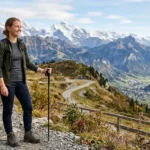
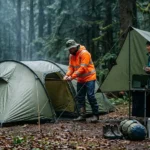
Camping and hiking require clothing that balances comfort, durability, and practical performance. During these adventures, travelers may spend several hours walking, setting up tents, preparing meals, and exploring outdoor environments. Clothing should allow unrestricted movement while handling changing temperatures and repeated use.
Moisture-wicking shirts, flexible hiking pants, comfortable socks, and supportive outer layers are useful starting points. Avoid relying entirely on heavy cotton clothing during demanding activities because cotton can hold moisture and take a long time to dry. Synthetic fabrics and lightweight merino wool are often more practical alternatives for active outdoor use.
Footwear is just as important as clothing. Hiking shoes or boots should match the terrain and provide suitable support, traction, and comfort. Pairing them with appropriate socks can help reduce friction and improve the experience during longer walks. Always test new footwear before starting a demanding outdoor trip.
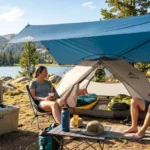
For camping, consider bringing an extra warm layer for evenings when temperatures may drop. Even destinations that feel warm during the day can become cool after sunset. A lightweight fleece, insulated jacket, or thermal base layer can provide useful additional warmth without requiring excessive luggage space.
Best Travel Clothes for Different Outdoor Weather Conditions
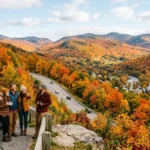
Outdoor destinations require different clothing depending on temperature, humidity, wind, and rainfall. Warm-weather travel generally calls for lightweight, breathable garments that allow airflow. Moisture-wicking shirts, quick-dry shorts, comfortable socks, and sun-protective clothing are useful for tropical destinations and summer adventures.
Cold-weather travel requires a more structured layering system. Start with a moisture-managing base layer, add an insulating middle layer, and finish with an outer jacket suitable for the expected conditions. Merino wool and synthetic base layers can provide useful warmth without adding unnecessary bulk.
Rainy destinations require additional attention to outerwear and footwear. A waterproof jacket, suitable rain pants, and water-resistant footwear may help you remain more comfortable during wet conditions. Pack clothing in waterproof or water-resistant bags when traveling through areas where heavy rain is possible.
| Weather Condition | Recommended Clothing | Useful Features |
|---|---|---|
| Hot and sunny | Lightweight shirts and shorts | Breathability and sun protection |
| Cool and windy | Long-sleeved shirts and windbreakers | Lightweight insulation |
| Cold conditions | Thermal base layers and insulated jackets | Warmth and layering |
| Rainy weather | Waterproof shell and suitable trousers | Weather protection |
| Humid conditions | Moisture-wicking clothing | Quick-drying performance |
Checking the local forecast before departure can help you select the right clothing combination. It is also useful to prepare for small temperature changes rather than packing only for the average daytime conditions.
How to Pack Travel Clothes for Outdoor Adventures
Packing efficiently helps keep outdoor travel organized and reduces the weight you need to carry. Start by creating a list of clothing based on your itinerary. Consider how many days you will spend outdoors, whether laundry facilities are available, and whether your activities require specialized garments. This prevents you from packing clothing that you may never use.
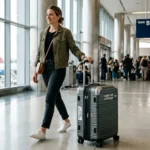
Choose versatile pieces that can be combined into multiple outfits. Neutral colors such as black, gray, navy, olive, and beige are easy to coordinate. A lightweight shirt can work with hiking pants during the day and casual trousers during an evening outing. This approach reduces the number of garments needed for a longer journey.
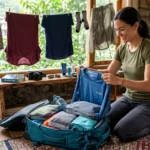
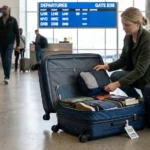
Packing cubes can help organize shirts, underwear, socks, and other essentials. Keep frequently used items in an accessible section of your backpack or suitcase. Separate clean clothing from worn garments using a breathable laundry bag, particularly during multi-day adventures.
Avoid overpacking heavy clothing when lighter layering options can provide similar flexibility. A carefully selected collection of shirts, bottoms, base layers, socks, and weather-appropriate outerwear is often more useful than a suitcase filled with bulky outfits.
Tips for Choosing Comfortable and Durable Outdoor Travel Clothing
Comfort should be one of your main priorities when purchasing outdoor travel clothes. A garment may have impressive technical features, but it will not be useful if the fit is uncomfortable. Try clothing before your trip and check whether it allows natural movement when walking, bending, sitting, and carrying a backpack.
Durability is equally important. Inspect stitching, seams, zippers, buttons, and other construction details before purchasing. Reinforced areas can be especially useful in hiking pants and outdoor jackets because these garments may experience regular friction and movement. Reading product information and customer feedback can also help you understand how a garment performs over time.
Consider the amount of maintenance required. Some outdoor clothing can be machine-washed and dried easily, while delicate fabrics may require special care. If you expect to wash clothes during your journey, choose garments with practical cleaning instructions and reliable drying performance.
Finally, avoid buying clothing based only on appearance. Outdoor travel garments should match the conditions and activities you expect to encounter. A simple, comfortable, and durable wardrobe is often more useful than a collection of fashionable pieces that are unsuitable for your itinerary.
Conclusion
The best travel clothes for outdoor adventures combine comfort, breathability, durability, and versatility. Lightweight shirts, flexible hiking pants, quick-dry shorts, merino wool socks, thermal base layers, and weather-resistant jackets can help you prepare for different activities and changing environmental conditions. Choosing appropriate fabrics and practical designs makes it easier to enjoy hiking, camping, sightseeing, and other outdoor experiences.
Before packing, consider your destination, weather forecast, planned activities, and access to laundry facilities. Focus on garments that work together, provide comfortable movement, and meet your outdoor requirements. With a carefully selected travel wardrobe, you can pack more efficiently and feel better prepared for your next adventure.
Frequently Asked Questions
What are the best travel clothes for outdoor adventures?
The best options include moisture-wicking shirts, lightweight hiking pants, quick-dry shorts, comfortable socks, merino wool base layers, and weather-resistant jackets. Your selection should match the destination and planned activities.
Which fabric is best for outdoor travel clothing?
Polyester and nylon are popular choices because they are lightweight and practical for active use. Merino wool is also useful because it helps regulate temperature and naturally resists odors.
Are quick-dry clothes good for hiking?
Yes, quick-drying clothing is useful for hiking because it can help manage perspiration and dry more quickly after washing or getting wet. Lightweight synthetic fabrics are common options for hiking shirts and pants.
Should I wear cotton clothes for outdoor adventures?
Cotton can be comfortable for casual activities in dry weather, but it generally holds moisture and dries slowly. For demanding outdoor activities, moisture-wicking synthetic fabrics or merino wool may be more practical.
What should I wear for outdoor adventures in cold weather?
A layering system is a practical choice. Wear a moisture-managing base layer, an insulating middle layer, and a weather-resistant outer jacket suited to the expected conditions.
How many outfits should I pack for a week-long outdoor trip?
Your packing needs depend on the itinerary and laundry access. A few versatile shirts, two or three bottoms, suitable base layers, enough underwear and socks, and one or two weather-appropriate outer layers can provide a useful starting point.
Are merino wool clothes suitable for hiking?
Yes, merino wool shirts, socks, and base layers are popular for hiking because they offer temperature regulation, moisture management, and natural odor resistance.
What type of jacket is best for outdoor travel?
The best jacket depends on the weather. A lightweight windbreaker is useful for breezy conditions, while a waterproof shell is better for rain. Insulated or fleece jackets provide additional warmth in colder environments.
How can I pack outdoor clothes without taking too much luggage?
Choose lightweight, versatile garments in coordinating colors. Use packing cubes, avoid unnecessary duplicates, and select clothing that can be worn for several activities.
Are outdoor travel clothes worth buying?
Yes, suitable outdoor clothing can improve comfort and convenience during hiking, camping, and active vacations. Durable, breathable, and versatile garments can also be useful for everyday travel.
