

































Best Hiking Clothes for Hot Weather: A Complete Guide to Staying Cool and Comfortable on the Trail

Choosing the best hiking clothes for hot weather is essential for staying comfortable, protecting your skin, and enjoying outdoor adventures during warmer months. Whether you are exploring mountain trails, walking through forests, visiting national parks, or hiking in dry desert environments, the right clothing can make a significant difference. Hot temperatures, direct sunlight, humidity, and excessive sweating can make hiking uncomfortable when you wear unsuitable fabrics or poorly designed garments.
Unlike ordinary everyday clothing, hiking clothes are designed to support movement, manage moisture, and provide protection from changing outdoor conditions. Lightweight materials, breathable construction, ventilation panels, and sun-protective features can help you stay more comfortable throughout your journey. Choosing appropriate clothing also helps reduce friction and makes it easier to manage perspiration during longer hikes.
The best hiking clothes for hot weather should combine breathability, comfort, durability, and practical sun protection. Understanding different fabrics, clothing styles, and layering options will help you create a hiking wardrobe that works for your destination and activity level.
Why Choosing the Right Hiking Clothes Matters in Hot Weather
Hot-weather hiking places additional demands on your clothing. As your body becomes warmer during physical activity, you naturally sweat to regulate temperature. Clothing that traps moisture or prevents airflow can make you feel uncomfortable and increase skin irritation. Breathable hiking garments allow better ventilation and help manage moisture during extended outdoor activities.
Sun exposure is another important consideration. Hiking trails often have limited shade, particularly in open fields, mountain areas, and desert environments. Clothing with suitable coverage can help protect your arms, shoulders, neck, and legs from direct sunlight. Some hiking garments also feature ultraviolet protection ratings, commonly identified as UPF, which indicate how effectively fabric blocks ultraviolet radiation.
Comfort and freedom of movement are equally important. Hiking may involve climbing, bending, stepping over rocks, and walking across uneven terrain. Clothes that stretch naturally and fit comfortably can make these movements easier. Choosing the right garments before leaving home can help prevent unnecessary discomfort and allow you to focus on enjoying the trail.
Best Fabrics for Hiking Clothes in Hot Weather
Fabric selection is one of the most important parts of building a warm-weather hiking wardrobe. Polyester is a popular choice because it is lightweight, durable, and generally dries faster than cotton. Many hiking shirts use moisture-wicking polyester to help move perspiration away from the skin, making it useful for strenuous activities in warm conditions.
Nylon is another practical material for outdoor clothing. It offers good durability and is commonly used in hiking pants, shorts, lightweight jackets, and sun shirts. Nylon garments can handle regular movement and contact with outdoor surfaces while remaining relatively lightweight. Some designs also include elastane to provide additional stretch.
Merino wool is a natural option for hikers who want temperature regulation and odor resistance. Lightweight merino wool can be comfortable in different conditions, although its drying speed varies depending on fabric weight and construction. Cotton is generally less suitable for strenuous hot-weather hiking because it absorbs moisture and dries slowly, which can leave clothing feeling damp and uncomfortable.
| Fabric | Main Benefits | Best Hiking Clothing |
|---|---|---|
| Polyester | Lightweight, moisture-wicking, quick-drying | Hiking shirts and activewear |
| Nylon | Durable, flexible, lightweight | Hiking pants and shorts |
| Merino wool | Temperature regulation and odor resistance | Lightweight shirts and socks |
| Elastane blends | Stretch and freedom of movement | Hiking leggings and flexible pants |
| Lightweight synthetic blends | Balanced comfort and performance | Multi-purpose hiking clothing |
When choosing fabric, consider the trail conditions and expected activity level. Lightweight synthetic materials are often practical for hot and humid environments, while merino wool may be useful for hikers who value natural odor resistance and versatile temperature regulation.
Best Hiking Shirts and Tops for Hot Weather
A breathable hiking shirt is one of the most important pieces of clothing for warm-weather adventures. Lightweight short-sleeved shirts are popular because they allow airflow and provide comfortable coverage during everyday hiking. Polyester and nylon-blend shirts are useful choices because they are generally easy to wash, lightweight, and designed to manage perspiration.
For trails with strong sunlight, long-sleeved hiking shirts can provide additional skin coverage. Many outdoor shirts include UPF-rated fabric, ventilation panels, and roll-up sleeves. These features can make long-sleeved designs practical even when temperatures are high. A loose but comfortable fit can also help improve airflow around the body.
Moisture-wicking construction is another feature worth considering. Shirts designed for active use help move sweat away from the skin, allowing it to evaporate more easily. Some designs include mesh panels around the back or underarms to improve ventilation in areas where heat and perspiration tend to accumulate.
A good hiking top should also dry reasonably quickly after washing or getting wet. This is particularly useful during multi-day hiking trips when laundry facilities may not be available. Neutral and light-colored shirts can be practical because they are easy to combine with different hiking bottoms and may absorb less solar heat than darker colors under direct sunlight.
Best Hiking Shorts and Lightweight Pants
Hiking shorts are a comfortable option for many warm-weather trails. They provide greater airflow around the legs and allow unrestricted movement during climbing and walking. Look for lightweight nylon or polyester designs with flexible waistbands, comfortable seams, and secure pockets. These features can make shorts practical for both short walks and longer outdoor adventures.
However, shorts are not ideal for every hiking environment. Trails with dense vegetation, sharp rocks, insects, or strong sun exposure may require additional leg coverage. Lightweight hiking pants offer protection while still allowing ventilation. Many modern designs include stretch panels, breathable fabric, adjustable cuffs, and quick-drying construction.
Convertible hiking pants can also be useful for travelers who want flexibility. These designs allow the lower sections to be removed or adjusted, depending on the model. They can provide additional coverage in the morning and more airflow when temperatures increase. Before choosing convertible pants, check whether the zippers and seams feel comfortable during movement.
The best option depends on your destination and personal preferences. Shorts may work well for open, established trails, while lightweight pants can be more practical for exposed environments where skin protection is a priority.
Best Hiking Socks and Underwear for Hot Conditions
Socks and underwear are easy to overlook when selecting hiking clothes, but they have a major influence on comfort. During hot-weather hiking, feet may become sweaty, especially when wearing closed hiking shoes or boots. Moisture-managing socks can help keep feet more comfortable and reduce the likelihood of friction that may contribute to blisters.
Synthetic hiking socks made from polyester, nylon, and elastane blends are popular because they are generally lightweight and quick-drying. Lightweight merino wool socks are another option because they offer moisture management and natural odor resistance. Choose a thickness that works with your footwear and provides appropriate cushioning without making your shoes feel too tight.
Underwear should provide a comfortable fit and reduce friction during extended walking. Moisture-wicking synthetic fabrics are practical for warm conditions because they generally dry faster than cotton. Look for flat seams, breathable panels, and flexible waistbands to improve comfort throughout the day.
For longer hikes, carrying an extra pair of socks can be helpful. Changing into a dry pair during a break may improve comfort if your feet become particularly sweaty or your original socks get wet.
Best Hiking Hats and Sun-Protective Accessories
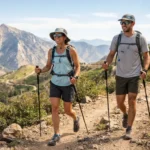
Protecting your head and face is an important part of hot-weather hiking preparation. A lightweight hiking hat can provide shade and reduce direct sunlight exposure. Baseball caps are convenient for everyday trails, while wide-brimmed hats offer additional coverage around the ears and neck.
Some hiking hats include breathable mesh panels, adjustable straps, and moisture-managing sweatbands. These features can improve comfort during extended outdoor activities. For especially sunny destinations, consider a hat with a wide brim and a design that stays securely in place when walking in windy conditions.
A lightweight sun shirt or neck-covering accessory can provide additional coverage when hiking through exposed areas. Sunglasses with appropriate UV protection can help protect your eyes from sunlight and glare. Sunscreen remains important even when wearing protective clothing, particularly on exposed areas such as the face, hands, and lower legs.
Choosing clothing with a UPF rating can also provide more reliable information about fabric sun protection than relying on color or thickness alone. Remember that coverage and protection may change when clothing becomes stretched, worn, or wet, depending on the garment.
How to Choose the Best Hiking Clothes for Hot Weather
Selecting the right hiking wardrobe starts with understanding your destination. A humid forest trail may require different clothing from a dry desert route or an exposed mountain path. Consider the expected temperature, humidity, sunlight, vegetation, insects, and availability of shade before deciding what to wear.
Breathability should be one of your main priorities. Look for lightweight materials, ventilation panels, and comfortable fits that allow airflow. Moisture-wicking fabrics are useful for managing perspiration, while quick-drying construction can make washing and drying clothing easier during longer trips.
Sun protection should also influence your choices. Long-sleeved shirts, lightweight pants, wide-brimmed hats, and UPF-rated fabrics can help provide coverage during exposed hikes. Even in hot weather, covering more skin with breathable fabric may be more practical than wearing very little clothing in areas with intense sunlight.
Fit and flexibility matter just as much as fabric. Hiking clothes should allow you to raise your arms, bend your knees, climb, and walk without unnecessary restriction. Avoid garments with uncomfortable seams, tight waistbands, or rough materials that may cause irritation during extended movement.
Finally, consider durability and care requirements. Hiking clothes should withstand repeated washing, regular movement, and contact with outdoor surfaces. Choosing versatile garments that work across several activities can also reduce the amount of clothing you need to pack.
Tips for Staying Cool While Hiking in Hot Weather
Wearing suitable clothing is only one part of staying comfortable during warm-weather hiking. Planning your activity around temperature and sunlight can also make a significant difference. Whenever possible, begin your hike early in the morning or later in the afternoon, when temperatures may be lower. Avoid strenuous activity during the hottest part of the day, especially when heat warnings are in effect.
Drink water regularly and carry enough for the length and difficulty of your route. During prolonged exercise in hot conditions, electrolytes may also be useful, depending on sweat loss and individual needs. Do not wait until you feel extremely thirsty before taking a drink.
Take breaks in shaded areas whenever possible. Removing unnecessary layers, loosening tight clothing, and allowing sweat to evaporate can help improve comfort. However, avoid exposing your skin to excessive sunlight simply to feel cooler. Lightweight sun-protective clothing can provide coverage without requiring heavy garments.
Check weather conditions before leaving and be prepared to adjust your plans if temperatures become dangerous. Recognize warning signs of heat-related illness, including dizziness, nausea, unusual weakness, headache, and confusion. Stop activity and seek appropriate help if concerning symptoms develop.
Conclusion
The best hiking clothes for hot weather combine breathable fabrics, lightweight construction, moisture management, and practical sun protection. Moisture-wicking shirts, flexible hiking shorts, lightweight pants, comfortable socks, and protective hats can help create a versatile wardrobe for warm outdoor adventures. Choosing suitable clothing allows you to move comfortably while managing sweat and exposure to sunlight.
Before purchasing hiking clothes, consider your destination, weather conditions, trail difficulty, and personal comfort preferences. Prioritize breathable synthetic fabrics, suitable UPF protection, comfortable fits, and durable construction. With the right clothing and sensible hiking preparation, you can enjoy warmer-weather trails while staying more comfortable and better protected.
Frequently Asked Questions
1. What are the best hiking clothes for hot weather?
The best options include lightweight moisture-wicking shirts, breathable hiking shorts or pants, quick-drying socks, comfortable underwear, and sun-protective hats. Choose garments that provide airflow and allow unrestricted movement.
2. Is polyester good for hot-weather hiking?
Yes, lightweight polyester is a popular hiking fabric because it is durable, moisture-wicking, and generally quick-drying. It is commonly used in shirts, activewear, and outdoor clothing.
3. Should I wear shorts or pants when hiking in hot weather?
Both can work depending on the trail. Shorts provide more airflow, while lightweight pants offer additional protection against sunlight, insects, and vegetation.
4. Is cotton suitable for hiking in hot weather?
Cotton can feel comfortable during casual activities, but it is generally less suitable for strenuous hiking because it absorbs moisture and dries slowly. Lightweight synthetic fabrics are often more practical.
5. Are long-sleeved shirts better for hot-weather hiking?
Long-sleeved shirts can provide useful protection from direct sunlight when made from lightweight, breathable fabric. UPF-rated designs are worth considering for exposed trails.
6. What type of socks should I wear for summer hiking?
Lightweight synthetic or merino wool hiking socks are good options. Choose breathable designs with suitable cushioning and a comfortable fit to reduce friction inside your shoes.
7. What does UPF mean in hiking clothes?
UPF stands for Ultraviolet Protection Factor. It indicates how effectively a fabric blocks ultraviolet radiation. Higher UPF ratings generally provide greater protection when the garment is worn as intended.
8. Are merino wool clothes good for hot-weather hiking?
Lightweight merino wool garments can be comfortable in warm conditions because they help regulate temperature and resist odors. Choose thin designs intended for active use rather than heavy wool clothing.
9. What color hiking clothes are best for hot weather?
Light-colored clothing can reflect more sunlight than darker colors, potentially helping reduce heat absorption in direct sun. However, fabric breathability, fit, and sun protection are also important.
10. How many clothes should I pack for a hot-weather hiking trip?
Your packing needs depend on trip length and access to laundry. A practical starting point includes a few moisture-wicking shirts, two hiking bottoms, enough underwear and socks, a sun-protective hat, and a lightweight extra layer.
