











































How to Pack Fragile Items in Luggage: A Complete Guide to Safe and Stress-Free Travel

Knowing how to pack fragile items in luggage is essential when traveling with delicate belongings such as glassware, electronics, souvenirs, cosmetics, ceramics, and valuable personal accessories. Whether you are preparing for a short vacation, an international journey, or a business trip, proper packing can help protect these items from accidental drops, pressure, and movement during transportation.
Luggage often experiences unexpected handling at airports, in vehicles, and during hotel transfers. Even when you carry your suitcase carefully, sudden movements and pressure from other bags can put delicate belongings at risk. Without suitable protection, fragile objects may crack, break, leak, or become damaged before reaching your destination.
Fortunately, you do not need expensive packing equipment to protect most delicate items. With suitable wrapping materials, careful organization, and a little planning, you can reduce the risk of damage and use your luggage more efficiently. Understanding how to pack fragile items in luggage will help you travel with greater confidence and keep your important belongings safer throughout your journey.
Choose the Right Luggage for Fragile Items
Selecting suitable luggage is the first step toward protecting delicate belongings. A hard-shell suitcase can provide a structured exterior that helps protect packed items from some external pressure and everyday impacts. Polycarbonate and polypropylene suitcases are popular choices because they combine relatively low weight with flexibility. However, no suitcase can guarantee complete protection against rough handling.
Soft-sided luggage can also work for fragile belongings when it has sufficient internal padding and a well-organized structure. Some designs include additional compartments that make it easier to separate delicate items from heavier belongings. The most important consideration is choosing a suitcase that provides enough room to pack everything securely without forcing items into tight spaces.
The size of your luggage also matters. An overcrowded suitcase creates unnecessary pressure on its contents, increasing the possibility of breakage. Choose a bag with enough space for protective materials and arrange fragile objects where they will not be squeezed by clothing, shoes, or other heavy items.
Gather the Right Packing Materials
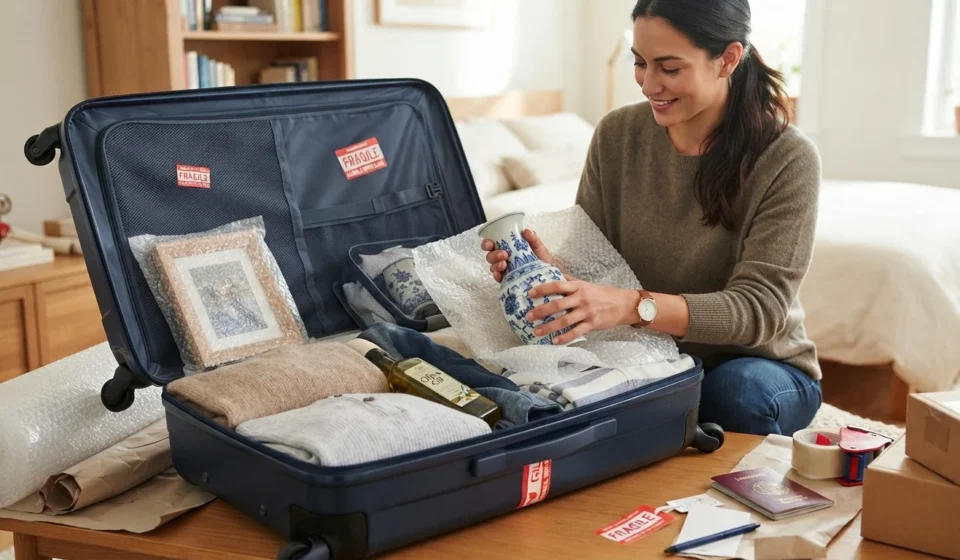
Protective packing materials help absorb movement and reduce direct contact between delicate objects. Bubble wrap is one of the most useful options because its air-filled pockets provide cushioning around fragile surfaces. It works particularly well for glassware, ceramics, decorative pieces, and small electronics that need additional protection.
Packing paper, soft towels, and clothing can also provide useful cushioning. Clean socks are suitable for protecting small accessories, while T-shirts and sweaters can wrap larger objects. Microfiber cloths are helpful for delicate surfaces because they can reduce scratches while providing a soft protective layer.
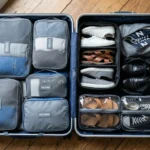
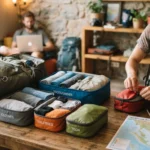
Packing cubes and padded cases make organization easier by creating separate spaces for different belongings. Small resealable bags can protect items from moisture and prevent tiny accessories from getting lost. For particularly delicate or valuable objects, consider using a purpose-built protective case rather than relying entirely on ordinary luggage.
| Packing Material | Main Purpose | Suitable Items |
|---|---|---|
| Bubble wrap | Absorbs minor impacts | Glassware and ceramics |
| Packing paper | Separates and cushions objects | Decorative items and dishes |
| Soft towels | Provides flexible padding | Bottles and delicate accessories |
| Packing cubes | Keeps belongings organized | Small fragile accessories |
| Padded cases | Provides structured protection | Electronics and cameras |
| Resealable bags | Protects against moisture and leaks | Small accessories and toiletries |
Choose materials according to the size, weight, and sensitivity of each item. A fragile object with sharp edges or delicate components may need more protection than an item made from thicker glass or durable plastic.
Wrap Each Fragile Item Individually
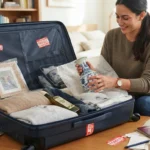
Wrapping each delicate object separately is one of the most effective ways to reduce damage during travel. When multiple fragile items touch one another, movement inside the suitcase can cause scratches, chips, or cracks. Individual wrapping creates a protective layer and helps prevent direct contact.
Start by placing the item in the center of suitable wrapping material. Use bubble wrap for objects that need extra cushioning and packing paper for items with less sensitive surfaces. Secure the wrapping gently with tape, making sure the adhesive does not touch delicate finishes or painted surfaces.
For objects with unusual shapes, pay particular attention to corners, handles, edges, and protruding parts. These areas may experience greater pressure during movement. Add extra padding where necessary, but avoid wrapping items so tightly that delicate components become strained.
Electronics should ideally remain inside their original packaging or a padded protective case. Remove detachable accessories when appropriate and pack them separately to prevent scratches. For camera equipment, use individual padded compartments that keep lenses and other components from moving.
Use Clothing as Additional Cushioning
Clothing can serve as a convenient cushioning material when you do not want to carry extra packing supplies. Soft garments such as T-shirts, sweaters, scarves, and towels can help protect wrapped objects by filling empty spaces around them. This approach is especially useful for travelers who want to save luggage space while keeping delicate belongings secure.
Before placing fragile items inside clothing, wrap them separately with suitable protective material. Clothing should provide additional cushioning rather than act as the only protection for particularly delicate objects. For example, a wrapped glass ornament can be placed inside a soft sweater to create another layer of protection.
Arrange heavier clothing around the outer areas of the suitcase and keep delicate items away from heavy shoes or other objects that may create pressure. Avoid placing fragile belongings directly beneath dense items such as books, large toiletry bags, or heavy electronic accessories.
A useful packing strategy is to create a soft central area inside your suitcase. Place wrapped fragile belongings between layers of clothing, leaving enough cushioning around every side. This helps reduce movement while keeping the suitcase organized.
Pack Fragile Items in the Center of Your Suitcase
Placement is just as important as wrapping when learning how to pack fragile items in luggage. The center of a suitcase is often a practical location because it can be surrounded by clothing and other soft belongings. This arrangement helps reduce direct exposure to bumps along the outer edges.
Start by placing a soft layer of clothing at the bottom of your suitcase. Arrange heavier, non-fragile belongings around the sides, then position wrapped delicate items in the middle. Fill empty spaces with soft clothing or additional packing materials so the objects cannot shift during transportation.
Keep fragile belongings away from suitcase corners, wheels, and the outer shell whenever possible. These areas may experience more direct contact during handling. Avoid placing delicate items near zippers or external pockets where pressure can affect their shape.
It is also important to consider the orientation of each object. Bottles should generally be packed upright when their design and packaging allow it, while flat decorative items may need to be positioned between firm, padded surfaces. Always follow the manufacturer’s handling instructions for unusually delicate or valuable objects.
How to Pack Glassware, Bottles, and Ceramics
Glassware requires careful wrapping because even a small impact can cause cracks or breakage. Wrap each glass individually using bubble wrap or packing paper, paying particular attention to rims and handles. Place additional padding inside suitable hollow containers only when it can be done safely without putting pressure on delicate areas.
For bottles containing liquids, make sure the lids are tightly closed and follow any applicable transportation restrictions. Place each bottle inside a leak-resistant bag and wrap it with cushioning material. Keep bottles separated from one another so they cannot collide during movement.
Ceramic objects such as mugs, plates, bowls, and decorative ornaments should also be wrapped individually. Use additional padding around handles, corners, and raised details. Plates can be separated with layers of packing paper or soft material, but avoid placing too many together because their combined weight can create pressure.
For particularly valuable glassware or ceramics, a fitted protective case or purpose-built shipping container may be safer than ordinary suitcase packing. If the item is irreplaceable, consider whether carrying it separately or using a specialist shipping service would provide better protection.
Protect Electronics and Other Valuable Fragile Items
Electronics need protection from both physical impacts and environmental conditions. Laptops, tablets, cameras, headphones, and other sensitive devices should be placed in padded cases designed for their dimensions. Avoid packing them loosely beside hard objects that could scratch screens or damage external components.
Whenever possible, keep valuable electronics in your personal item or carry-on bag rather than placing them in checked luggage. This allows you to maintain better control over their handling and reduces exposure to rough baggage transportation. Check your airline’s rules for batteries, power banks, and electronic devices before traveling.
Jewelry, watches, sunglasses, and delicate accessories should be stored in suitable protective cases. Small compartments help prevent tangling, scratches, and accidental loss. Sunglasses should ideally remain inside a firm case rather than being placed loose between clothing.
Important documents and delicate accessories should also be kept away from liquids. Separating electronics from toiletries and placing leak-prone products in sealed bags can help prevent avoidable damage.
Common Mistakes to Avoid When Packing Fragile Items
One common mistake is placing several fragile objects together without individual protection. Even when items appear stable, small movements during travel can cause them to collide. Always separate delicate belongings with suitable wrapping or padded compartments.
Another mistake is overpacking the suitcase. When luggage is too full, zippers, seams, and internal contents may experience unnecessary pressure. A tightly packed suitcase can also make it difficult to maintain cushioning around fragile objects. Leave enough room for protective materials and close the suitcase without forcing it.
Travelers sometimes place delicate items near heavy shoes, toiletry bags, or hard accessories. This creates a risk of pressure and impact damage. Keep heavier belongings separated from fragile objects and use soft clothing to fill empty spaces.
Finally, avoid assuming that a hard-shell suitcase makes every item completely safe. A rigid exterior can provide useful protection, but internal cushioning is still necessary. Check the arrangement before closing the suitcase and make sure nothing moves freely when the bag is gently repositioned.
Conclusion
Learning how to pack fragile items in luggage can help protect valuable belongings and make your travel experience less stressful. Choosing suitable luggage, gathering protective materials, wrapping every delicate object individually, and placing fragile items in a cushioned central area are practical steps that can reduce the risk of damage. Clothing, packing cubes, padded cases, and bubble wrap can all contribute to a safer packing arrangement.
Before leaving home, check your suitcase for empty spaces, secure loose objects, and make sure heavier belongings are separated from delicate items. Keep important electronics and valuable accessories in your carry-on whenever possible, while following airline baggage and security rules. With careful preparation and the right packing techniques, you can transport fragile belongings more confidently and arrive at your destination with your items in better condition.
Frequently Asked Questions
1. What is the safest way to pack fragile items in luggage?
Wrap each item individually with bubble wrap or suitable packing material, then place it in the center of your suitcase surrounded by soft clothing. Fill empty spaces to prevent movement.
2. Should fragile items go in checked luggage or carry-on bags?
Valuable, delicate, and essential items are generally safer in carry-on luggage when airline rules permit. This gives you greater control over handling and reduces exposure to checked-baggage transportation.
3. Can I use clothes to protect fragile items?
Yes, soft clothing such as sweaters, T-shirts, and towels can provide additional cushioning. However, particularly delicate objects should first be wrapped in bubble wrap or another suitable protective material.
4. Is bubble wrap necessary for packing fragile belongings?
Bubble wrap is not always necessary, but it provides useful cushioning for glassware, ceramics, and delicate accessories. Soft packing materials and padded cases can also offer protection.
5. How do I pack glass bottles in a suitcase?
Close each bottle securely, place it inside a leak-resistant bag, and wrap it with cushioning material. Keep bottles separated and away from heavy objects.
6. How can I prevent fragile items from moving inside luggage?
Use packing cubes, clothing, towels, or additional padding to fill empty spaces. The goal is to keep every wrapped item securely positioned without applying excessive pressure.
7. Is hard-shell luggage better for fragile items?
Hard-shell luggage provides a structured exterior that can help protect belongings from some impacts and pressure. However, internal wrapping and cushioning are still essential for delicate objects.
8. How should I pack electronics for air travel?
Use padded protective cases and keep electronics separated from hard objects and liquids. When possible, carry valuable electronics in your personal item or carry-on bag, following airline battery and security requirements.
9. Can fragile souvenirs be packed in checked luggage?
Some souvenirs can be packed in checked luggage if they are properly wrapped and cushioned. However, valuable, irreplaceable, or extremely delicate souvenirs are better carried separately when permitted.
10. What should I do if I am traveling with very expensive fragile items?
Use a fitted protective case, check airline transportation requirements, and consider specialized shipping or insurance for particularly valuable belongings. Keep essential documentation and proof of value where appropriate.
