


































Best Camping Gear for Digital Nomads: Essential Equipment for Working and Living Outdoors

Finding the best camping gear for digital nomads is important for anyone who wants to combine remote work with outdoor adventures. Digital nomads often travel between destinations while managing online businesses, attending virtual meetings, creating content, or completing freelance projects. Camping offers an opportunity to experience nature, reduce accommodation expenses, and enjoy a more flexible lifestyle. However, working outdoors requires more preparation than a traditional camping trip.
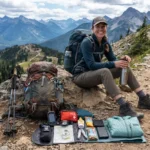
Unlike regular campers, digital nomads need equipment that supports both outdoor living and professional responsibilities. A comfortable tent, reliable sleeping system, portable power source, and dependable internet connection can make a significant difference. Lightweight and compact equipment is particularly valuable because frequent travelers need to manage luggage space while carrying their work essentials.
The best camping gear for digital nomads should balance portability, durability, comfort, and functionality. Choosing versatile products can help you create a practical outdoor workspace without carrying unnecessary equipment. Whether you plan to work from a forest campsite, a mountain destination, or a quiet lakeside location, the right setup can make remote work more enjoyable.
Lightweight Tent and Shelter for Digital Nomads
A reliable tent is one of the most important pieces of camping equipment for digital nomads. It provides protection from changing weather conditions and creates a private space for resting after a busy workday. Since digital nomads frequently move between destinations, choosing a lightweight and compact tent can make transportation easier. Backpacking tents are often suitable because they are designed to reduce weight without sacrificing essential shelter features.
When choosing a tent, consider the number of people, available interior space, ventilation, waterproofing, and setup time. A one-person tent may be sufficient for solo travelers who prioritize portability, while a two-person tent can provide additional room for luggage, clothing, and small work accessories. Extra interior space is useful when you need to organize your equipment inside the shelter during rainy weather.
Weather protection should be a major consideration. Look for durable materials, reliable rainfly construction, strong poles, and properly sealed seams. A tent with mesh panels can improve airflow and reduce condensation, especially in warm or humid environments. Before purchasing, check the manufacturer’s recommended season rating and ensure the tent is appropriate for the conditions you expect to encounter.
Portable Power Stations and Solar Chargers
Electricity is essential for digital nomads who depend on laptops, smartphones, cameras, and other electronic devices. A portable power station can provide convenient backup energy when traditional electrical outlets are unavailable. These devices come in different capacities, allowing travelers to choose a model based on their equipment and expected power requirements.
When comparing portable power stations, consider battery capacity, output ports, charging speed, weight, and compatibility with your electronics. A compact unit may be sufficient for charging phones, headphones, and smaller accessories. However, travelers who need to operate laptops for several hours may require a higher-capacity model. Always check the actual power consumption of your devices before selecting a battery.
Portable Internet Equipment for Remote Work
A stable internet connection is one of the biggest requirements for digital nomads. Camping locations do not always offer reliable Wi-Fi, which can create problems when attending online meetings, uploading files, or communicating with clients. Portable internet equipment can help travelers stay connected when working away from traditional offices.
A mobile hotspot is a practical option for people who have access to a suitable cellular network. It creates a wireless connection that allows multiple devices to access the internet. Before traveling, check network coverage in your destination and confirm that your data plan supports the required usage. Video calls, cloud backups, and large file transfers can consume substantial amounts of mobile data.
For destinations with limited cellular coverage, satellite internet may be worth considering. Portable satellite systems can provide connectivity in some remote locations, although equipment cost, subscription fees, power requirements, and sky visibility must be considered. They are not always practical for lightweight backpacking, so travelers should compare their benefits with their transportation needs.
Internet backup planning is equally important. Download essential documents, save offline maps, and keep important work files available without an internet connection. Having a secondary connection option can also reduce disruptions when your primary network becomes unavailable.
Best Laptop and Accessories for Camping Workspaces
A laptop is usually the most important work tool for a digital nomad. When selecting a device for camping, prioritize battery life, portability, performance, and durability. A lightweight laptop is easier to carry between campsites, while a long-lasting battery reduces dependence on electrical outlets. The right specifications depend on your profession, whether you mainly write, manage websites, edit videos, or perform other demanding tasks.
Protective accessories are also valuable. A padded laptop sleeve can help reduce damage from everyday movement, while a waterproof backpack or protective cover can provide additional protection from unexpected moisture. Avoid placing electronics directly on damp ground or exposing them to rain, dust, and extreme temperatures.
A portable laptop stand can improve working comfort by raising the screen closer to eye level. A compact wireless mouse and keyboard may also make extended work sessions more comfortable. However, these accessories add weight, so choose only the items that genuinely improve your productivity.
Comfortable Sleeping Bags and Sleeping Pads
A comfortable sleeping setup is essential when combining camping with remote work. Digital nomads need proper rest to remain productive, particularly when balancing travel schedules with professional deadlines. A suitable sleeping bag helps maintain warmth, while a quality sleeping pad provides insulation and cushioning against the ground.
Sleeping bags are available in different temperature ratings, shapes, and insulation types. Down insulation generally offers an excellent warmth-to-weight ratio and packs compactly, while synthetic insulation can be more practical in damp conditions. Choose a sleeping bag according to the lowest temperatures you realistically expect during your trip rather than selecting one based only on its appearance or price.
Sleeping pads are equally important because they provide cushioning and help reduce heat loss to the ground. Inflatable pads are popular among travelers because many models pack into small storage bags. Foam pads are another option for people who prefer simple equipment with fewer components that can become damaged.
Portable Camping Furniture and Outdoor Workstations
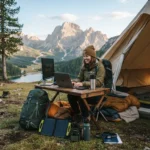
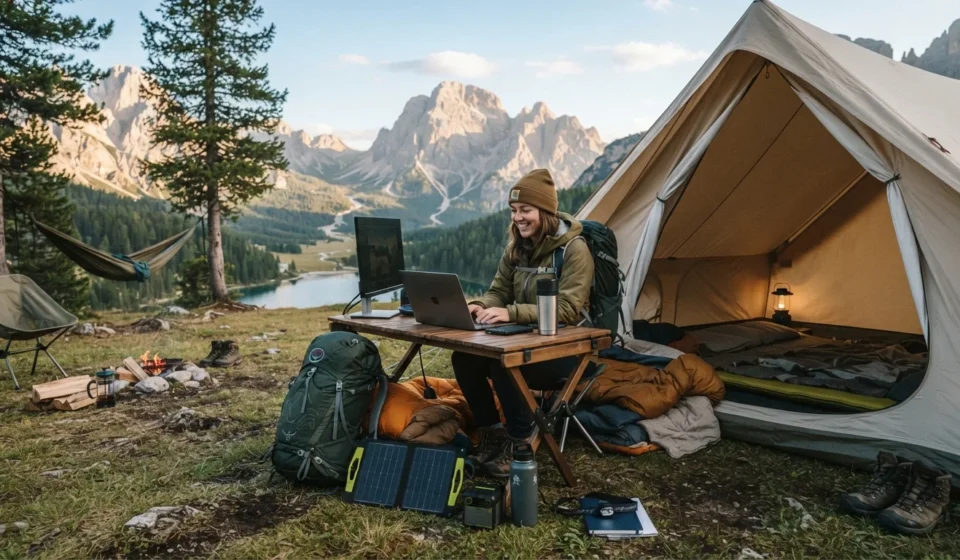
Working directly on the ground or sitting on an uncomfortable surface can become tiring during long remote-work sessions. A portable camping table and chair can help create a more organized outdoor workspace. Lightweight folding furniture is particularly useful for digital nomads who move between campsites and want equipment that is easy to store.
A compact camping table provides a stable surface for a laptop, notebook, water bottle, and other work accessories. Choose a model with a practical height and a stable frame. Some tables are designed to fold into small carrying cases, making them easier to transport with other camping equipment.
A comfortable chair can also improve productivity. Look for supportive construction, durable fabric, and a design that folds conveniently. If you regularly work for several hours, consider taking breaks and changing positions rather than remaining seated throughout the day. A portable workstation should improve convenience without turning your camping setup into an unnecessarily heavy office.
Best Backpacks and Storage Solutions for Camping Gear
A practical backpack helps digital nomads transport camping equipment and work essentials safely. Since remote workers often carry laptops, chargers, clothing, food, and outdoor accessories, choosing a backpack with organized compartments can make travel easier. A good design should distribute weight comfortably and provide enough storage for essential items.
Look for adjustable shoulder straps, padded back support, durable zippers, and a suitable capacity. A dedicated laptop compartment is helpful for protecting electronic devices, while exterior pockets provide quick access to water bottles and small accessories. Water-resistant materials can offer additional protection, although a separate rain cover may be necessary during heavy rainfall.
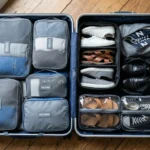
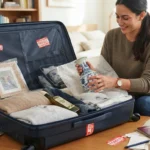
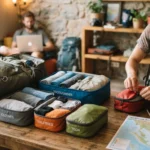
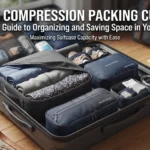
Packing cubes and waterproof storage bags can improve organization. Use separate compartments for clean clothing, used laundry, electronics, and small accessories. Keeping cables and chargers together can also reduce the time spent searching for essential work equipment.
Essential Camping Gear Checklist for Digital Nomads
The best camping gear for digital nomads depends on the destination, weather, trip length, and type of remote work. However, certain items are useful for most outdoor work setups. The following table provides an overview of important equipment and its purpose.
| Camping Gear | Main Purpose | Important Features |
|---|---|---|
| Lightweight tent | Shelter and privacy | Weather resistance, ventilation |
| Portable power station | Charging electronics | Battery capacity, multiple ports |
| Solar charger | Supplementary power | Portability, charging efficiency |
| Mobile hotspot | Internet access | Network compatibility, battery life |
| Laptop | Remote work | Battery life, performance, portability |
| Sleeping bag | Warmth and rest | Suitable temperature rating |
| Sleeping pad | Comfort and insulation | Packed size, cushioning |
| Camping chair | Outdoor workspace | Stability, folding design |
| Travel backpack | Equipment storage | Comfortable straps, compartments |
| Headlamp | Nighttime visibility | Battery life, adjustable brightness |
This equipment list can be adjusted according to your travel style. Backpackers may need smaller and lighter products, while people staying at established campsites may prefer larger power stations and more comfortable furniture.
How to Choose the Best Camping Gear for Digital Nomads
Choosing the right camping equipment begins with understanding your work requirements. Someone who mainly writes articles or manages social media may need only a laptop, phone, and basic internet connection. A video editor or graphic designer may require a more powerful computer, additional storage, and a larger power supply. Your profession should influence which equipment receives priority.
Weight and portability are also important. Digital nomads frequently travel between different destinations, so bulky equipment can quickly become inconvenient. Compare packed dimensions and total weight before buying. Multi-purpose products can help reduce the number of items you need to carry without sacrificing essential functionality.
Weather conditions should influence your decisions as well. A campsite in a hot region requires different equipment from a mountain location with cold nights. Check seasonal temperatures, rainfall, wind conditions, and available facilities before preparing your setup. Choosing equipment that matches the environment can improve both comfort and safety.
Finally, consider durability and maintenance. Camping equipment is exposed to dust, moisture, sunlight, and frequent transportation. Products with dependable construction and accessible replacement parts may provide better long-term value than inexpensive equipment that needs frequent replacement.
Tips for Staying Productive While Camping
Creating a productive camping routine requires planning. Before arriving at a campsite, organize your work schedule and identify the hours when you need a reliable internet connection. If you have important meetings or deadlines, consider completing them from a location with dependable electricity and connectivity rather than relying entirely on remote camping facilities.
Choose a comfortable workspace with adequate shade and ventilation. Direct sunlight can make laptop screens difficult to see and may cause electronic devices to overheat. A portable table positioned under natural shade can provide a more practical environment for working.
It is also important to maintain a clear separation between work and outdoor activities. Set specific working hours and take regular breaks to enjoy the surroundings. Download important files in advance, keep your devices charged, and save your work frequently. These simple habits can help prevent technical problems from interrupting your schedule.
Conclusion
The best camping gear for digital nomads combines outdoor practicality with the equipment needed for productive remote work. A lightweight tent, comfortable sleeping system, portable power station, dependable internet equipment, and organized backpack can help create a functional camping setup. Additional accessories such as folding tables, laptop stands, and solar chargers can improve convenience when they match your travel requirements.
Before purchasing camping equipment, consider your destination, work responsibilities, transportation method, and available budget. Prioritize reliable power, internet connectivity, comfortable shelter, and manageable equipment weight. With thoughtful preparation, digital nomads can enjoy outdoor adventures while maintaining a productive and flexible remote-working lifestyle.
Frequently Asked Questions
1. What is the best camping gear for digital nomads?
Essential equipment includes a lightweight tent, portable power station, mobile hotspot, laptop, sleeping bag, sleeping pad, comfortable chair, and travel backpack. The exact setup depends on your work requirements and destination.
2. How do digital nomads get internet while camping?
Digital nomads commonly use mobile hotspots, cellular data plans, or portable satellite internet systems. The best option depends on local network coverage, budget, and how remote the campsite is.
3. Do digital nomads need a portable power station for camping?
A portable power station can be useful for charging laptops, phones, cameras, and other electronics. Travelers should calculate their expected power consumption before selecting an appropriate battery capacity.
4. Are solar panels useful for digital nomad camping?
Yes, portable solar panels can provide supplementary electricity during extended camping trips. Their effectiveness depends on sunlight, weather, panel positioning, and the capacity of the connected power station.
5. What type of tent is best for digital nomads?
A lightweight backpacking tent with reliable weather protection, good ventilation, and enough interior space is a practical choice. A slightly larger tent may be more comfortable if you plan to store work equipment inside.
6. How can I protect my laptop while camping?
Use a padded protective sleeve, keep your laptop inside a secure compartment, and avoid exposing it to rain, dust, and direct sunlight. Store electronics in dry conditions when they are not being used.
7. Can I work remotely from a campsite?
Yes, you can work remotely from a campsite if it offers suitable connectivity, electricity, and a comfortable workspace. Check campsite rules and facilities before planning important work sessions.
8. What is the best backpack for digital nomad camping?
A backpack with comfortable shoulder straps, padded laptop storage, durable construction, and organized compartments is a good choice. Its capacity should match your camping equipment and travel style.
9. How do I keep camping equipment lightweight?
Choose compact products, multi-purpose accessories, lightweight shelter systems, and portable charging equipment. Avoid packing items that do not support your essential camping or work requirements.
10. Is camping suitable for full-time digital nomads?
Camping can be suitable for digital nomads who enjoy outdoor living and can manage their work requirements. Reliable connectivity, power access, weather protection, and a consistent routine are important for making this lifestyle practical.
