








































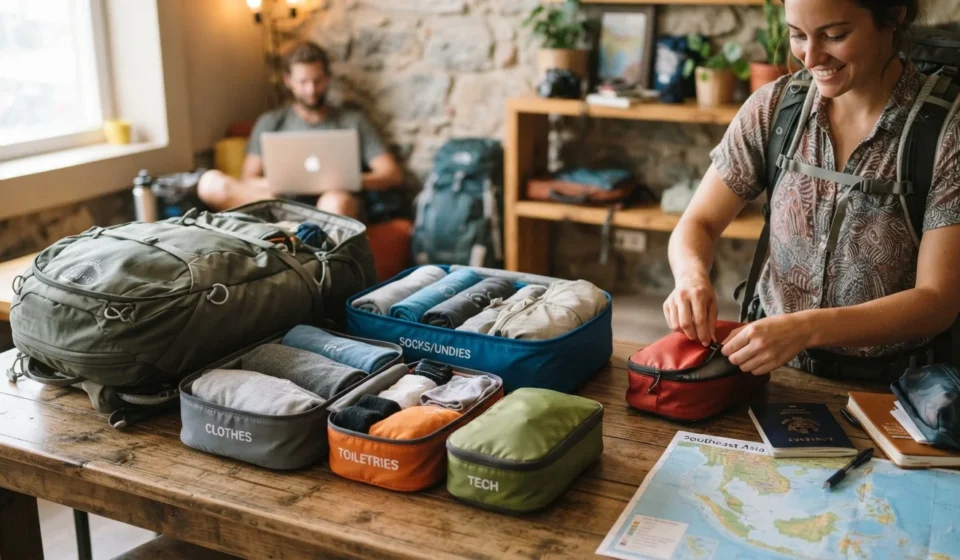
Best Packing Cubes for Backpackers: A Complete Guide to Organizing Your Travel Gear

Choosing the best packing cubes for backpackers can make a significant difference when organizing luggage for long journeys, outdoor adventures, and international trips. Backpackers often travel with limited space, carry their belongings between different destinations, and need quick access to clothing and essential gear. Without proper organization, a backpack can quickly become cluttered, making it difficult to find specific items when needed.
Packing cubes provide a simple solution by dividing your backpack into smaller, organized sections. They help separate clothing, underwear, accessories, and other travel essentials while making better use of available storage space. Some designs also include compression features that reduce the volume of packed clothing, while lightweight materials help keep unnecessary weight out of your travel gear.
The best packing cubes for backpackers should offer a combination of durability, low weight, practical sizing, and convenient organization. Understanding the different styles and features can help you select a set that suits your backpack, travel duration, and personal packing habits.
Why Packing Cubes Are Important for Backpackers
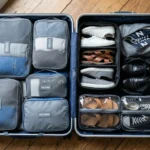
Backpacking requires careful organization because every item needs to fit inside a limited amount of luggage space. Unlike travelers who use large suitcases, backpackers often carry their belongings on their shoulders and move between hostels, hotels, buses, trains, and outdoor locations. Packing cubes help create separate sections inside a backpack, making it easier to locate clothing and accessories without unpacking everything.
Another advantage is the ability to separate clean and used clothing. You can keep fresh shirts, trousers, and underwear in one cube while storing worn garments in another. This organization is especially helpful during longer journeys when laundry facilities may not always be available. Some packing cubes also include breathable mesh panels that improve visibility and allow air to circulate.
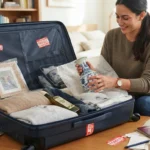
Packing cubes can also make travel preparation more efficient. Instead of placing individual clothing items directly inside your backpack, you can organize them into categories before packing. When you arrive at your destination, removing a cube is often easier than unpacking the entire bag. This can save time when changing accommodation frequently.
Although packing cubes improve organization, they do not automatically make a backpack lighter. Their main purpose is to organize belongings and use available space more efficiently. Choosing lightweight cubes and avoiding unnecessary clothing will help prevent additional weight.
Best Lightweight Packing Cubes for Backpackers
Lightweight packing cubes are an excellent option for backpackers who want better organization without carrying unnecessary accessories. Since every gram can matter during long walking trips, choosing cubes made from lightweight nylon or polyester can help maintain a manageable backpack weight. These materials are commonly used because they are relatively durable, easy to clean, and suitable for regular travel.
The best lightweight designs have simple construction, reliable zippers, and enough flexibility to fit into different backpack compartments. They should hold clothing securely without adding excessive padding or bulky frames. Mesh panels can also be useful because they allow travelers to identify the contents without opening every cube.
When choosing lightweight packing cubes, consider the size of your backpack. Large cubes may work well for bulky clothing but can be difficult to fit inside smaller hiking backpacks. Smaller and medium-sized designs usually provide more flexibility because they can fit around other travel essentials.
For minimalist travelers, a small collection of lightweight cubes may be more practical than a large multi-piece set. Two or three carefully selected sizes can provide enough organization for clothing, underwear, and accessories without taking up too much room.
Best Compression Packing Cubes for Backpackers
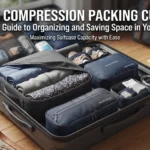
Compression packing cubes are designed to reduce the volume of clothing by using an additional zipper or compression panel. They can be particularly useful for backpackers who carry bulky items such as sweaters, jackets, and extra trousers. By reducing unused space between garments, these cubes can help fit more clothing into a limited backpack compartment.
Most compression designs feature two zipper systems. The main zipper closes the cube around the packed clothing, while the additional zipper compresses the sides to reduce its overall size. This construction can be helpful for organizing soft garments, although it does not reduce their actual weight.
The best compression packing cubes should have strong zippers, durable seams, and flexible fabric that can handle repeated use. Travelers should avoid overfilling them because excessive pressure can damage zippers and make the cubes difficult to close. Compression is most effective when clothing is folded or rolled neatly before packing.
Compression cubes are especially useful for longer trips and colder destinations where additional layers are necessary. However, backpackers should remember that compressing clothing too tightly can make garments wrinkled and less accessible. A balanced approach is better than trying to fit every available item into the smallest possible space.
Best Waterproof and Water-Resistant Packing Cubes
Water-resistant packing cubes can provide additional protection for belongings during rainy journeys, outdoor activities, and transportation between destinations. Backpackers frequently encounter changing weather conditions, damp environments, and wet equipment. A water-resistant cube can help protect clothing and accessories from light moisture and accidental splashes.
These cubes are commonly made from coated nylon or polyester materials. Some designs feature water-resistant zippers and sealed construction, while others use simple fabric coatings. It is important to understand the difference between water-resistant and fully waterproof products. A water-resistant cube may protect against minor moisture but should not automatically be treated as suitable for complete submersion.
Waterproof packing cubes can be particularly useful for storing electronics accessories, important documents, or clothing that needs to remain dry. However, sensitive electronic equipment should still be placed in suitable protective cases. The quality of the zipper and closure system is just as important as the outer fabric.
For most backpackers, having one water-resistant cube is enough for items that need extra protection. A separate waterproof dry bag may be a better choice when traveling through areas with heavy rain, river crossings, or particularly wet conditions.
Best Sizes and Designs for Backpacking
Choosing the right packing cube sizes is important because backpacking bags have different shapes and storage compartments. Large cubes can hold shirts, trousers, and lightweight jackets, while medium-sized options are suitable for everyday clothing. Small cubes work well for underwear, socks, chargers, and personal accessories.
A combination of different sizes usually provides better flexibility than using several identical cubes. Backpackers can arrange larger cubes near the bottom of their bags and place smaller organizers in remaining spaces. This approach makes it easier to use the available capacity without creating awkward gaps.
The shape of the packing cube also matters. Rectangular designs generally fit neatly inside backpacks and suitcases, while flexible or tapered cubes may work better with backpacks that have curved compartments. Some manufacturers offer packing cubes specifically designed for hiking packs, which can help improve storage efficiency.
| Packing Cube Type | Main Features | Best Use |
|---|---|---|
| Small cube | Compact and lightweight | Socks, underwear, accessories |
| Medium cube | Balanced storage capacity | Shirts and everyday clothing |
| Large cube | More room for bulky garments | Trousers and sweaters |
| Compression cube | Additional compression zipper | Reducing clothing volume |
| Water-resistant cube | Protective coated fabric | Damp-weather travel |
| Mesh cube | Visible contents and ventilation | Frequently used clothing |
Before purchasing a set, measure the internal compartments of your backpack. This helps ensure that the cubes fit comfortably without making the bag difficult to close or carry.
How to Choose the Best Packing Cubes for Backpackers
Selecting the right packing cubes starts with understanding your travel style. A weekend backpacker may only need two small organizers, while someone planning a month-long international journey may benefit from a larger combination of different sizes. Consider how much clothing you normally carry and whether you will have access to laundry facilities.
Material quality should be another important consideration. Nylon is popular because it offers a good balance of low weight and durability. Polyester is also widely used and can be suitable for everyday travel. Look for reinforced stitching, dependable zippers, and fabric that can handle repeated packing and unpacking.
Weight and flexibility are especially important for backpackers. Heavy organizers may take up valuable weight capacity, while rigid cubes can be difficult to fit into irregularly shaped backpacks. Flexible designs are generally more convenient because they adjust to the available space.
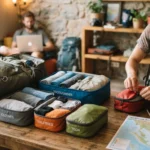
Visibility and organization features can also improve the experience. Mesh panels make it easier to identify clothing, while handles provide convenient access when removing cubes from a backpack. Different colors can help separate clothing categories and make packing more systematic.
Finally, consider ease of cleaning. Travel organizers can collect dust, dirt, and moisture during outdoor adventures. Choosing materials that can be wiped clean or washed according to the manufacturer’s instructions can make long-term maintenance easier.
Tips for Using Packing Cubes Efficiently
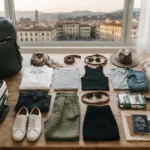
Using packing cubes effectively involves more than placing clothing inside separate bags. Start by organizing your belongings into categories, such as shirts, trousers, underwear, socks, and accessories. This makes it easier to decide how many cubes you actually need and prevents unnecessary duplication.
Rolling clothing can help reduce wrinkles and make it easier to fit garments into smaller organizers. However, some items may be better folded, particularly structured shirts and delicate clothing. Experiment with different methods to find the arrangement that works best for your wardrobe.
Avoid filling every cube to maximum capacity. Overpacked organizers can become difficult to close and may create unnecessary pressure on zippers. Leaving a little room also makes it easier to remove clothing during your journey.
Keep frequently used items near the top of your backpack. A small cube containing underwear, a fresh shirt, or sleepwear can be particularly convenient when arriving at accommodation late at night. Less frequently used clothing can be placed deeper inside the backpack.
Separating clean and dirty clothing is another useful strategy. A dedicated laundry cube or lightweight laundry bag helps prevent worn garments from mixing with fresh clothing. This simple habit can make backpack organization much easier during longer trips.
Conclusion
The best packing cubes for backpackers provide a practical way to organize clothing, separate travel essentials, and make better use of limited backpack space. Lightweight nylon and polyester designs are useful for everyday organization, while compression cubes can help reduce the volume of bulky garments. Water-resistant options offer additional protection when traveling through unpredictable weather or outdoor environments.
Before choosing a set, consider your backpack size, travel duration, packing habits, and preferred clothing arrangement. Focus on lightweight materials, reliable zippers, flexible construction, and useful size combinations. A small collection of well-designed packing cubes can make backpacking more organized and help you spend less time searching through your luggage.
Frequently Asked Questions
1. What are the best packing cubes for backpackers?
The best packing cubes for backpackers are lightweight, flexible, durable, and available in different sizes. Nylon and polyester options with strong zippers and practical compartments are suitable for most travel needs.
2. Are compression packing cubes worth it for backpacking?
Yes, compression cubes can help reduce the volume of soft clothing and make better use of limited backpack space. They are particularly useful for sweaters, jackets, and other bulky garments.
3. How many packing cubes should a backpacker use?
Most backpackers can start with two to four packing cubes in different sizes. The ideal number depends on backpack capacity, trip duration, clothing requirements, and access to laundry facilities.
4. Do packing cubes make a backpack lighter?
Packing cubes do not reduce the actual weight of clothing. They can improve organization and help manage available space, but the cubes themselves add a small amount of weight.
5. Are waterproof packing cubes necessary for backpacking?
They are not essential for every trip, but they can be useful during rainy adventures and outdoor travel. For heavy rain or complete water protection, a properly sealed waterproof dry bag may be more appropriate.
6. What material is best for backpacking packing cubes?
Lightweight nylon and polyester are popular choices because they are relatively durable and easy to maintain. The best material depends on your preferred balance of weight, flexibility, and protection.
7. Should I roll or fold clothes inside packing cubes?
Rolling works well for many casual garments and can help organize smaller spaces. Folding may be better for structured or delicate clothing. You can combine both methods depending on the items you pack.
8. Can packing cubes fit inside hiking backpacks?
Yes, many packing cubes are designed to fit inside travel and hiking backpacks. Check the dimensions and shape of the cubes against your backpack’s internal compartments before purchasing.
9. How do I keep dirty clothes separate when backpacking?
Use a dedicated laundry cube or lightweight laundry bag for worn clothing. Keeping it separate from clean garments helps maintain better organization throughout your journey.
10. Are expensive packing cubes better than budget options?
Not always. Higher-priced sets may offer better materials, stronger zippers, and additional features, but affordable options can also work well. Compare construction quality, weight, size, and warranty before deciding.
