



















































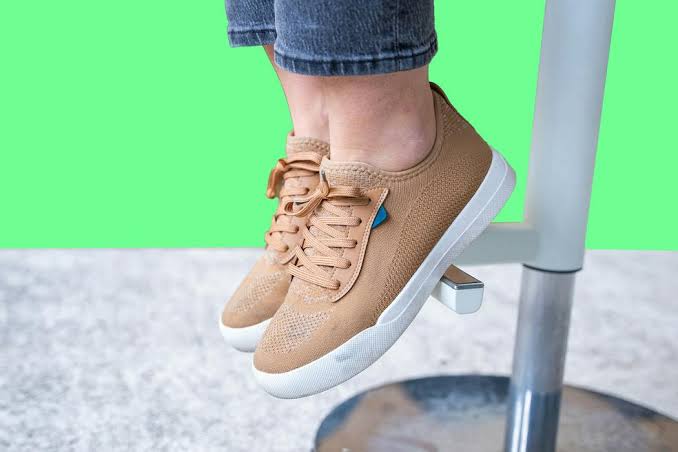

Finding the best travel shoes for walking can make every trip more comfortable. Whether you are exploring busy city streets, visiting famous landmarks, or walking through an airport, the right shoes help keep your feet comfortable throughout the day. Good travel shoes should feel light, provide reliable support, and fit easily into your luggage.
Many travelers struggle to choose between comfort, style, and portability. Some walking shoes offer excellent cushioning but take up too much space. Others look stylish but become uncomfortable after several hours. The best option combines these features without adding unnecessary weight to your suitcase.
This guide explains what to look for in lightweight travel shoes, which types work best for different trips, and how to choose a pair that suits your walking habits. With the right footwear, you can explore more places while keeping your packing simple.
Why Choosing the Right Travel Walking Shoes Matters
Comfort During Long Days of Exploring
Travel often involves more walking than everyday life. You might spend hours exploring museums, shopping districts, parks, and historic neighborhoods. Even a short sightseeing trip can involve thousands of steps.
Shoes that feel comfortable in a store may become painful after several hours. Poor cushioning can cause tired feet, while a narrow toe box may create pressure around your toes. Shoes without enough support can also make long walks feel more exhausting.
A comfortable travel shoe should provide enough cushioning for hard surfaces. It should also fit securely without squeezing your feet. A flexible design can help your feet move naturally as you walk.
Saving Space and Weight in Your Luggage
Packing light makes traveling easier. Heavy shoes can take up valuable suitcase space and increase the weight of your luggage. This becomes especially important when you travel with a small carry-on bag or move between destinations frequently.
Lightweight shoes help reduce unnecessary packing weight. Some flexible sneakers can also compress slightly when placed inside a suitcase. This makes them useful for travelers who want to carry an extra pair without sacrificing too much space.
However, packability should not come at the expense of comfort. Extremely thin shoes may offer limited cushioning for long walks. The ideal pair balances a lightweight construction with enough support for your planned activities.
What Makes the Best Travel Shoes for Walking?
Lightweight Construction
Weight is one of the most important features to consider when buying travel footwear. Lighter shoes are easier to carry and can feel less tiring during extended walks.
Many lightweight walking shoes use breathable mesh, flexible knit fabric, or lightweight synthetic materials. These materials can reduce bulk while allowing air to circulate around your feet.
Before buying a pair, check its listed weight and compare similar models. Remember that the weight of one shoe may be different from the weight of the complete pair. If you plan to pack your shoes rather than wear them during travel, this difference matters.
Comfortable Cushioning and Support
Cushioning helps absorb some of the impact created when your feet touch the ground. This can make walking on concrete sidewalks, airport floors, and paved attractions more comfortable.
Look for midsoles that feel supportive without being excessively heavy. Some travelers prefer soft cushioning, while others like a firmer feel that provides a more stable walking experience.
Arch support also deserves attention. Every foot is different, so the most comfortable design depends on your foot shape and walking habits. If you normally use supportive insoles, choose shoes with removable insoles and enough room to accommodate them.
Breathable Materials
Feet can become warm during long sightseeing days, especially in summer or humid climates. Breathable shoes help manage heat and moisture, which can improve comfort during extended use.
Mesh and lightweight knit uppers are popular choices because they allow airflow. These materials are often flexible and can adapt comfortably to the shape of your feet.
However, breathable fabric may offer limited protection during heavy rain. If your destination has unpredictable weather, consider a water-resistant design or carry a separate pair suitable for wet conditions.
Flexible and Packable Design
Packable shoes are particularly useful for travelers with limited luggage space. Flexible uppers and compressible materials can make some shoes easier to store than traditional walking sneakers.
A flexible shoe can also be convenient for hotel stays, casual outings, and backup footwear. However, flexibility alone does not guarantee good walking performance.
Check whether the shoe bends naturally near the front of the foot while maintaining a stable heel and supportive sole. A design that folds too easily through the middle may not provide the stability you need for long sightseeing walks.
Top Types of Lightweight Travel Shoes
Lightweight Walking Sneakers
Lightweight walking sneakers are among the most versatile choices for travelers. They typically combine cushioned midsoles, breathable uppers, and rubber outsoles that provide traction on everyday surfaces.
These shoes work well for city sightseeing, shopping, museum visits, and airport travel. Many designs also have a casual appearance that pairs easily with jeans, travel trousers, shorts, and everyday outfits.
When comparing walking sneakers, focus on comfort rather than appearance alone. A stylish design will not help much if the shoe creates pressure around your heel or toes.
Choose a pair with a secure fit, enough cushioning, and a sole that feels stable under your weight. If you expect to walk for several hours each day, prioritize comfort over the smallest possible size or weight.
Packable Slip-On Shoes
Slip-on shoes are convenient for travelers who want footwear that is easy to put on and remove. They can be especially useful during airport security checks, hotel stays, and casual outings.
Many slip-on styles have flexible uppers and lightweight soles. Some can be packed flat, making them suitable as a second pair of shoes.
Their main limitation is support. Some models have minimal cushioning or loose heel construction, which may become uncomfortable during long walks.
Look for slip-ons with a secure fit, supportive footbeds, and a durable outsole. If you plan to walk extensively, test them on a longer walk before your trip rather than relying on short indoor use.
Knit Travel Sneakers
Knit sneakers are popular because they often combine a lightweight feel with a flexible upper. Their fabric can stretch slightly around the foot, helping create a comfortable fit for everyday activities.
These shoes are useful for warm-weather trips, city breaks, and casual travel. Many designs also look modern enough to wear with different outfits.
Knit construction can make some models easier to pack than rigid sneakers. However, not every knit shoe is designed for extensive walking. Some provide limited lateral support or have soles that wear quickly.
Choose a design with a stable midsole and a durable outsole. Check the cleaning instructions as well, because light-colored knit fabric can collect dust and stains during travel.
Lightweight Trail Walking Shoes
Travelers who plan to explore nature trails, uneven paths, or rocky viewpoints may benefit from lightweight trail shoes. These shoes usually offer more grip and protection than casual sneakers.
Their outsoles often feature tread patterns designed to improve traction on loose surfaces. Some models also include reinforced toe areas and more structured uppers.
Trail shoes can be useful for outdoor vacations that combine city visits with hiking or nature walks. However, they may feel less flexible or breathable than lightweight urban sneakers.
If your trip mainly involves paved streets, you may not need the additional protection. Choose trail footwear when your itinerary includes terrain that requires better grip and stability.
Minimalist Walking Shoes
Minimalist shoes appeal to travelers who prefer flexible footwear with a low-profile design. They often have thin soles, lightweight materials, and plenty of room for natural toe movement.
Their compact construction can make them easy to pack. They may also suit travelers who already use minimalist footwear in their daily routine.
However, these shoes provide less cushioning and ground protection than many conventional walking sneakers. They are not automatically comfortable for everyone, particularly on hard surfaces or during sudden increases in walking distance.
If you are new to minimalist shoes, avoid relying on them for a demanding trip without testing them first. A gradual transition gives your feet time to adjust to the different walking experience.
Important Features to Compare Before Buying
Fit and Toe Room
Fit should always be a priority when choosing travel shoes. Even an expensive pair can become uncomfortable if it is too narrow, too short, or too loose.
Your toes should have enough room to move naturally. The heel should remain secure without excessive rubbing, and the shoe should not create pressure across the top of your foot.
Feet can swell during long periods of walking or in hot weather. For this reason, try shoes later in the day when possible. Wear the socks you expect to use during your trip and walk around for several minutes before deciding.
Do not assume that your usual size will fit every brand equally well. Sizing can vary between manufacturers and even between different models from the same company.
Outsole Grip and Durability
A travel shoe should provide dependable traction on the surfaces you expect to encounter. Smooth airport floors, wet sidewalks, cobblestones, and park paths can all create different walking conditions.
Rubber outsoles often provide a useful balance of grip and durability. Deeper tread patterns can help on uneven paths, while flatter designs may be suitable for ordinary urban use.
Inspect the sole before buying. Very thin or soft outsoles may wear down quickly if you walk long distances every day.
For trips that include rain or outdoor excursions, choose a design with suitable traction. No shoe can prevent every slip, but a well-designed outsole can help improve stability.
Water Resistance and Weather Protection
The best shoes for a summer city break may not be the best choice for a rainy destination. Weather should influence your decision, especially when you expect to spend most of the day outdoors.
Breathable mesh shoes work well in many warm and dry conditions. Water-resistant shoes may be more useful in cool weather or on damp paths.
Waterproof shoes can provide extra protection during wet trips, but they may feel warmer and less breathable. Some waterproof designs also weigh more than standard lightweight sneakers.
Think about the weather forecast and your itinerary before making a decision. If your trip includes both sunny sightseeing and rainy outdoor activities, you may prefer versatile walking shoes paired with lightweight rain protection.
Easy Cleaning and Maintenance
Travel shoes can become dirty quickly. Dust, rain, food spills, and crowded public spaces can leave marks on your footwear.
Shoes with washable uppers or easy-to-clean materials can save time during longer trips. Neutral colors may also hide minor marks better than very light fabrics, depending on the material.
Always follow the manufacturer’s cleaning instructions. Some shoes can be hand-washed, while others require gentle surface cleaning. Machine washing may damage adhesives, cushioning, or the shape of certain models.
Allow wet shoes to dry completely before packing them away. This helps reduce unwanted odors and keeps your luggage cleaner.
How to Choose Travel Shoes for Different Trips
City Breaks and Urban Sightseeing
City trips usually involve paved sidewalks, public transportation, shopping areas, and long visits to tourist attractions. Lightweight walking sneakers are often a practical choice for these conditions.
Look for balanced cushioning, a secure fit, and a breathable upper. You may also want a versatile design that works with several outfits.
If your itinerary includes cobblestone streets, choose shoes with enough cushioning and a stable outsole. Very thin soles may make uneven surfaces uncomfortable after a few hours.
For urban travel, comfort and versatility usually matter more than specialized features. A reliable pair that works throughout the day can reduce the need to carry extra footwear.
Airport Travel and Long Flights
Airport travel often requires standing in queues, walking between terminals, and carrying luggage. Shoes that are easy to put on and remove can make these situations more convenient.
Lightweight sneakers and supportive slip-ons are both worth considering. Choose a pair that remains comfortable during extended standing as well as walking.
Your feet may swell during long flights. Avoid footwear that feels tight before departure, and consider laces or adjustable closures that allow a more comfortable fit.
For long journeys, wear shoes that you have already tested. A new pair may look ideal, but unfamiliar footwear can create blisters when you need to walk through a large airport.
Outdoor Adventures and Nature Trips
Outdoor travel requires a different approach. Walking on dirt trails, gravel, grass, and rocky paths can place greater demands on your footwear than city sightseeing.
Lightweight trail shoes may offer better traction and protection. If your itinerary includes only easy, well-maintained paths, a supportive walking sneaker may still be sufficient.
Consider the length of your planned walks, the weather, and the terrain. Shoes that work well on smooth sidewalks may not provide enough grip on steep or slippery surfaces.
If your trip includes serious hiking, choose footwear designed for the terrain rather than selecting a shoe only because it is light and packable.
Beach Holidays and Warm Destinations
Warm destinations call for breathable shoes that do not feel heavy in the heat. Lightweight sneakers can work well for exploring coastal towns, local markets, and tourist attractions.
For sandy beaches, sandals may be more convenient. However, they may not provide the same protection or stability as closed shoes during long walks.
Consider carrying one pair of breathable walking sneakers and a compact pair of sandals if your luggage allows it. This combination can cover a wide range of activities without requiring several bulky shoes.
Choose footwear based on your actual plans. A beach holiday with frequent town visits requires different shoes from a trip spent mostly relaxing near the water.
How to Pack Lightweight Walking Shoes Efficiently
Wear Your Bulkiest Pair During Travel
One simple way to save suitcase space is to wear your bulkiest shoes while traveling. This leaves more room for clothing and other essentials.
If you have a supportive pair of walking sneakers and a compact pair of slip-ons, consider wearing the sneakers on your journey. Pack the smaller pair in your luggage for casual outings or situations when you want a change of footwear.
This approach can also reduce the risk of damaging shoes by forcing them into a crowded suitcase.
Use Shoe Bags and Available Space
A lightweight shoe bag helps separate footwear from clean clothing. It also makes unpacking easier when you reach your destination.
You can use the inside of your shoes to store small items such as rolled socks, provided they are clean and dry. This helps use available luggage space efficiently.
Place shoes near the bottom or sides of your suitcase to create a stable packing arrangement. Avoid compressing shoes so tightly that their shape or structure becomes damaged.
If your shoes have removable insoles, follow the manufacturer’s guidance before removing them for packing. Not every shoe benefits from being flattened or compressed.
Avoid Packing Too Many Pairs
Packing several pairs of shoes may seem useful, but it can add unnecessary weight. Many travelers can manage a short trip with one versatile walking pair and one additional pair for different activities.
For example, comfortable sneakers can handle most sightseeing, while compact sandals may be suitable for the beach or hotel. A separate trail shoe may be justified if outdoor activities are a major part of the itinerary.
Plan your footwear around your schedule instead of packing for every possible situation. A smaller selection of suitable shoes often makes travel easier.
Tips for Preventing Foot Pain and Blisters
Break In Your Shoes Before Departure
Avoid wearing brand-new shoes for the first time on a long sightseeing day. Even comfortable designs may create friction before the materials adapt to your feet.
Wear your shoes around the house and on several short walks before your trip. Gradually increase the distance to check how they feel during extended use.
Pay attention to rubbing around the heel, pressure near the toes, and discomfort under the arch. These problems may become more noticeable after several hours of walking.
If the shoes repeatedly cause pain, consider another size or model. A travel schedule is not the ideal time to discover that your footwear does not fit properly.
Choose Suitable Socks
Socks can make a meaningful difference to walking comfort. Moisture-managing fabrics may help keep your feet drier than ordinary cotton socks during warm weather or extended activity.
Choose socks that fit smoothly without bunching around the toes or heel. Thick socks can improve comfort in some shoes, but they may make a close-fitting pair feel too tight.
Test your shoes with the socks you plan to wear on your trip. This helps you assess the complete fit rather than the shoe alone.
Pay Attention to Early Discomfort
Small areas of friction can quickly become painful blisters. If you notice rubbing, stop and check the affected area rather than continuing to walk for several hours.
Adjusting your laces, changing your socks, or using a suitable blister-protection product may help. You should also give your feet time to rest after particularly long walking days.
Comfortable footwear reduces some common problems, but it cannot eliminate every cause of foot pain. Persistent or severe discomfort deserves appropriate professional advice.
Are Expensive Travel Shoes Worth the Money?
Price alone does not determine whether a shoe is suitable for travel. Some affordable shoes offer excellent comfort, while expensive models may not fit your feet correctly.
A higher price may reflect better materials, specialized cushioning, stronger construction, or a particular brand’s design. However, those features are only valuable if they meet your needs.
Instead of choosing based on price alone, compare fit, weight, cushioning, traction, breathability, and durability. Read reviews that describe extended walking rather than focusing only on appearance or first impressions.
It can also help to consider how often you travel. If you walk frequently and use your shoes every day, investing in a durable pair may provide better long-term value. For occasional short trips, a comfortable pair you already own may be sufficient.
The best purchase is one that supports your walking habits and suits your destination. You do not need the most expensive shoe to enjoy a comfortable trip.
Common Mistakes to Avoid When Buying Travel Shoes
One common mistake is choosing shoes based entirely on their appearance. Stylish footwear may look great in photographs, but it can become uncomfortable during long days of sightseeing. Always prioritize fit and walking comfort before making a purchase.
Another mistake is selecting the lightest possible shoe without considering support. Extremely thin soles and minimal cushioning may not work well for travelers who spend hours on hard surfaces. A slightly heavier shoe can be a better option if it provides noticeably greater comfort and stability.
Ignoring the weather can also lead to problems. Breathable shoes may be ideal in warm conditions but less suitable for persistent rain. Consider the climate and choose materials that match your destination.
Finally, avoid relying on online reviews alone. Reviews can help you compare durability and comfort, but individual foot shapes differ. Whenever possible, try the shoes on and walk around before committing to them.
Final Thoughts
The best travel shoes for walking should offer a comfortable fit, lightweight construction, dependable traction, and enough cushioning for your planned activities. They should also suit your destination, whether you are exploring a busy city, visiting a beach town, or walking along nature trails.
Lightweight walking sneakers are a versatile choice for many travelers. Packable slip-ons can provide a convenient second option, while trail shoes may be more appropriate for uneven terrain. The right selection depends on your itinerary, weather conditions, and personal comfort preferences.
Before your next trip, test your footwear on longer walks, choose suitable socks, and make sure your shoes provide enough room for your toes. Pack only the pairs you genuinely need, and avoid sacrificing support just to save a little luggage space.
With thoughtful planning, you can find lightweight travel shoes that make exploring more enjoyable. Comfortable footwear helps you spend less time worrying about tired feet and more time discovering the places you came to see.
