















































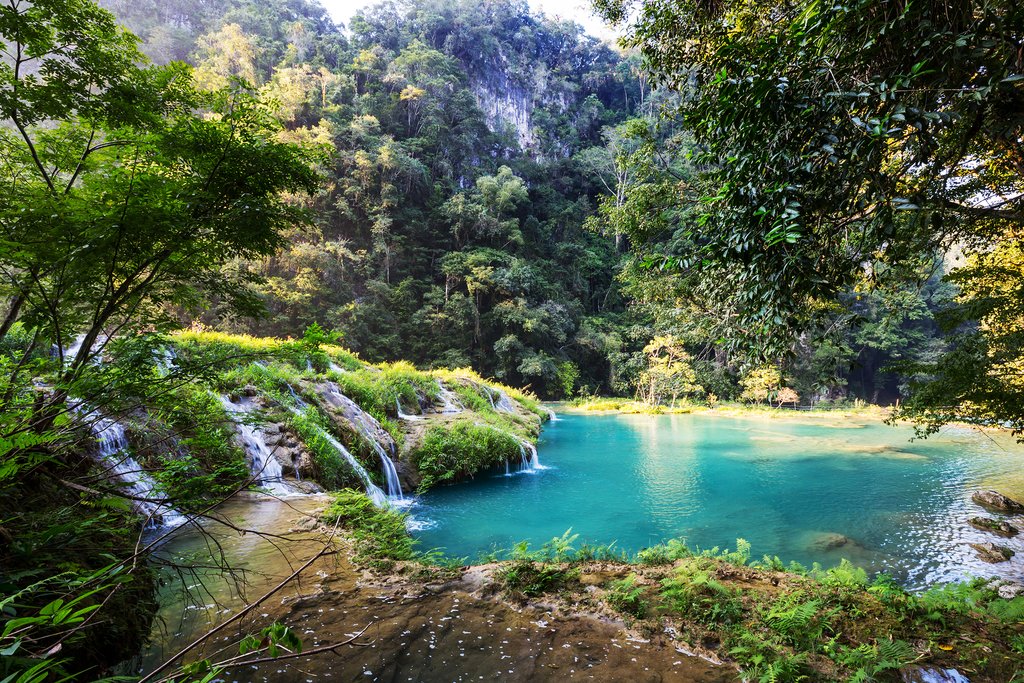

Guatemala is a fascinating Central American destination known for ancient Maya ruins, colorful colonial towns, volcanic landscapes, tropical forests, beautiful lakes, and vibrant local traditions. Choosing the Guatemala best time to travel depends largely on the type of experience you want, because the country has distinct dry and rainy seasons and significant weather differences between its highlands, lowlands, and coastal regions.
For most travelers, November through March is considered the most favorable period for exploring Guatemala. These months generally bring drier weather and better conditions for hiking volcanoes, visiting Maya archaeological sites, and exploring destinations such as Antigua, Lake Atitlán, and Tikal. However, the rainy season can also be rewarding, particularly for travelers who prefer fewer crowds, greener scenery, and potentially lower accommodation prices.
Guatemala Weather Throughout the Year
Guatemala’s climate varies considerably because of its geography and elevation. The highlands around Antigua, Lake Atitlán, and Quetzaltenango can feel pleasantly cool, while the Petén region around Tikal is much hotter and more humid. Coastal areas are also warmer than the highlands, making it important to consider your complete itinerary when choosing travel dates.
The country is generally divided into a dry season from November to April and a rainy season from May to October, although weather patterns can vary by region. During the rainy months, showers often arrive in the afternoon or evening, leaving mornings relatively suitable for sightseeing and outdoor activities.
November to March: The Best Overall Time to Visit Guatemala
For travelers seeking comfortable conditions for sightseeing and outdoor adventures, November through March is one of the best periods to visit Guatemala. The weather is generally drier, skies are often clearer, and hiking conditions are more favorable. This makes the season particularly appealing for volcano treks, exploring archaeological sites, and visiting the country’s scenic highlands.
This period is also attractive for cultural experiences. Guatemala celebrates important traditions and festivals during these months, including Day of the Dead in early November and Christmas and New Year celebrations in December and January. February is also associated with the coffee harvest, making it an interesting time for travelers interested in Guatemala’s coffee-growing regions.
December to February: Great Weather and Outdoor Adventures
December, January, and February are among the most popular months for visiting Guatemala. Travelers can enjoy relatively dry conditions while exploring Antigua’s historic streets, taking boat trips across Lake Atitlán, or traveling north to the jungle-covered temples of Tikal.
The highlands can become surprisingly cool at night, especially in elevated areas such as Quetzaltenango. Packing layers is therefore useful even when daytime temperatures feel comfortable. Meanwhile, lower-altitude destinations such as Petén can remain considerably warmer and more humid.
March to April: Festivals, Sunshine, and Busy Travel
March and April can be excellent months for travelers who want a combination of pleasant weather and cultural events. One of the biggest events is Semana Santa, or Holy Week, when Antigua becomes especially famous for religious processions and elaborate colored-sawdust street decorations.
The popularity of Semana Santa also means that this period can be considerably busier. Accommodation and transportation can become more expensive, particularly in Antigua and around Lake Atitlán. Travelers planning to visit during Holy Week should reserve accommodation well in advance.
If festivals are not a priority, traveling outside the busiest Easter dates can provide a better balance between favorable weather and manageable crowds.
May to October: Rainy Season in Guatemala
The rainy season generally begins around May and continues through October. This does not necessarily mean that it rains continuously throughout the day. In many areas, mornings can still be sunny before heavier showers develop later in the afternoon.
May, September, and parts of October can be particularly wet. Travelers visiting during these months should allow extra flexibility in their schedules, especially when planning road journeys or outdoor excursions. Heavy rain can affect roads and transportation, while muddy trails can make some hikes more challenging.
The major advantage is the scenery. Rain transforms the countryside into vivid shades of green, making forests, mountains, and volcanic landscapes especially beautiful. Travelers who don’t mind occasional showers can enjoy a quieter version of Guatemala while potentially finding better-value accommodation.
June to August: Green Landscapes and a Mid-Year Break
June through August can be an interesting time to explore Guatemala. June is generally wet, but sunny mornings can still provide opportunities for sightseeing before afternoon rain arrives. The Pacific Coast also enters an interesting period for wildlife experiences, including turtle nesting activity.
July and August can also experience a short drier period known as the canícula. Its timing varies from year to year, but when conditions are favorable, clearer skies can create excellent opportunities for volcano hikes, viewpoints, Tikal visits, and other outdoor activities.
These months also coincide with summer vacations in North America and Europe, so some tourist destinations can still be busy despite the variable weather.
September to October: Quiet Travel and Lush Scenery
September and October are among the wetter months, but they can appeal to travelers who prioritize a relaxed atmosphere over consistently dry weather. Tourist numbers are generally lower, and the landscape becomes exceptionally green.
Rain can sometimes interfere with outdoor plans, so flexibility is important. Instead of planning every day around long hikes or tightly timed transportation, leave room for weather changes. A rain jacket, waterproof footwear, and protection for electronics can make a significant difference.
October is particularly interesting because rainfall often begins to ease toward the end of the month. Travelers may find a useful compromise between green landscapes, fewer visitors, and improving weather conditions.
Best Time to Visit Antigua Guatemala
Antigua is one of Guatemala’s most popular destinations, celebrated for its Spanish colonial architecture, cobblestone streets, cultural attractions, restaurants, and proximity to volcanoes. The dry season is particularly useful for exploring the city on foot and taking excursions into the surrounding mountains.
March and April can be especially memorable because of Semana Santa celebrations. However, the city becomes much busier during Holy Week, so travelers seeking a quieter experience may prefer November through February or a period outside the major festival dates.
Best Time to Visit Lake Atitlán
Lake Atitlán is surrounded by volcanoes and traditional communities, making it one of Guatemala’s most spectacular destinations. The lake can be visited throughout the year, but the dry season generally provides better conditions for hiking, sightseeing, photography, and enjoying views across the water.
The rainy season can make the surrounding hillsides particularly lush and dramatic. However, afternoon storms may occasionally affect boat journeys and outdoor plans. If you travel during wetter months, mornings are often a good time to schedule activities while keeping afternoons flexible.
Best Time to Visit Tikal
Tikal’s ancient Maya temples rise from the rainforest of the Petén region, where conditions are warmer and more humid than in Guatemala’s highlands. The drier months are generally comfortable for exploring the archaeological site, especially for travelers who want to spend several hours walking between temples and jungle trails.
July and August can also offer useful windows of clearer weather during the seasonal canícula. Regardless of the month, early starts can be valuable because temperatures in the lowlands can become hot as the day progresses. Tikal is one of the country’s major highlights and is frequently included in first-time Guatemala itineraries.
Best Time for Hiking and Volcano Adventures
If hiking is one of the main reasons for your trip, the dry season is usually the safest choice for more predictable trail conditions. Volcano adventures around Antigua and Lake Atitlán are especially appealing when skies are clear and trails are less muddy.
Rainy-season hikes can still be rewarding, but wet conditions can make volcanic trails slippery and more difficult. Anyone planning a major trek should allow additional time and consider local conditions before setting out. Local guides can also be valuable for challenging volcano routes.
Cheapest Time to Travel to Guatemala
Travelers looking for better value may want to consider the shoulder and rainy seasons, particularly April to May and September to October. These periods generally have fewer tourists, and accommodation can be easier to find compared with the busiest travel periods.
The trade-off is less predictable weather. You may experience beautiful sunny mornings followed by afternoon showers, or longer periods of rain. For flexible travelers, however, the combination of fewer crowds, greener scenery, and potentially lower prices can make these months attractive.
What to Pack for Guatemala’s Weather
Your packing list should depend on where you are traveling rather than simply the month. Lightweight, breathable clothing works well in warmer regions, while a sweater or light jacket is useful in the cooler highlands. Layering is particularly practical because temperatures can change considerably between daytime and nighttime.
During the rainy season, pack a lightweight rain jacket, quick-drying clothing, waterproof protection for your backpack, and shoes with good traction. Sunscreen and insect protection are also useful throughout the year, especially when visiting tropical and jungle environments.
So, What Is the Guatemala Best Time to Travel?
For the best combination of dry weather, outdoor activities, and sightseeing conditions, November through March is the top choice for many travelers. December through February is particularly appealing for comfortable exploration, while March and April can provide memorable cultural experiences around Semana Santa.
However, there is no single perfect month for everyone. Travelers who want lower crowds and lush scenery may enjoy the rainy season, while those focused on volcano hiking and predictable outdoor conditions will usually prefer the dry months. Your ideal travel window ultimately depends on whether weather, festivals, budget, wildlife, hiking, or fewer crowds is your biggest priority.
Conclusion
Choosing the Guatemala best time to travel becomes easier once you understand the country’s seasonal patterns. November through March generally offers the most reliable dry weather for exploring Antigua, Lake Atitlán, Tikal, and Guatemala’s spectacular volcanoes. These months are ideal for travelers who want to spend most of their trip outdoors and prefer clearer skies.
The rainy season should not automatically be avoided. From May through October, Guatemala can be greener, quieter, and potentially more affordable, while July and August can experience a temporary dry spell. Whether you visit during the sunny dry season or the lush rainy season, Guatemala offers memorable scenery, fascinating Maya heritage, and diverse experiences throughout the year.
FAQs
What is the best month to visit Guatemala?
February is an excellent choice for travelers seeking dry weather, outdoor activities, and relatively comfortable conditions, although November through March is generally considered the strongest overall period.
Is Guatemala better in the dry or rainy season?
The dry season is better for predictable outdoor activities, while the rainy season can be better for fewer crowds, greener scenery, and potentially lower prices.
Does it rain all day in Guatemala during the rainy season?
Not necessarily. Many rainy-season days can have sunny mornings followed by afternoon or evening showers, although heavier rainfall can occur.
What months are best for visiting Tikal?
The drier months are generally favorable for exploring Tikal because walking through the jungle and archaeological complex can be more comfortable. July and August can also offer clearer weather during the canícula.
When is Semana Santa in Guatemala?
Semana Santa takes place during the week leading up to Easter. Antigua is particularly famous for its processions and elaborate street decorations during this period.
Is Guatemala expensive during the peak season?
Costs can rise during popular travel periods, especially around Christmas, New Year, and Semana Santa. Booking accommodation early can help during major festivals.
What should I pack for Guatemala’s rainy season?
Bring lightweight clothing, a rain jacket, quick-drying layers, waterproof protection for your belongings, and shoes with good traction.
Can I visit Guatemala year-round?
Yes. Guatemala can be visited throughout the year. The best period depends on whether you prioritize dry weather, festivals, lower crowds, lush scenery, or budget-friendly travel.



[…] travel unity is a concept that celebrates the joy of exploring new destinations together. It emphasizes shared experiences and collective […]