

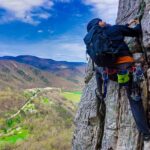













































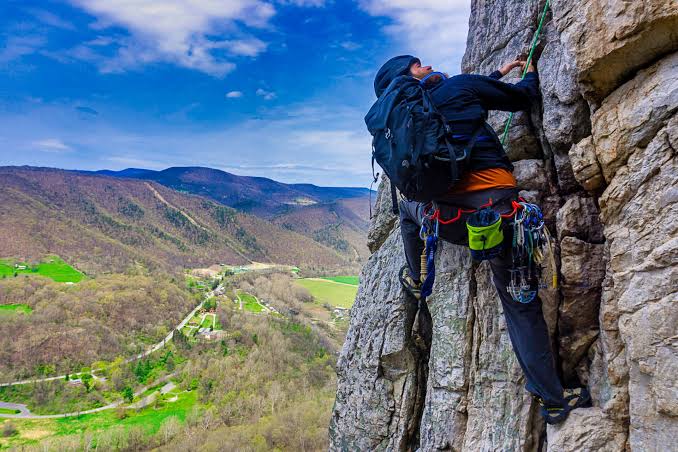

Seneca Rocks climbing is one of the most memorable outdoor adventures in West Virginia, attracting climbers who want to experience dramatic rock formations, challenging routes, and breathtaking mountain scenery. Located in the Monongahela National Forest, Seneca Rocks is famous for its towering fins of Tuscarora quartzite, which rise above the surrounding landscape and create a distinctive destination for traditional rock climbing.
Whether you are a beginner researching your first outdoor climbing experience or an experienced climber planning a technical ascent, understanding the area’s terrain, climbing styles, and safety requirements is essential. Seneca Rocks offers an exciting combination of physical challenge, natural beauty, and Appalachian history. With proper preparation and respect for the environment, visitors can enjoy a rewarding experience while exploring one of the region’s best-known climbing destinations.
Understanding the Climbing Routes at Seneca Rocks
One of the main attractions of Seneca Rocks climbing is the variety of traditional climbing routes across its North Peak, South Peak, Lower Slabs, and Southern Pillar. The area has hundreds of established routes, ranging from relatively accessible climbs to demanding technical ascents. Many routes involve multiple pitches, meaning climbers ascend and secure the rope in stages before continuing toward the summit.
The difficulty ratings use the Yosemite Decimal System, with lower numbers generally indicating easier climbs and higher numbers representing more technically demanding routes. However, Seneca Rocks has a reputation for climbing that can feel harder than the rating suggests. Its exposed ledges, narrow fins, and traditional protection requirements make route selection especially important. Review current route descriptions and choose a climb that matches your actual experience, not simply your indoor climbing grade.
Best Seneca Rocks Climbing Routes for Different Skill Levels

Old Ladies’ Route and Other Easier Climbs
Old Ladies’ Route is frequently mentioned as an accessible classic, with a commonly listed grade of 5.2. It can be an appealing objective for climbers who already understand basic rope systems and traditional climbing safety. Even though the technical grade is relatively low, the exposure and route-finding demands mean it should not be treated as an ordinary beginner hike.
Gunsight to South Peak is another popular option, commonly rated 5.4, that offers an exciting passage near the narrow gap between the peaks. Climbers can experience dramatic views and exposed positions along the route. Both climbs require appropriate technical skills, a capable partner, and careful planning. First-time outdoor climbers should consider booking a qualified guide instead of attempting these routes independently.
Moderate and Advanced Traditional Climbs
Experienced climbers can explore routes such as Ecstasy, West Pole, and other established lines across the South Peak. Depending on the route, these climbs may involve several pitches, varied rock features, traverses, and careful equipment placement. They provide opportunities to develop traditional climbing skills while enjoying expansive views of the surrounding Appalachian mountains.
More difficult routes require reliable lead climbing, anchor-building, belaying, and rappelling skills. Climbers should review current guidebook descriptions before committing to a route because route grades alone do not communicate every challenge. A route’s protection opportunities, exposure, length, and descent requirements all influence its overall difficulty.
Essential Gear for Seneca Rocks Climbing
Traditional climbing requires more preparation than visiting a conventional indoor climbing gym. A typical equipment setup includes a properly fitted helmet, climbing harness, suitable shoes, dynamic rope, belay device, locking carabiners, slings, and a traditional protection rack appropriate for the chosen route. Depending on the climb, additional cams, nuts, and longer slings may be necessary.
A current climbing guidebook is particularly valuable because Seneca Rocks has complex route layouts and numerous multi-pitch climbs. Bring enough water, food, weather-appropriate clothing, and a small first-aid kit for a full day outdoors. Check every item before leaving, and inspect existing anchors and fixed protection rather than assuming old hardware is reliable. Never attempt a technical route without knowing how to use the equipment correctly.
Safety Tips for Seneca Rocks Climbing
Safety should guide every decision at Seneca Rocks. Loose rock and falling debris are significant hazards, particularly beneath busy routes and rappel lines. Wearing a helmet is essential, and climbers should avoid resting directly beneath other parties. Extra caution is needed after heavy rain, when water may loosen rock and make surfaces slippery.
Weather, communication, and descent planning also matter. Check the forecast before starting, carry an appropriate navigation plan, and tell someone reliable where you are going and when you expect to return. Cell service may be unreliable in the area, so do not depend on a mobile phone as your only emergency option. Confirm that your party can complete the intended descent before beginning the climb, and turn around if conditions exceed your skills.
Best Time to Visit Seneca Rocks for Climbing
Spring and fall are popular seasons because temperatures can be comfortable for climbing and the surrounding forest offers beautiful scenery. Spring brings fresh greenery and flowing streams, while autumn adds vibrant foliage to the mountain landscape. These seasons can also attract more climbers, particularly on weekends, so an early start and a flexible route plan can help avoid congestion.
Summer can offer excellent climbing opportunities, but direct sunlight and humidity may make exposed routes uncomfortable. The east and west faces receive sunlight at different times, allowing experienced climbers to consider shade and temperature when selecting a route. Winter conditions can introduce cold rock, ice, and unpredictable weather, so only climbers with the appropriate experience and equipment should consider technical winter objectives. Always check local conditions before travelling.
Hiring a Climbing Guide at Seneca Rocks
Hiring a guide is one of the best ways to experience Seneca Rocks if you are new to outdoor climbing or unfamiliar with traditional multi-pitch routes. A qualified guide can help you choose a suitable climb, explain equipment, teach movement techniques, and manage technical systems appropriate to your experience. Guided climbing also allows beginners to focus on learning rather than trying to navigate an unfamiliar cliff independently.
Two local options to investigate are Seneca Rocks Mountain Guides and Seneca Rocks Climbing School. Both provide climbing instruction and guiding in the area. Visit the Seneca Rocks Mountain Guides official website to review its services, or contact the climbing school to ask about beginner instruction, equipment, availability, and the experience level required. Confirm current rates and booking details directly before your visit.
Where to Stay and What to Explore Nearby

The surrounding area offers several options for turning a climbing trip into a longer outdoor getaway. Seneca Shadows Campground is a popular base for visitors exploring the region, while nearby communities offer additional lodging and supplies. Check campground availability, facilities, and seasonal operating details before setting out.
The Seneca Rocks Discovery Center is another worthwhile stop for learning about the area’s geology, natural environment, and climbing heritage. Visitors who want a rest day can enjoy scenic walks, photography, and the surrounding Monongahela National Forest. Keep your plans flexible, respect local regulations, and remember that climbing conditions may affect how much you can safely accomplish in a single day.
Conclusion
Seneca Rocks climbing offers an outstanding combination of traditional climbing, dramatic Appalachian scenery, and a long outdoor adventure history. Its distinctive quartzite formations, varied routes, and exposed summit experiences attract climbers from across the country. Whether you are interested in a classic moderate climb or a more demanding multi-pitch route, careful preparation and realistic route selection will help you make the most of your visit.
The key to a successful trip is to respect the mountain and understand the skills each route requires. Choose suitable equipment, check the weather, wear a helmet, and consider professional instruction if you lack outdoor climbing experience. With thoughtful planning and responsible climbing practices, Seneca Rocks can provide an unforgettable experience for years to come.
