














































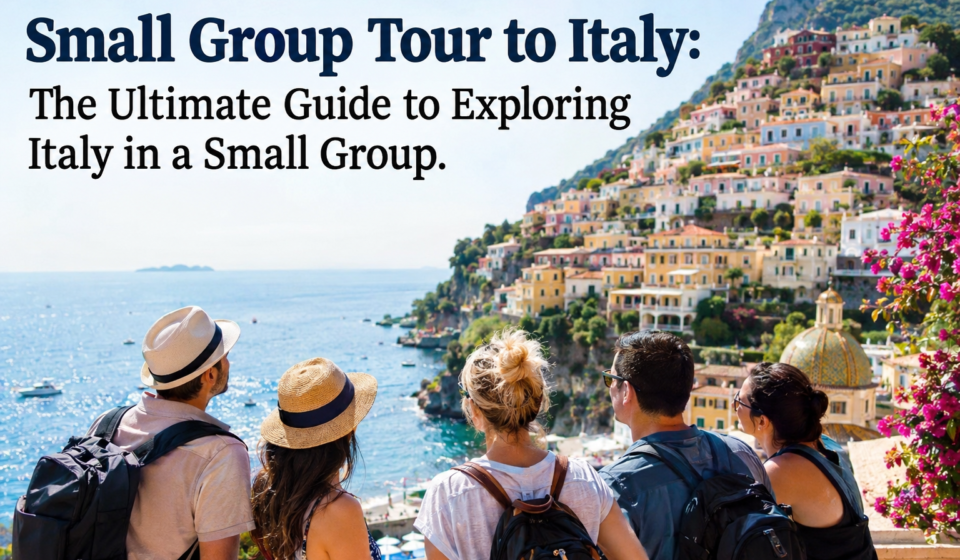

A small group tour to Italy is an excellent way to explore one of Europe’s most beautiful and culturally rich destinations without the stress of organizing every detail yourself. From the historic streets of Rome and the romantic canals of Venice to the rolling hills of Tuscany and the colorful villages of the Amalfi Coast, Italy offers countless opportunities for memorable travel experiences. Joining a small group allows travelers to discover these attractions with a knowledgeable guide while enjoying a more personal atmosphere than many large group tours provide.
Whether you are planning your first Italian holiday, traveling as a couple, or looking for an enriching solo adventure, a small group tour to Italy can combine convenience, comfort, and authentic cultural experiences. These tours often include carefully planned transportation, selected accommodations, guided sightseeing, and opportunities to enjoy regional food and traditions. With the right itinerary, you can experience Italy’s famous landmarks while also discovering charming neighborhoods, local markets, and lesser-known destinations that make the country special.
What Is a Small Group Tour to Italy?
A small group tour to Italy is an organized travel experience designed for a limited number of participants. Although group sizes vary by operator, many tours accommodate approximately 6 to 16 travelers. This smaller setting can make it easier to interact with your guide, ask questions, explore attractions comfortably, and connect with other people who share your interest in travel.
Unlike independent travel, where you must arrange transportation, accommodation, sightseeing, and daily schedules yourself, an organized small group tour usually provides a structured itinerary. Depending on the package, some meals, entrance tickets, transfers, and guided excursions may also be included. The exact arrangements vary, so it is important to review the itinerary before booking.
Why Choose a Small Group Tour to Italy?
One of the main advantages of a small group tour is the balance between organization and personal attention. Traveling with fewer people can make visits to historic sites more engaging, while smaller vehicles and carefully selected accommodations may help simplify transportation between destinations.
Small group tours can also be particularly helpful for solo travelers. You can enjoy the independence of exploring a new country while having a group to share meals, excursions, and memorable experiences with. Couples and friends may appreciate the opportunity to discover Italy without managing every logistical detail themselves.
However, a small group tour does not automatically guarantee a completely flexible experience. Some itineraries follow fixed departure dates and schedules. Before choosing a package, check the maximum group size, amount of free time, accommodation standards, included activities, and cancellation policy.
Best Destinations for a Small Group Tour to Italy
Italy’s regions offer remarkably different landscapes, traditions, architecture, and cuisine. A well-designed small group tour can introduce you to several destinations while allowing enough time to appreciate each location.
Rome: Discover Italy’s Ancient History
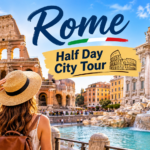
Rome is an ideal starting point for a small group tour to Italy because it combines ancient history, impressive architecture, religious landmarks, and lively neighborhood culture. Visitors can explore the Colosseum, Roman Forum, Pantheon, and famous Trevi Fountain while learning how the city developed over thousands of years.
Many tours also include a visit to Vatican City, where travelers can discover St. Peter’s Basilica and, depending on the itinerary, the Vatican Museums and Sistine Chapel. A local guide can provide historical context that makes these attractions more meaningful than a quick independent visit.
Beyond the main landmarks, Rome offers traditional trattorias, outdoor cafés, neighborhood markets, and atmospheric streets. Consider spending at least two or three nights here if your schedule allows, particularly if this is your first visit to Italy.
Florence: Experience Art and Renaissance Culture
Florence is a highlight for travelers interested in art, architecture, and Italian history. The city is closely associated with the Renaissance and features remarkable buildings, galleries, and public squares. Popular attractions include Florence Cathedral, Ponte Vecchio, and the Uffizi Gallery.
A small group tour can make exploring Florence easier by combining guided sightseeing with free time for independent discoveries. You might browse artisan workshops, enjoy an espresso in a historic square, or sample Tuscan specialties at a local restaurant.
Florence is also a convenient base for visiting nearby Tuscan towns and countryside destinations. Depending on your itinerary, you may have the opportunity to explore vineyards, medieval villages, and scenic landscapes beyond the city center.
Venice: Explore the City’s Famous Canals
Venice offers a distinctive experience with its canals, historic palaces, narrow passageways, and elegant bridges. A small group tour can help you understand the city’s maritime history and architectural heritage while guiding you through its best-known landmarks.
Visitors often explore St. Mark’s Square, admire St. Mark’s Basilica from the exterior or interior when access is included, and enjoy views of the Grand Canal. Some itineraries include a gondola ride or a boat excursion to nearby islands such as Murano, which is known for its glassmaking traditions.
Venice is also a rewarding place to wander away from the busiest tourist routes. Quieter residential streets reveal small cafés, local shops, and peaceful canals that offer a different perspective on the city.
Tuscany: Enjoy Countryside Views and Regional Food
Tuscany is an excellent choice for travelers who want to experience Italy beyond its major cities. The region is known for rolling hills, vineyards, olive groves, medieval villages, and traditional cuisine. Small group tours may include destinations such as Siena, San Gimignano, or the countryside surrounding Florence.
Food and wine experiences are often important parts of Tuscan itineraries. Depending on the tour, you might visit a family-run farm, learn about olive oil production, enjoy a regional lunch, or participate in a guided tasting. Travelers who do not drink alcohol can look for tours that emphasize local food, scenery, and cultural activities instead.
Tuscany is especially appealing to travelers who prefer a slower pace. Rather than rushing between major attractions, you can spend time appreciating village squares, local crafts, and the landscapes that have inspired artists and writers for generations.
The Amalfi Coast: Discover Italy’s Coastal Beauty
The Amalfi Coast is famous for dramatic cliffs, colorful seaside towns, winding coastal roads, and Mediterranean views. Popular destinations include Positano, Amalfi, and Ravello, each offering its own atmosphere and scenic attractions.
A small group tour can simplify travel along this coastline, where road journeys may take longer than expected and parking can be challenging during busy periods. Some itineraries include boat excursions, coastal walks, or time to relax beside the sea.
The region is particularly attractive during spring and early autumn, when conditions are often pleasant for sightseeing. Summer can bring higher prices, heavy visitor numbers, and warmer weather, so travelers should consider their preferences when selecting departure dates.
What Does a Small Group Tour to Italy Cost?
The cost of a small group tour to Italy depends on the season, length of the trip, group size, accommodation quality, transportation arrangements, and activities included. A budget-conscious package may focus on simpler hotels and essential sightseeing, while a premium itinerary may feature boutique accommodation, private transfers, special dining experiences, and expert-led excursions.
The following table provides broad planning estimates rather than live prices or quotations. Actual costs can vary significantly by departure date and tour operator.
| Tour style | Illustrative cost per person | Typical features |
|---|---|---|
| Budget-oriented | $100–$200 per day | Basic or comfortable accommodation, selected guided visits |
| Mid-range | $200–$400 per day | Well-located hotels, organized transfers, and several included activities |
| Premium | $400–$800+ per day | Higher-end accommodation, smaller groups, enhanced experiences |
These estimates are general planning ranges, not guaranteed market rates. They may exclude international flights, some meals, travel insurance, optional excursions, tips, and personal spending. Confirm exactly what is included before comparing packages.
How to Budget for Your Italian Adventure
Start by calculating the total package price and identifying additional expenses. International flights, airport transfers, meals not included in the itinerary, museum tickets, local transportation, and travel insurance can add considerably to the overall cost.
It is also sensible to reserve some money for spontaneous experiences. You might want to enjoy an additional restaurant meal, purchase handmade souvenirs, take a boat trip, or extend your stay in a favorite city. A realistic daily allowance can help you enjoy these activities without exceeding your budget.
Booking early may provide access to a wider choice of departure dates and accommodation options. Traveling during shoulder seasons, such as April, May, September, or October, can also offer a useful balance of sightseeing conditions and visitor numbers, although prices and weather vary.
How to Choose the Best Small Group Tour to Italy
Choosing the right tour requires more than comparing prices. The best itinerary should reflect your interests, preferred pace, comfort requirements, and available travel time.
Check the Group Size and Itinerary.
Begin by checking the operator’s maximum group size. A tour with 10 participants may feel quite different from one with 18, even if both are marketed as small group experiences. Also, ask whether the advertised group size refers to the entire trip or only particular excursions.
Review the daily itinerary carefully. Some tours spend only one night in each city, while others provide longer stays that allow more time for independent exploration. If you enjoy museums and historical attractions, look for an itinerary with guided visits. If you prefer food, scenery, and relaxed afternoons, choose a tour that includes countryside excursions and unstructured time.
Review Accommodation and Transportation
Accommodation can have a major effect on your experience. Check whether hotels are centrally located, whether breakfast is included, and whether rooms have private bathrooms. Some smaller properties may offer more character but fewer facilities than larger hotels.
Transportation deserves equal attention. Many Italian historic centers restrict vehicle access, so travelers may need to walk from drop-off points to hotels or attractions. Ask about luggage handling, walking distances, stairs, and accessibility if these factors are important to you.
Compare Inclusions and Tour Operator Policies
Read the booking conditions before paying a deposit. Determine which meals, entrance fees, transfers, and excursions are included and which require additional payment. Also review cancellation terms, minimum departure numbers, single-room supplements, and what happens if the operator changes the itinerary.
Look for recent reviews that describe the guide’s knowledge, hotel standards, organization, and communication. Independent feedback can help you understand whether the experience matches the advertised description.
Sample 7-Day Small Group Tour to Italy Itinerary
A seven-day trip can introduce you to several of Italy’s most famous destinations, although it will involve some travel between cities. Travelers who prefer a slower pace may want to extend the trip or focus on fewer regions.
| Day | Destination | Suggested activities |
|---|---|---|
| Day 1 | Rome | Arrival, hotel check-in, relaxed evening walk |
| Day 2 | Rome | Colosseum, Roman Forum, historic city center |
| Day 3 | Florence | Travel to Florence, cathedral area, local dining |
| Day 4 | Florence and Tuscany | Art museums or a countryside excursion |
| Day 5 | Venice | Travel to Venice, canals, St. Mark’s Square |
| Day 6 | Venice | Guided walking tour, local neighborhoods, optional island visit |
| Day 7 | Departure | Breakfast and onward travel |
This itinerary works as a starting point rather than a fixed tour schedule. Travel times, train connections, attraction opening hours, and ticket availability should be checked before making reservations. The Amalfi Coast would usually require additional time or a different route, rather than being added to this already busy seven-day schedule.
Best Time to Book a Small Group Tour to Italy
Spring and autumn are popular choices for exploring Italy because temperatures are often comfortable for walking and sightseeing. April and May can bring pleasant conditions and blossoming landscapes, while September and October offer opportunities to enjoy historic towns and countryside destinations after the height of summer.
Summer is attractive for coastal holidays, outdoor dining, and long daylight hours. However, major cities can be crowded, temperatures may become uncomfortable, and accommodation prices can rise. If you plan to travel during July or August, reserve key attractions and accommodation in advance.
Winter can suit travelers interested in museums, architecture, seasonal food, and quieter city experiences. Some coastal services and countryside businesses may operate on reduced schedules, and weather conditions vary by region. Research the destinations on your itinerary before choosing a winter departure.
Benefits of Joining a Small Group Tour to Italy
One important benefit is convenience. An organized tour can reduce the time spent coordinating trains, hotels, transfers, and attraction visits. This is especially useful for travelers visiting Italy for the first time or those who want to cover several destinations in a limited period.
Another advantage is the opportunity to learn from experienced local guides. Historical explanations, architectural insights, and introductions to regional food traditions can make visits more meaningful. A small group may also make conversations with guides and other travelers easier, creating opportunities to share recommendations and experiences.
Small group travel can encourage cultural discovery as well. Depending on the operator, you may visit local markets, participate in cooking classes, explore family-run businesses, or discover neighborhoods beyond the standard sightseeing route. These activities can provide a deeper understanding of Italian daily life.
Nevertheless, group travel is not ideal for everyone. Travelers who want complete freedom to change plans throughout the day may prefer an independent trip or a partially guided itinerary. Consider how much structure you enjoy before booking.
Essential Tips for a Smooth Italian Tour
Pack comfortable walking shoes because many Italian destinations have cobblestone streets, uneven pavements, stairs, and pedestrian-only historic centers. Bring clothing suitable for the season, and remember that major religious sites may require modest attire covering shoulders and knees.
Keep your passport, travel insurance details, booking confirmations, and essential medication secure. Make digital copies of important documents and carry a small day bag for water, personal items, and purchases. If your itinerary includes several hotels, packing light can make transfers easier.
Learn a few basic Italian phrases, including greetings, polite requests, and expressions used in restaurants. Although English is spoken in many tourist areas, attempting a few local phrases can make everyday interactions more enjoyable.
Finally, check entry requirements for your nationality, including any applicable visa rules, before departure. Confirm whether your tour includes airport transfers, how much luggage is permitted, and whether you need to reserve major attractions separately.
Conclusion
A small group tour to Italy offers an appealing way to experience the country’s remarkable combination of history, art, food, landscapes, and local traditions. From exploring ancient monuments in Rome to admiring Renaissance masterpieces in Florence, discovering Venice’s canals, and enjoying the countryside of Tuscany, travelers can experience a wide variety of destinations with the support of an organized itinerary. Smaller groups may also provide more opportunities to ask questions, connect with fellow travelers, and appreciate the details that make each destination unique.
Before booking, compare group sizes, itineraries, accommodation standards, included activities, and cancellation policies. Consider your budget, preferred travel season, and the amount of free time you want each day. With thoughtful planning, a well-chosen small group tour to Italy can make your Italian holiday more comfortable, engaging, and memorable.
