















































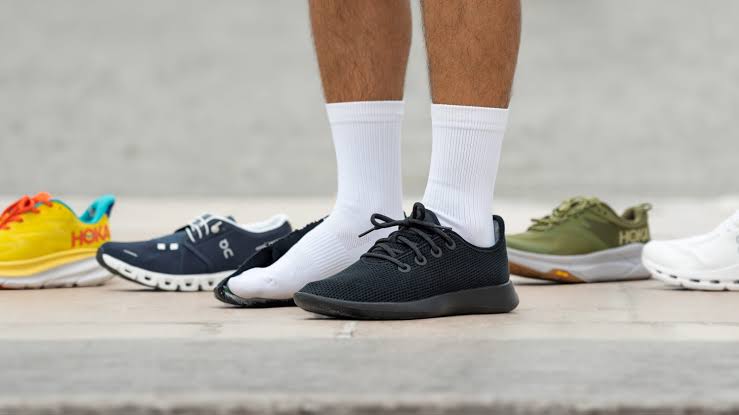
Best Sneakers for European Travel: A Complete Guide to Comfort, Style, and All-Day Walking

Finding the best sneakers for European travel can make a significant difference in how much you enjoy your trip. Europe is famous for its historic cities, charming villages, beautiful architecture, and scenic streets, but exploring these destinations often requires hours of walking. From the cobblestone lanes of Rome to the fashionable streets of Paris and the steep hills of Lisbon, the right sneakers can help keep your feet comfortable while complementing your travel outfits.
Choosing suitable travel footwear is about more than appearance. You need sneakers that provide cushioning, reliable traction, breathable materials, and enough support for long sightseeing days. Lightweight construction, versatile colors, and durable materials can also help you pack efficiently without sacrificing comfort or style.
Whether you are planning a romantic European getaway, a backpacking adventure, a family vacation, or a multi-country tour, this guide explains what to look for in travel sneakers, which styles work best for different destinations, and how to choose a pair that suits your budget and travel plans.
Why Choosing the Best Sneakers for European Travel Matters

European travel often involves more walking than travelers initially expect. A single day might include exploring museums, visiting historic landmarks, shopping in local markets, climbing stairs, navigating train stations, and walking between restaurants. Even travelers who usually exercise regularly may experience tired feet when spending several consecutive days sightseeing.
The best sneakers for European travel help manage these demands by combining cushioning, stability, flexibility, and a comfortable fit. Good footwear can reduce pressure on your feet during long walks and provide better grip on uneven surfaces. However, no shoe can eliminate fatigue entirely, so taking breaks and gradually increasing your walking distance before departure can also help.
Comfort is particularly important when visiting destinations with historic streets. Many European cities have uneven cobblestones, polished stone walkways, narrow sidewalks, and occasional steep inclines. Sneakers with a secure fit and a reasonably grippy outsole are often more practical than flat fashion shoes with minimal support.
Comfort and Style Should Work Together
Travelers do not have to choose between looking fashionable and feeling comfortable. Modern sneakers are available in minimalist leather designs, sporty running-inspired silhouettes, retro styles, and lightweight walking shoes. Neutral colors such as white, beige, gray, navy, and black are especially useful because they coordinate with jeans, dresses, trousers, and casual travel clothing.
A versatile pair can also reduce the amount of footwear you need to pack. Instead of bringing separate shoes for every outfit, choose sneakers that work for sightseeing, casual dining, airport travel, and relaxed evenings. If your itinerary includes formal events or upscale restaurants, you may still want to pack a second pair of shoes for those occasions.
Best Types of Sneakers for European Travel

The ideal travel sneaker depends on your itinerary, walking habits, preferred style, and the weather you expect to encounter. A lightweight sneaker may be perfect for a summer trip to Spain, while a supportive walking shoe with a water-resistant upper may be more suitable for autumn in the United Kingdom.
Walking Sneakers for Long Sightseeing Days
Walking sneakers are an excellent choice for travelers who plan to explore cities on foot. They typically feature cushioning, supportive construction, flexible outsoles, and designs intended for extended periods of walking. Some models also provide removable insoles, allowing travelers to use compatible orthotics when needed.
When evaluating walking sneakers, pay attention to the shape of the shoe, heel stability, and available space around the toes. A shoe that feels comfortable during a short store visit may feel very different after several hours of walking. Try your preferred pair during a longer walk before taking it on an international trip.
Running Sneakers for Versatile Travel
Running sneakers can be among the best sneakers for European travel because they are often lightweight, breathable, and well cushioned. Many designs perform well on paved streets, airport floors, and ordinary sightseeing routes. Their sporty appearance also suits travelers who prefer casual clothing.
However, not every running shoe is ideal for European streets. Some models have tall, soft midsoles that may feel unstable on uneven cobblestones. Others have outsoles designed primarily for smooth roads. Choose a pair that feels stable underfoot and provides suitable traction for the surfaces you expect to encounter.
Leather Sneakers for Fashionable City Trips
Leather sneakers are a popular option for travelers who want a polished appearance without wearing formal shoes. White, cream, brown, and black leather styles pair easily with casual and smart-casual outfits, making them useful for destinations such as Paris, Milan, Copenhagen, and Amsterdam.
Leather uppers can also be easier to wipe clean than some fabric alternatives. Nevertheless, they may feel warmer or take longer to dry than breathable mesh shoes. Look for a comfortable lining, flexible construction, and a shape that does not squeeze your toes. If rain is likely, check whether the particular model has a water-resistant treatment rather than assuming all leather sneakers are waterproof.
Lightweight Sneakers for Backpacking
Lightweight sneakers are especially practical for backpackers and travelers moving between multiple countries. They take up less space in luggage and can feel less cumbersome during long travel days. Breathable materials are particularly useful during warmer months, when feet may become hot after hours of walking.
The lightest sneaker is not automatically the best choice, though. Very thin soles or minimal support may become uncomfortable on long sightseeing routes. Look for a balance between low weight, cushioning, outsole durability, and a secure fit.
Top Sneaker Brands to Consider for European Travel
Several established footwear brands offer sneakers that may suit European travel. The best model depends on your individual feet, budget, and intended activities, so it is worth comparing specific shoes instead of choosing a brand based on reputation alone.
1. New Balance
New Balance offers running-inspired and lifestyle sneakers in a variety of widths and cushioning levels. Models in its 990, 1080, and 2002R families may appeal to travelers who prioritize comfort and casual styling. Check the fit and weight of the exact model before purchasing.
2. ASICS
ASICS is worth considering for travelers who prefer cushioned athletic footwear. Models such as the GEL-NIMBUS and GEL-CUMULUS are designed primarily for running but may also work for city sightseeing when their fit and stability suit your feet.
3. HOKA
HOKA is known for cushioned shoes with distinctive midsoles. The Clifton and Bondi families are options for travelers who like a soft, cushioned ride. Their relatively substantial soles may not appeal to everyone, so test them on uneven surfaces before your trip.
4. Skechers
Skechers offers walking-focused footwear with lightweight designs and cushioned insoles. Its GO WALK range may be worth exploring for travelers who want casual sneakers for everyday sightseeing. Compare outsole grip and heel security when trying on a pair.
5. ECCO
ECCO is an option for travelers who favor leather construction and understated styling. Its casual sneakers may suit city breaks where you want footwear that transitions from daytime sightseeing to relaxed dinners. Prioritize the fit and sole flexibility of the specific design.
6. Adidas
Adidas offers both performance sneakers and fashionable everyday styles. Ultraboost models may appeal to travelers looking for cushioning, while simpler lifestyle designs can complement a wider range of outfits. Consider the outsole, ventilation, and fit before making a choice.
These are starting points for comparison rather than a universal ranking. Foot shape, shoe sizing, personal comfort, and walking conditions can matter more than the brand name.
How to Choose the Best Sneakers for European Travel

Choosing travel sneakers requires considering how you will use them throughout the trip. A shoe that works well for a short city break may not be the best option for a three-week journey involving multiple climates and thousands of daily steps.
Cushioning and Arch Support
Cushioning helps soften the impact of walking on hard surfaces, while the shoe’s overall structure influences stability and comfort. Some travelers prefer soft, plush midsoles, whereas others feel more stable in firmer shoes. Neither style is automatically best for everyone.
Arch support should match your comfort needs rather than a marketing claim. If you already use prescribed or professionally recommended orthotics, check whether the shoe accommodates them. Travelers who regularly experience foot pain should consider advice from a qualified healthcare professional before relying on a new pair of shoes for extensive walking.
Breathability and Weather Protection
Breathable mesh uppers can help heat and moisture escape during summer sightseeing. They are often suitable for dry weather, but they may provide limited protection against rain. Water-resistant materials can be more useful during wet seasons, although stronger weather protection may reduce ventilation.
Consider the time of year and your destinations before deciding. A summer itinerary through Italy and Greece may call for breathable sneakers, while a spring trip through London, Edinburgh, and Amsterdam may benefit from shoes that handle light rain. For persistent rain or muddy paths, dedicated waterproof footwear may be more suitable.
Traction and Outsole Durability
European streets are not always smooth. Cobblestones, wet paving, stairs, and sloping sidewalks can make outsole traction particularly important. Look for a durable rubber outsole with a tread pattern that provides a secure feel on the surfaces you expect to encounter.
A sneaker designed mainly for indoor use or fashion may have a relatively smooth sole. While such shoes can look attractive, they may not be ideal for rainy days or long walks over irregular pavement. Test the shoes on different surfaces when possible and avoid assuming that a thick sole automatically means better grip.
Fit, Toe Room, and Sizing
Your sneakers should feel secure around the heel and midfoot without pinching your toes. Leave enough room for natural toe movement, and try shoes later in the day when your feet may be slightly swollen. Wear the socks you expect to use during your trip so you can assess the fit more accurately.
Do not assume that a familiar brand will fit identically across all models. Sizing can vary between designs, and travelers with wider feet may need specific width options. If you plan to cover long distances, avoid buying a pair immediately before departure without testing it.
Best Sneakers for Different European Destinations

Different destinations place different demands on travel footwear. Thinking about the surfaces, climate, and activities in your itinerary can help you narrow down the right choice.
Sneakers for Paris and Milan
Paris and Milan are excellent destinations for versatile sneakers that combine comfort with a refined appearance. Minimalist leather sneakers, retro-inspired designs, and neutral athletic shoes can complement jeans, tailored trousers, skirts, and casual dresses.
If your itinerary includes museums, shopping districts, and long walks between landmarks, make comfort the priority. A stylish shoe is only useful if you can comfortably wear it for several hours.
Sneakers for Rome and Florence
Rome and Florence have historic streets, stone paving, and many sightseeing attractions that are best explored on foot. Choose sneakers with a secure fit, reliable grip, and sufficient cushioning for long days.
Lightweight running-inspired sneakers or supportive walking shoes can be practical choices. Be prepared for uneven paving and stairs, and remember that some historic attractions have restrictions on footwear for particular activities or require extra care on polished surfaces.
Sneakers for Lisbon and Porto
Lisbon and Porto feature steep streets, stairways, and hills that can challenge travelers wearing slippery or unstable shoes. Look for sneakers with dependable traction and a stable platform rather than focusing exclusively on softness.
A secure heel fit is particularly useful when walking downhill. If your itinerary includes extensive hill climbing, practice with your chosen sneakers before departure to make sure they feel comfortable on inclines.
Sneakers for London, Amsterdam, and Copenhagen
These cities combine extensive walking with changeable weather or, in some areas, cycling-oriented streets and wet pavement. Breathable sneakers work well in dry conditions, while water-resistant designs may be useful during rainy periods.
For London, consider shoes that can handle long days on pavements and public transportation. Amsterdam and Copenhagen often suit versatile everyday sneakers that pair well with casual outfits. Check the forecast before traveling and pack a backup option if rain is expected throughout the trip.
Best Sneakers for European Travel on Different Budgets
Travel footwear does not have to be expensive to be useful. The important thing is finding a well-fitting shoe with appropriate cushioning, dependable construction, and an outsole suitable for your itinerary.
| Budget level | What to look for | Best suited for |
|---|---|---|
| Budget-friendly | Basic walking sneakers, comfortable insoles, durable rubber outsole | Short city breaks and occasional travel |
| Mid-range | Improved cushioning, breathable uppers, stronger construction | Multi-day sightseeing and regular travel |
| Premium | Advanced cushioning, specialized fit options, quality materials | Frequent travelers and demanding itineraries |
| Fashion-focused | Leather or retro designs with practical soles | City breaks and versatile outfits |
Prices vary by country, retailer, model, and seasonal discounts. A higher price does not guarantee a better fit, and an affordable sneaker may be entirely suitable if it meets your needs.
When comparing shoes, consider the cost per use rather than the initial price alone. A durable pair that remains comfortable over several trips may provide better value than a fashionable pair that becomes uncomfortable after a few hours.
What to Pack With Your Travel Sneakers

The right accessories can make your travel footwear more practical. Comfortable walking socks help manage friction and moisture, while a lightweight shoe bag keeps dirty soles away from clothing in your luggage. If your sneakers have removable insoles, consider whether an alternative insole you already use would be appropriate.
Packing a second pair of shoes is useful for longer trips, particularly when rainy weather is likely. Rotating between two pairs gives each pair time to dry and allows you to change footwear if your feet become uncomfortable. For a short trip with limited luggage, one versatile pair and a compact backup may be sufficient.
Before departure, clean your sneakers and inspect the soles for excessive wear. Pack any blister-care supplies you normally use, and consider bringing spare socks for days involving extensive walking. These small preparations can help prevent minor discomfort from interrupting your sightseeing plans.
Common Mistakes to Avoid When Buying Travel Sneakers
One common mistake is choosing sneakers solely because they look fashionable. Appearance matters, especially if you want shoes that complement your travel wardrobe, but a stylish design cannot compensate for a poor fit. Always prioritize comfort, stability, and appropriate traction.
Another mistake is wearing brand-new sneakers for the first time on vacation. Even shoes that feel comfortable in a store can cause rubbing during extended walks. Wear your new pair on several outings before departure and address any pressure points before traveling.
Travelers also sometimes choose shoes that are too small, assuming a snug fit will prevent slipping. Sneakers should hold your feet securely without restricting your toes. Tight shoes can become especially uncomfortable after a full day of walking.
Finally, avoid assuming that every European destination has the same weather and terrain. Lightweight mesh sneakers may be excellent for a warm summer holiday but less practical during a wet autumn trip. Match your footwear to the season, activities, and walking surfaces you expect to encounter.
Conclusion
The best sneakers for European travel combine all-day comfort, reliable traction, breathable or weather-appropriate materials, and a style that works with your travel wardrobe. Walking sneakers, running-inspired models, leather casual shoes, and lightweight athletic designs can all be suitable, depending on your destination and personal preferences. Brands such as New Balance, ASICS, HOKA, Skechers, ECCO, and Adidas offer options worth comparing, but the right fit is more important than choosing a particular label.
Before your trip, try your sneakers with your usual walking socks, test them on longer outings, and make sure they feel secure on different surfaces. Consider the climate, the amount of walking you expect to do, and whether your itinerary includes cobblestones or steep hills. With a comfortable, well-tested pair of sneakers, you can explore Europe’s historic streets, famous landmarks, and hidden neighborhoods with greater confidence.

[…] October 26, 2026 Chichen Itza in Yucatan: Where It Sits and How to Route Your Trip October 26, 2026 Best Sneakers for European Travel: A Complete Guide to Comfort, Style, and […]